Monster Gallery
A deeper image tour through silent shadows, Universal horror, wartime monster-factory sequels, 1950s creature features, title cards, and early vampire imagery.
Iconic Monster Stills
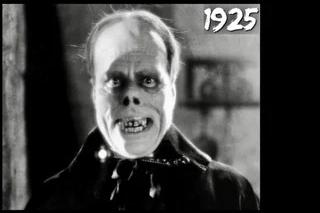
The Phantom of the Opera, a face under the opera house.
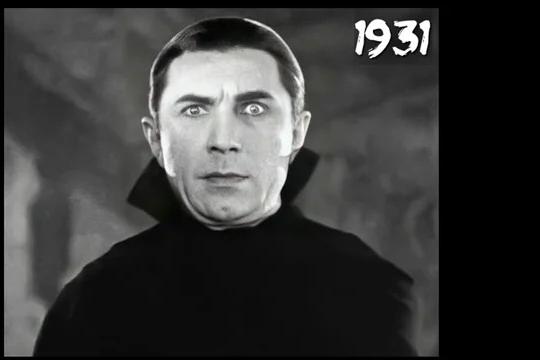
Dracula, stage elegance sharpened into screen horror.
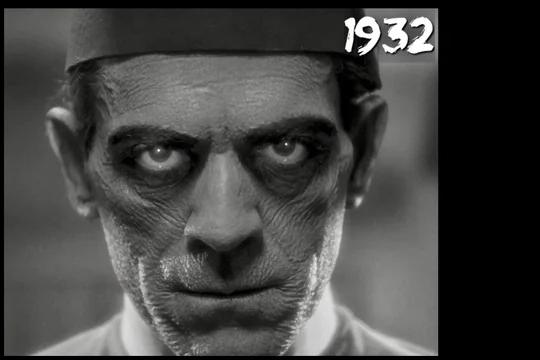
The Mummy, ancient longing wrapped in shadow.
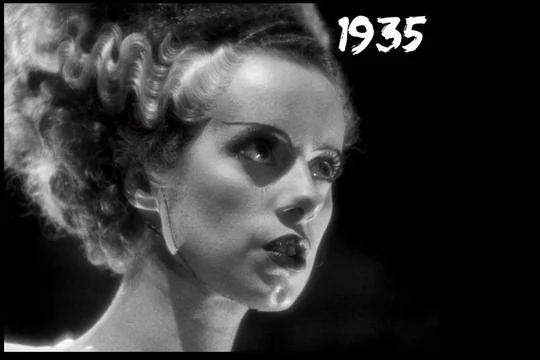
Bride of Frankenstein, lightning with a sense of style.
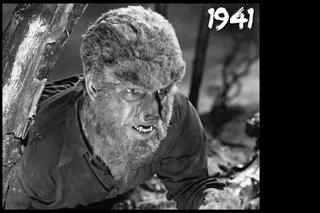
The Wolf Man, the curse made furry, tragic, and moonlit.

The Gill-Man era, still looking better wet than anyone should.
Silent Shadows and Early Universal
The first monster rooms are silent, theatrical, and strange: Chaney faces, hidden passages, fatal rooms, and bodies lit like warnings.

Quasimodo makes the monster sympathetic before the Universal cycle has a fixed shape.

Old-dark-house comedy and dread start sharing the same corridors.

A permanent smile becomes one of silent cinema's most unsettling faces.
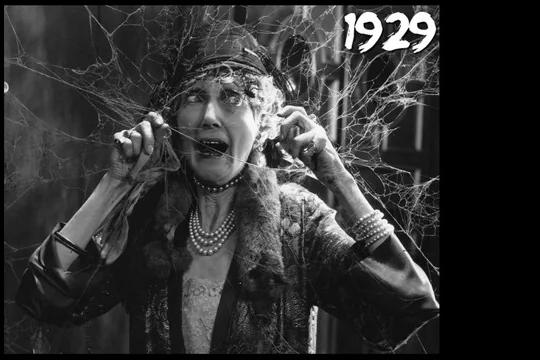
Backstage mystery, hidden menace, and late-silent atmosphere.
1930s Monster Canon
The 1930s harden the monster language: laboratories, crypts, cursed houses, elegant vampires, doomed scientists, and Karloff/Lugosi gravity.
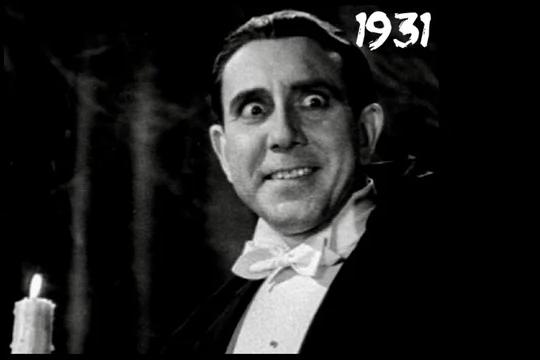
The Spanish Dracula opens another chamber inside the same famous castle.
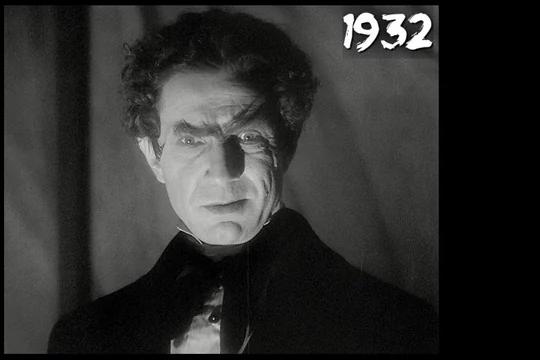
Lugosi enters mad-science territory with sideshow shadows and forbidden experiments.

A house full of weather, family secrets, and beautiful unease.
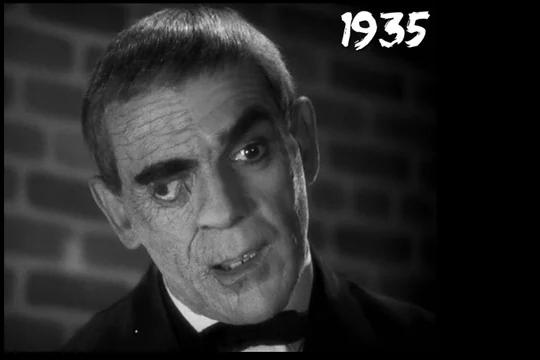
Poe, torture-room theatricality, and Lugosi/Karloff voltage.
The Monster Factory Years
The 1940s keep the monsters moving: sequels, team-ups, side corridors, mummy cycles, invisible revenge, haunted houses, and factory-speed horror atmosphere.
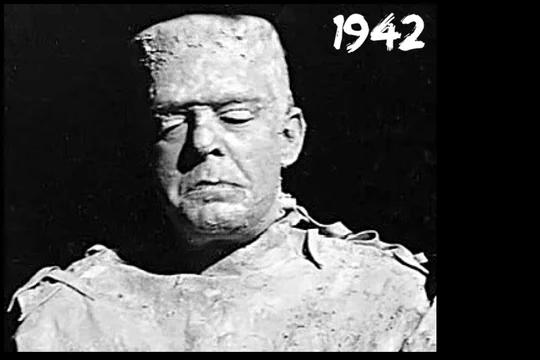
The Monster returns as the series turns into a family business of torches and experiments.
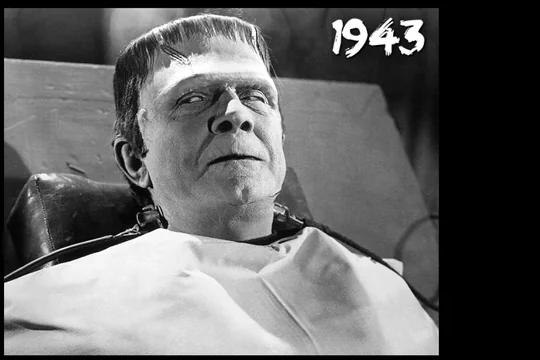
The crossover instinct becomes explicit: monster legends are now allowed to collide.
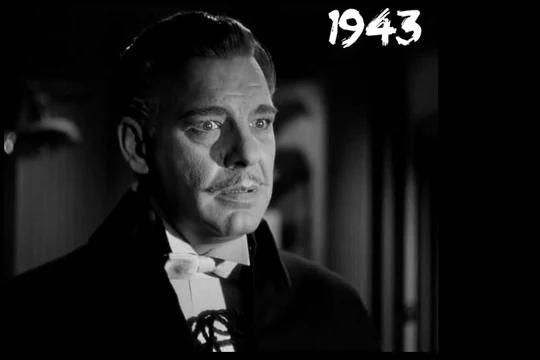
Dracula moves through fog, inheritance, and swampy American gothic.
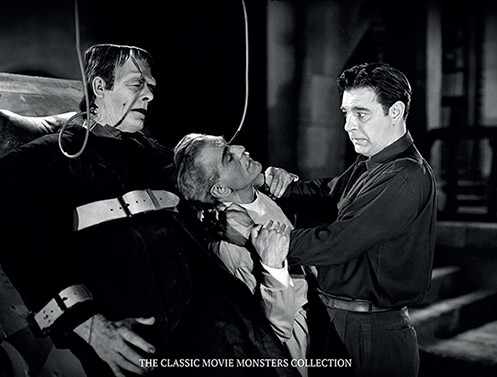
By the house films, the monsters are practically a touring company.
Atomic Labs and Drive-In Creatures
The 1950s shift the monster center toward radiation, alien science, exposed brains, desert panic, strange doors, and creatures that belong on a giant screen.

Cosmic science horror with a color palette bright enough to hum.

Ancient-world adventure and underground creature dread.

Giant-insect panic turns the natural world into a military emergency.

The monster becomes geology: alien rock, growth, pressure, collapse.
Classic Horror Title Cards
Title cards turn the monster movie into a ritual before the first scare lands: engraved lettering, black rooms, studio typography, and the promise that something unnatural is waiting.
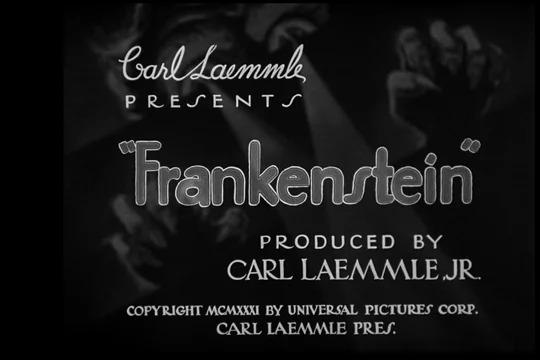
Frankenstein announces itself like a lab door opening in the dark.
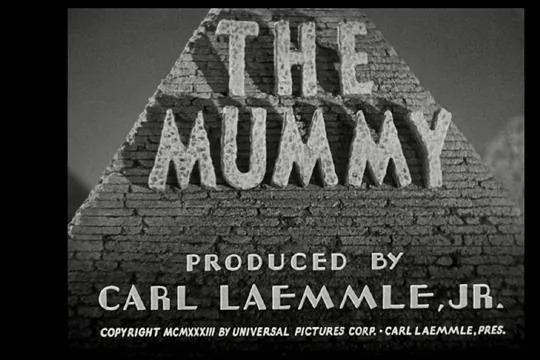
The Mummy title card makes ancient horror feel formal, sealed, and inevitable.
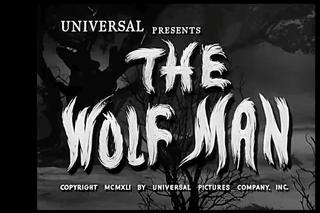
The Wolf Man title carries the curse before the moon has even risen.

By the 1950s, title cards start glowing with science panic and cosmic trouble.
Early Vampires / Silent Shadows
Before the cape became standard equipment, vampire imagery moved through dancers, fatal women, silent melodrama, and strange city-night atmospheres. These images catch the vampire idea while it is still changing shape.
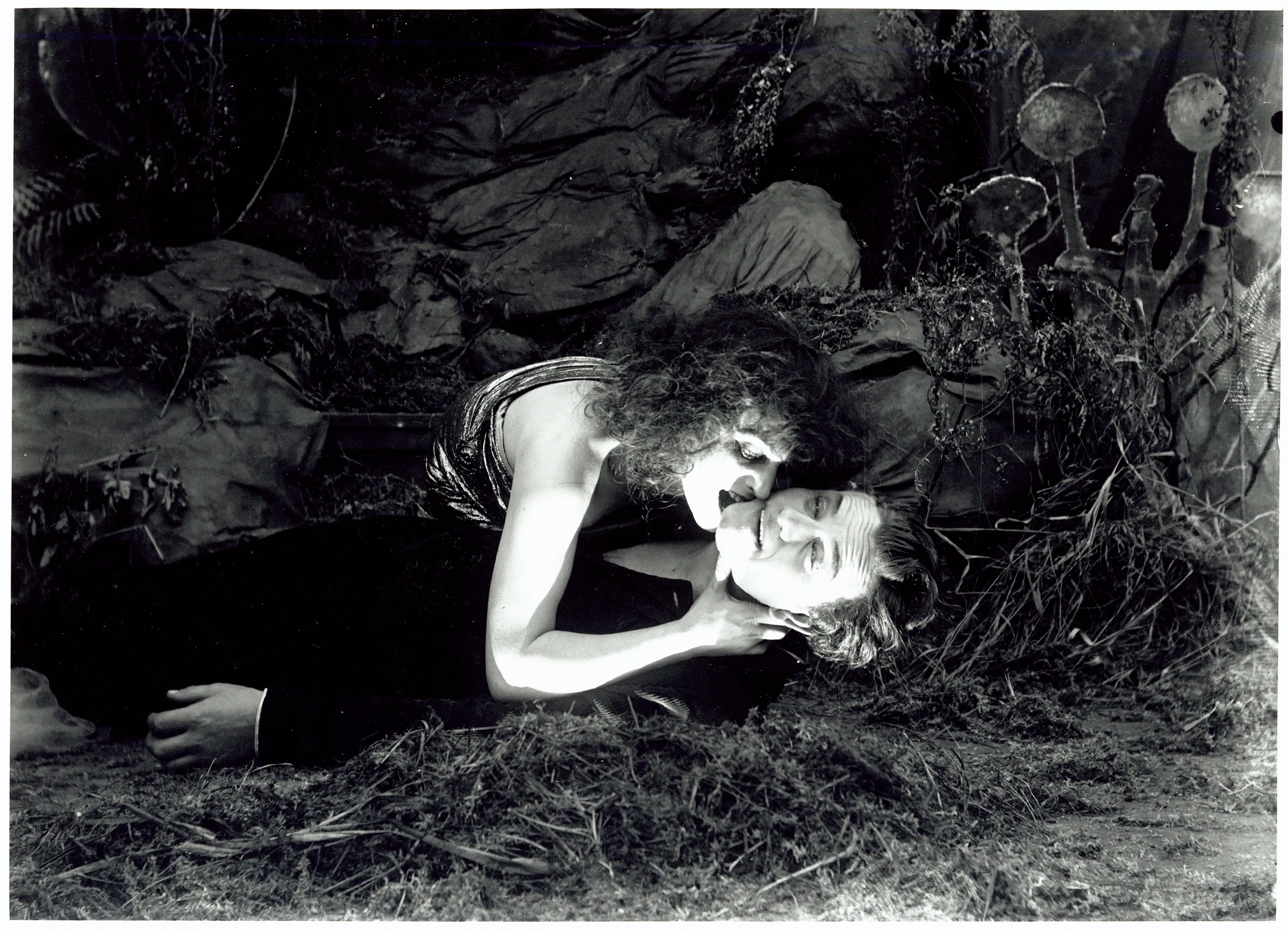
An early vampire figure as motion, pose, and theatrical danger.
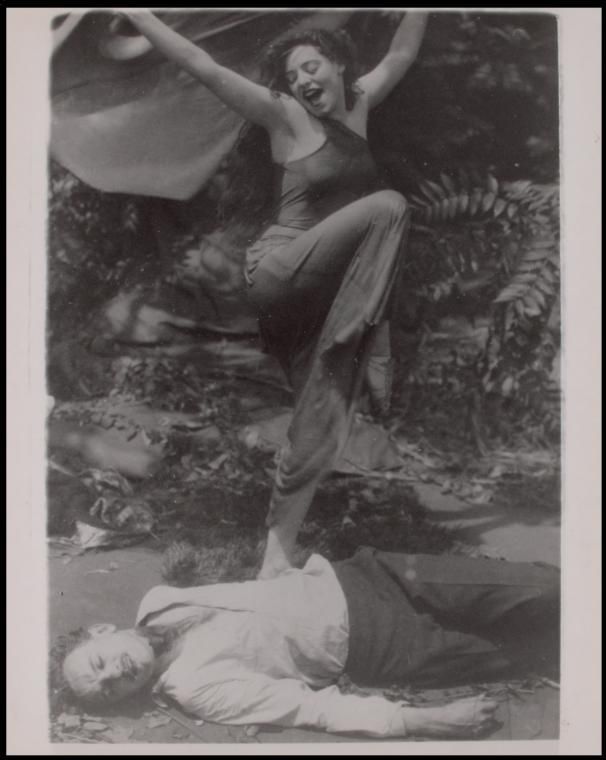
The vampire as a social threat before the screen settled on castles and coffins.
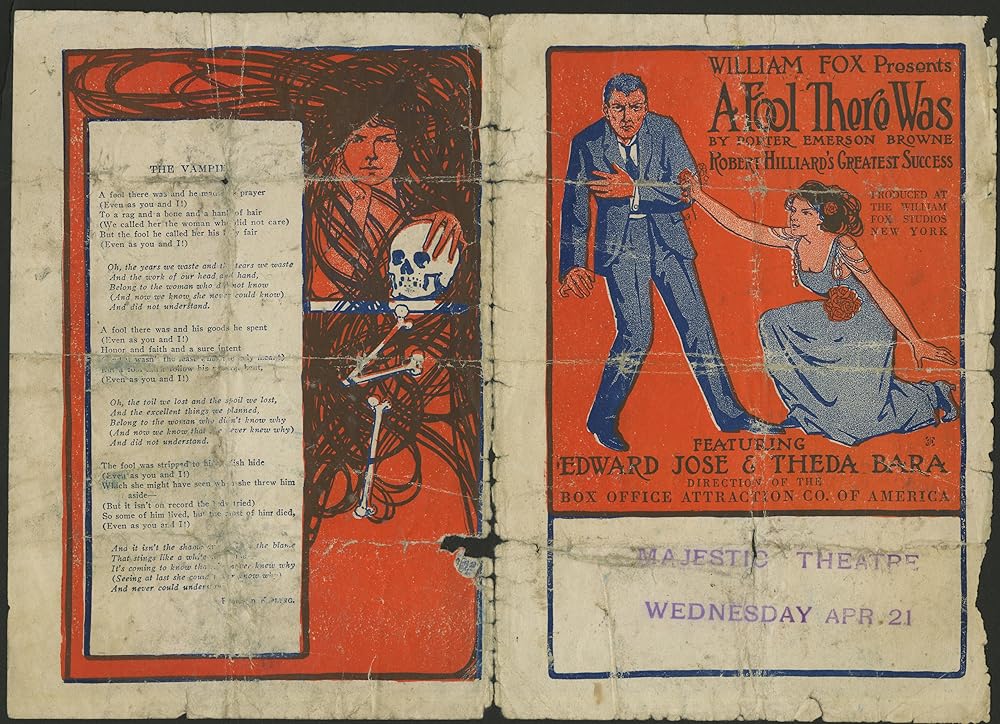
Theda Bara's vamp image turns appetite into poster art.
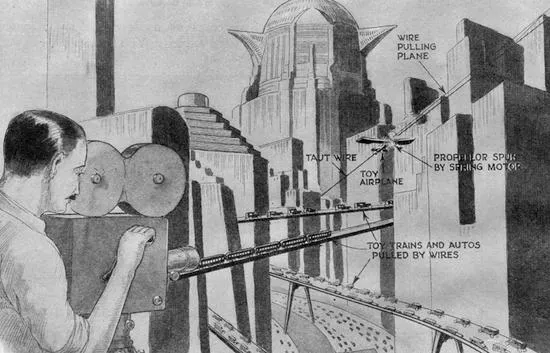
Silent-era spectacle shares the same shadowy laboratory air as the monster cycle to come.