Street Fight
In June 1969, Times Square became the center of the boxing world as Joe Frazier and Jerry Quarry held a sparring session in the heart of Manhattan, drawing massive crowds and setting the stage for their upcoming heavyweight title fight.
Excitement grows for the upcoming match
It looks like New Year's Eve in Times Square -- except that the sun is shining and the star attraction is not the new year but rather the men trading puches in the outdoor boxing ring. In preparation for the World Heavyweight title fight between Joe Frazier and Jerry Quarry, sparring practice took place in a temporary ring in the center of Times Square. The sessions took place on and around June 16th, drawing large crowds of on-lookers enjoying the spectacle outdoors in the warm NYC Spring weather.
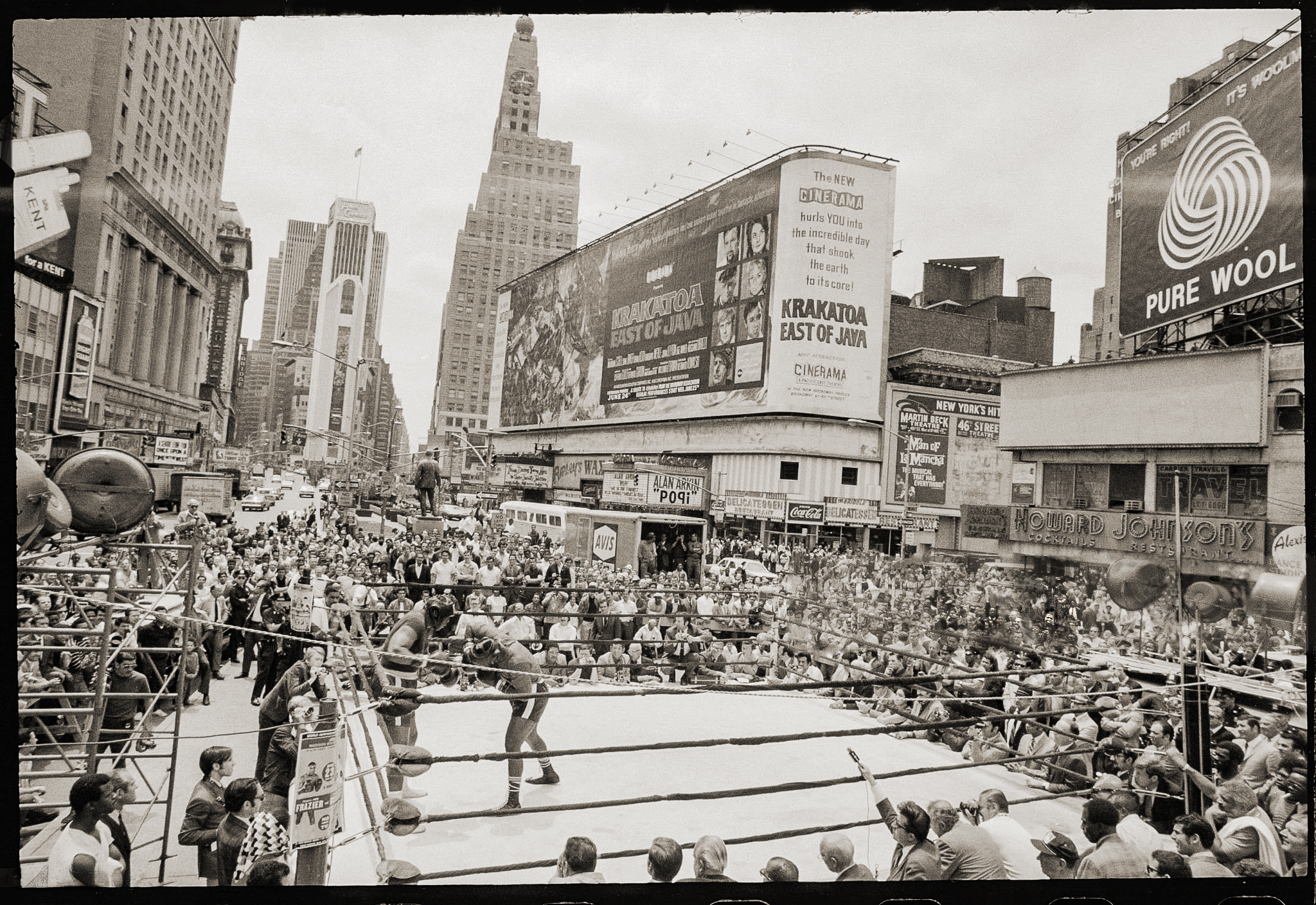
Massive crowds gathered to watch both fighters: Smokin' Joe Frazier, the current holder of the title belt, and Jerry Quarry who was challenging him to become the new heavyweight champion of the world. As the open-air sparring session took place, anticipation grew for the upcoming bout. Office workers on lunch break, tourists, and lifelong boxing fans mingled together, drawn by the rare chance to see a world-class athlete up close. The sounds of traffic, street vendors, and excited chatter blended with the rhythmic thuds of gloves hitting pads.
The session proved to be more than just a boxing exhibition; it was a celebration of New York’s unique energy. Onlookers cheered and shouted encouragement, creating an electric atmosphere that echoed through the streets. The event was a testament to the city’s love for boxing and its ability to transform even the busiest intersections into a stage for extraordinary moments.
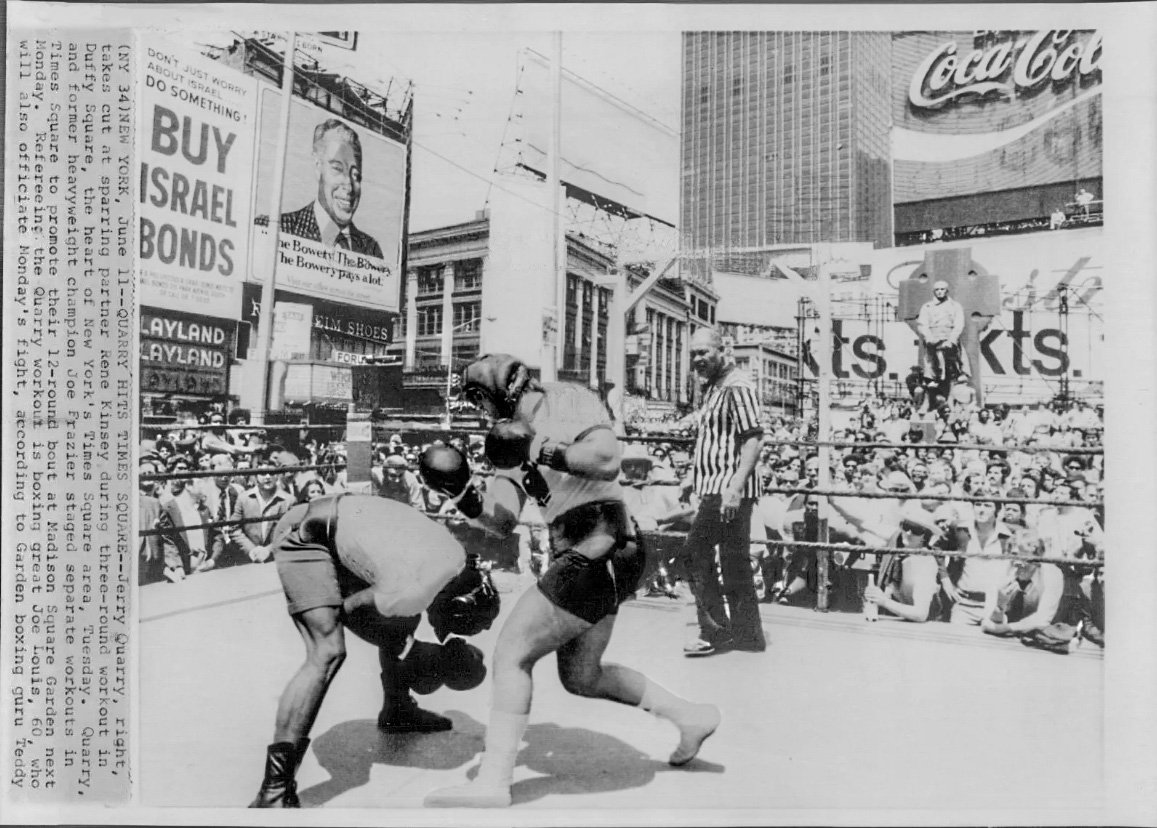
The event drew crowds who wanted to witness the power and technique that made Frazier a champion. His training style was as intense as his fighting, with each session demonstrating the relentless pressure he would bring to the ring.
For many, the sparring session was a reminder of Times Square’s role as a stage for both everyday life and extraordinary moments. The juxtaposition of athletic prowess and urban hustle captured the spirit of the city in 1969—a place where anything could happen, and often did, right in the heart of Manhattan.
Posters, Promotion, and City Buzz
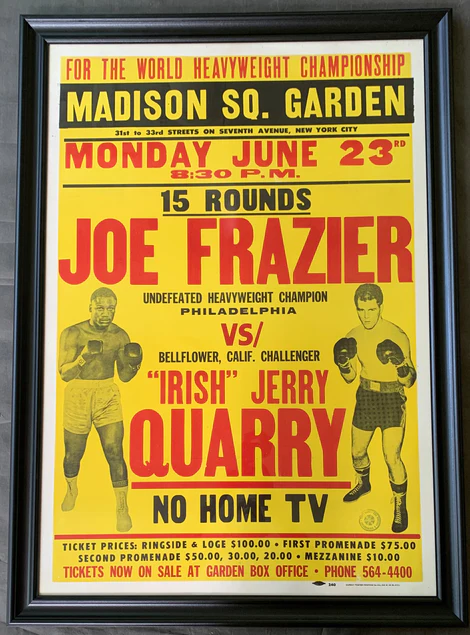
The promotional campaign not only highlighted the fighters' reputations—Joe Frazier's relentless power and Jerry Quarry's gritty determination—but also captured the raw energy of New York City in the late 1960s. The striking classic poster design 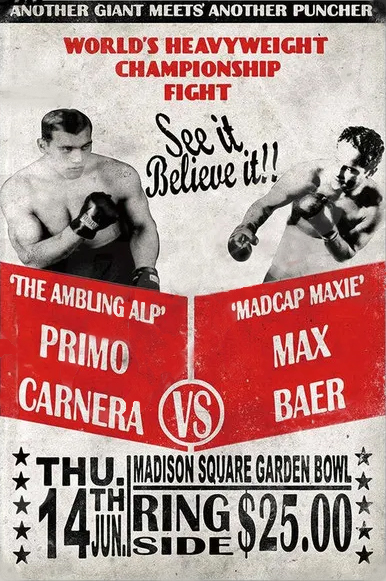
These posters are now cherished memorabilia, evoking the golden era of heavyweight boxing and the electric atmosphere that surrounded this legendary showdown. and their prominent placement helped cement the bout as one of the most anticipated sporting events of the year.
These posters are now cherished memorabilia, evoking the golden era of heavyweight boxing and the electric atmosphere that surrounded this legendary showdown.
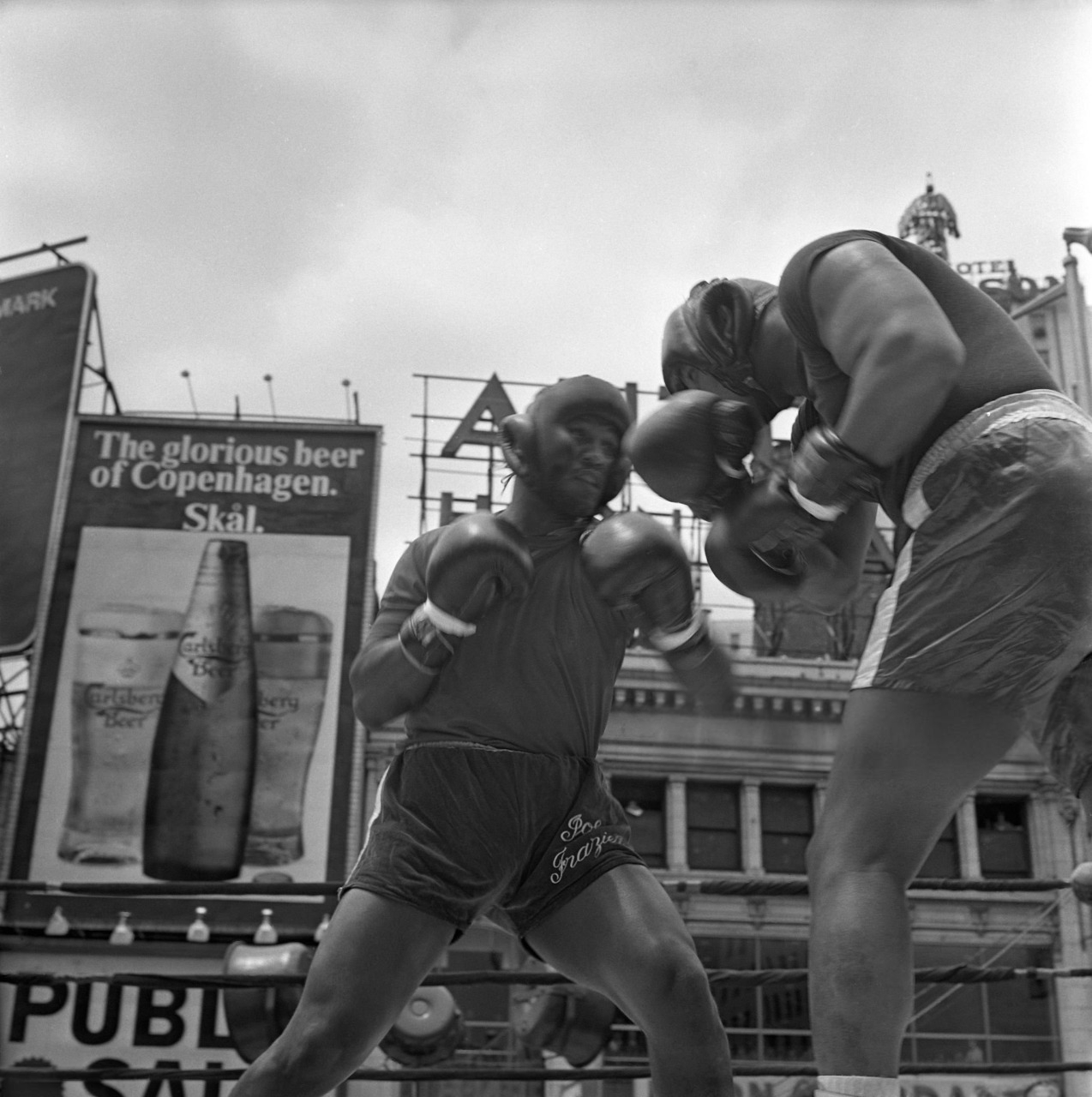
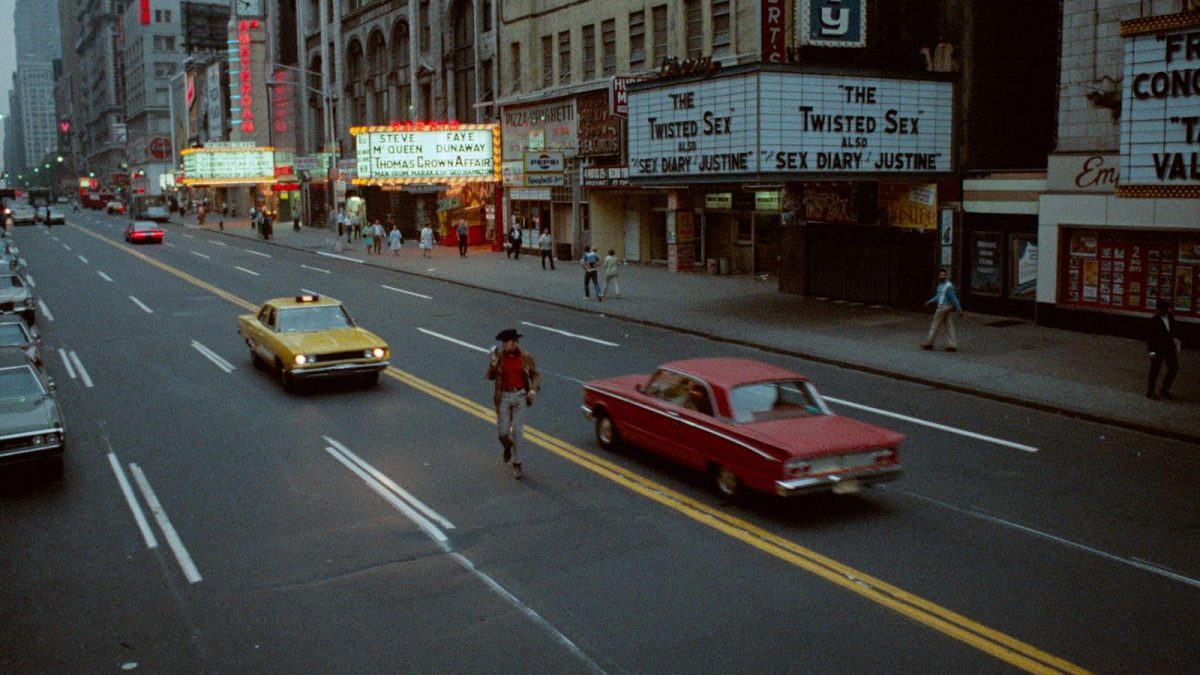
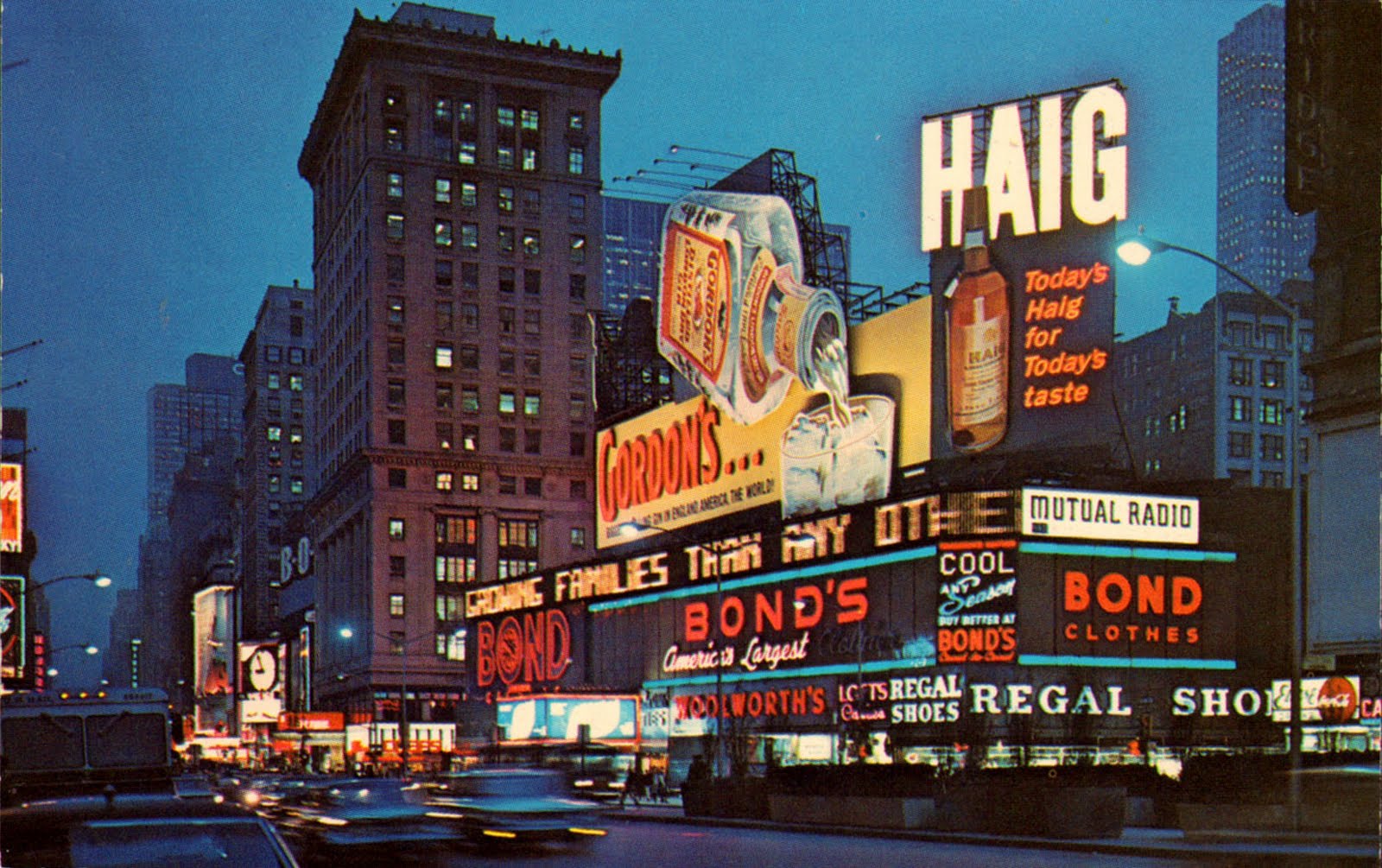
Times Square in 1969 was a crossroads of culture, commerce, and entertainment. The dazzling neon marquees advertised everything from Broadway shows to all-night diners, while the streets bustled with a mix of locals, tourists, and street performers. Theaters showed both first-run films and grindhouse features, and legendary venues like the Peppermint Lounge and jazz clubs kept the nightlife alive until dawn.
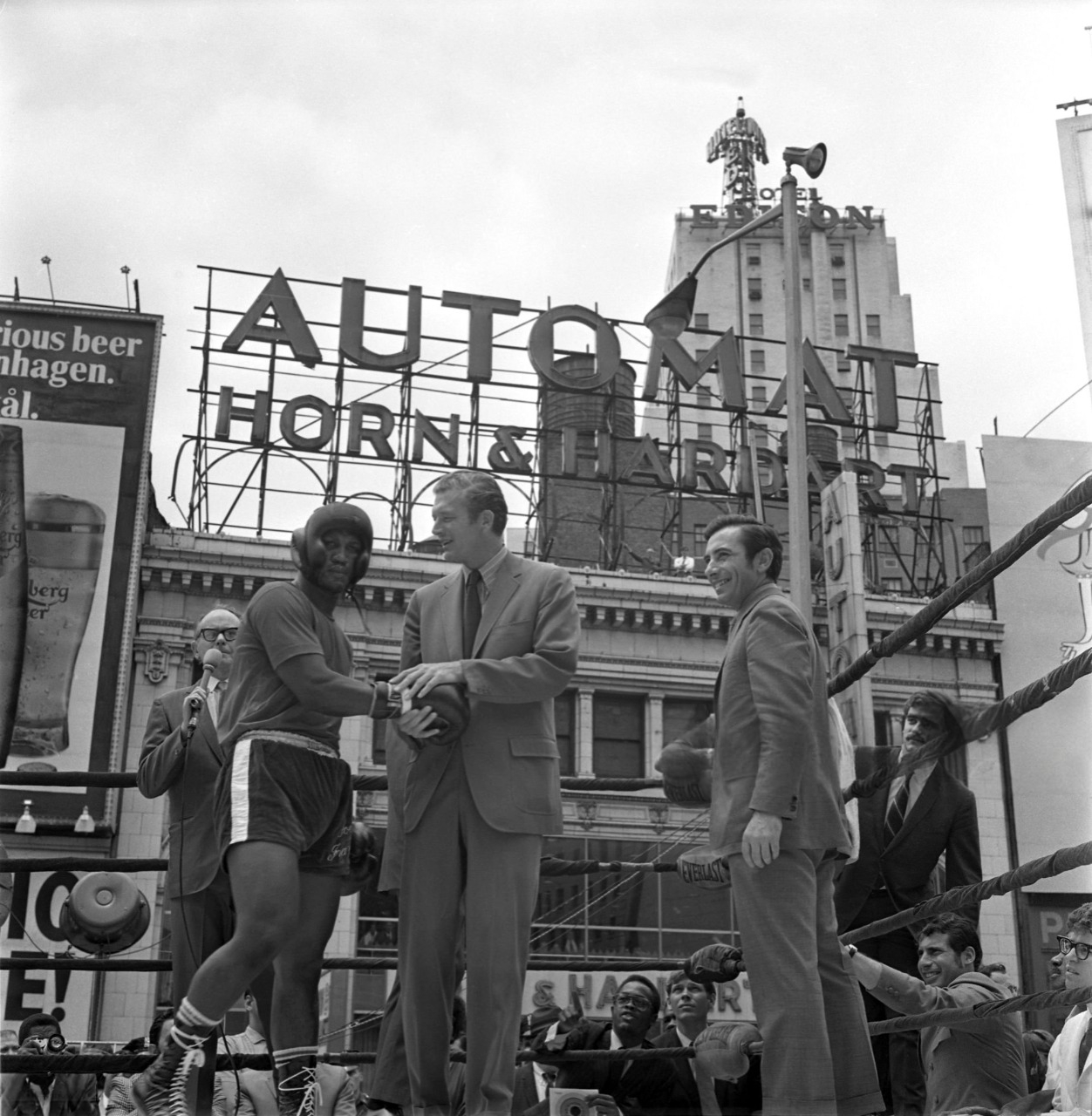
The boxing event brought together people from all walks of life, reflecting the diversity and energy of the city itself. Office workers on break mingled with boxing fans, while curious tourists snapped photos of the action and the iconic surroundings. The spectacle of a boxing ring set up in the middle of Times Square, framed by the glowing lights and historic architecture, created a scene that was both uniquely New York and emblematic of the era’s exuberance.
This convergence of sport, celebrity, and city life highlighted Times Square’s role as a stage for unforgettable moments—where the ordinary could become extraordinary, and where history was made in the heart of Manhattan.
Joe Frazier's Brief But Soulful Foray into Music
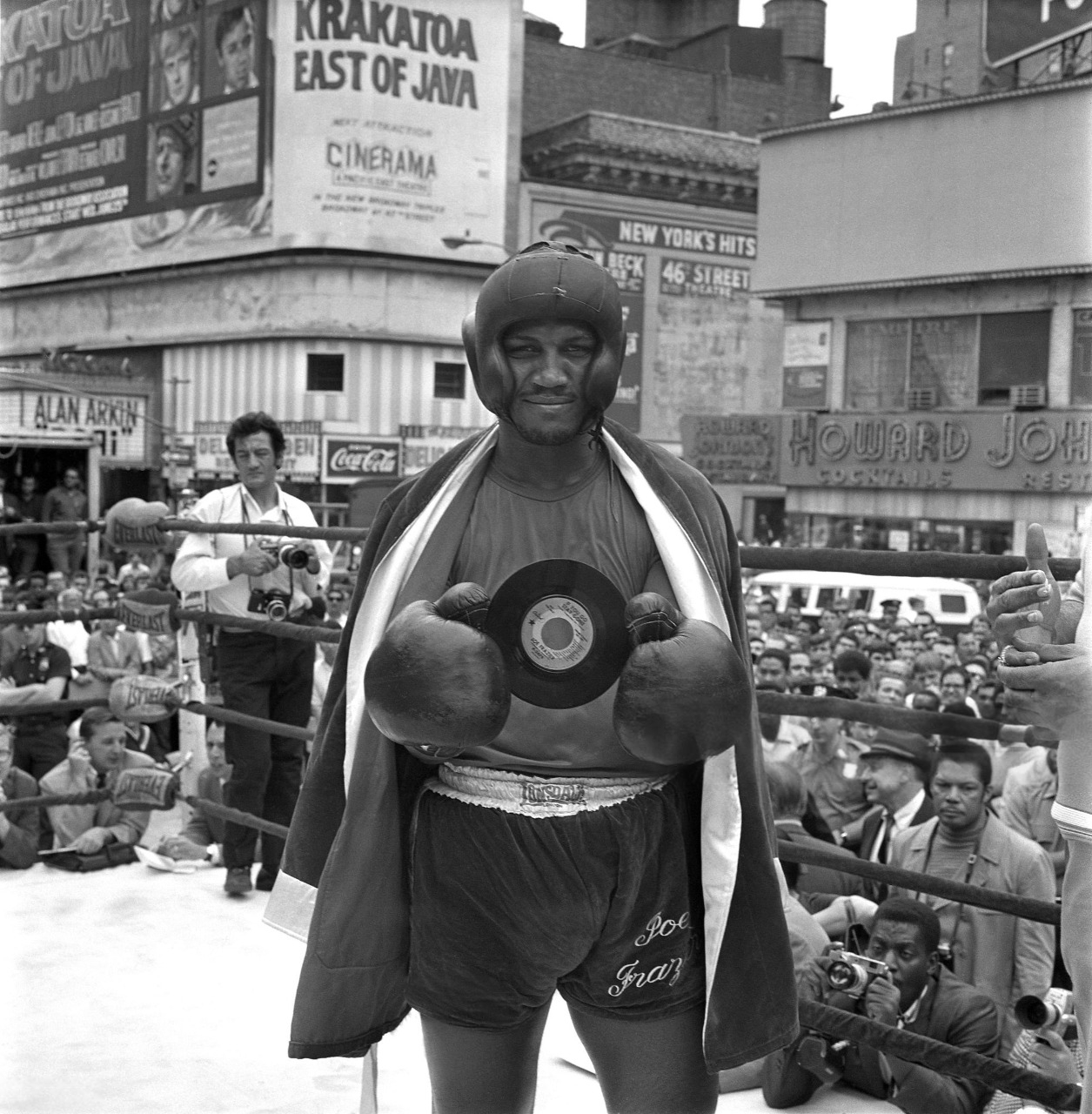
Frazier, known for his relentless fighting style and powerful left hook, surprised many fans by stepping into the recording studio. His musical endeavor was not an uncommon move for popular athletes of the era, who often explored other avenues of entertainment to expand their public personas beyond sports and connect with their fans on a different level.
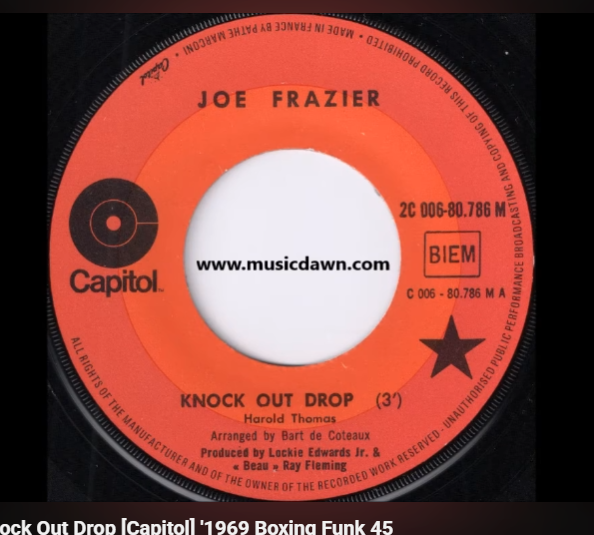
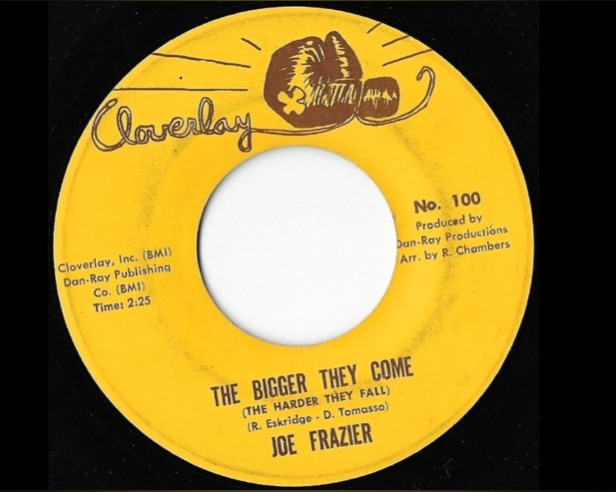
Other songs followed and many are available for listening on YouTube... Knock Out Drop" and "The Bigger They Come (The Harder They Fall)"
The Title Fight at Madison Square Garden
The title fight, a defense of Frazier's World Heavyweight Championship, took place on June 23, 1969 at Madison Square Garden. That location of the fight was MSG's recently opened new (and current) home at Penn PlazaPenn Plaza is the area surrounding Pennsylvania Station in Manhattan, where the current Madison Square Garden was built above the train station in 1968. -- having recently moved from farther uptown at Eighth Avenue and 50th Street.
Named "Fight of the Year" by Ring Magazine, Joe Frazier won by TKO (Technical Knockout) in the 7th round.Referee Arthur Mercante stopped the fight after the 7th round due to a severe cut over Quarry's eye.
While Quarry was the aggressor in the early rounds, his opponent soon took control. Frazier's relentless attack, including quick jabs, hooks, and uppercuts, led to the cut under Quarry's eye, which bled heavily starting in the fourth round. Despite Quarry's plea to continue, the ringside doctor and referee deemed the cut too severe. Frazier's victory -- his 24th straight win -- was significant, in that he defended his title but also showcased his resilience and ability to adapt during a fight.
An interesting undercard at the event featured George Foreman making his professional debut. Foreman, who would later become a two-time heavyweight champion, won his match against Donald Walheim by TKO in the first round. And of course Frazier and Foreman would face each other several times in the upcoming years.
Related Stories
The Scene: Times Square Flavor
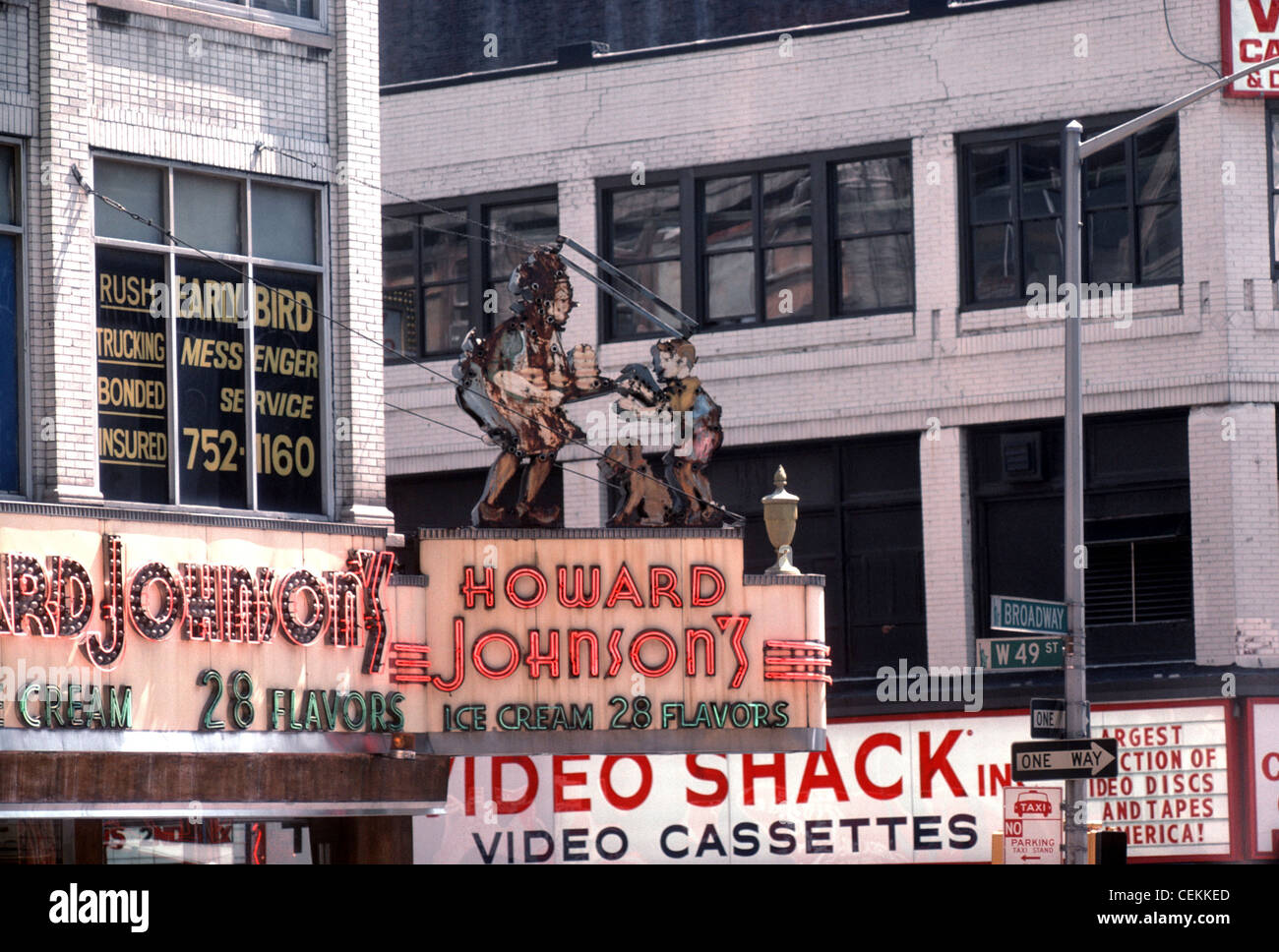
Times Square in the late '60s was a completely different animal - gritty, seedy, and absolutely electric with a raw energy that today's sanitized version can't touch. The area was packed with peep shows, adult theaters, massage parlors, and dive bars, creating this wild adult playground that attracted everyone from sailors on leave to hustlers, artists, and night owls looking for action.
You had legendary venues like the Peppermint Lounge where the twist was born, plus countless jazz clubs, burlesque houses, and all-night diners where the city's characters would gather after dark. It was dangerous and sketchy for sure, but also magnetic in a way that drew people who wanted to experience the real underbelly of New York - nothing like the family-friendly tourist destination it became after the big cleanup in the '90s.
Jimmy's Corner & Jimmy Glenn
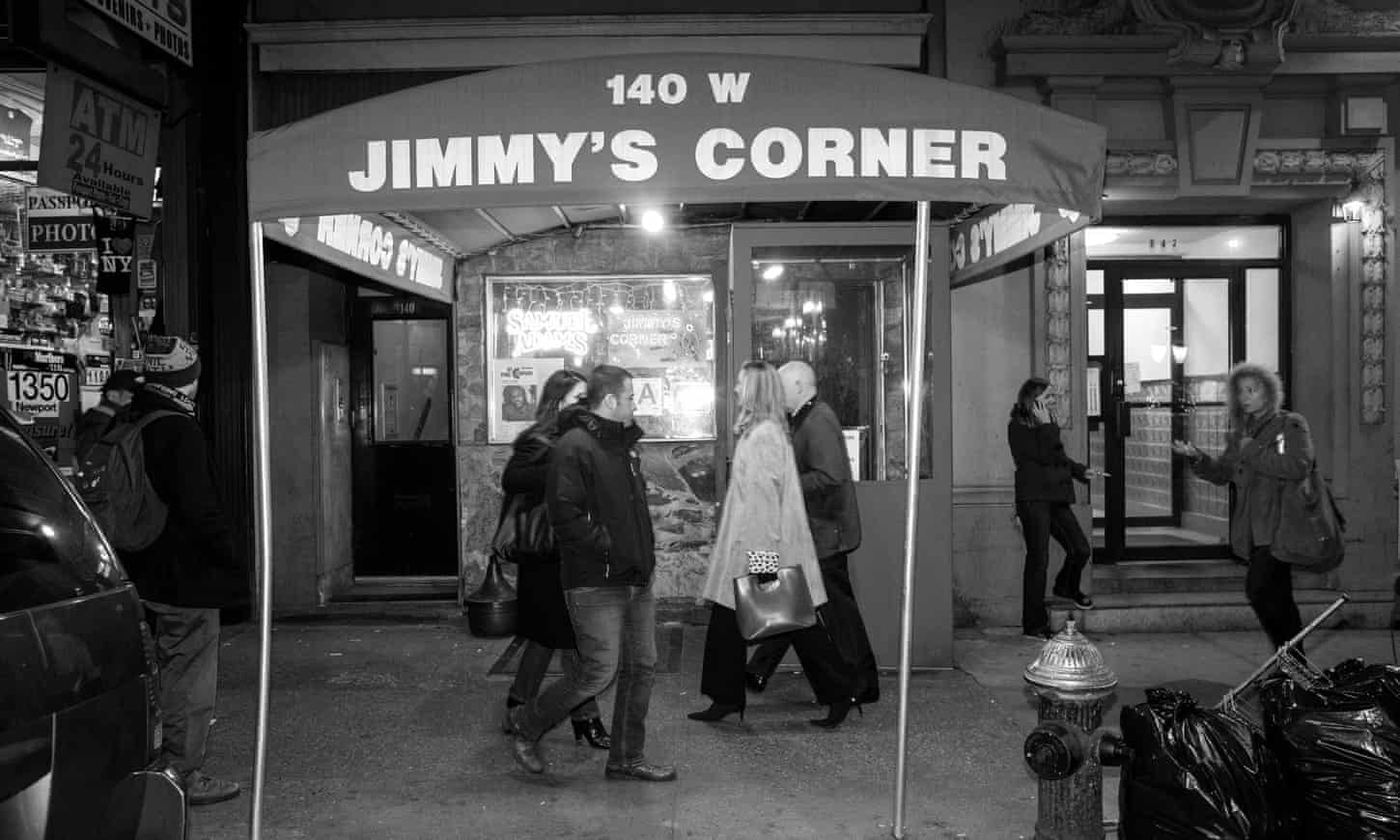
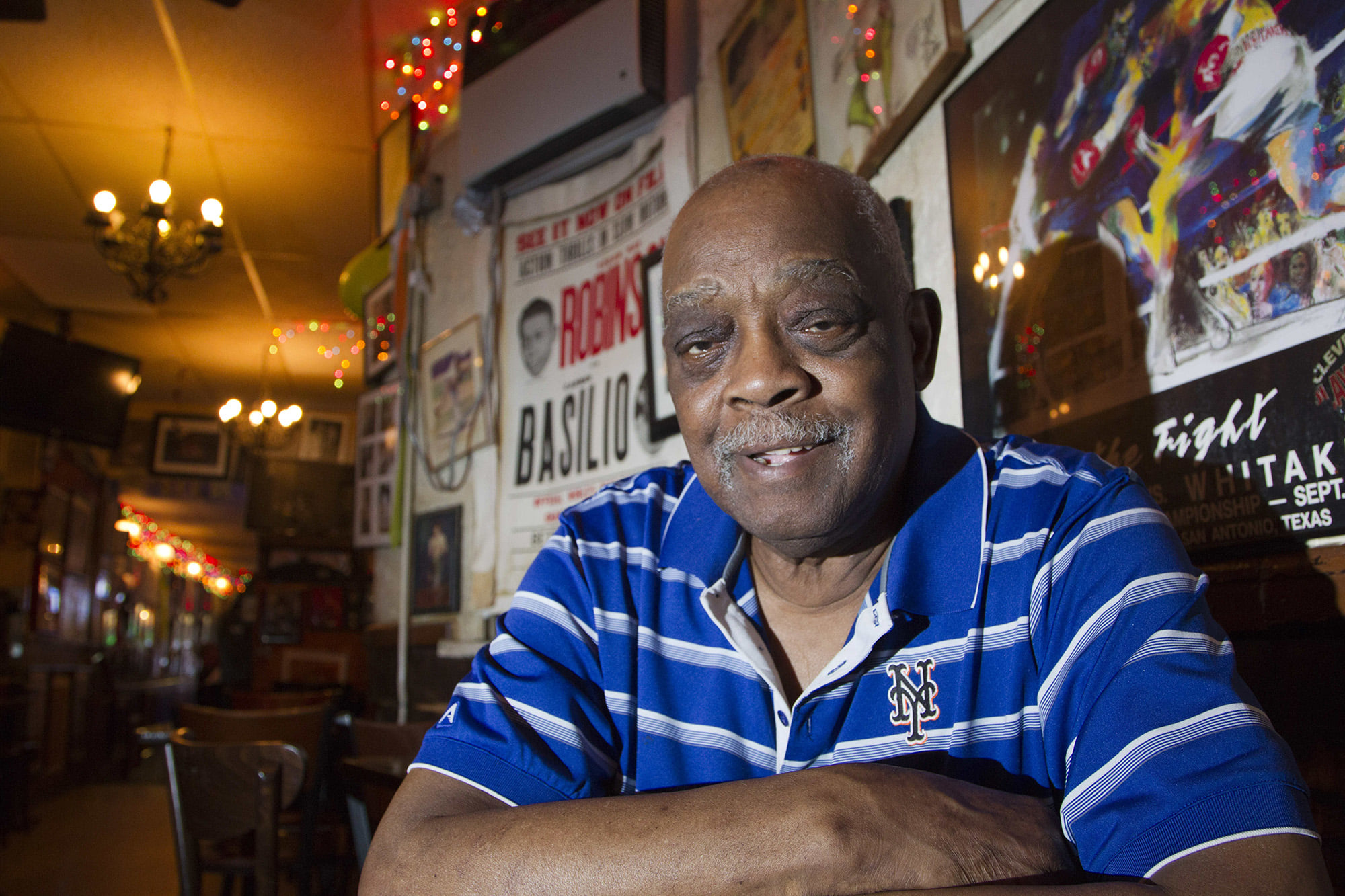
No connection of Boxing and Times Square would be complete without at least a quick mention of Jimmy's Corner. This legendary "no frills" bar feels like stepping back into old-school boxing history, thanks to Jimmy Glenn who opened it back in the '70s after his own career in the sport. The walls are covered with boxing memorabilia, photos, and gloves. It's a refrshing shrine to the "Sweet Science" -- right in the heart of the neon madness.
Jimmy himself was a trainer who worked with some serious fighters, and the bar became this authentic hangout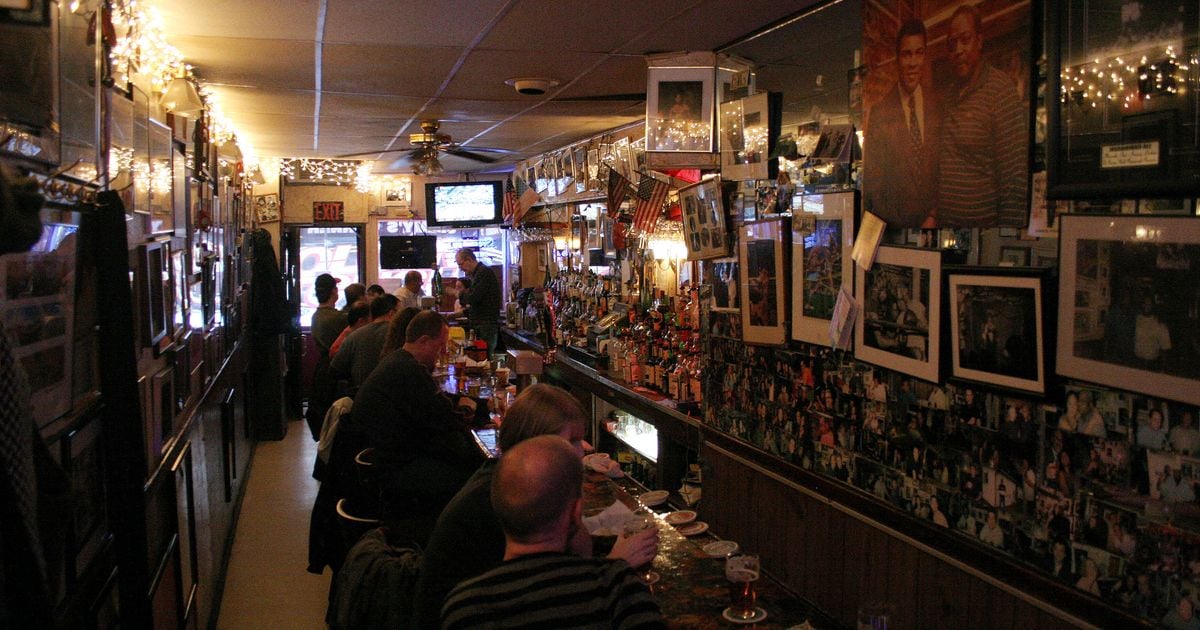
Unlike the tourist-focused establishments that dominate Times Square today, Jimmy's Corner maintained genuine boxing culture and attracted real fighters, trainers, and boxing enthusiasts. spot where boxing people could escape the tourist circus outside and talk about the sport they loved. Naturally it grew a family of fans of its own thanks to a welcoming atmosphere and a long line of hard-working jukeboxes. It remains today one of those rare places in Times Square that actually has soul and history instead of just flashing lights and chain restaurants.
George Foreman Connection
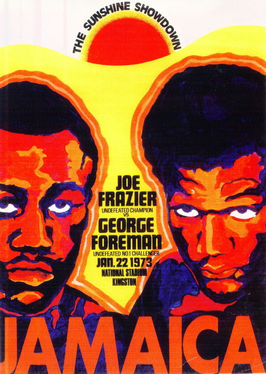
Notably, George Foreman would later face Joe Frazier for the undisputed heavyweight title on January 22, 1973 at National Stadium in Kingston, Jamaica. Foreman's victory was a major upset -- knocking him down six times in just two rounds to become the new champion. Ultimatley defeating Frazier by technical knockout in the second round.
The legendary Howard Cosell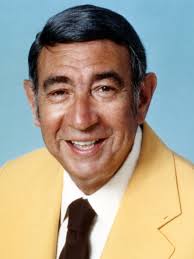
Legendary sports broadcaster known for his distinctive nasal voice and calling boxing's biggest moments. His famous "Down goes Frazier!" call became one of sports broadcasting's most iconic moments. famously exclaimed "Down goes Frazier! Down goes Frazier!" during the telecast.
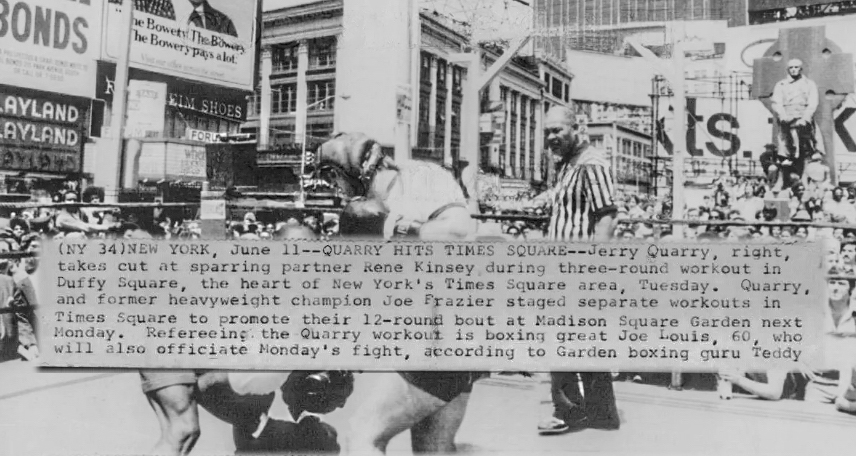
 Read the original NEWSWIRE CAPTION for the photograph
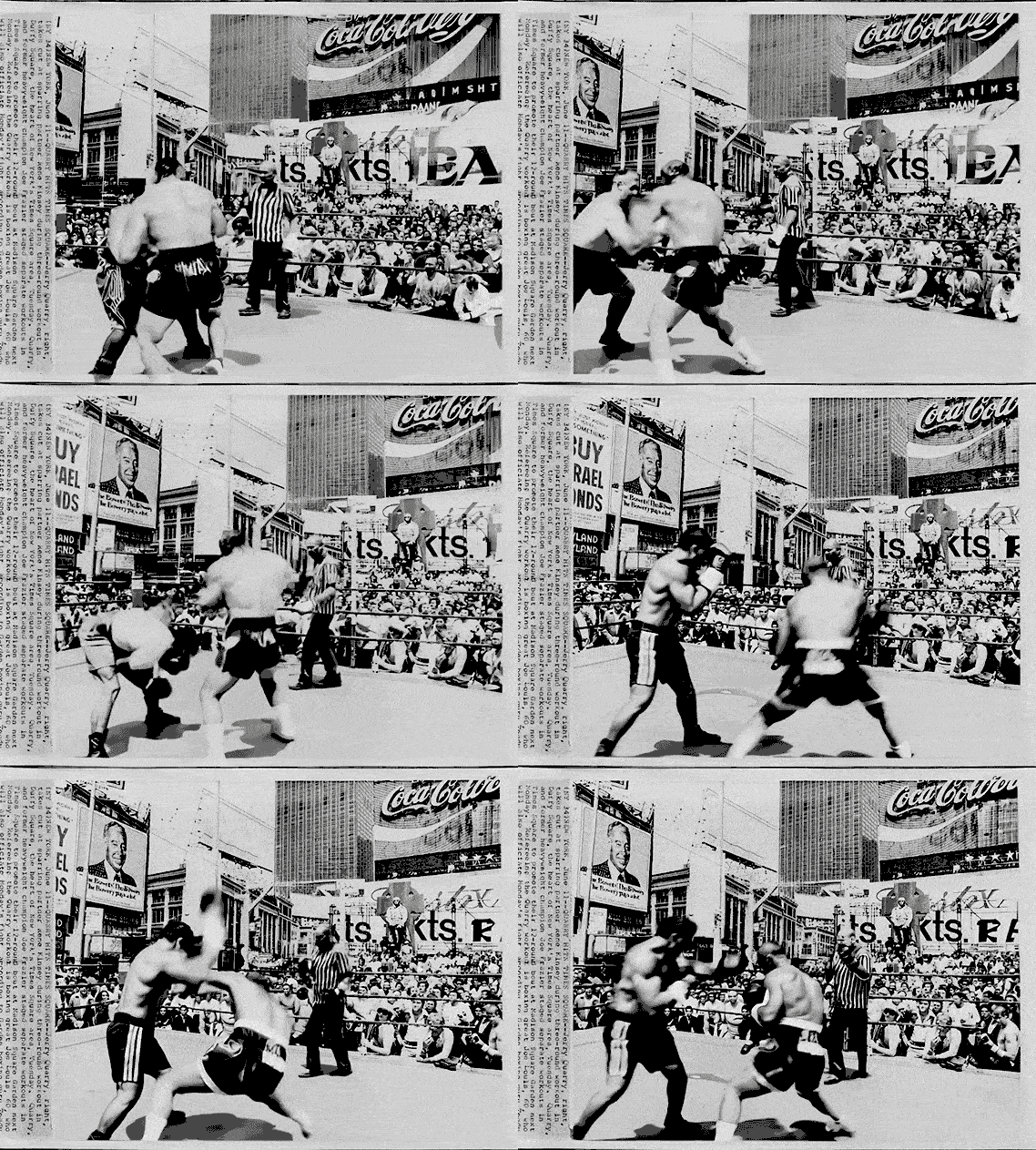
 LIVE ACTION! Creative motion rendering of the original photo