1551 Broadway: From Dance Halls to Digital Billboards
The building at 1551 Broadway, at the northwest corner of Broadway and 46th Street in Times Square, has worn more faces than almost any other address in the district -- restaurant, cafe, taxi-dance hall, diner, burlesque house, and now a three-story glass shell wrapped in LED light.
A Century of Transformation
The distinctive three-story building at 1551 Broadway, at the northwest corner of Broadway and 46th Street, was built in the 1890s. Its stone-clad facade featured arched windows, balconies, and decorative urns across the roofline, making a grand architectural statement. From this vantage point close to the bustle of Longacre Square, this "Hot Corner" consistently drew crowds and activity — a corner that has been home to upscale dining establishments, revolutionary dance halls, iconic chain restaurants, burlesque theaters, and groundbreaking advertising displays.
From elegant restaurants to taxi dance halls, from family dining to adult entertainment, this corner has witnessed over a century of transformation in America's most famous intersection. Each era left its mark on both the physical structure and the cultural memory of Times Square, making 1551 Broadway a microcosm of New York's constant reinvention.
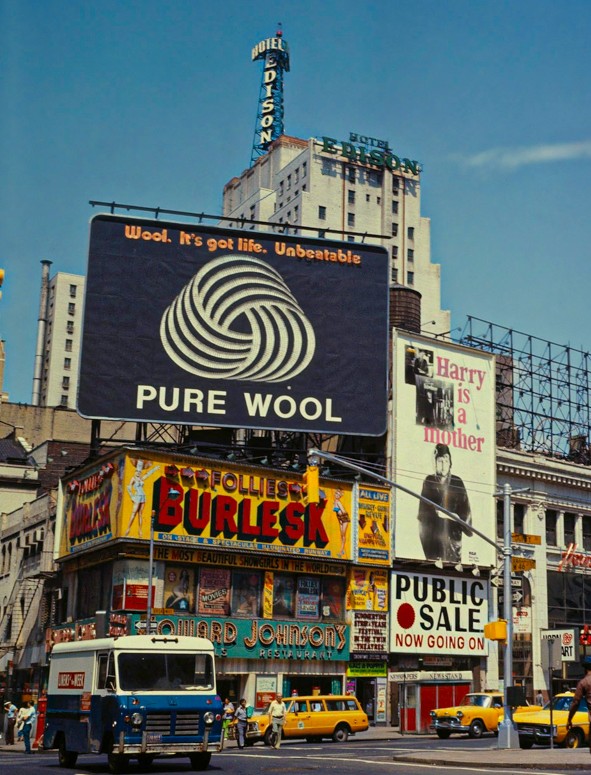
This corner has been home to upscale dining, revolutionary dance halls, an iconic chain restaurant, a burlesque theater, and groundbreaking advertising displays. The story of 1551 Broadway is ultimately the story of New York itself: constant change, creative adaptation, and the endless capacity to reinvent the urban experience.
ERA 1: THE GOLDEN AGE — DINING & THEATER (1890s-1917)
The distinctive three-story building at 1551 Broadway was built in the 1890s. Its stone-clad facade -- arched windows, balconies, and decorative urns along the roofline -- made a grand impression at the northwest corner of Broadway and 46th Street. It would be repurposed again and again as Times Square itself transformed around it.
Churchill's (c.1900-1909)
An early tenant was Churchill's, a notable restaurant and nightclub established by Captain Jim Churchill, a colorful character who had previously worked as a police captain. Despite relocating several times over the years, it became one of Times Square's elegant dining establishments, catering to the Broadway theater crowd with a luxurious interior, a dance floor, and live entertainment -- orchestras and performers that drew celebrities and well-heeled New Yorkers.
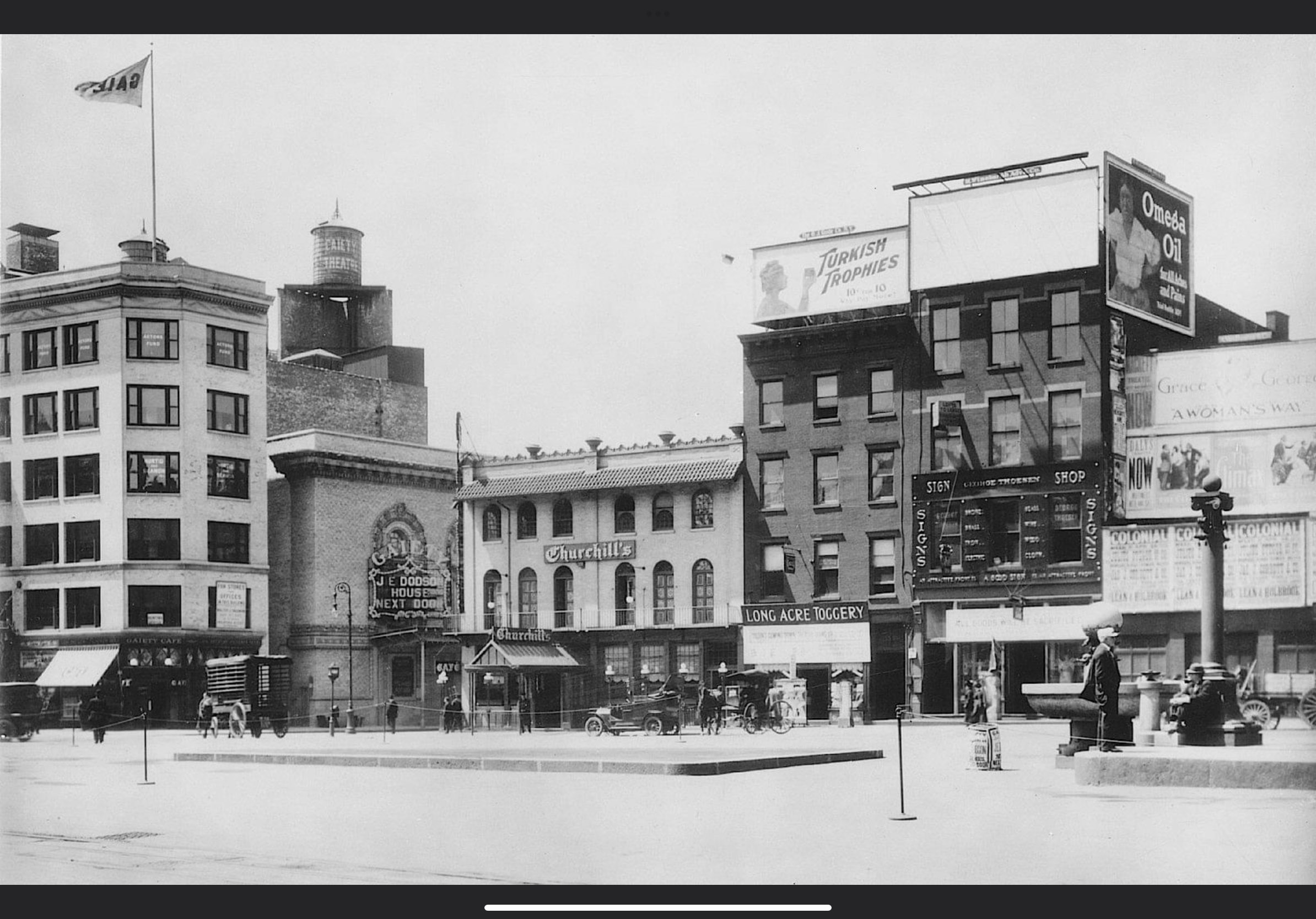
Churchill's was part of what was known as Lobster Palace SocietyThe nickname for the collection of upscale, late-night restaurants and nightspots in early-1900s Times Square where wealthy New Yorkers dined after Broadway shows -- named for the extravagant lobster dishes many of these palaces served. -- the wealthy dining after Broadway shows at establishments like Murray's Roman Gardens, Shanley's, and Rector's Restaurant. It's the Rector family who enter the history of this corner next.
Cafe Madrid (1909-1912)
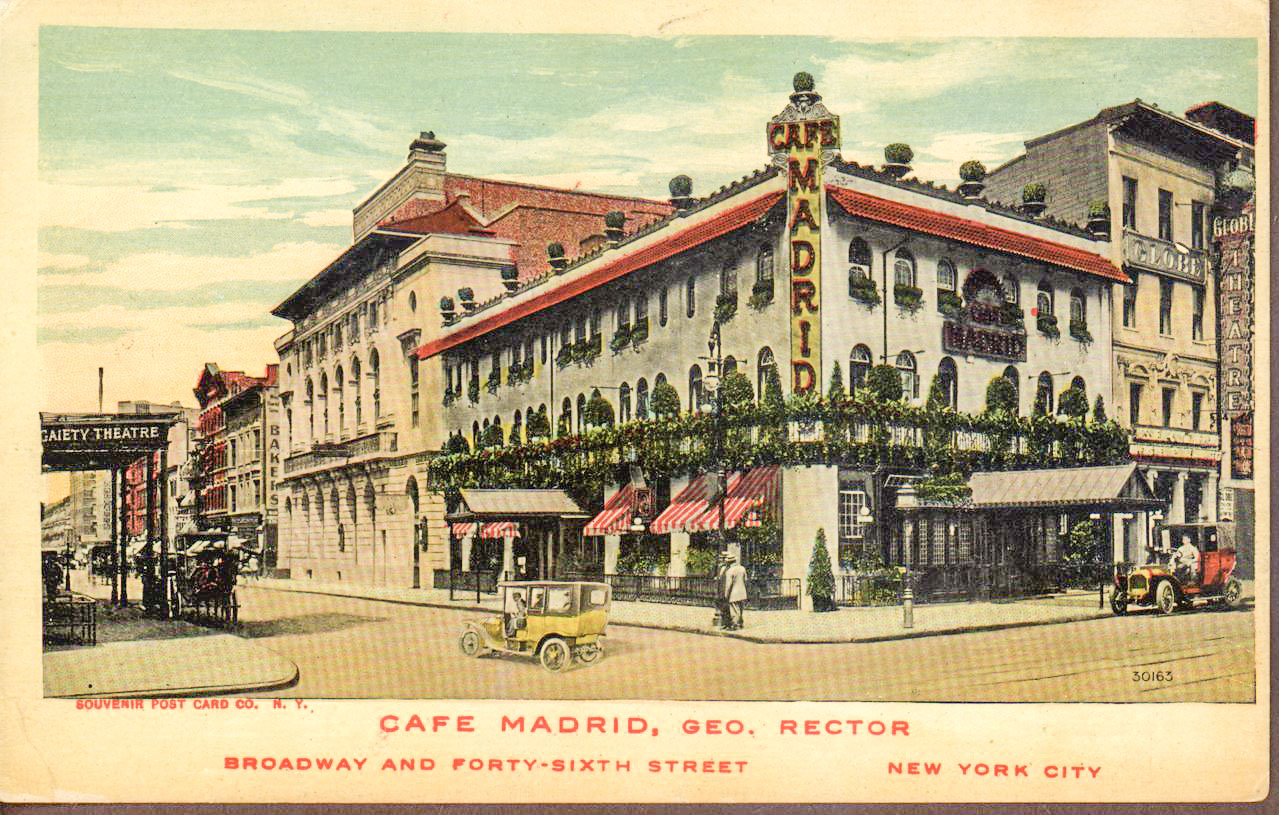
George Rector was the son of another restaurateur and had grown up interested in the family business. However, after marrying a showgirl in 1909, George Rector became estranged from his father and purchased Churchill's at Broadway and 46th Street, renaming it the Café Madrid. This act of independence — marrying beneath his station, in the eyes of his father, and striking out on his own — marked a turning point: Rector was charting his own path, even if it meant breaking with family.
A rare postcard of the café features his name prominently, suggesting his pride in the establishment. The photograph, likely taken in 1909, shows the site just as the neighboring Globe Theatre was beginning construction — a dramatic change for the corner.
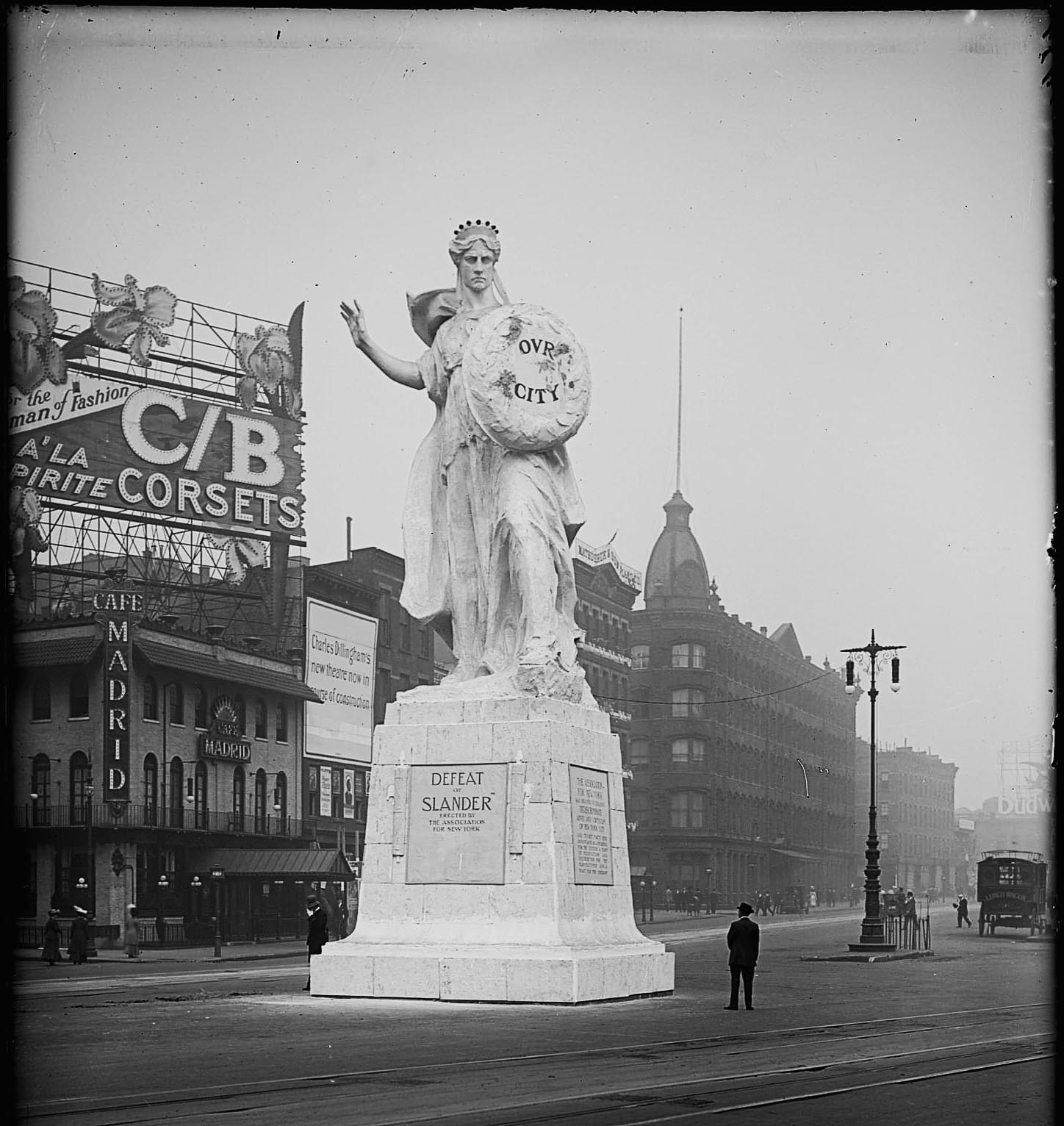
Perhaps not to be outdone by the impressive new Globe Theatre next door, Café Madrid invested significantly in its appearance. In 1911, the establishment added elegant awnings, extensive window-box plantings, and dramatic rooftop shrubbery — transforming the corner into something approaching European grandeur. Large decorative lanterns were hung on chains over the sidewalks below, playing up the exotic nature of the dining experience.
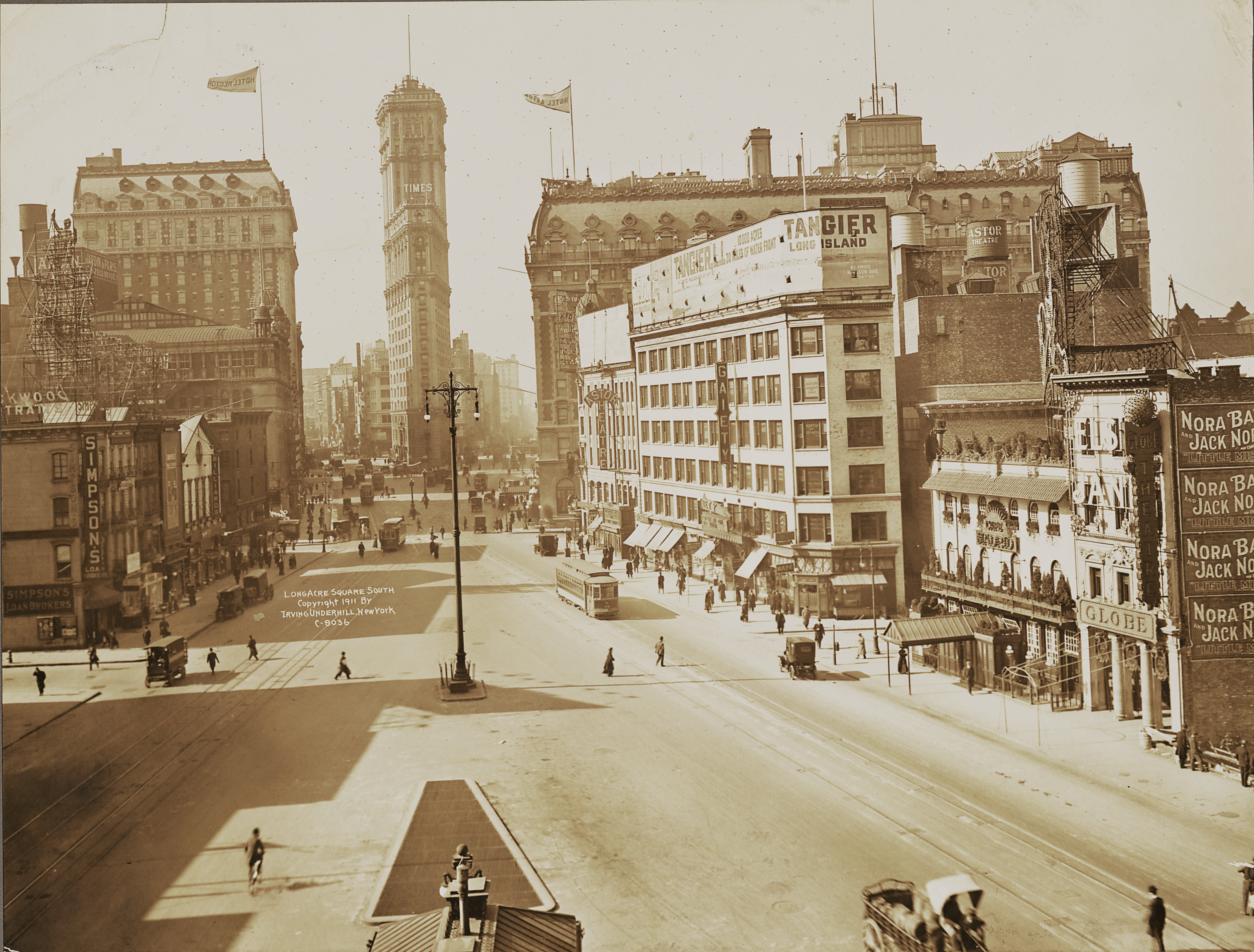
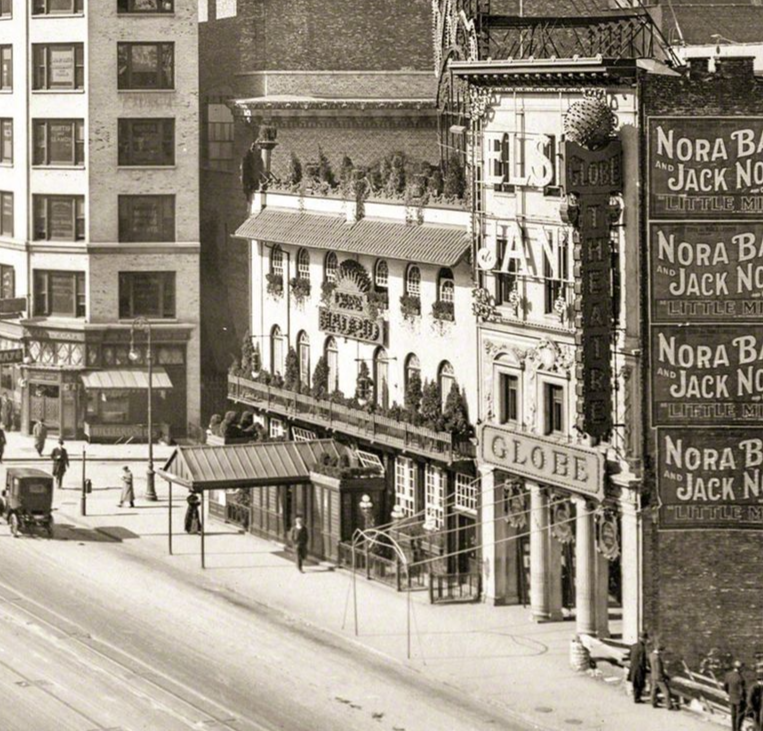
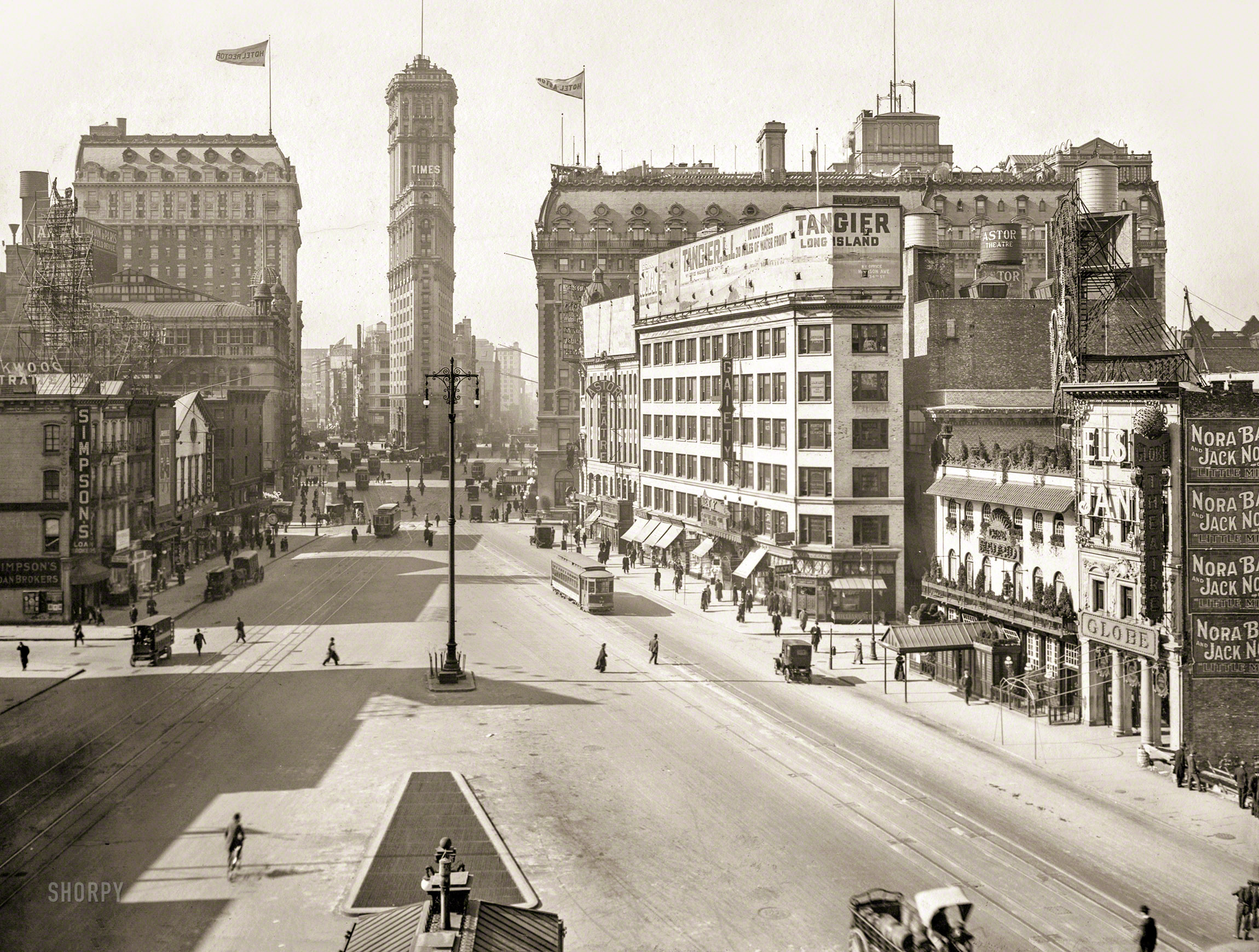
A new neighbor had joined the block on January 10, 1910, when the newly built Globe Theatre opened at 205 West 46th Street. It featured a retractable roof and an additional entrance directly on Broadway, giving it prominent visibility. From this point forward, the corner building became more or less surrounded by the theatre — a relationship that would define the visual landscape for the rest of its existence. The Globe Theatre survives today as a working Broadway house, renamed the Lunt-Fontanne Theatre in 1958.
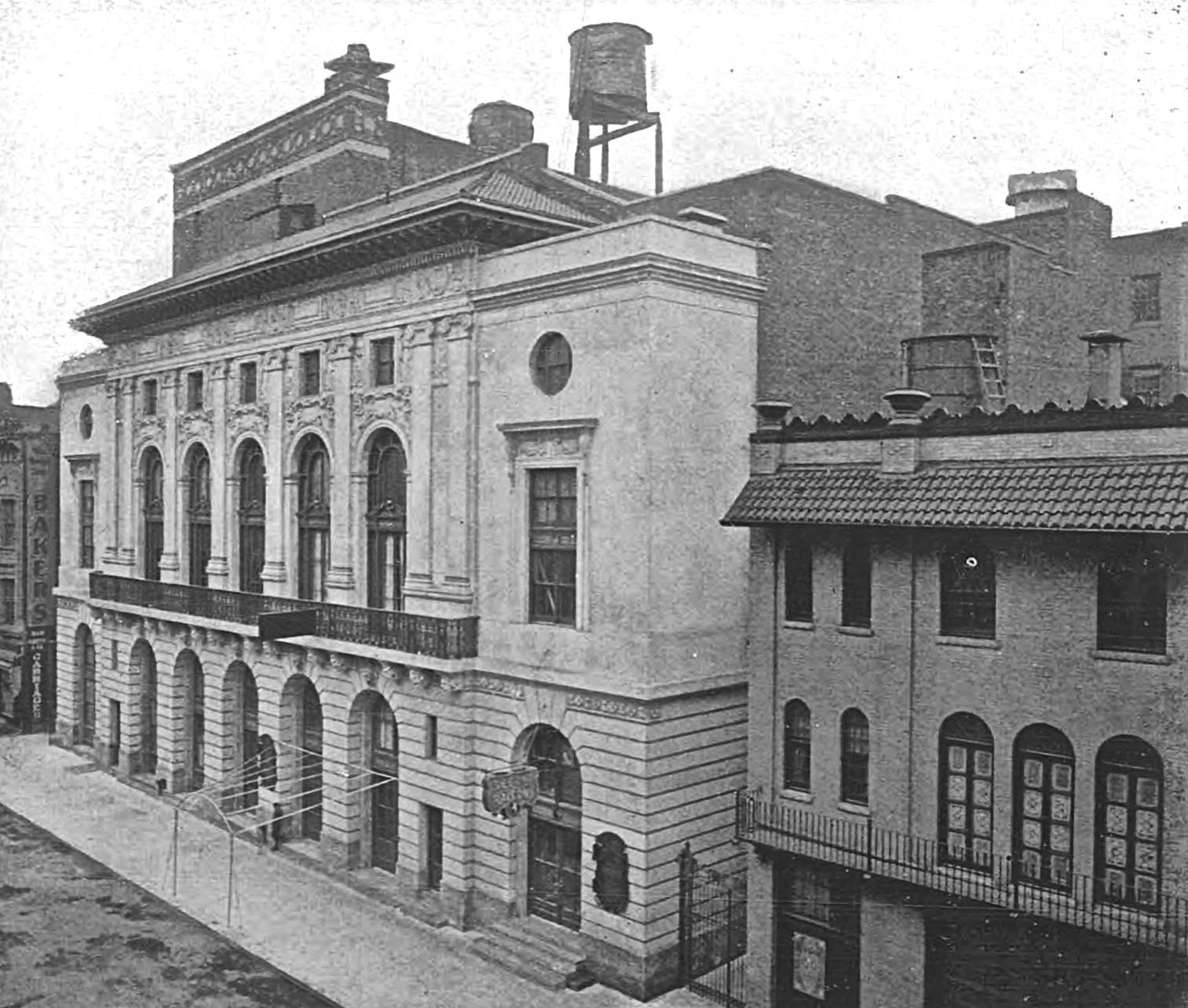
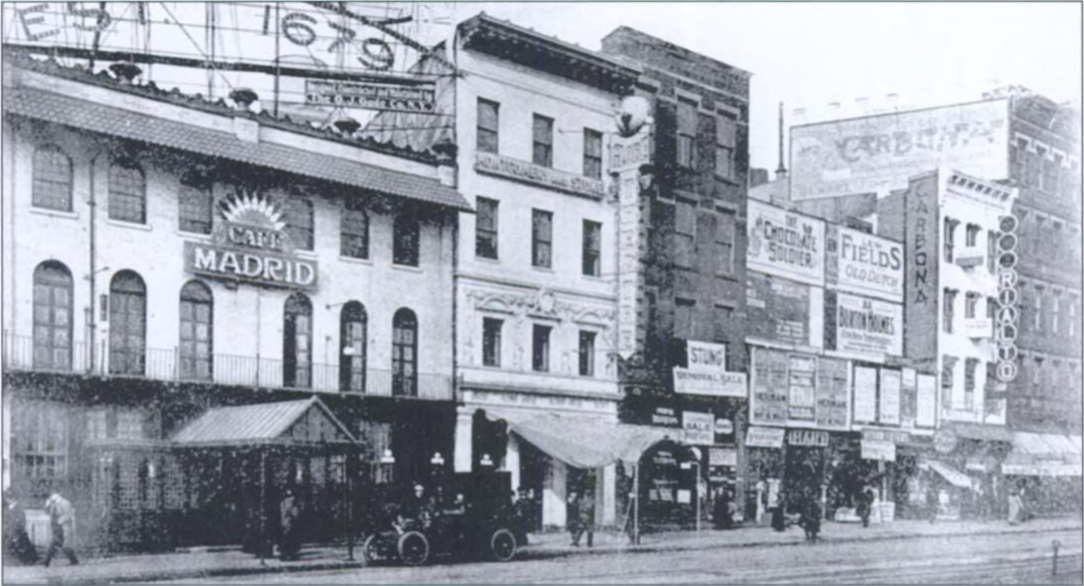
In the spring of 1911, George Rector sold the café and returned to manage the dining room of his family's hotel, clearing the way for the next tenant. Yet his legacy — the spirit of elegant reinvention on this corner — would persist through the decades ahead.
Child's Restaurant (1912-1959)
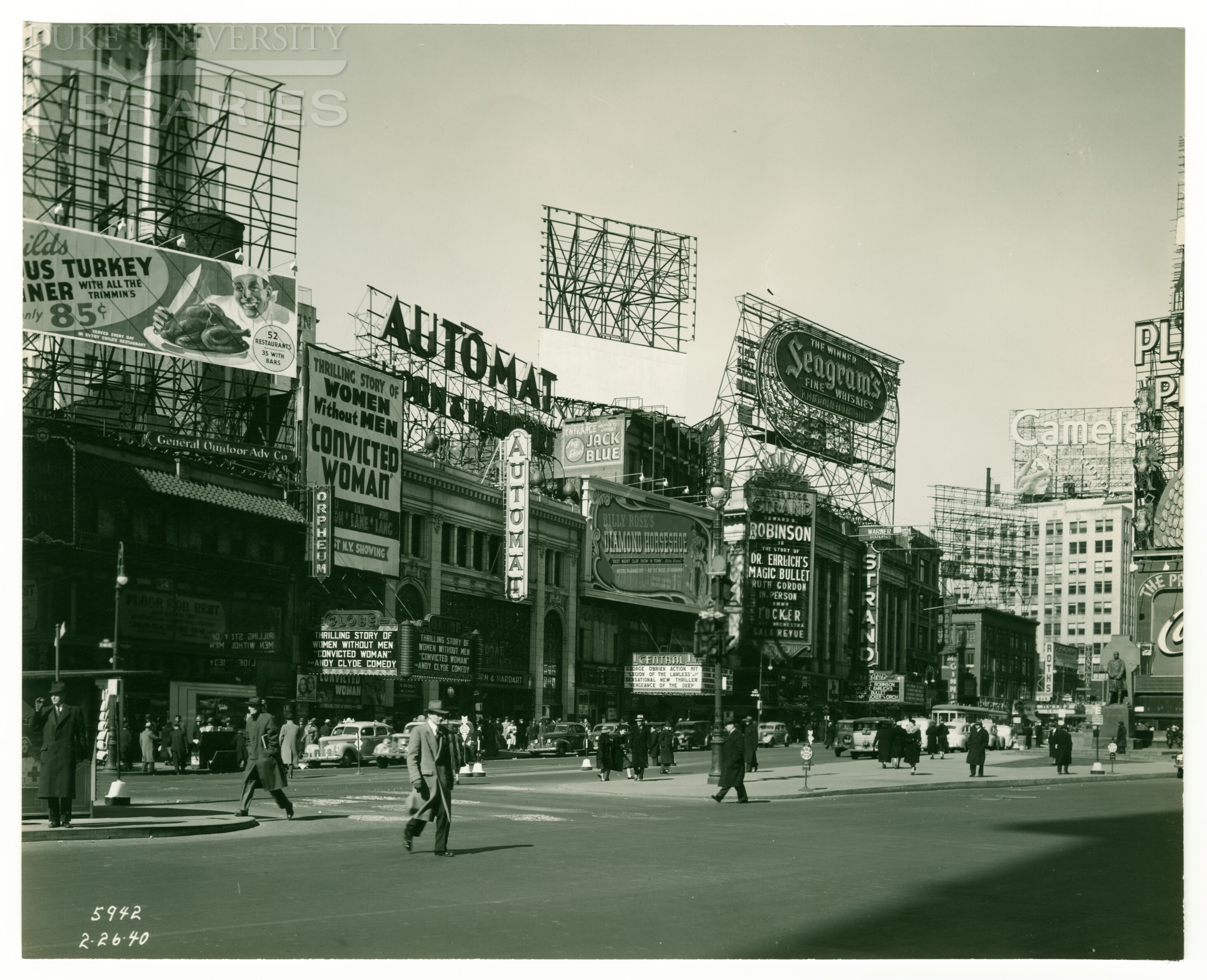
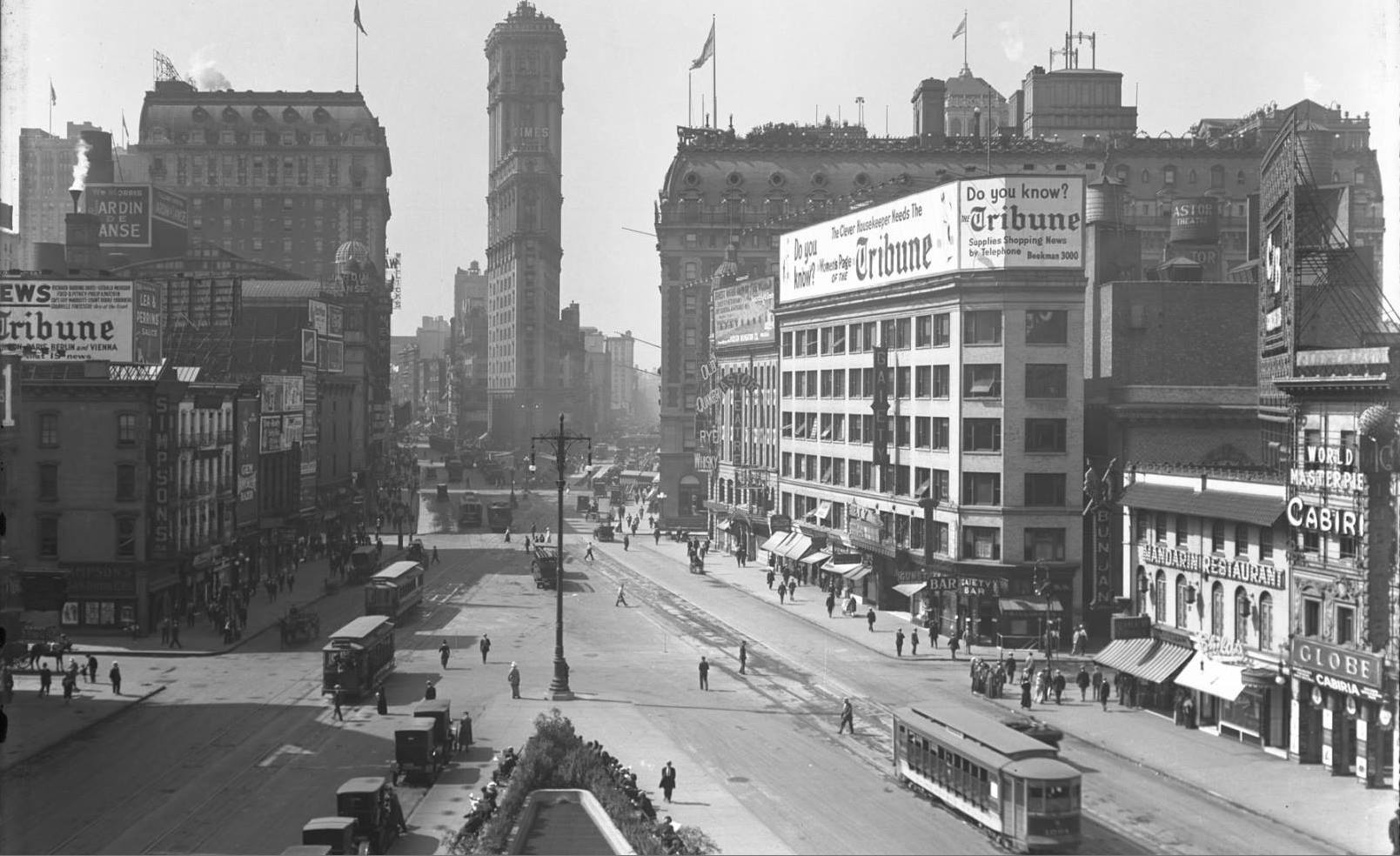
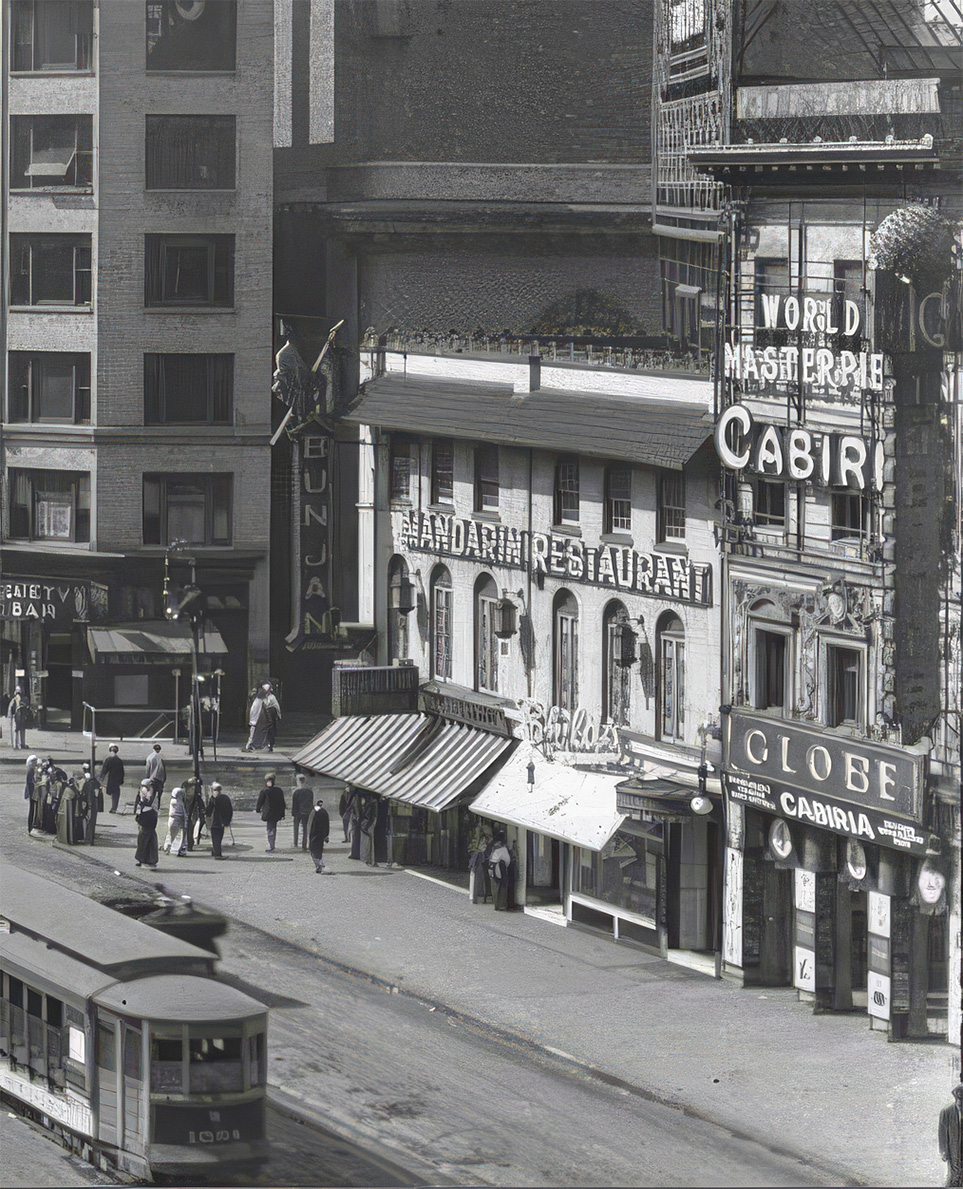
For a short stretch in 1913-14, the second floor above Child's held the Bun Jan Mandarin Restaurant. A 1914 photograph shows the sign still up while "Cabiria" (1914) played next door at the Globe Theatre, 1555 Broadway -- and shows the plantings that once softened Cafe Madrid's balconies already gone.
Horn & Hardart Automat (1912-1915)
Within a year and a half, the reset button hit again. By 1915, the ground floor saw a revolutionary new arrival: the imposing H & H Automat eatery — one of the first of its kind in New York. Started in nearby Philadelphia, the Horn & Hardart company had pioneered an entirely new concept of American dining: coin-operated food dispensers offering affordable, quick meals. This revolutionary dining concept fundamentally changed how Americans thought about fast food, and the Times Square location became a cultural icon.
ERA 2: DANCE & NIGHTLIFE CULTURE (1917-1964)
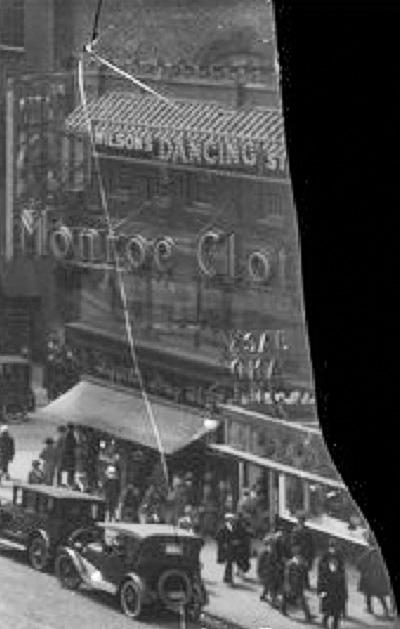
Wilson's Dancing Studio (1917-1932)
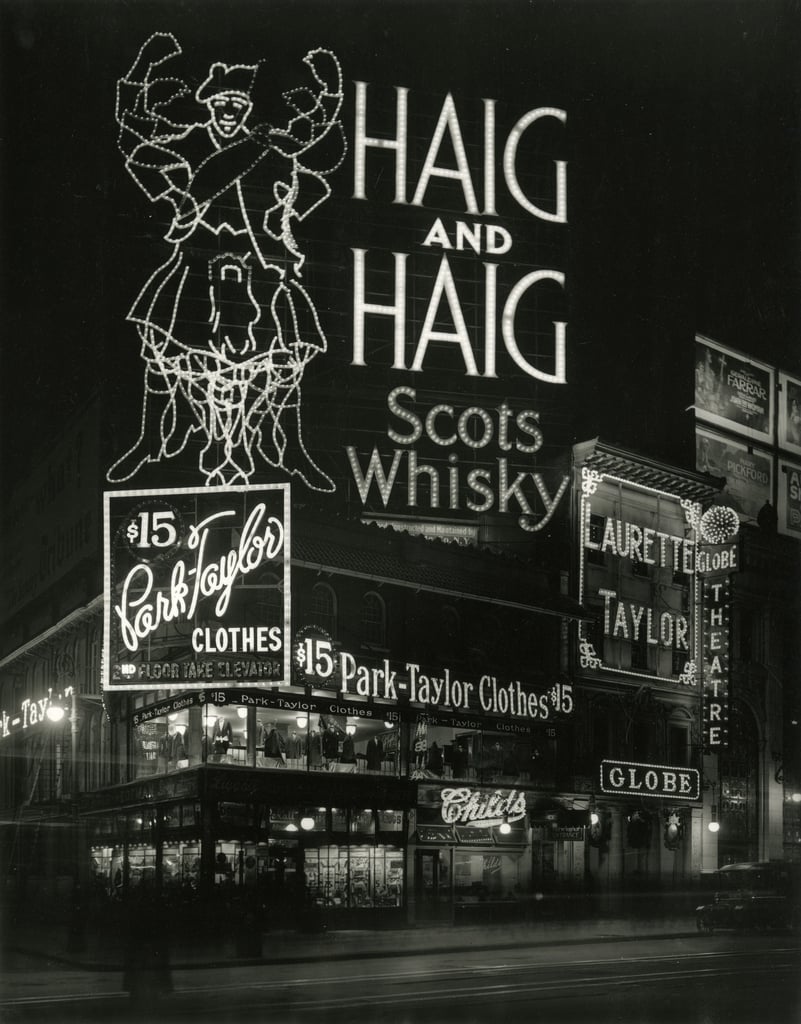
In 1917, the third floor became Wilson's Dancing Studio, a "taxi dance" hall where patrons paid to dance with hostesses. It's remembered today mostly for one encounter: writer Henry MillerThe famous American writer met his future wife, June Edith Smith, at Wilson's Dancing Studio in 1923 -- an encounter that would significantly influence his literary work, including "Tropic of Cancer." met his future wife, June Edith Smith, there in 1923.
Orpheum Dance Palace (1932-1964)
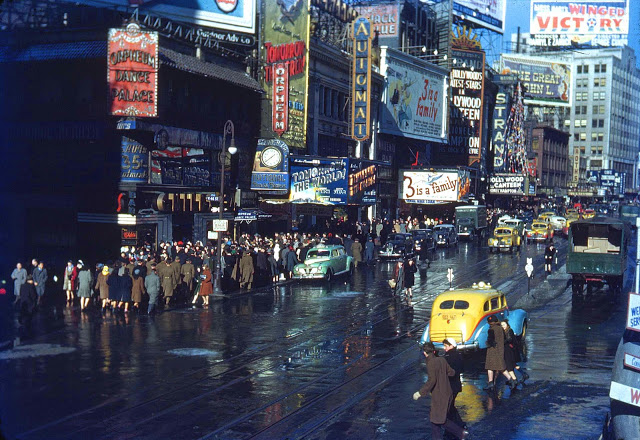
Wilson's Dancing Studio evolved into the Orpheum Dance Palace, which became New York's most famous "dime-a-dance" hall. Operating as a taxi-dance venue for over three decades, it catered to soldiers, sailors, and working men who paid to dance with hostesses. By the 1960s its reputation had declined along with the neighborhood's, and it closed in March 1964 — ending over 45 years of dance-hall culture at this one address.
ERA 3: MOVING PICTURES & WARTIME CHANGES (1935-1957)
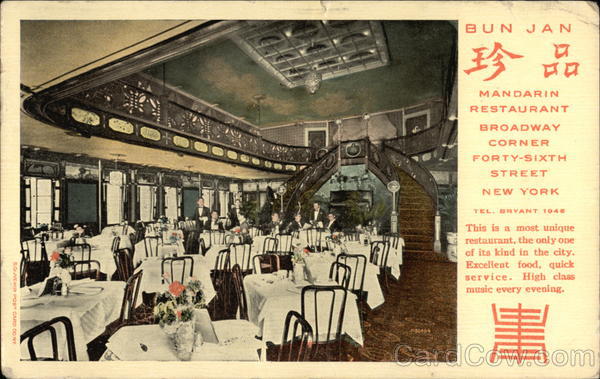
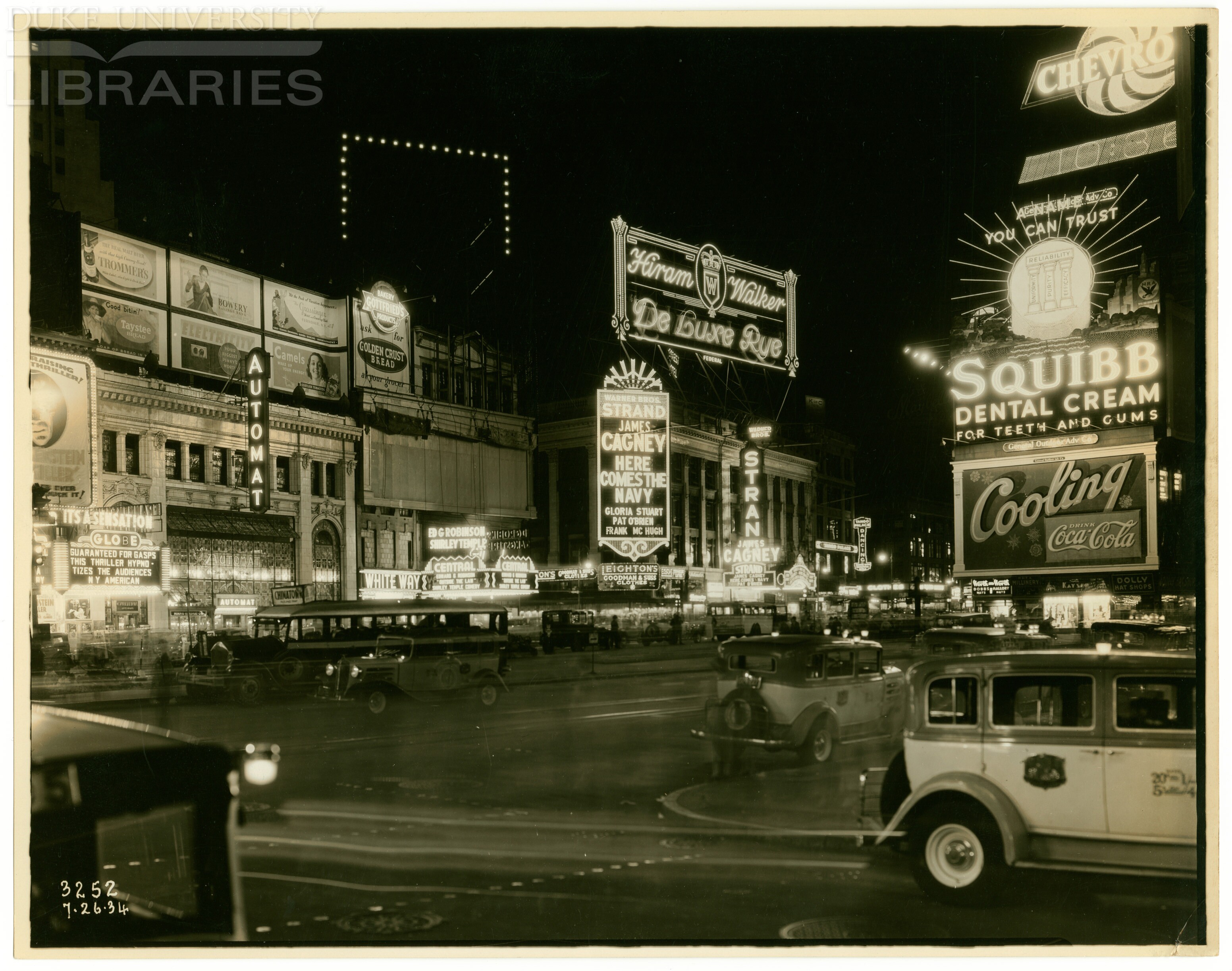
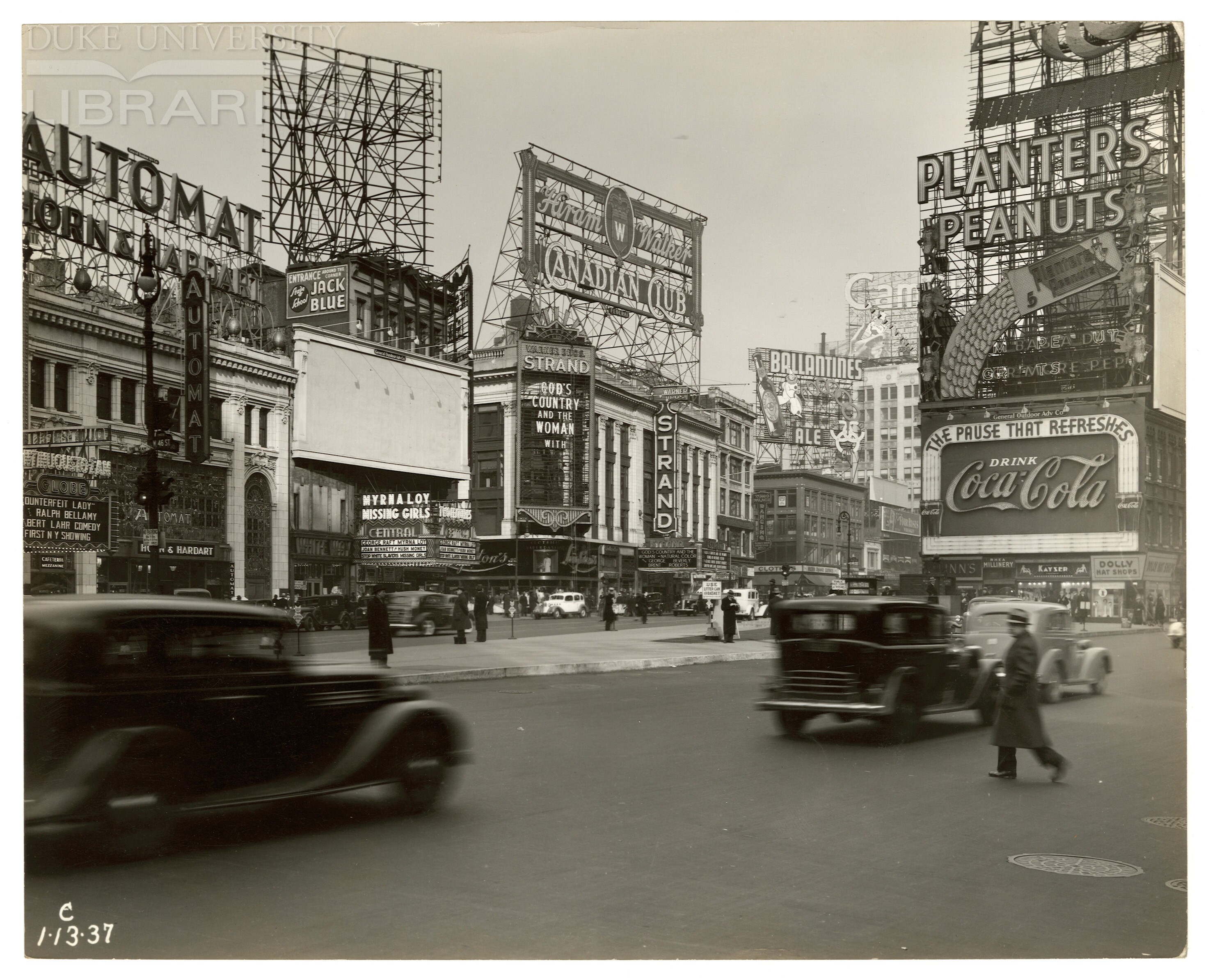
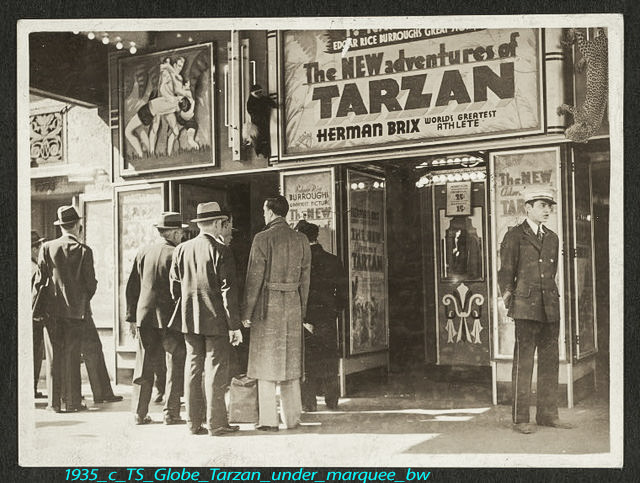
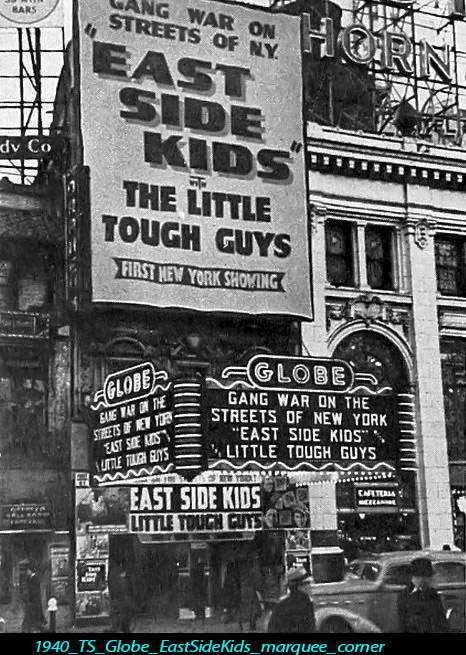
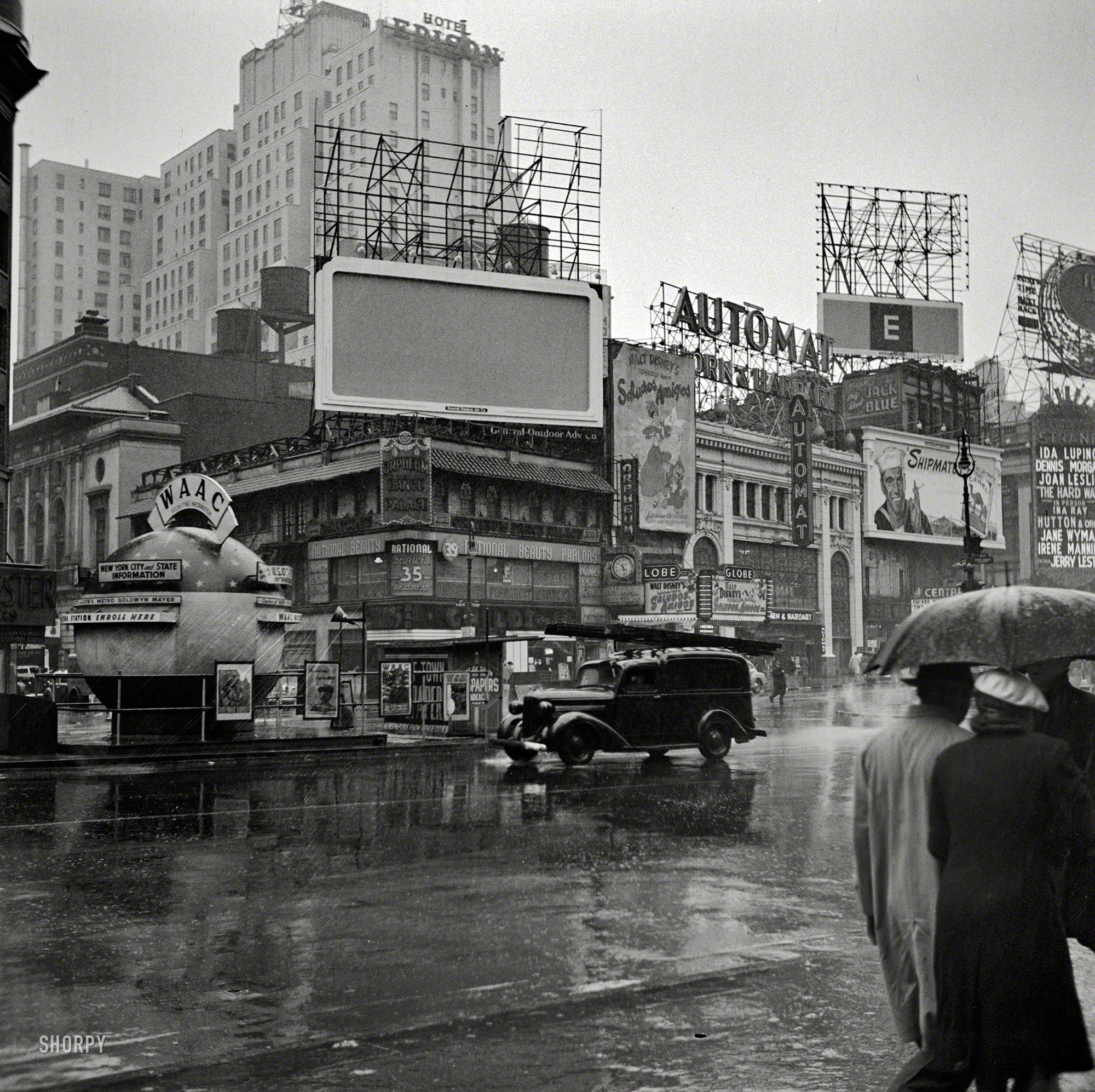
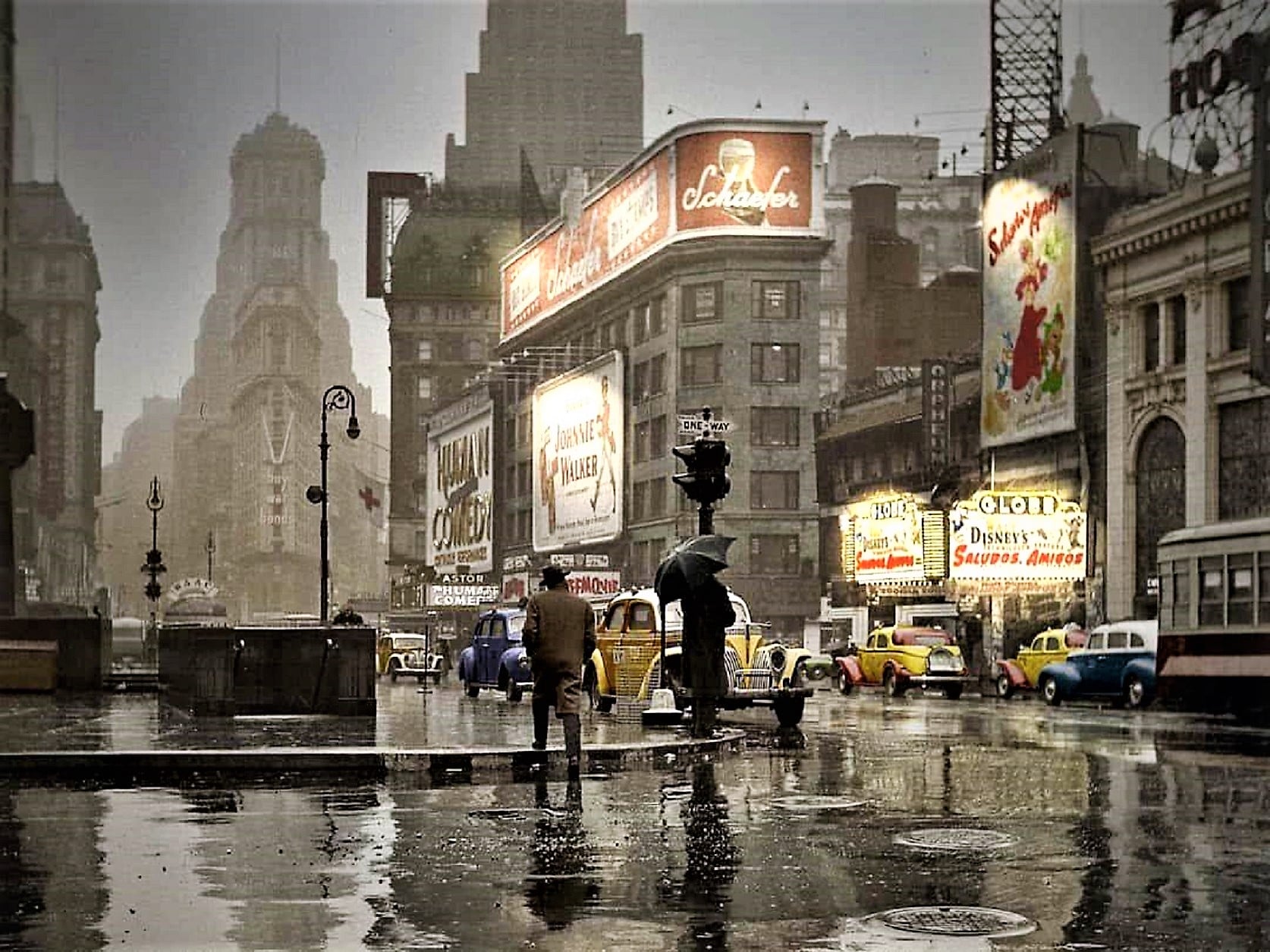
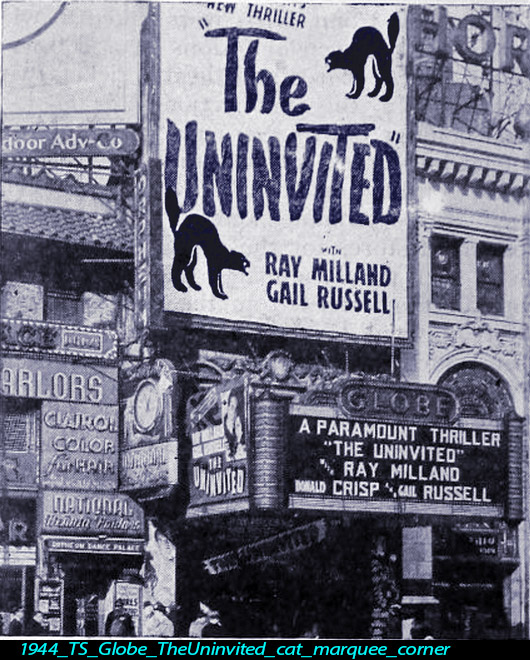
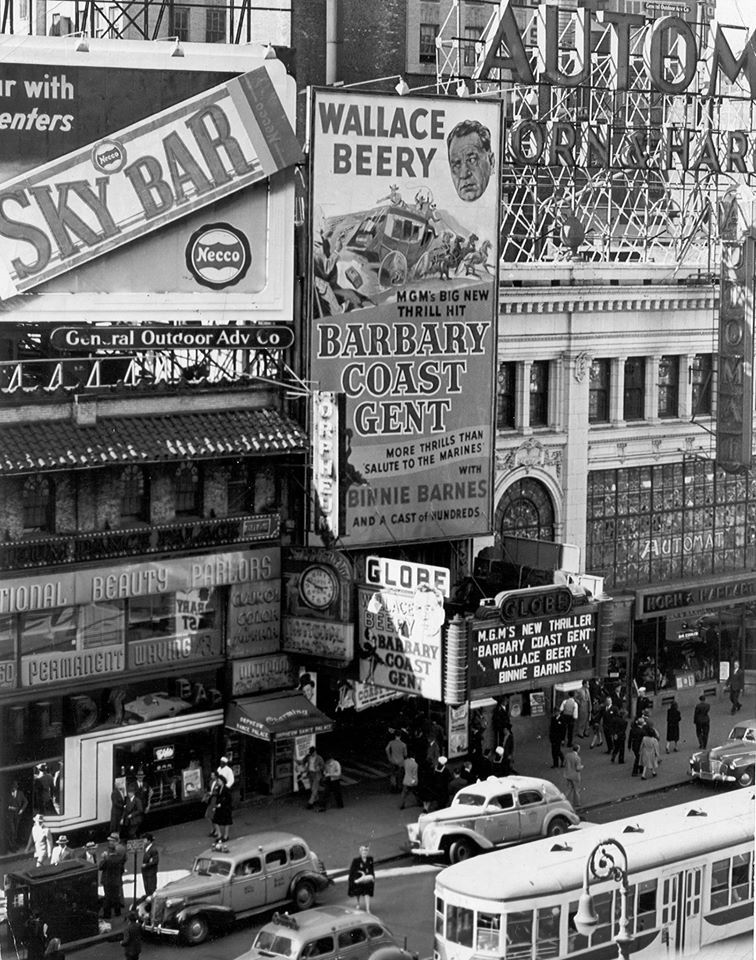
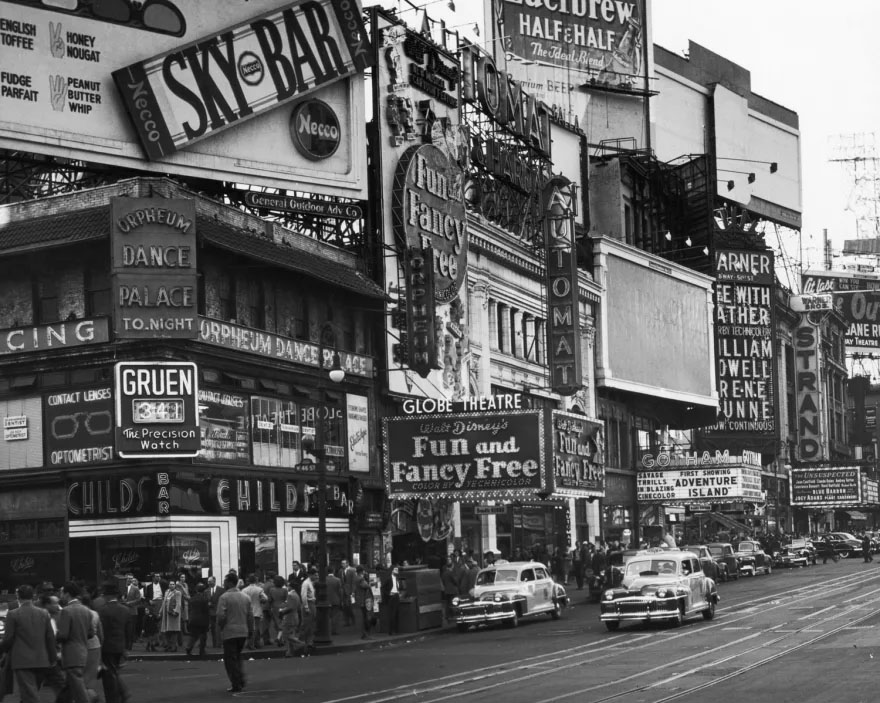
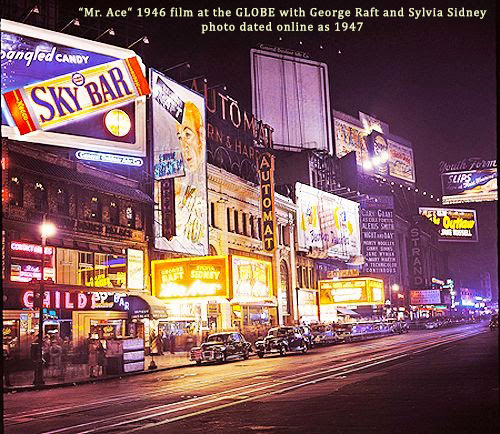
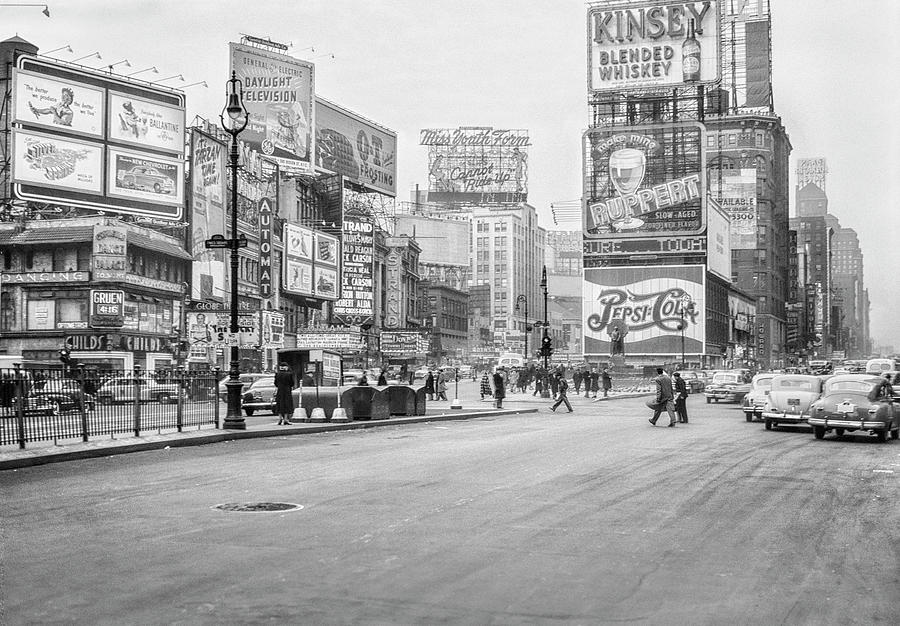
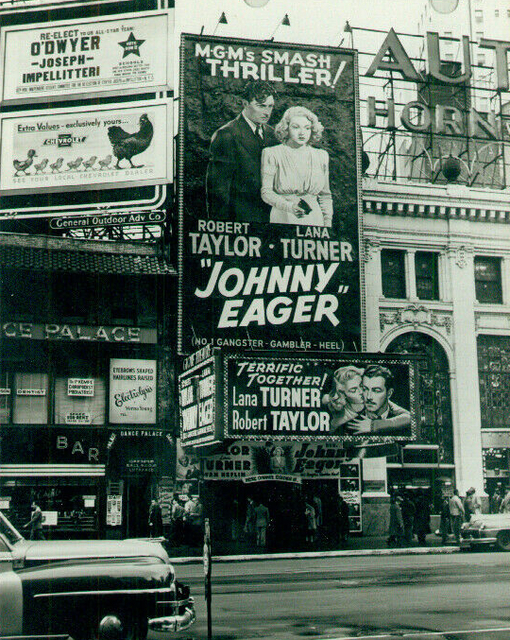
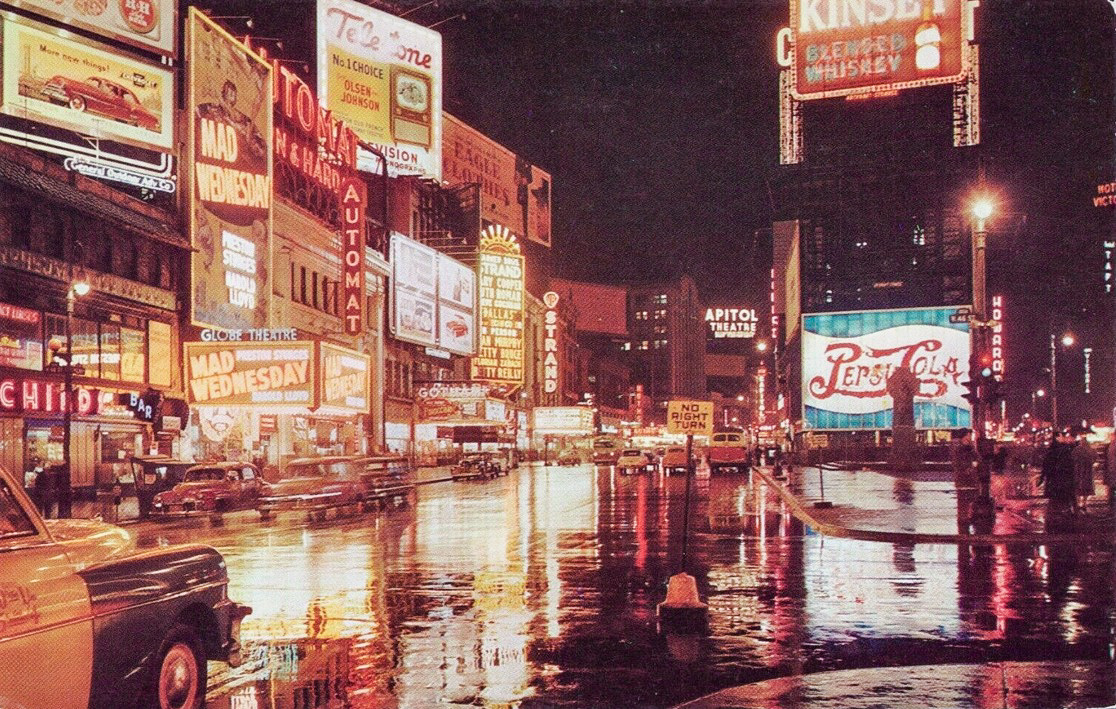
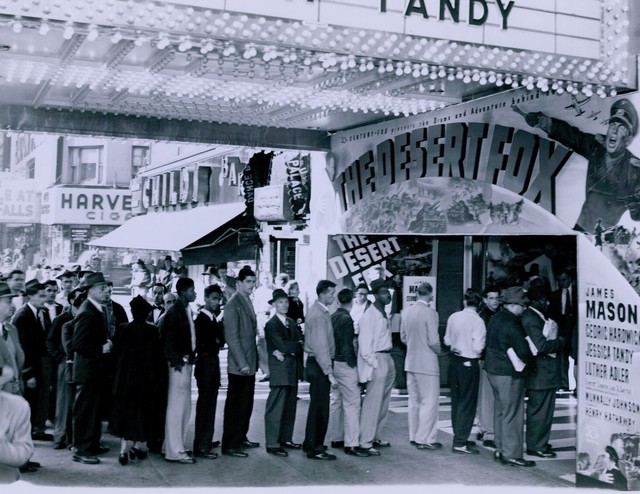
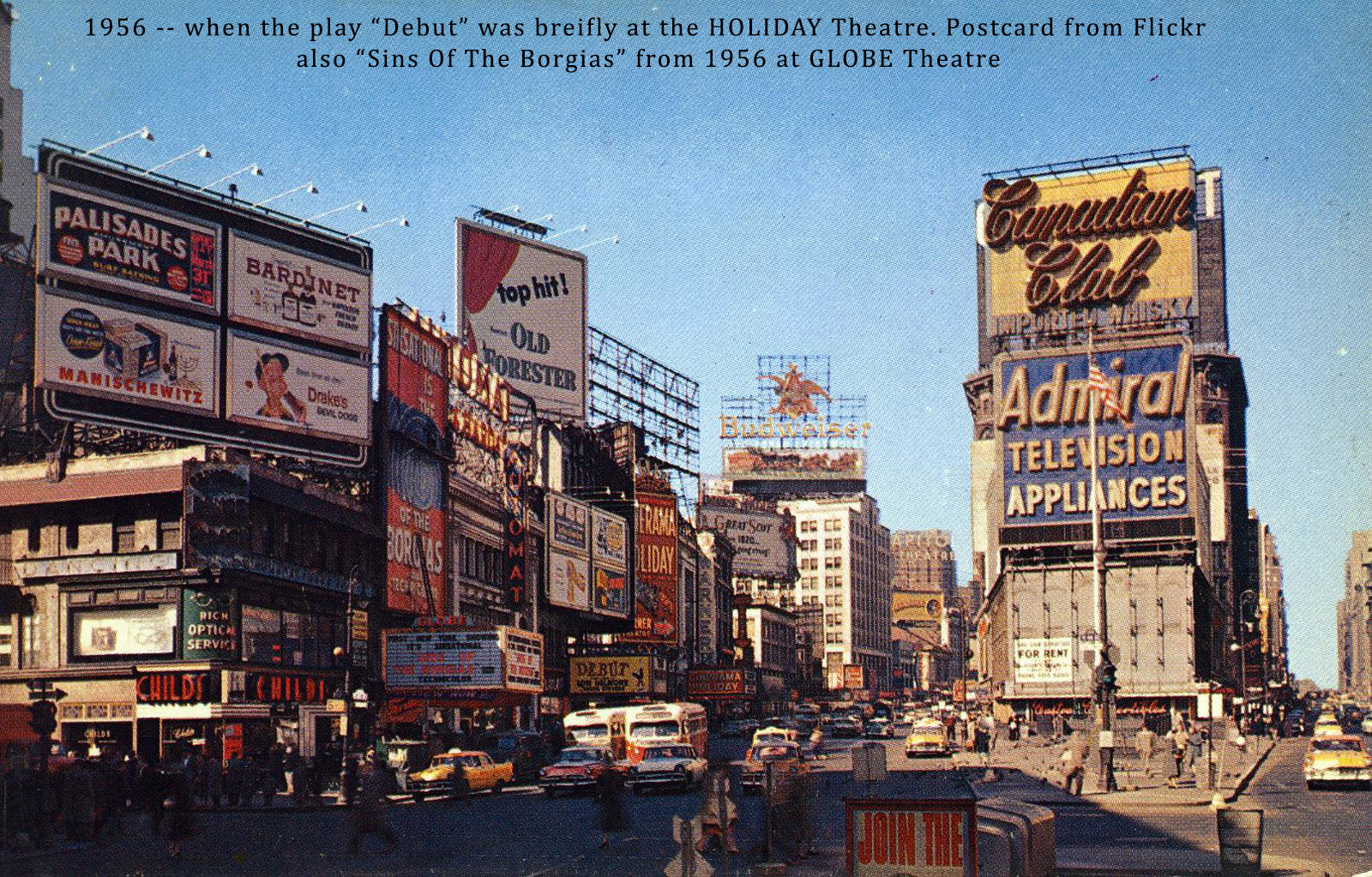
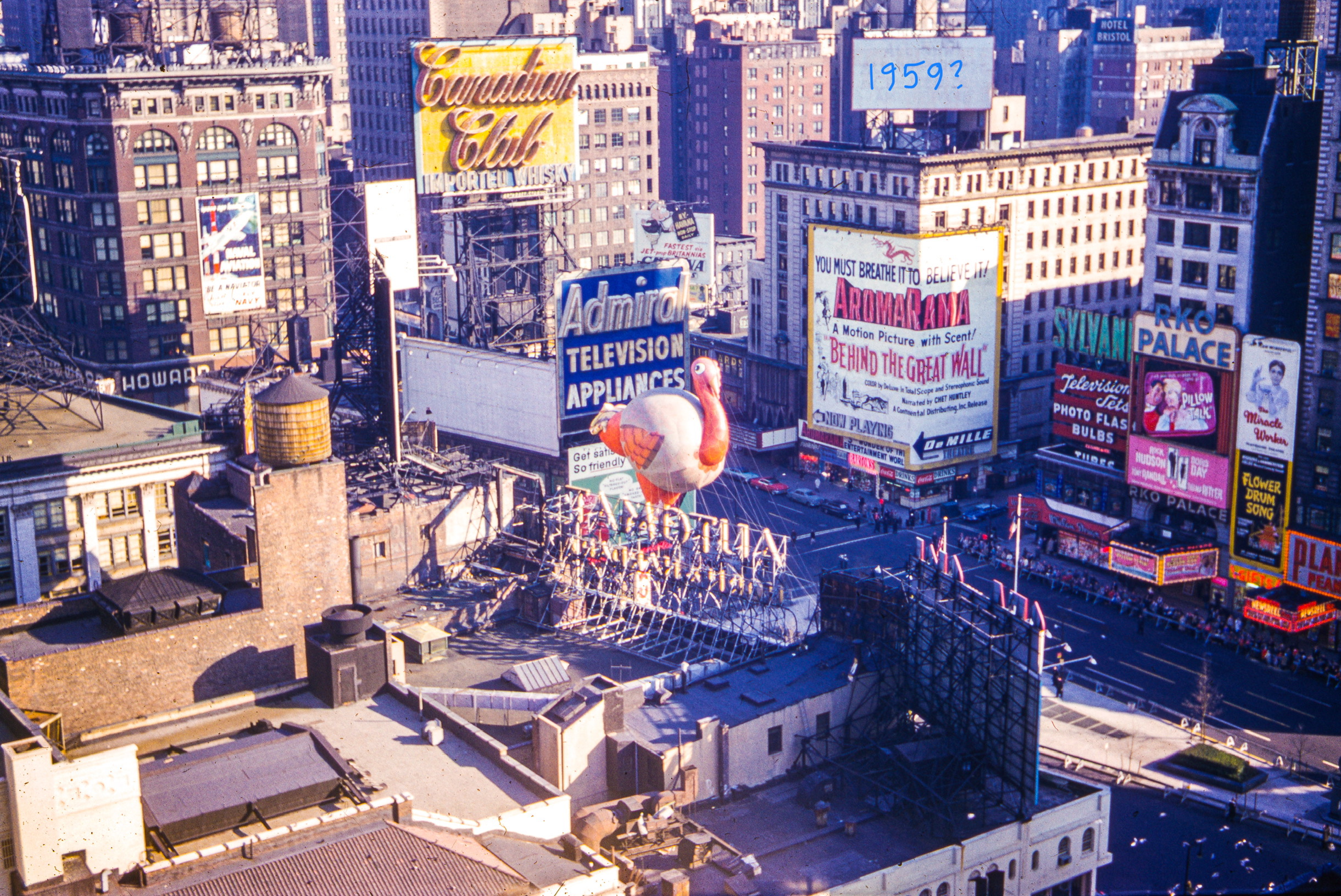
Through the Depression, the war years, and into the postwar boom, the Globe Theatre's marquee next door became an inadvertent chronicler of this corner -- each photograph fixed in time by whatever film was playing beneath the lights. The gallery below traces the block decade by decade, from "Tarzan" in 1935 through a Thanksgiving Day parade balloon drifting overhead in 1957.
The Corner Through the Orpheum Years
The Globe Theatre marquee next door offers a dated record of the corner across the Orpheum Dance Palace's long run -- each image fixed in time by the film playing beneath the lights. Click any photo for the full view.
ERA 4: HOWARD JOHNSON & CHANGING TIMES (1959-2005)
Howard Johnson's Restaurant (1959-2005)
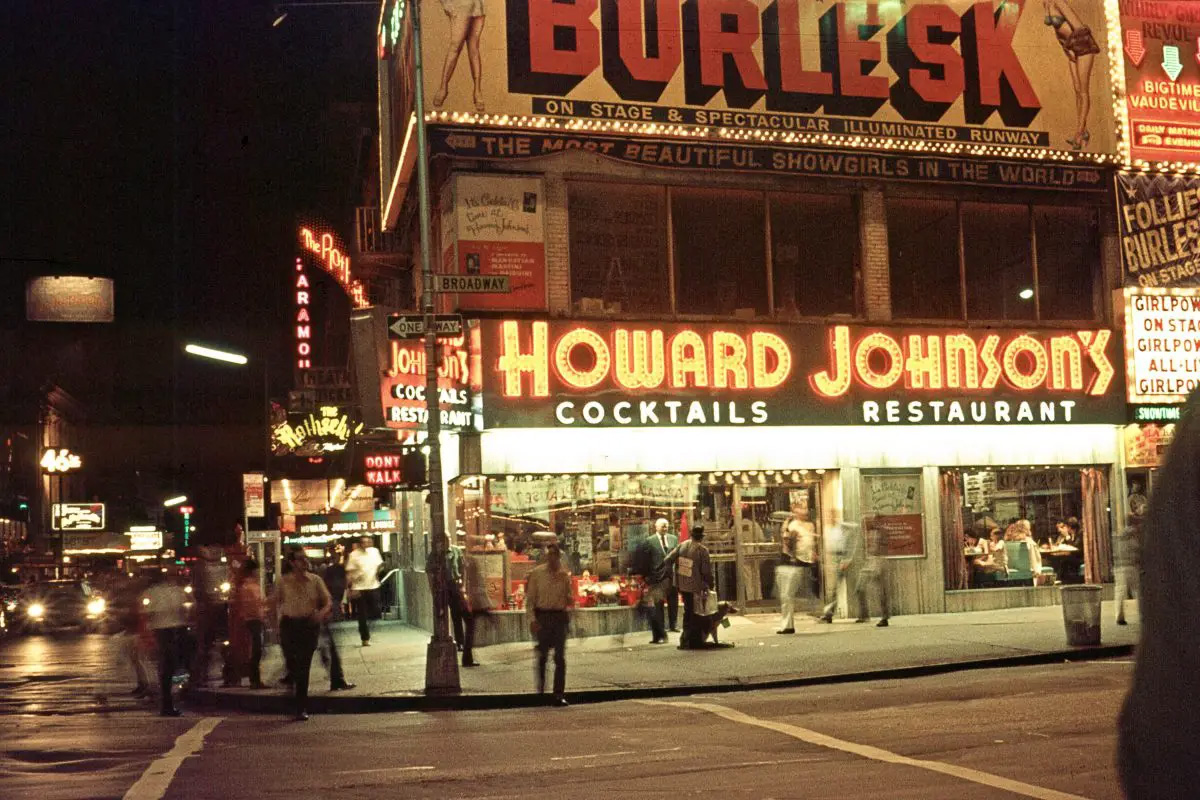
The Howard Johnson's at 1551 Broadway marked a real shift in the corner's character: after decades of upscale dining and taxi dance halls, HoJo's brought middle-American, 24-hour comfort food to the heart of Manhattan.
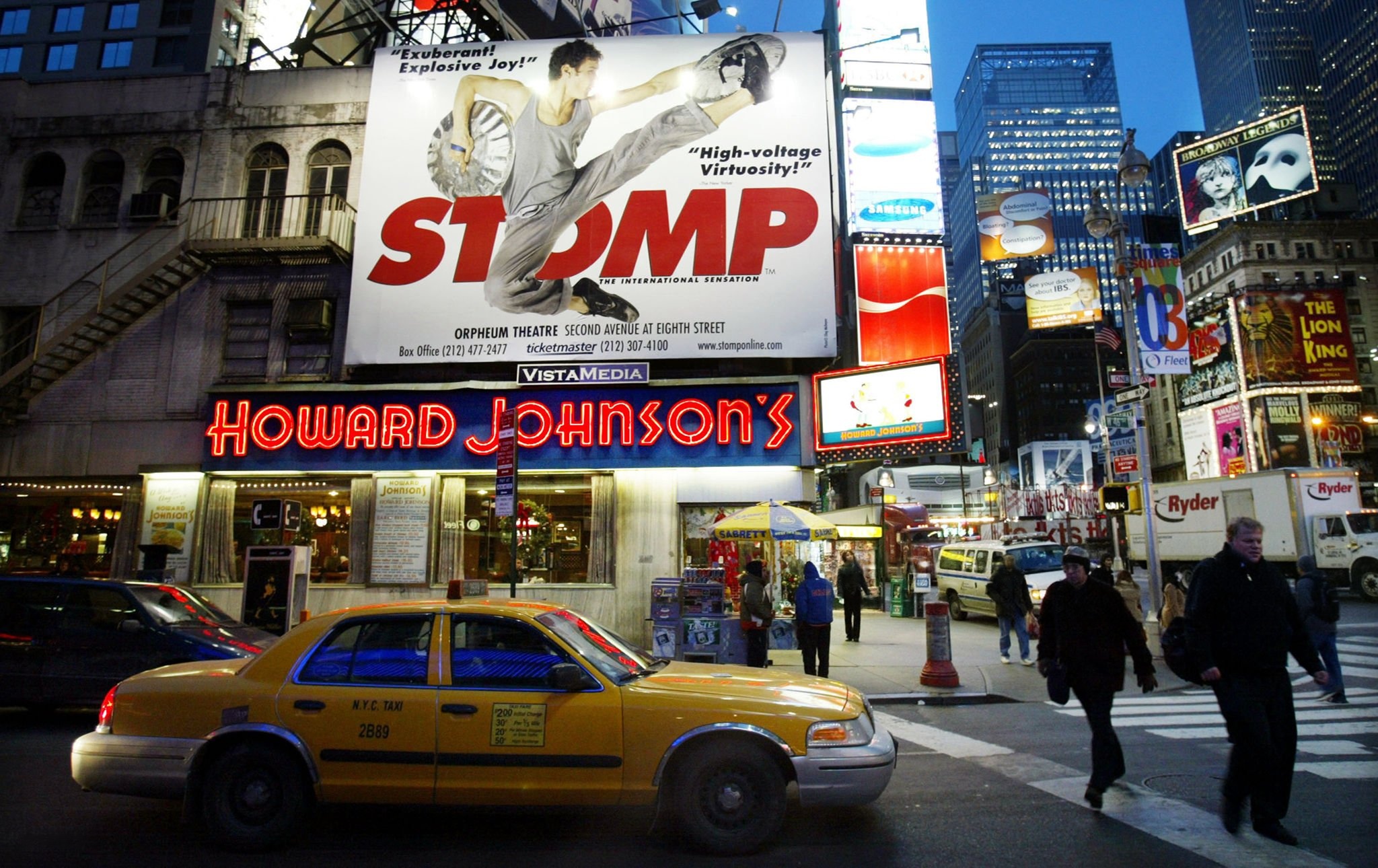
The restaurant's nearly five-decade run made it a constant amid Times Square's dramatic transformations. When it closed in 2005, it marked the end not just for the building, but for a whole approach to casual dining that had defined mid-20th-century America.
ERA 5: ADULT ENTERTAINMENT & URBAN COMPLEXITY (1960s-2005)
Follies Burlesk (1960s-1975)
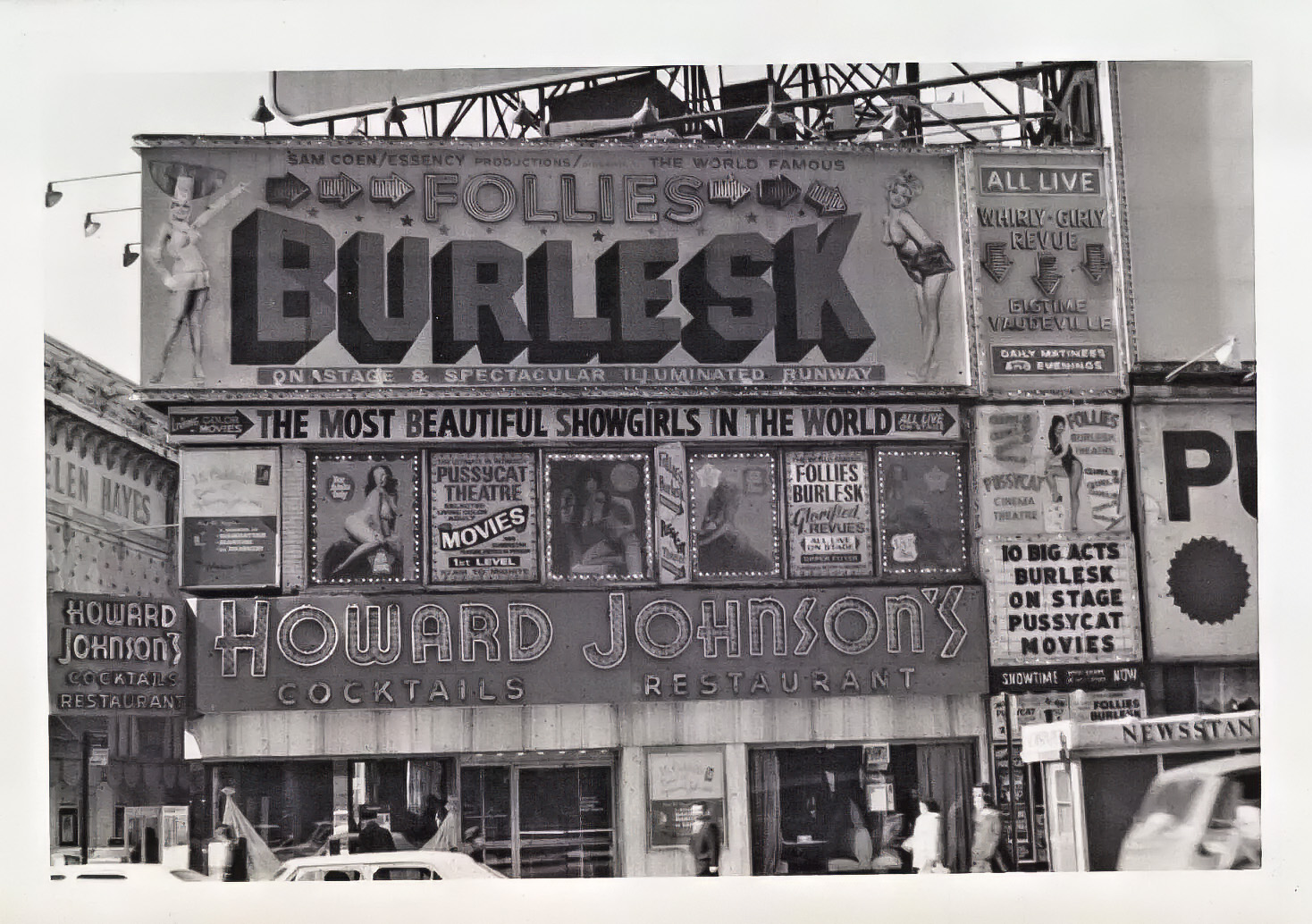
In June 1969, Times Square became the center of the boxing world when heavyweight contenders Joe Frazier and Jerry Quarry held a sparring session in the heart of Manhattan, drawing massive crowds and setting the stage for their upcoming title fight. The Hot Corner was very much at the center of Times Square's role as a gathering place for all of New York's diverse cultures and interests.
Gaiety Theatre (1975-2005)
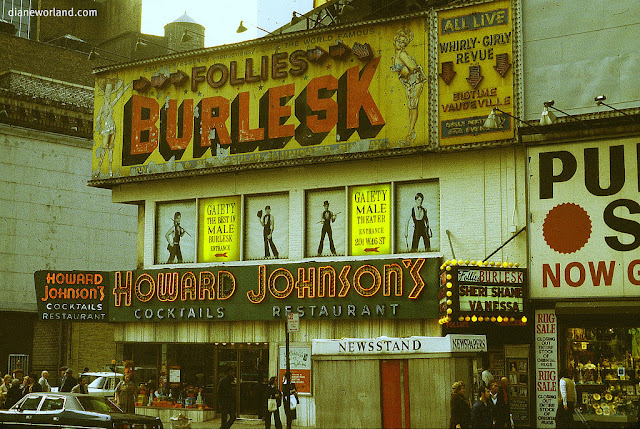
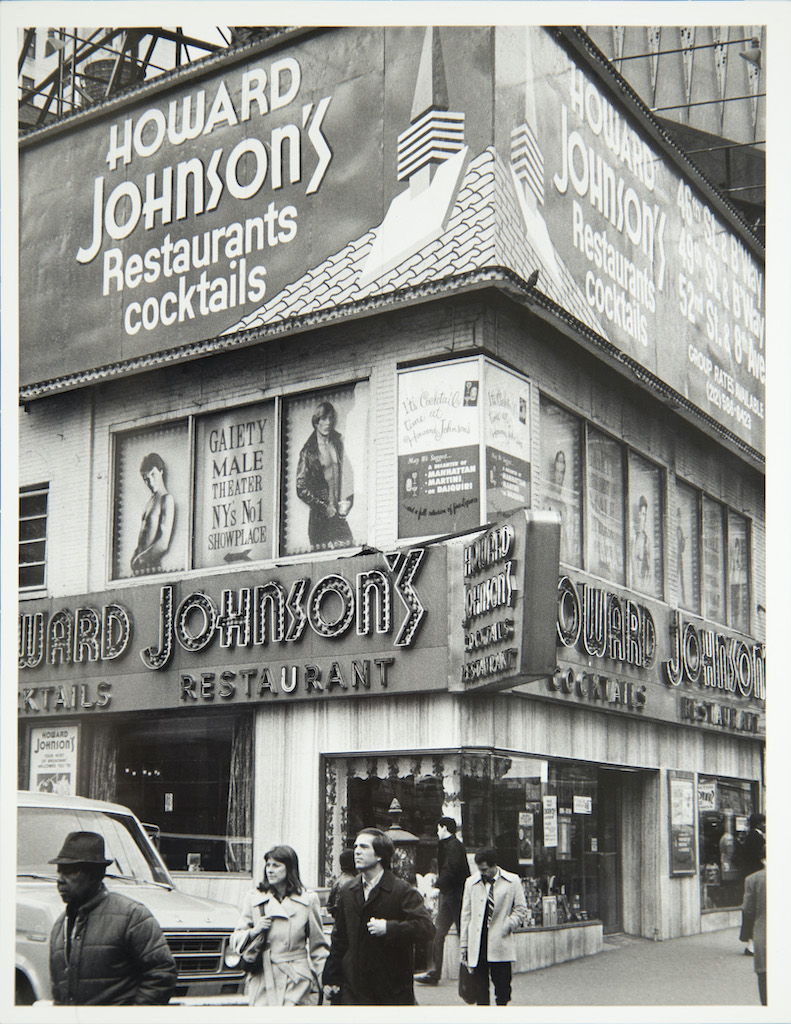
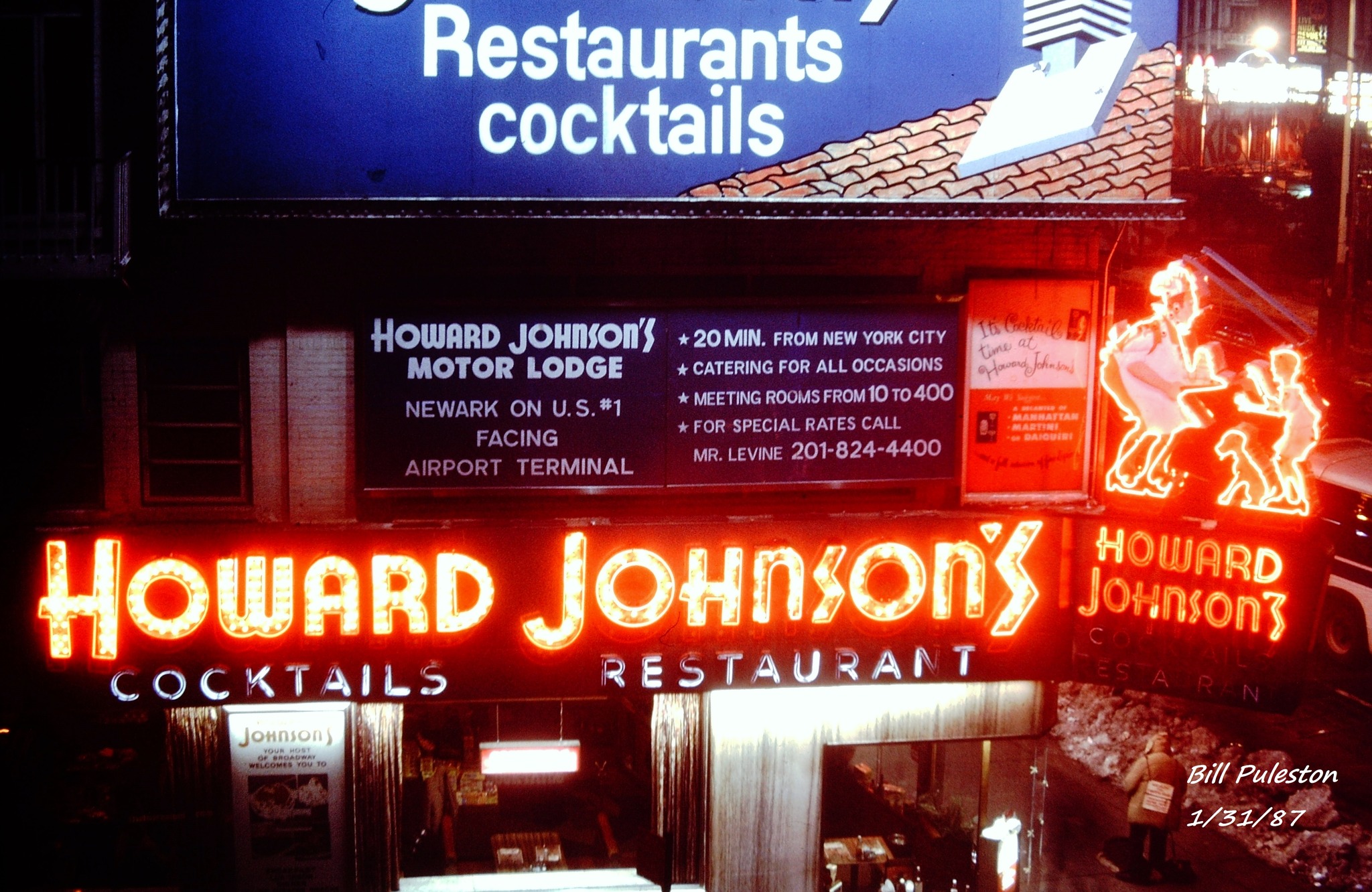
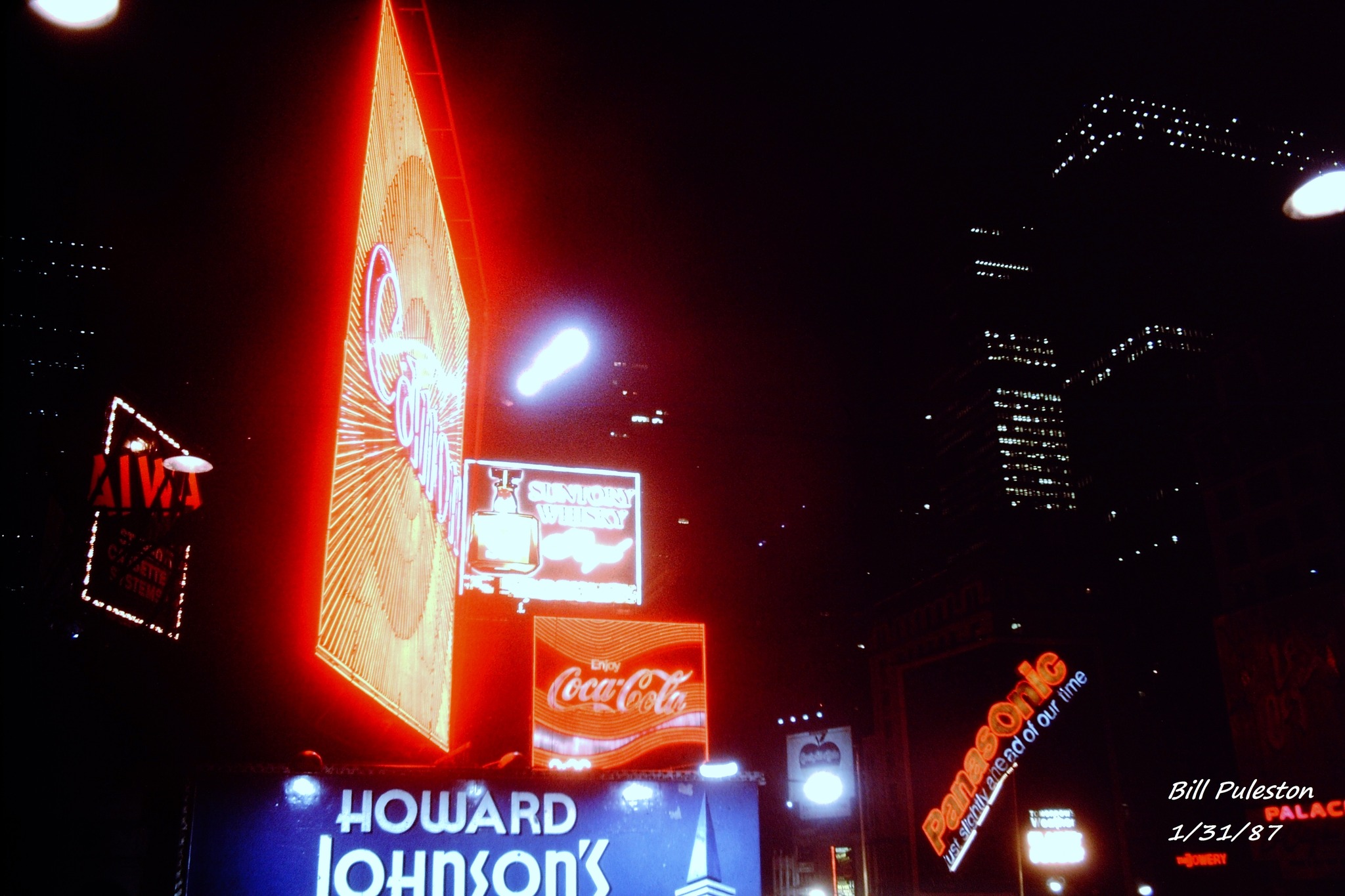
The coexistence of Howard Johnson's family restaurant on the ground floor with adult entertainment venues above perfectly encapsulated Times Square's split personality during the 1970s, 1980s, and 1990s -- one building, two entirely different clienteles, a uniquely New York solution to sharing space.
ERA 6: DEMOLITION & DIGITAL REBIRTH (2005-Present)
The Final Years (1995-2005)
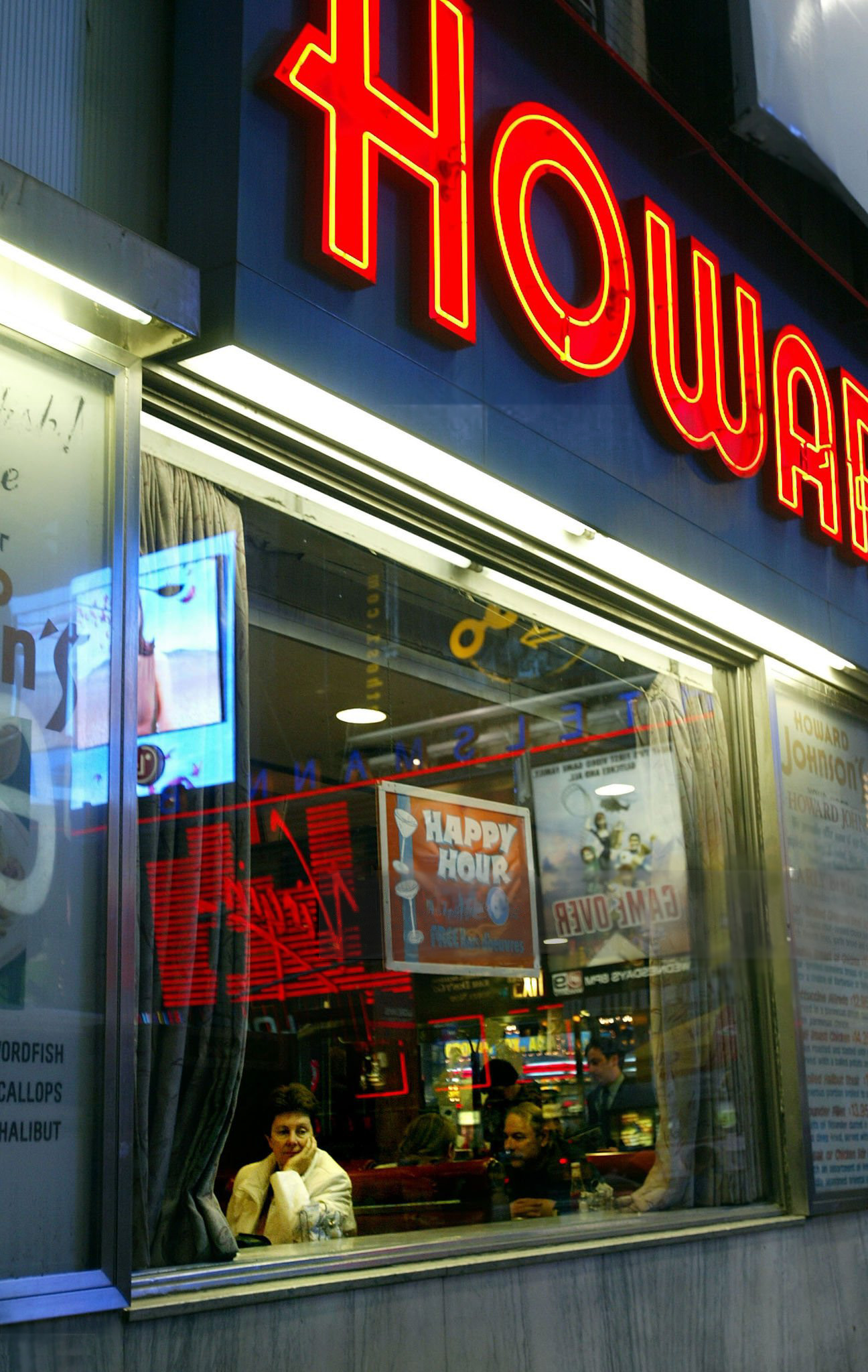
By its last years, Howard Johnson's at 1551 Broadway was open since 1959 but barely hanging on -- a ghost of itself, still serving the neighborhood while the building around it aged out of relevance. Photographer Tama documented the interior in its final days, in 2003 and 2004, not long before the doors closed for good in 2005.
Demolition and American Eagle Outfitters (2005-Present)
Howard Johnson's and the Gaiety Theatre both closed their doors in March 2005, ending over a century of continuous reinvention at 1551 Broadway. The building was demolished in 2005-2006, making way for something entirely new.
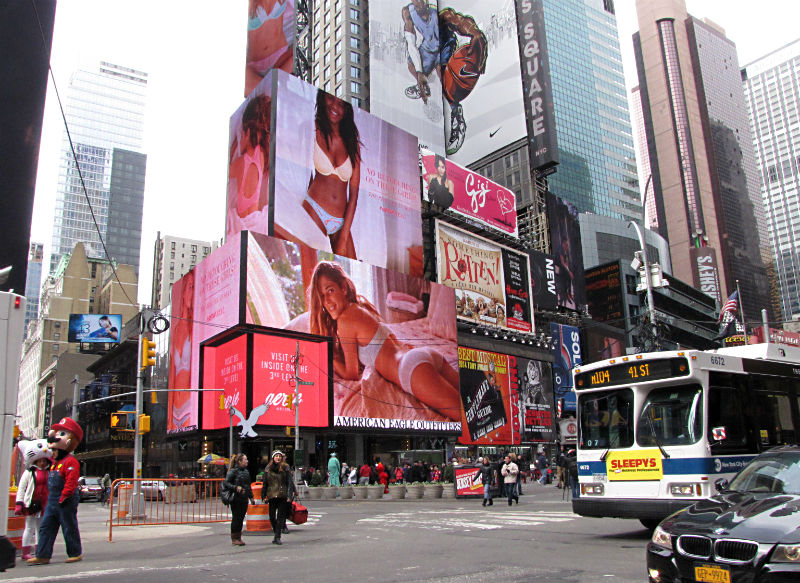
In 2009, a modern three-story glass structure went up in its place at 1551 Broadway, wrapped in a towering 250-foot-high LED signage display and home to American Eagle Outfitters. The physical continuity of the old building was gone, but the corner's role as a center of advertising innovation remained unbroken. From the rooftop sign atop Café Madrid (1911) through Canon's triangular neon (1980s-90s) to today's sophisticated digital displays, this corner has never stopped pushing the boundaries of outdoor media.
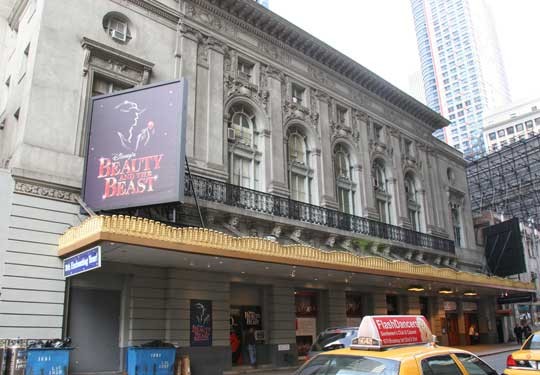
Meanwhile, the Lunt-Fontanne Theatre (the former Globe) underwent an extensive restoration from 1997 to 1999, returning to its original architectural appearance and reopening with Disney's stage production of "Beauty and the Beast" — a testament to the enduring legacy of the theatre that once defined this corner's identity.
The Neighborhood Context
Playland Arcade
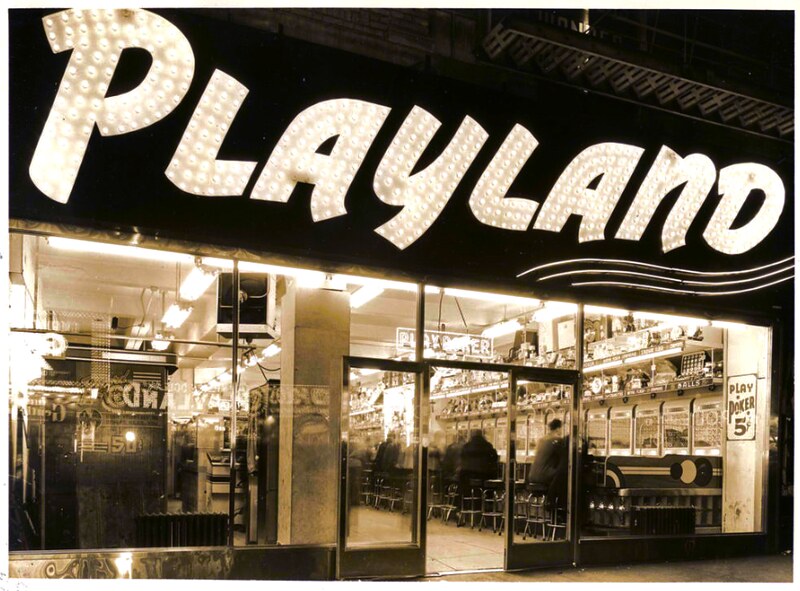
Multiple Playland Arcade locations operated along Broadway near 46th Street from the 1950s through the 1990s, offering video games, pinball machines, and other amusements -- part of the dense ecosystem of entertainment, dining, and commerce that defined the Times Square experience for generations.
Legacy: A Mirror of Times Square's Evolution
The evolution of 1551 Broadway mirrors the broader changes in Times Square: a center of social dance and entertainment, transformed into a commercialized, tourist-friendly district. From Churchill's elegant dining room to today's towering LED billboard, this corner has consistently reflected America's changing relationship with entertainment, commerce, and urban space.
Today, as millions pass the gleaming LED display at 1551 Broadway, few remember the taxi dancers who once waltzed on the floors above, or the late-night diners who found comfort in Howard Johnson's orange glow. But their stories remain part of the ongoing narrative of this remarkable corner, where the past and future of American entertainment continue to intersect beneath the bright lights of Broadway.