Seen in the Wild

14 creatures from the bestiary that DiLo has met face to face — carved in stone, painted on a monastery wall, cast in vinyl or towering over a museum floor. Each one has its own file: who it is, where it first appeared and the lore behind it, with DiLo's photos underneath as the evidence. They're grouped by the age each creature first crawled out of. Click a portrait or a photo to see it large, or follow Sighted at back to the expedition in the Field Journal.

AGE 1 · 3500 BCE–501 BCE

Ancient Myth

Cyclops (One-eyed giant)

Cyclops (One-eyed giant)

First known 725 BCE · Ancient Greece (Homer's Odyssey) · one-eyed giant

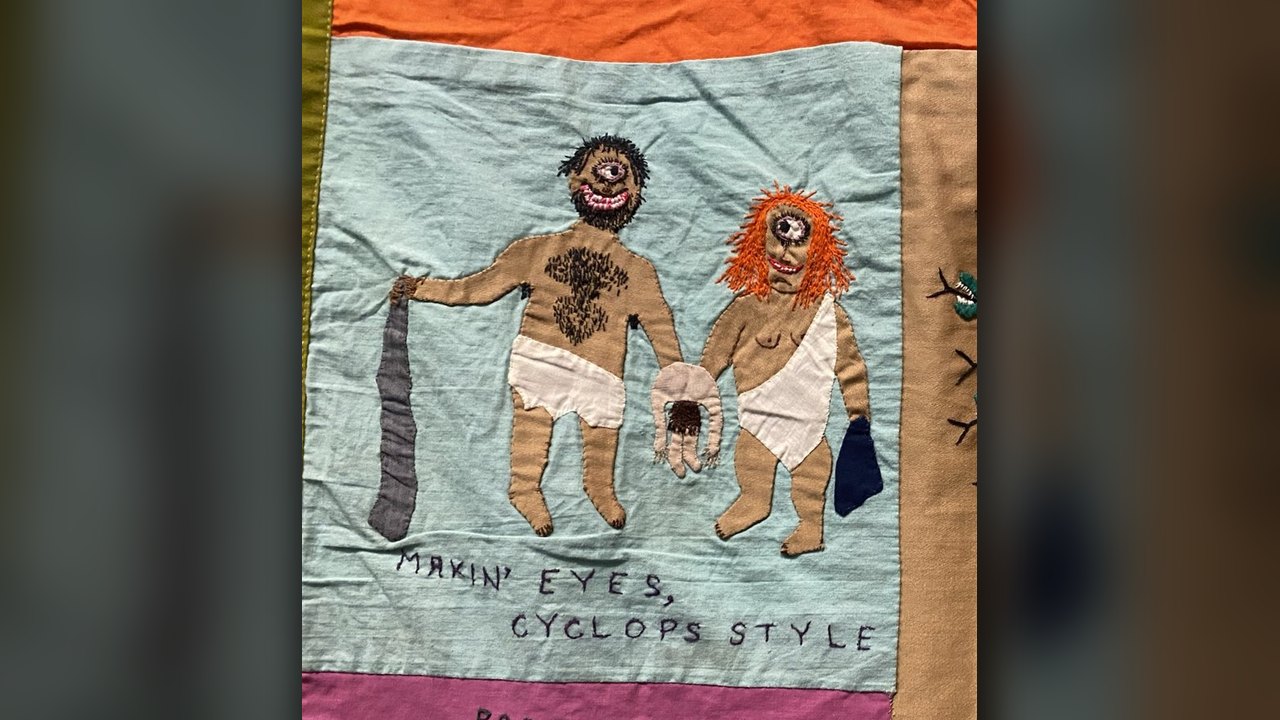
The one-eyed giants of Greek myth. In Homer's Odyssey, Polyphemus traps Odysseus and his men in a cave, and they escape by blinding him and riding out under his sheep. Ray Harryhausen gave the Cyclops a horn and goat legs for The 7th Voyage of Sinbad (1958).
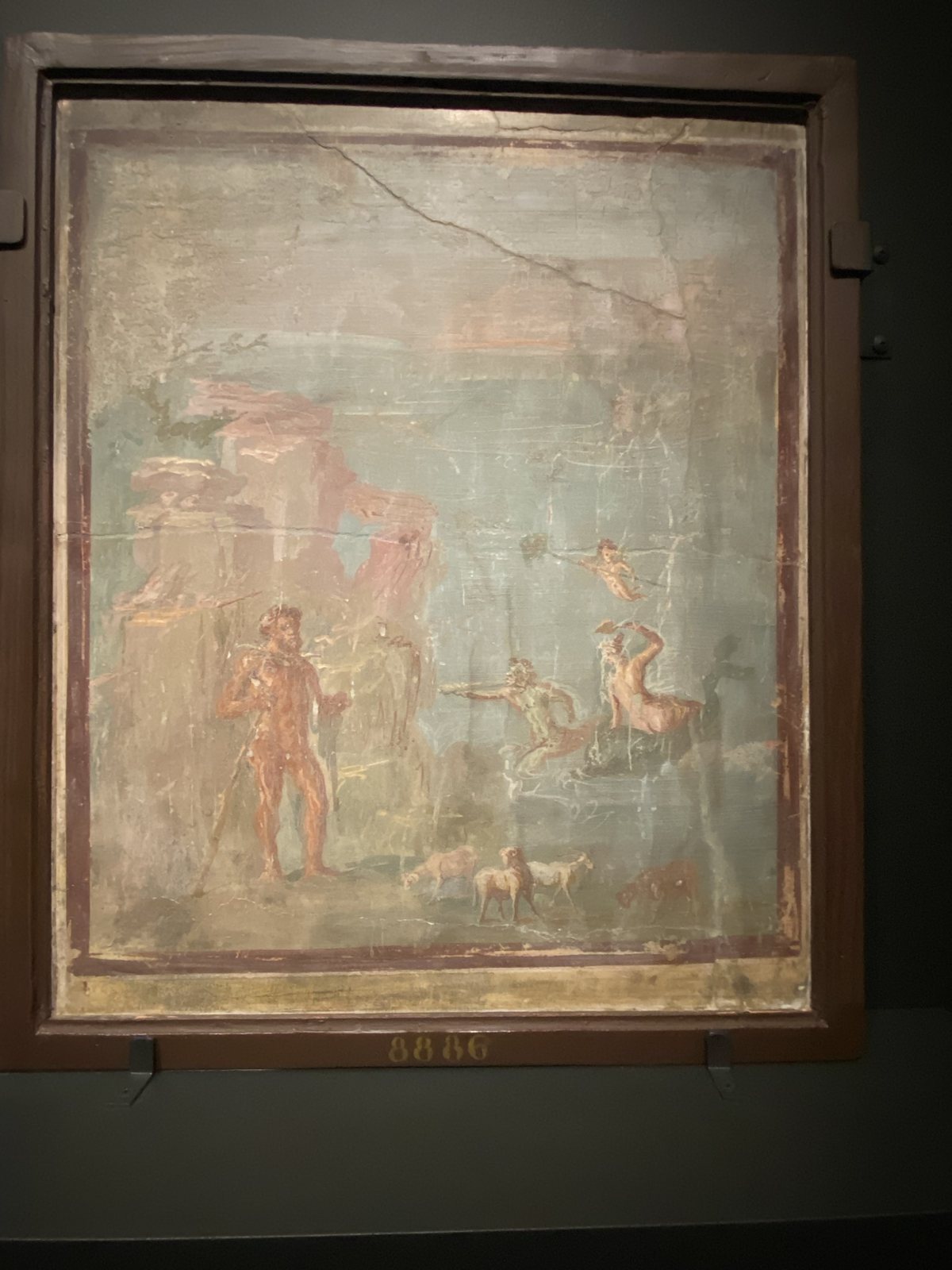
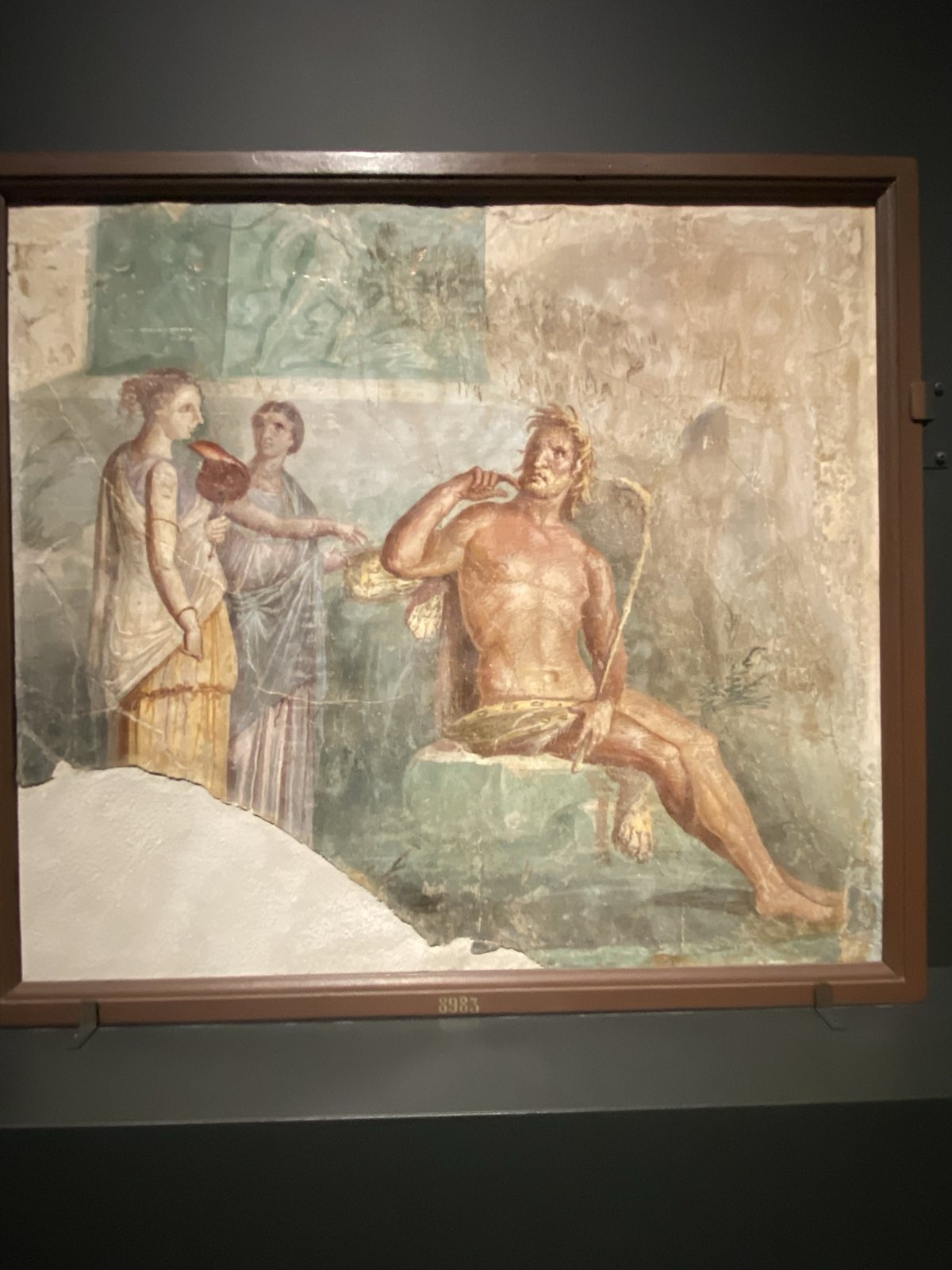
Seen in the wild · 2 photos
Polyphemus and Galatea — 1st century CE fresco; MANN 8886. House of the Colored Capitals, room 29 west wall, Pompeii. DiLo's photograph; identification from the accompanying museum label.Polyphemus and Galatea — 1st century BCE fresco; MANN 8983. Villa at the Royal Stables at Portici, Pompeii. DiLo's photograph; identification from the accompanying museum label.

Sighted at: Polyphemus 2026

Chimera (Lion-goat-serpent hybrid)

Chimera (Lion-goat-serpent hybrid)

First known 700 BCE · Ancient Greece (Homer, Hesiod) · hybrid

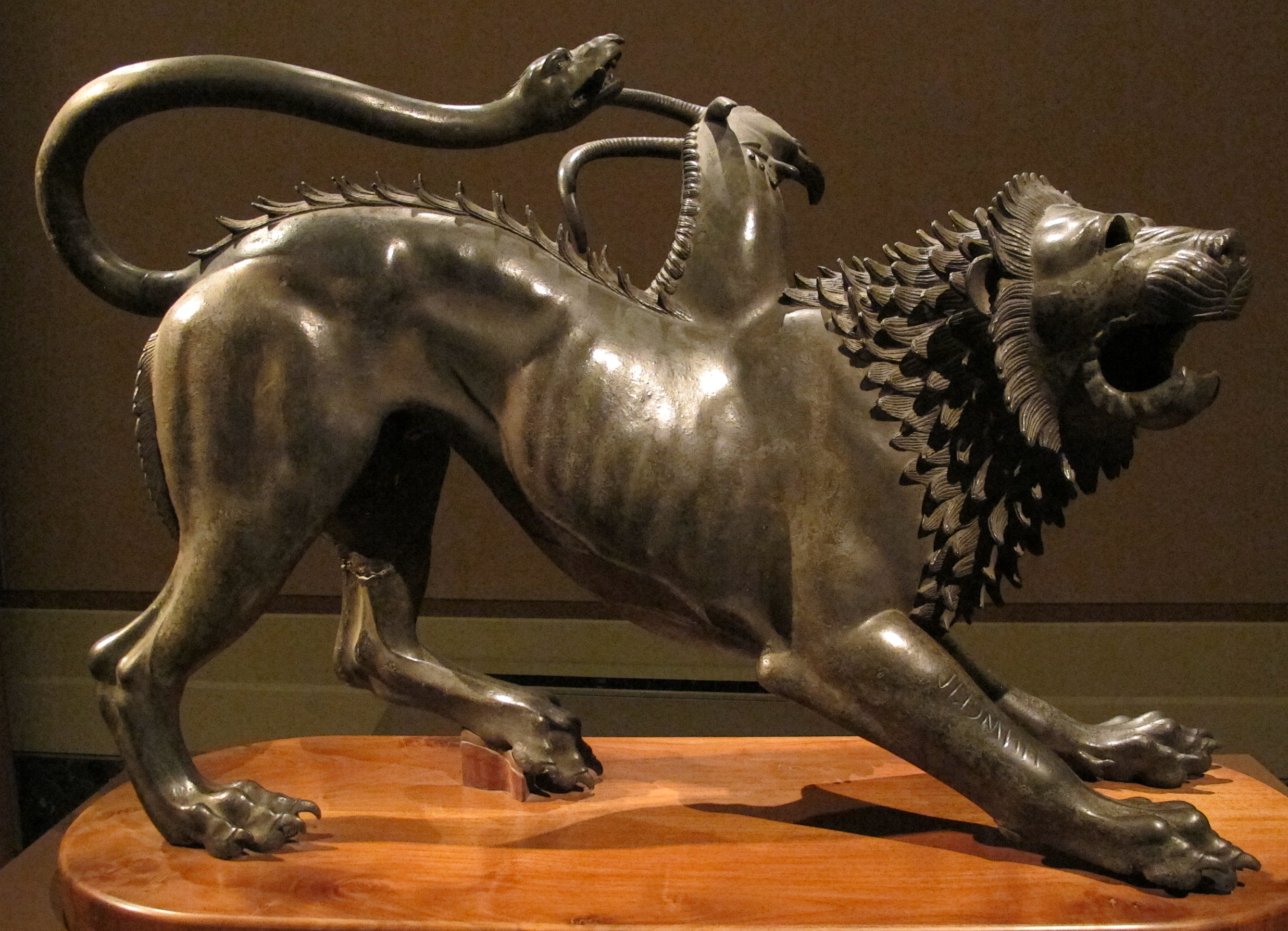
Lion in front, serpent behind, goat in the middle, breathing fire: that is how Homer's Iliad describes the Chimera of Lycia, a child of Typhon and Echidna and a sister of the Hydra. The hero Bellerophon flew over it on the winged horse Pegasus and shot it down from above. The Etruscan bronze Chimera of Arezzo (c. 400 BCE), now in Florence, is its most famous portrait -- and the name outgrew the monster: today any mix-and-match creature is a chimera.

Seen in the wild · 1 photo
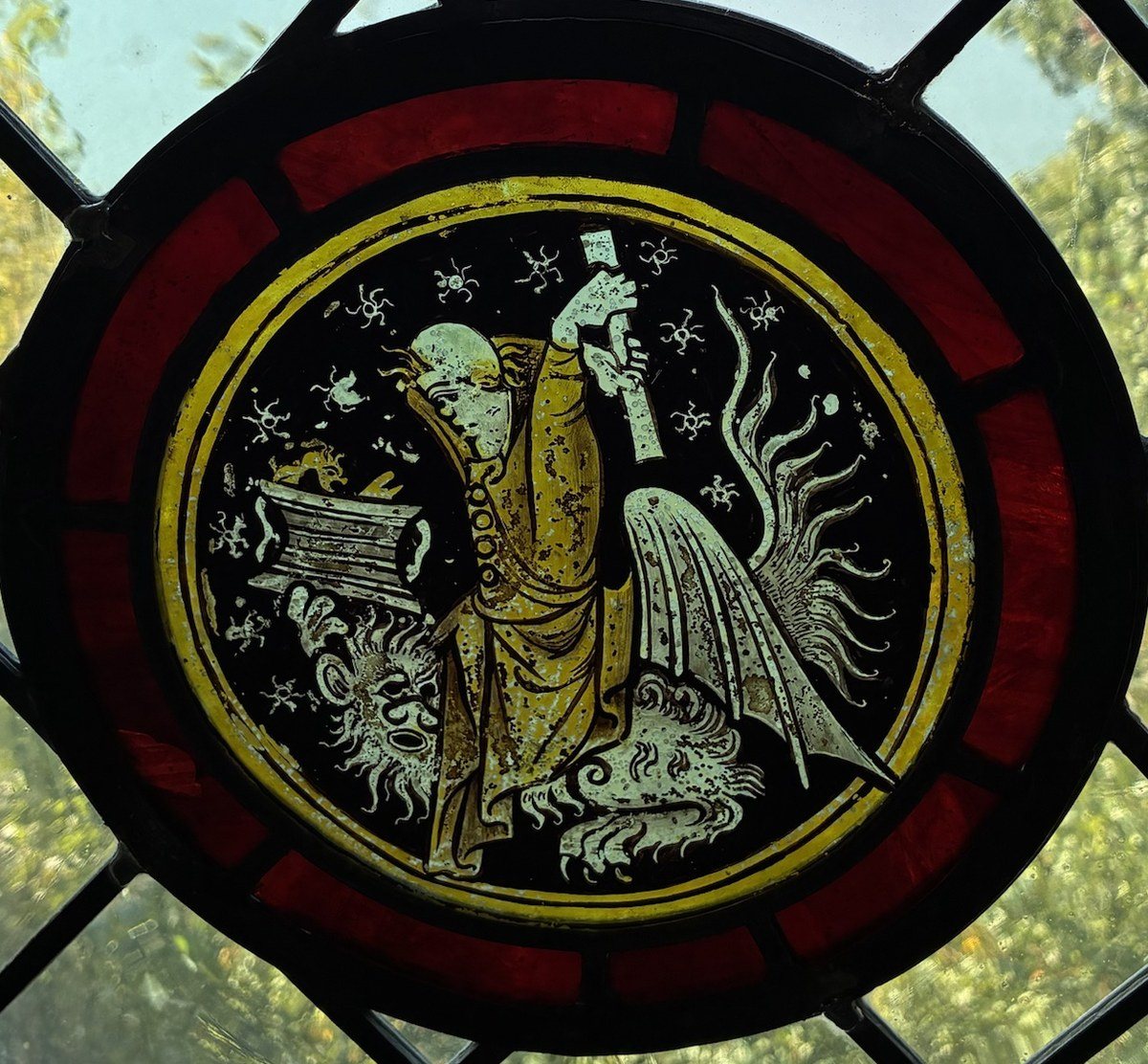
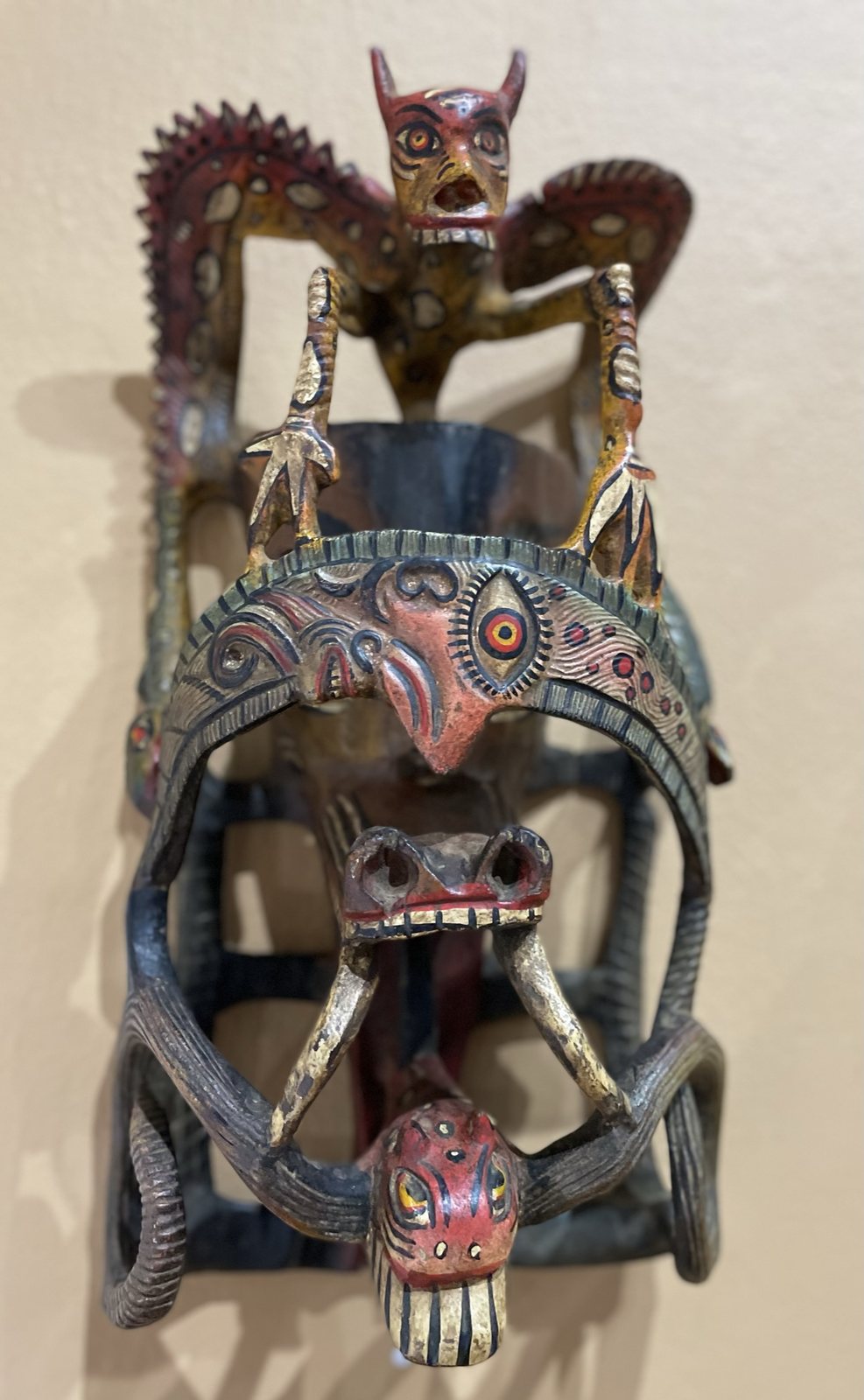
Roundel with Grotesque: who's riding whom?

Sighted at: The Cloisters 2026

Medusa (Snake-haired Gorgon)

Medusa (Snake-haired Gorgon)

First known 700 BCE · Ancient Greece (Hesiod) · gorgon

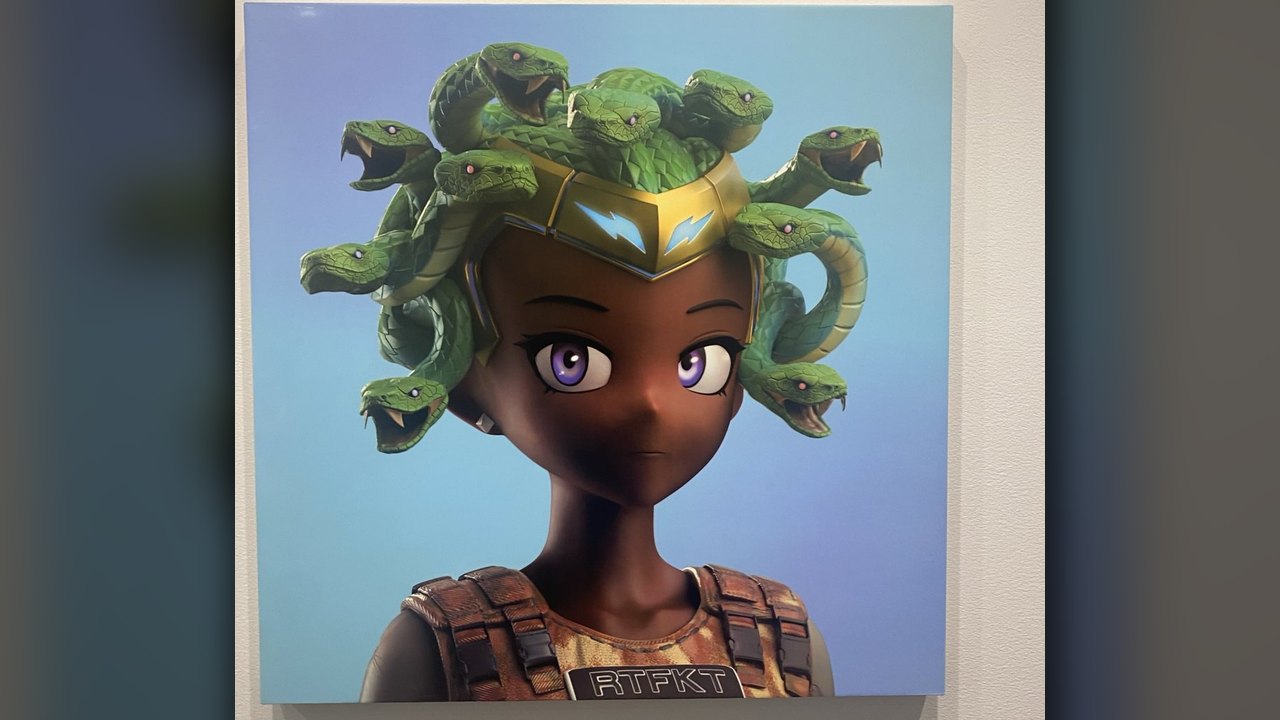
The Gorgon with living snakes for hair -- one look and you turn to stone. Perseus cut off her head by watching her reflection in his shield, and artists have been painting her ever since.

Seen in the wild · 1 photo
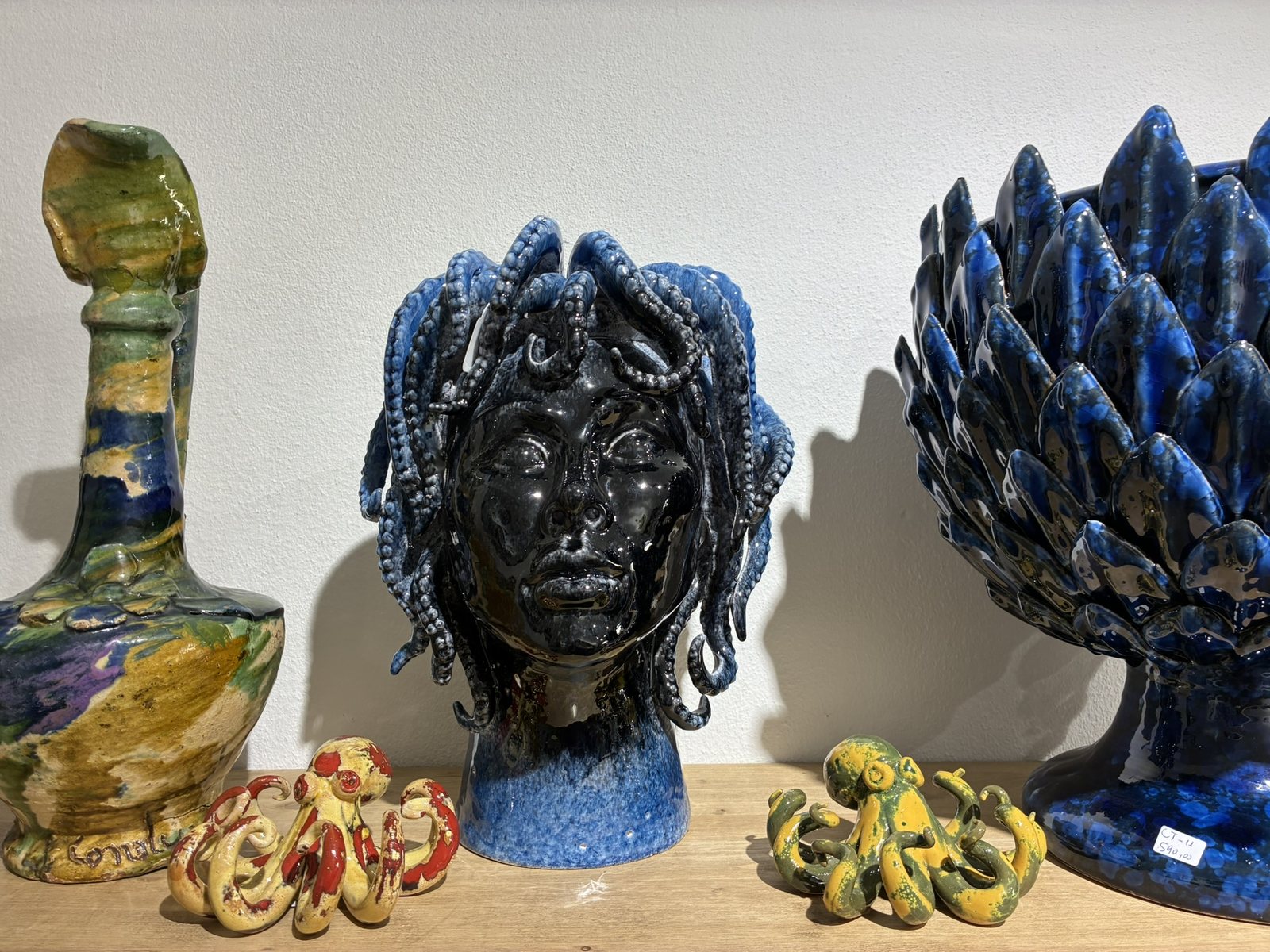
Medusa heads, by the shelf-full

Sighted at: Italia 2026

AGE 2 · 500 BCE–499 CE

The Classical World

Naga (Divine serpent)

Naga (Divine serpent)

First known 400 BCE · India (Hindu and Buddhist lore) · serpent spirit

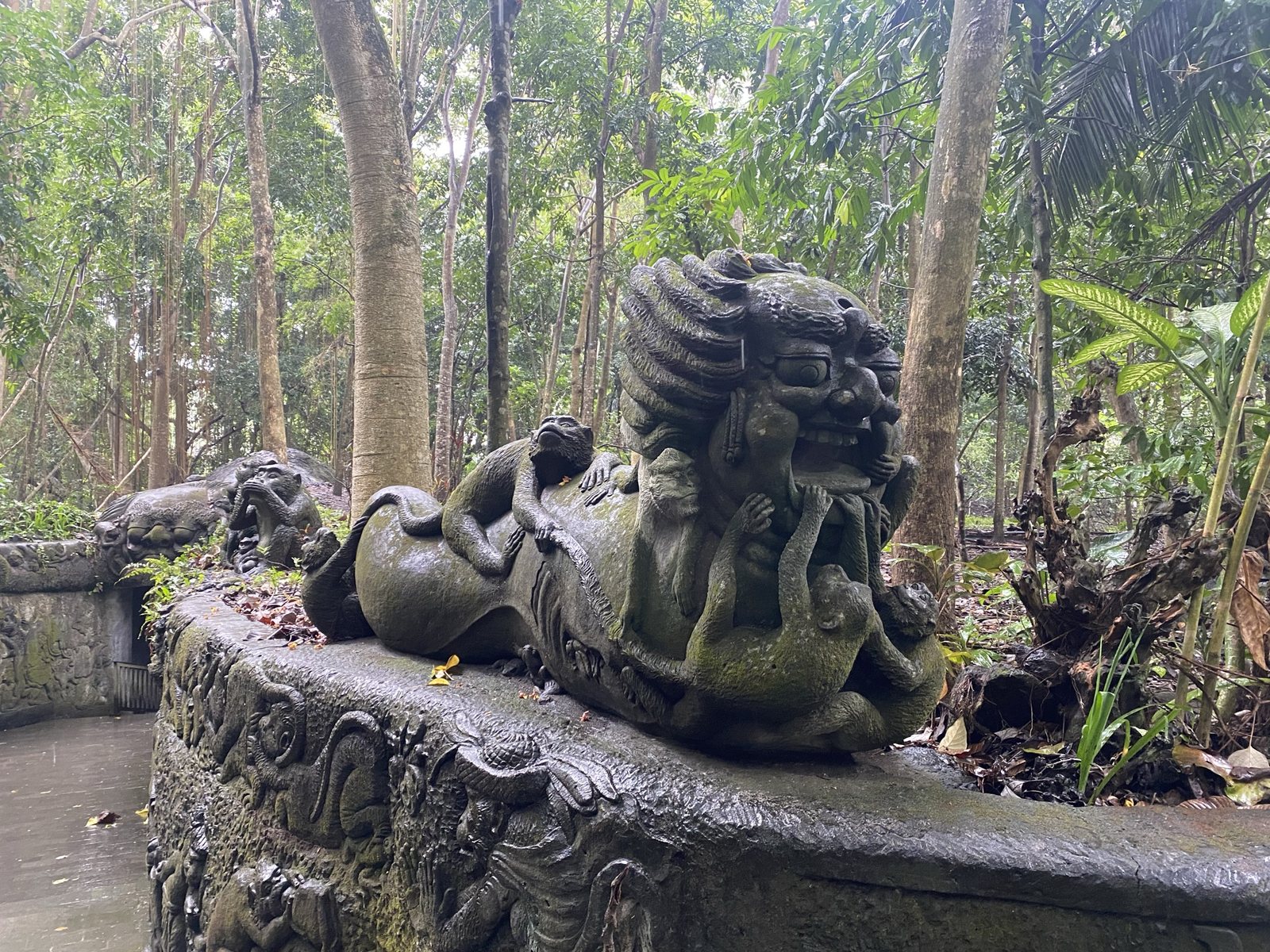
Divine serpents of Hindu and Buddhist lore, often many-headed, guarding treasure, water and temple steps. In Bali you'll find them coiled along the balustrades of nearly every temple.

Seen in the wild · 1 photo
A naga with real monkeys climbing all over it

Sighted at: Bali 2022

AGE 3 · 500 CE–1449

Bestiaries & Sagas

Bat Lord (Tzinacantecuhtli)

Bat Lord (Tzinacantecuhtli)

First known 850 CE · Zapotec, Mexico · man-bat god

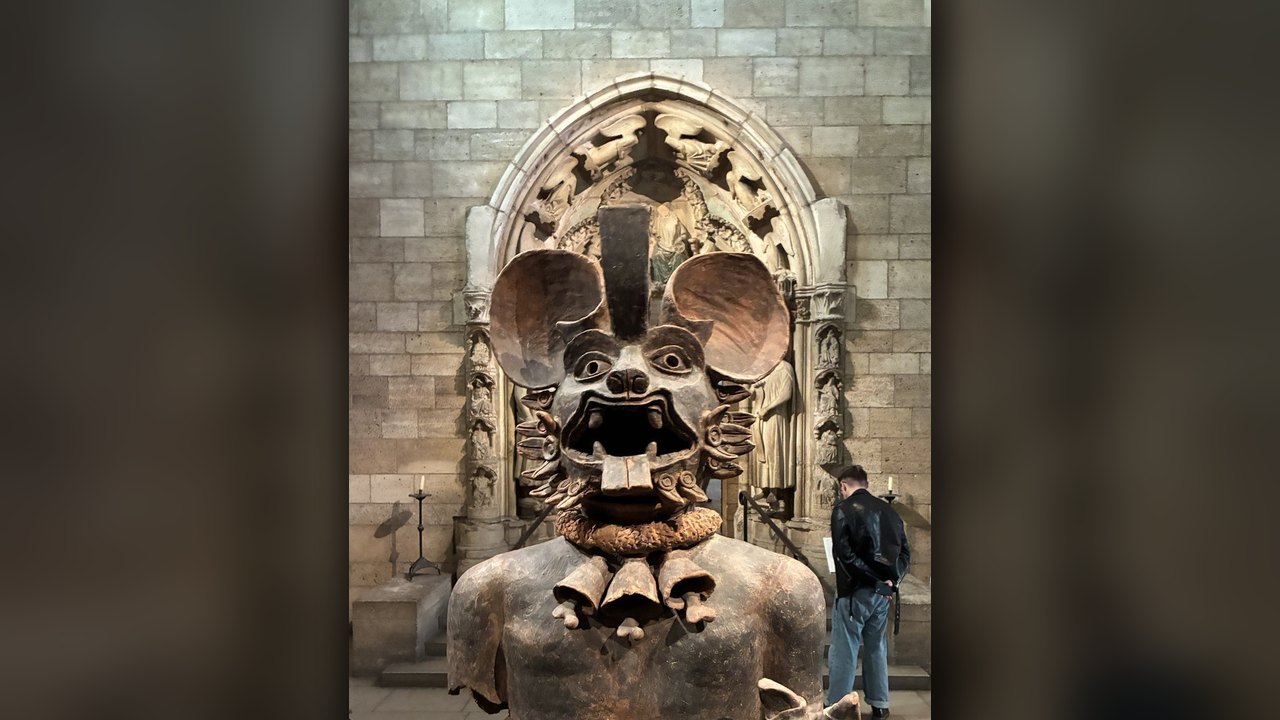
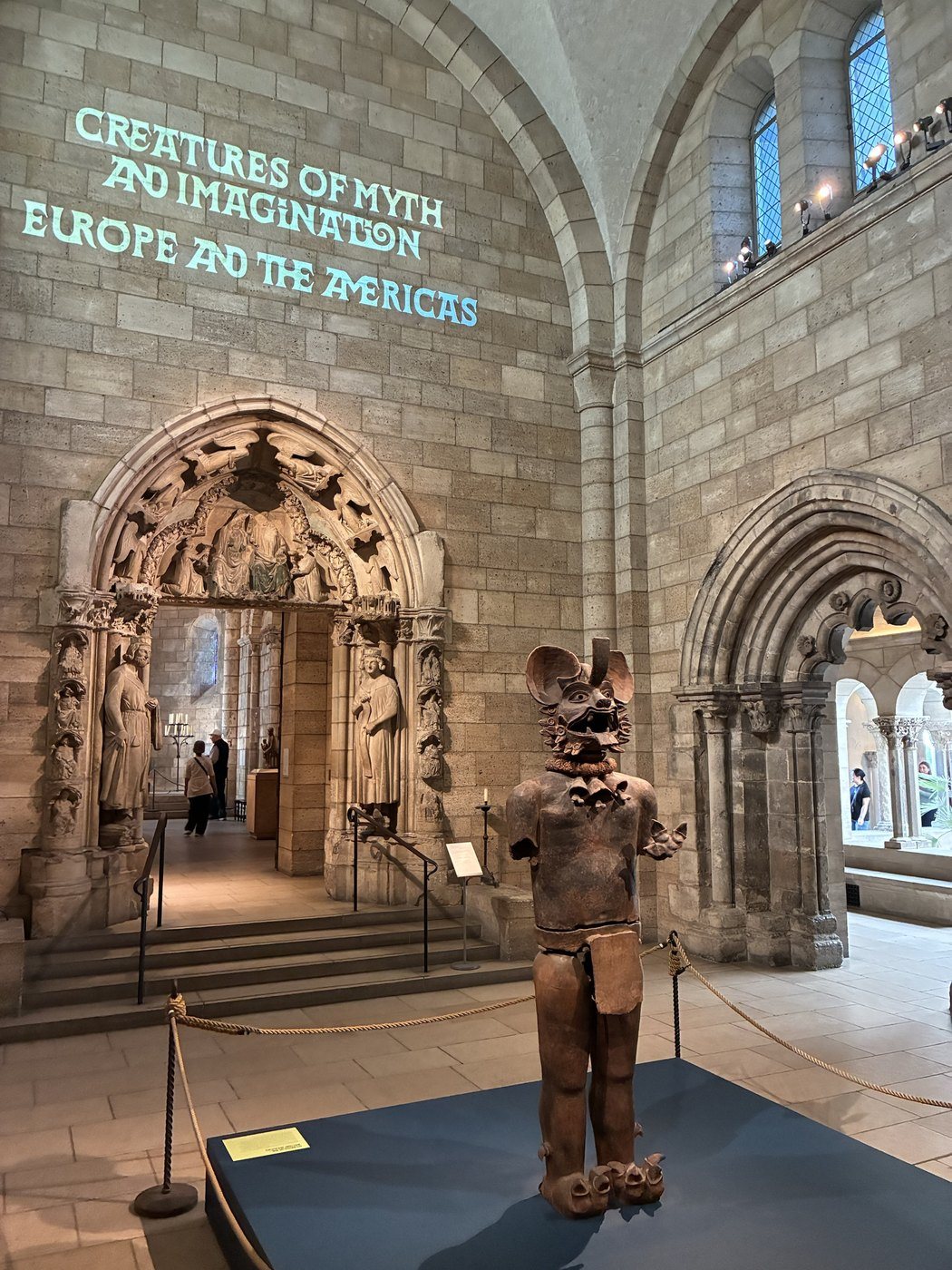
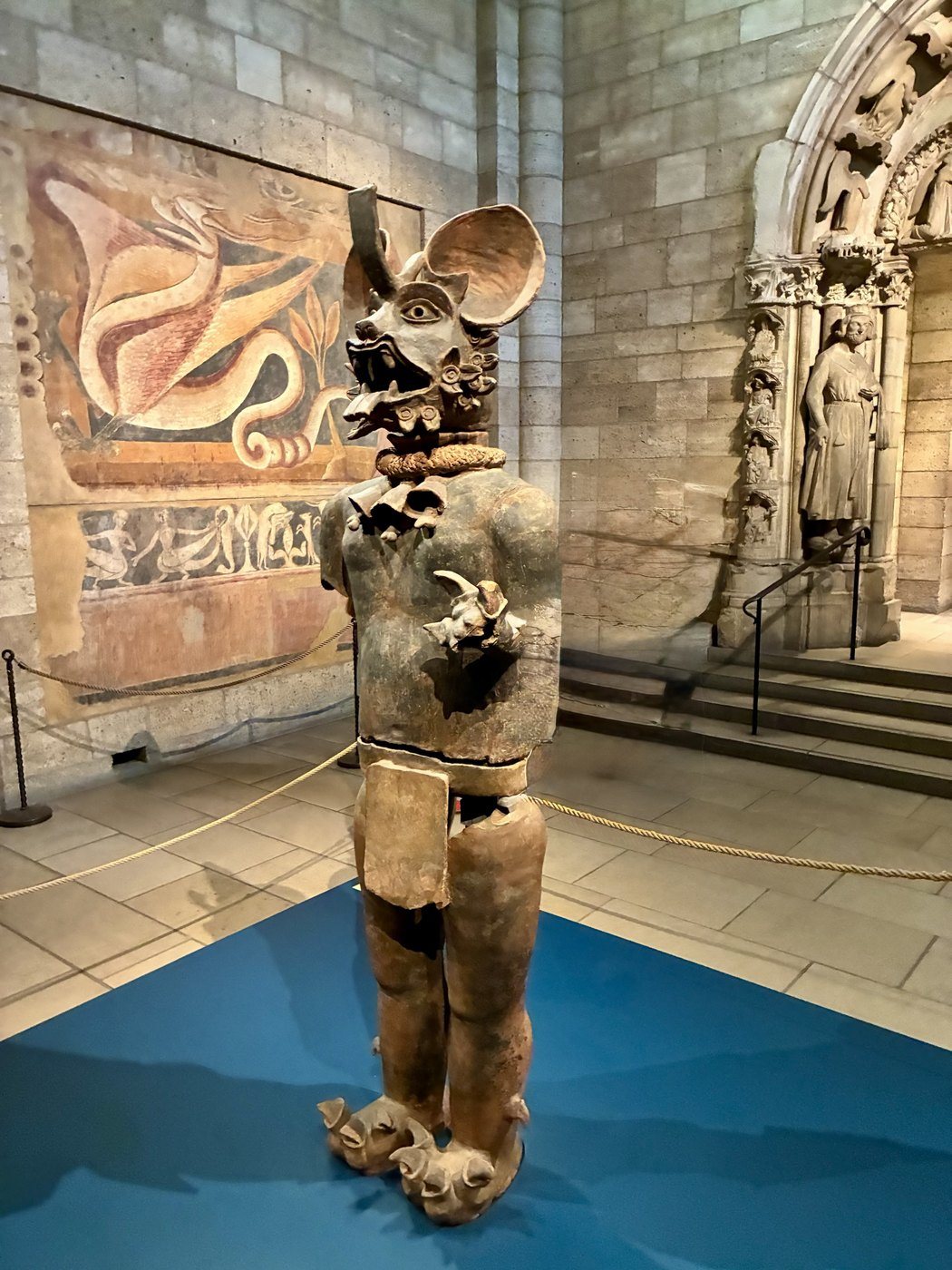
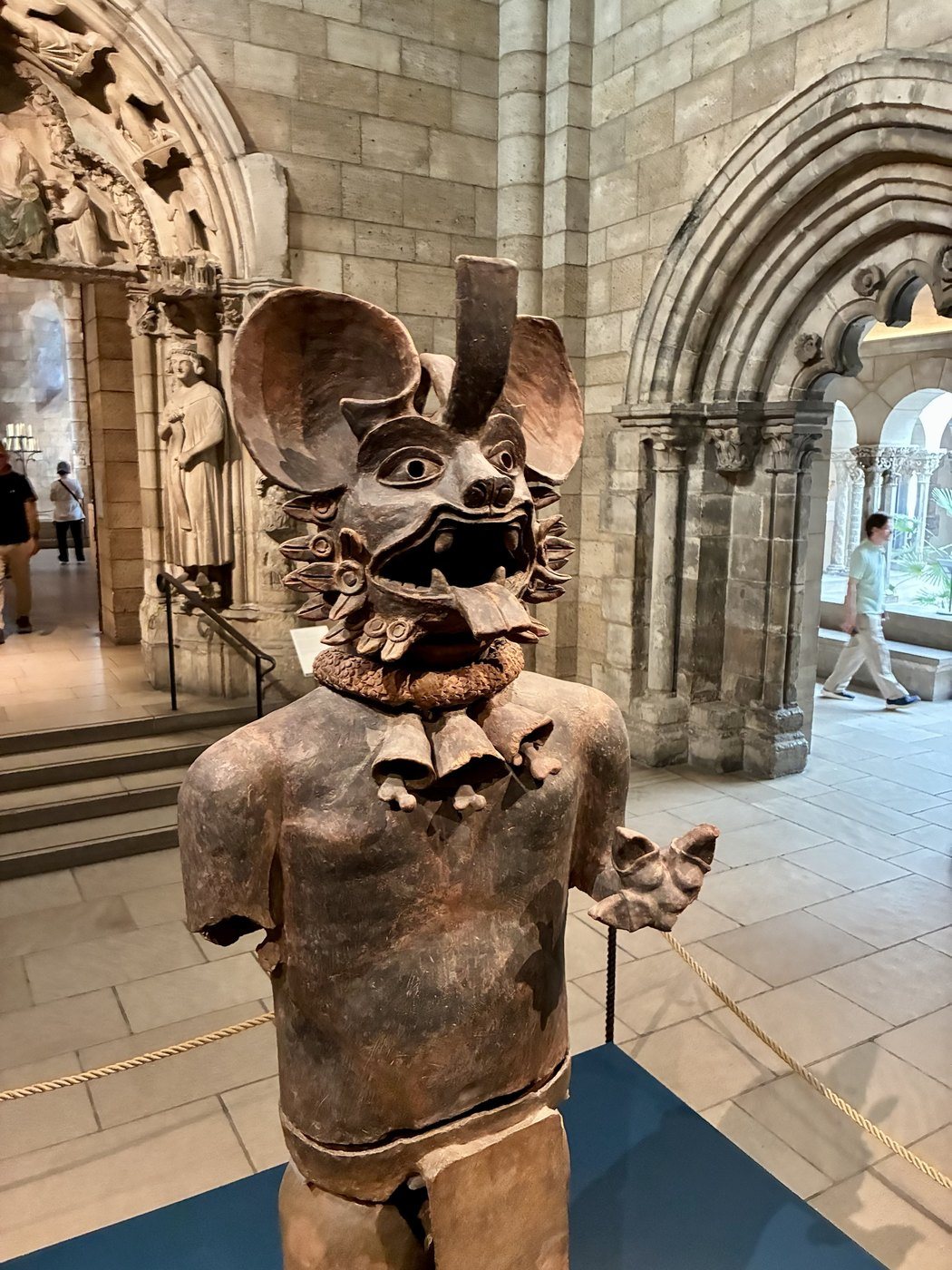
Tzinacantecuhtli, the Zapotec Bat Lord: a man's body with a bat's head and claws, ears like dinner plates and a necklace of bells with bone clappers. Bats belonged to caves and the underworld, and the Bat Lord stood for death and renewal.

Seen in the wild · 3 photos
The way in: the Bat Lord under the exhibition titleThe Bat Lord, with the Arlanza dragon behind him — the Americas and Europe in one frameBat ears, leaf nose, and a necklace of bells with bone clappers

Sighted at: The Cloisters 2026

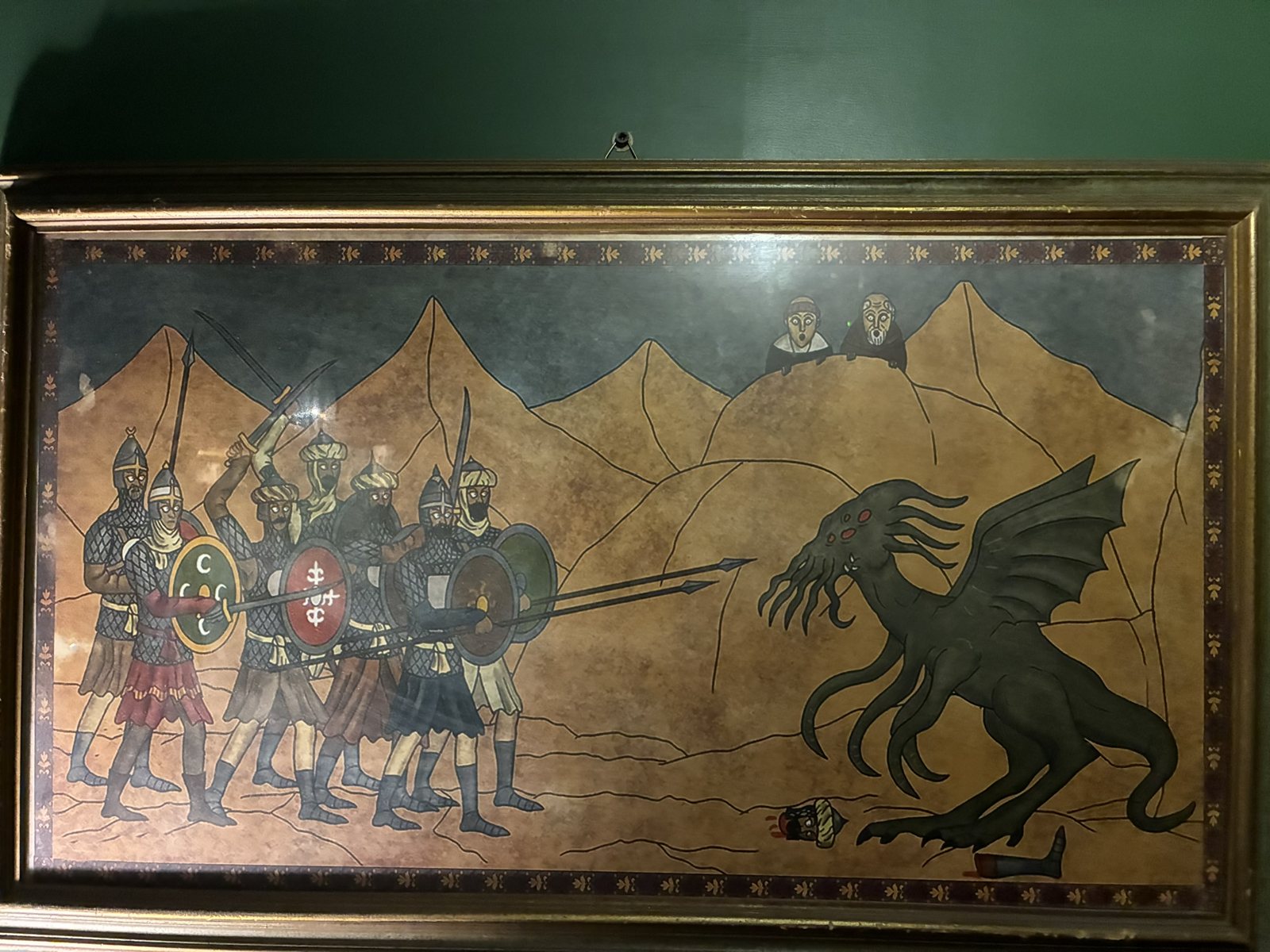
Arlanza Dragon

Arlanza Dragon

First known 1210 · Spain (San Pedro de Arlanza) · dragon

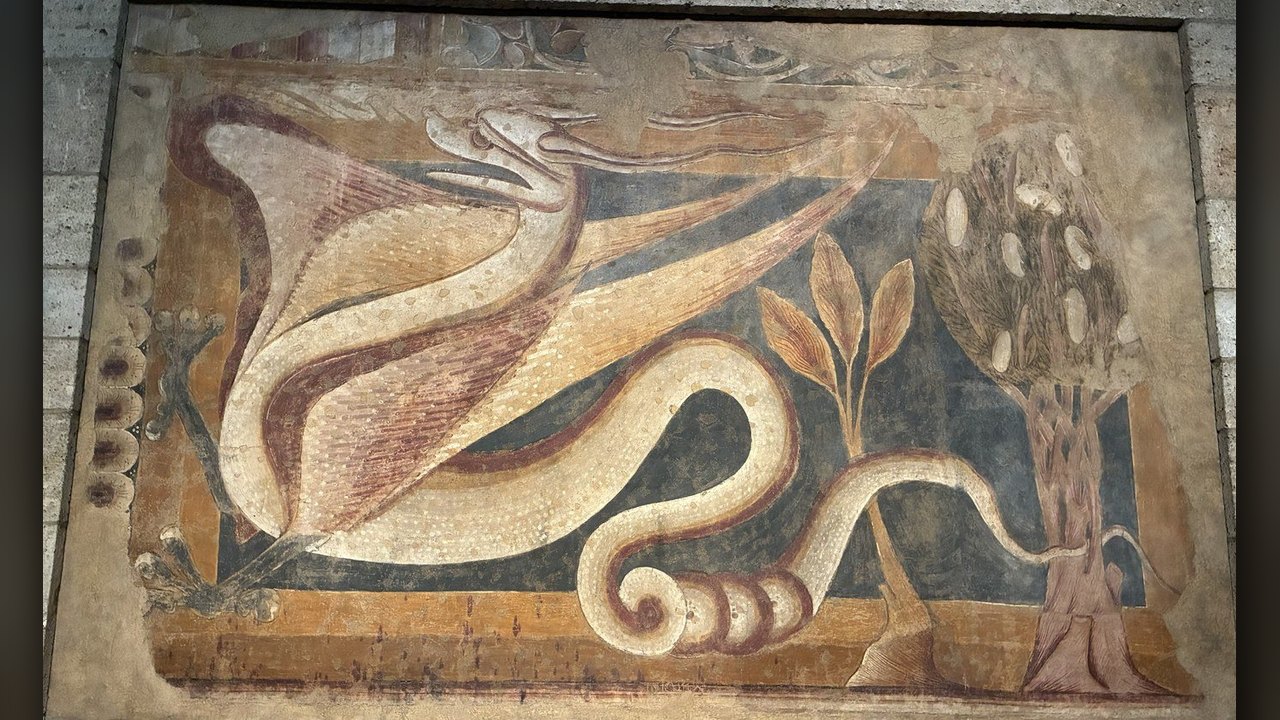
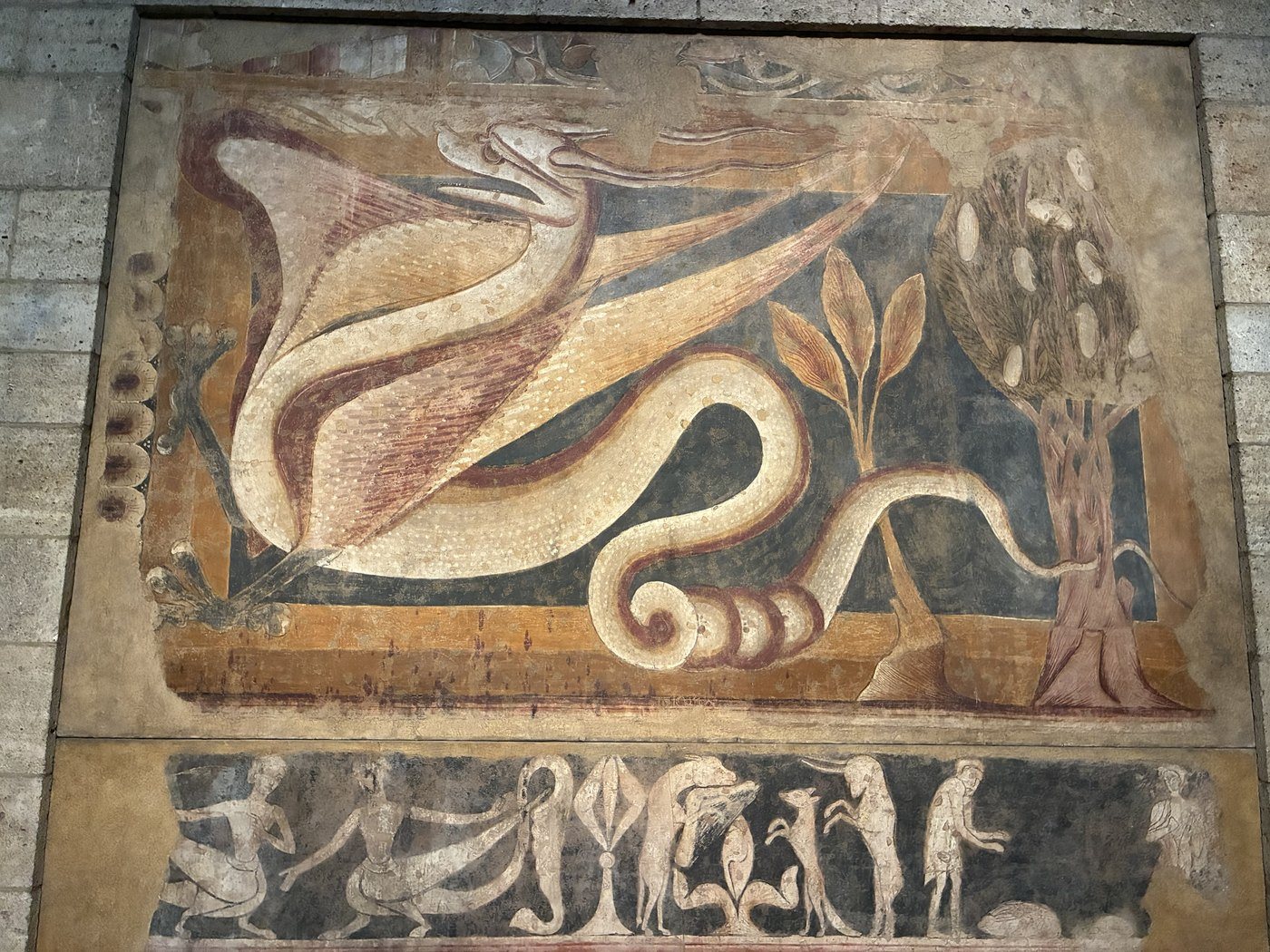
A dragon painted on a monastery wall in Spain sometime after 1200, tail coiled into a spiral, wings swept back like a cape. Nobody is sure what lesson it taught -- maybe it was just there to delight. It came to New York in 1931 and lives at The Met Cloisters.

Seen in the wild · 1 photo
The dragon wall painting, as it hangs today

Sighted at: The Cloisters 2026

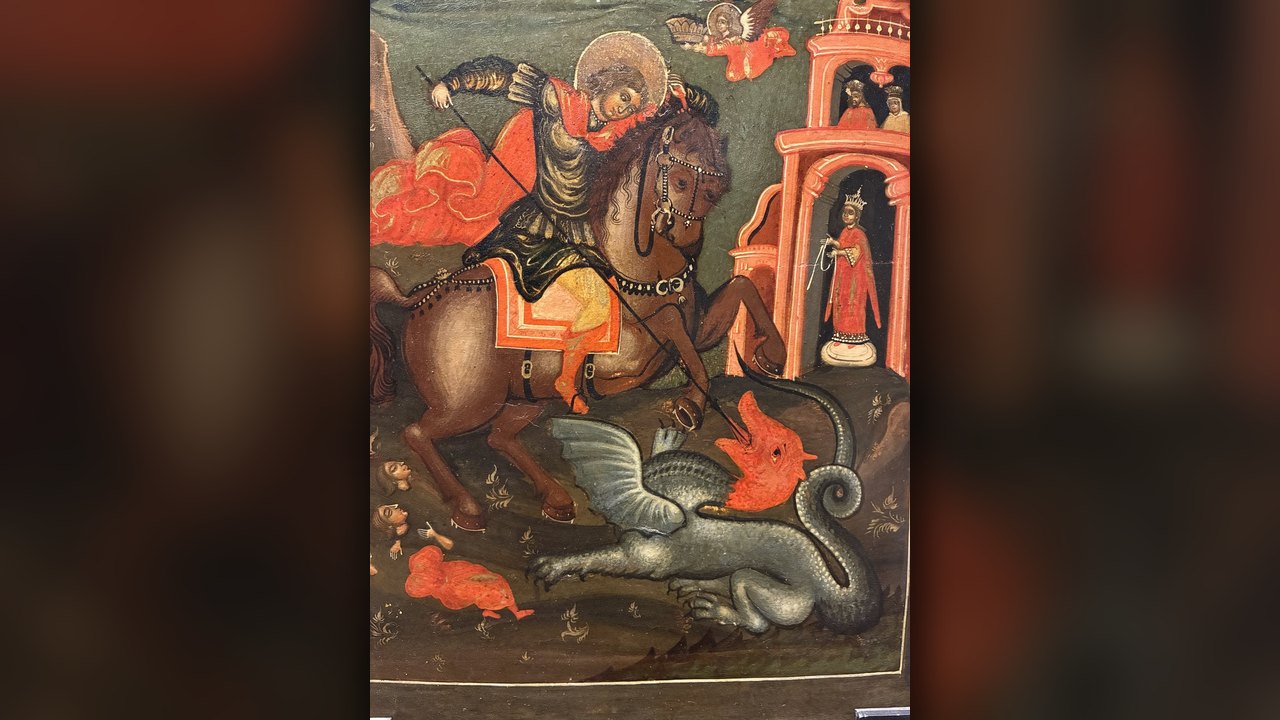
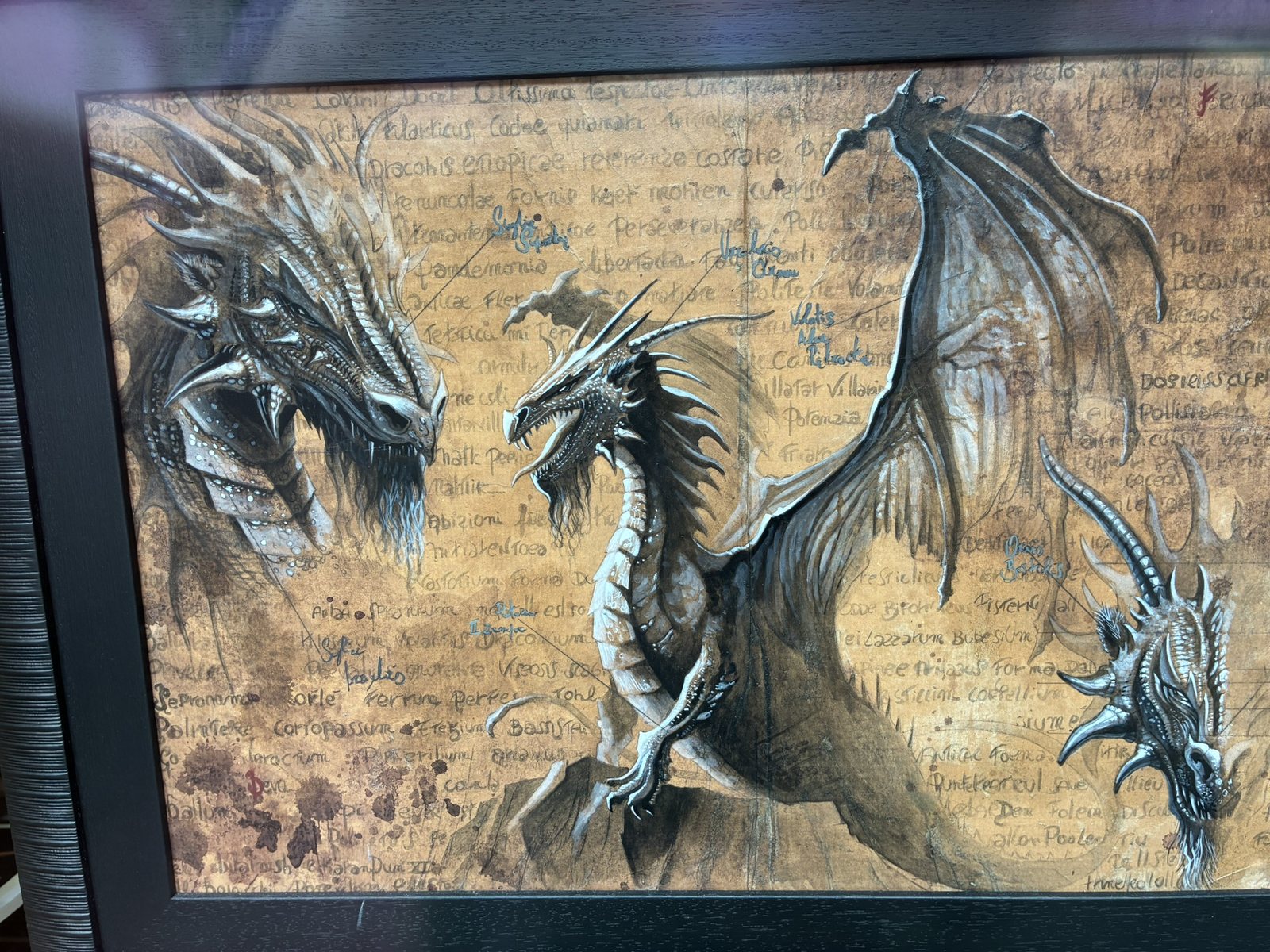
Saint George's Dragon

Saint George's Dragon

First known 1260 · Europe (The Golden Legend) · dragon

The dragon that demanded a princess for dinner, until George rode up and speared it. The Golden Legend made the story famous across Europe in the 1260s, and painters never stopped painting it.

Seen in the wild · 3 photos
Knights versus dragonA dragon, underfootFramed dragons

Sighted at: Italia 2026

AGE 4 · 1450–1799

Here Be Dragons

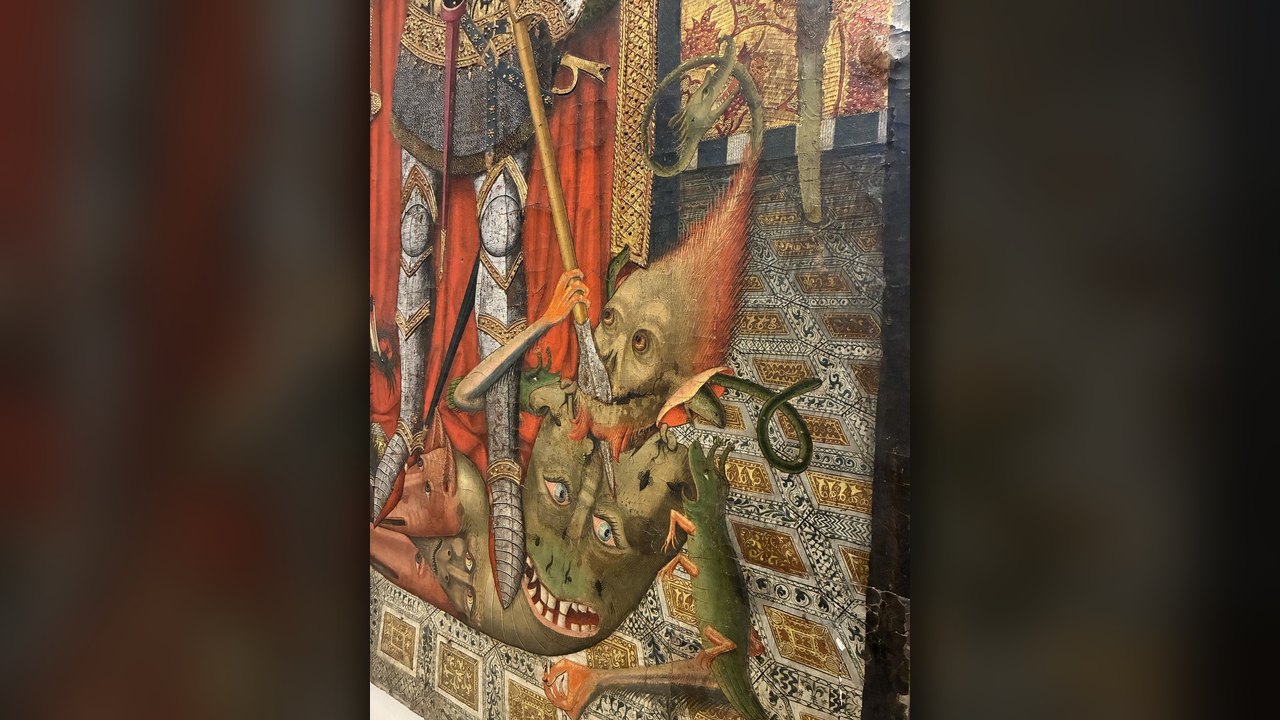
The Many-Faced Demon

The Many-Faced Demon

First known 1475 · Spain (Master of Belmonte) · demon

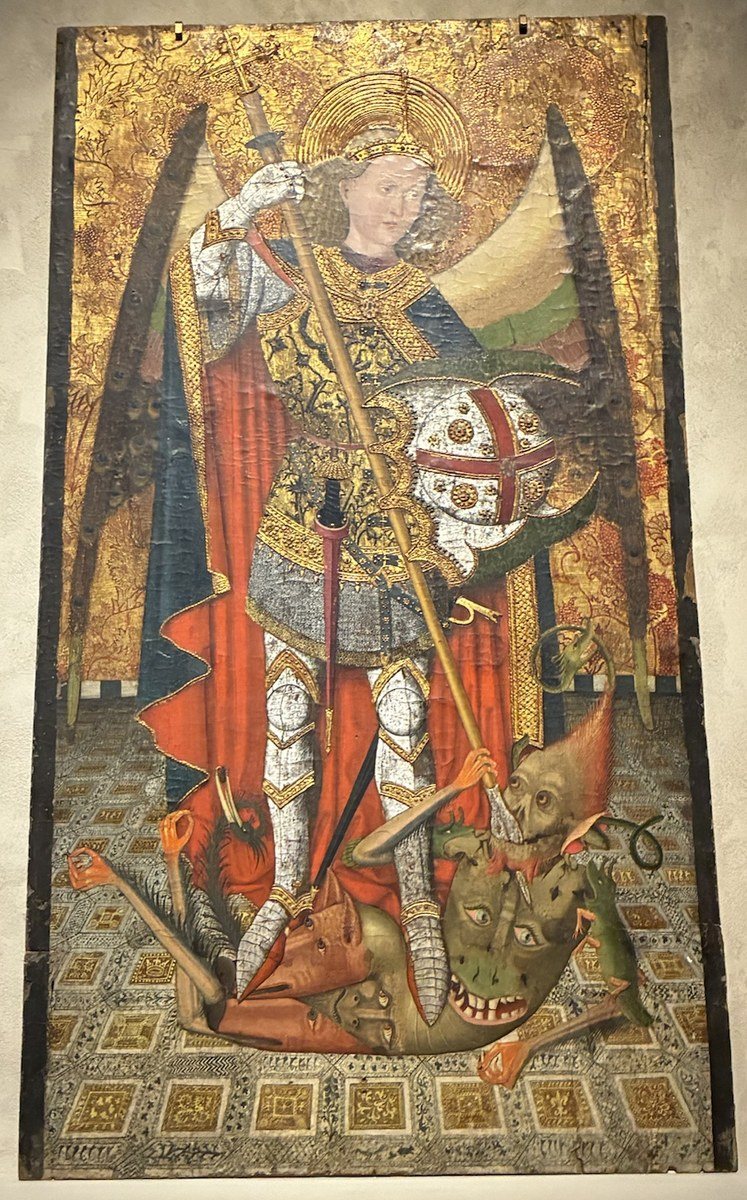
The demon under Saint Michael's boots in a Spanish altarpiece from the late 1400s: a gaunt body made of bird and reptile parts, with extra faces on its chest, belly and knees, and lizards, a snake and spiders crawling over it.

Seen in the wild · 3 photos
Saint Michael, by the Master of Belmonte (Spain, 1450-1500)Faces stacked on facesRed and blue tentacles

Sighted at: The Cloisters 2026, Osaka 2025, Austin 2023

Jersey Devil (Winged devil of the Pine Barrens)

Jersey Devil (Winged devil of the Pine Barrens)

First known 1735 · New Jersey Pine Barrens folklore · cryptid

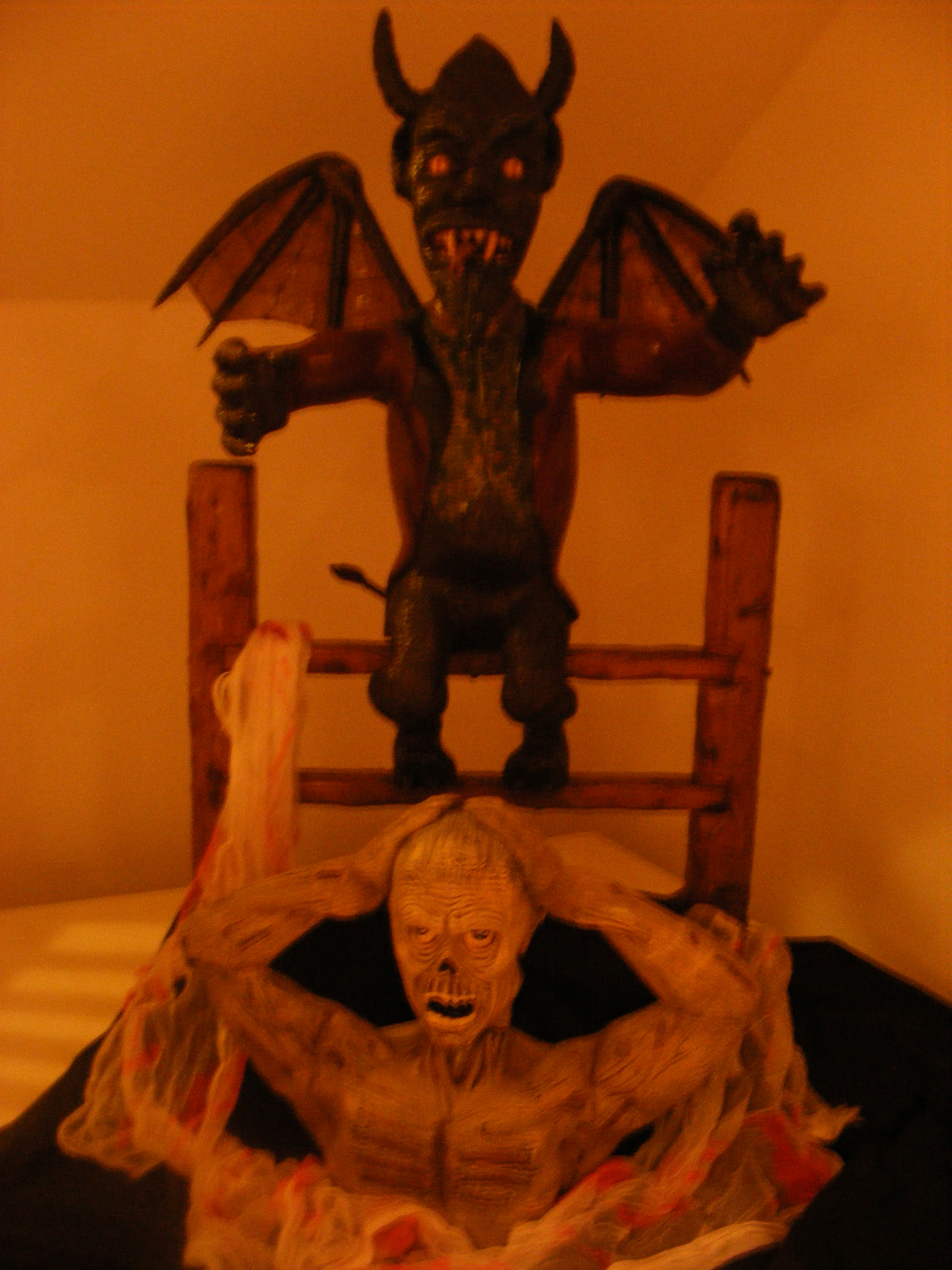
New Jersey's own monster, born -- the story goes -- as the cursed 13th child of Mother Leeds in the Pine Barrens in the 1700s: hooves, horns, leathery wings and a blood-curdling cry. In January 1909 cloven footprints across snowy rooftops set off a week of sightings in New Jersey, Pennsylvania and Delaware that closed schools and mills. Camden merchants offered $10,000 for its capture in 1960 -- never claimed -- and in 1982 a statewide newspaper vote named the NHL's New Jersey Devils after it.

Seen in the wild · 1 photo
Build your own cryptid: Bigfoot, Mothman and the Jersey Devil

Sighted at: Philadelphia 2026

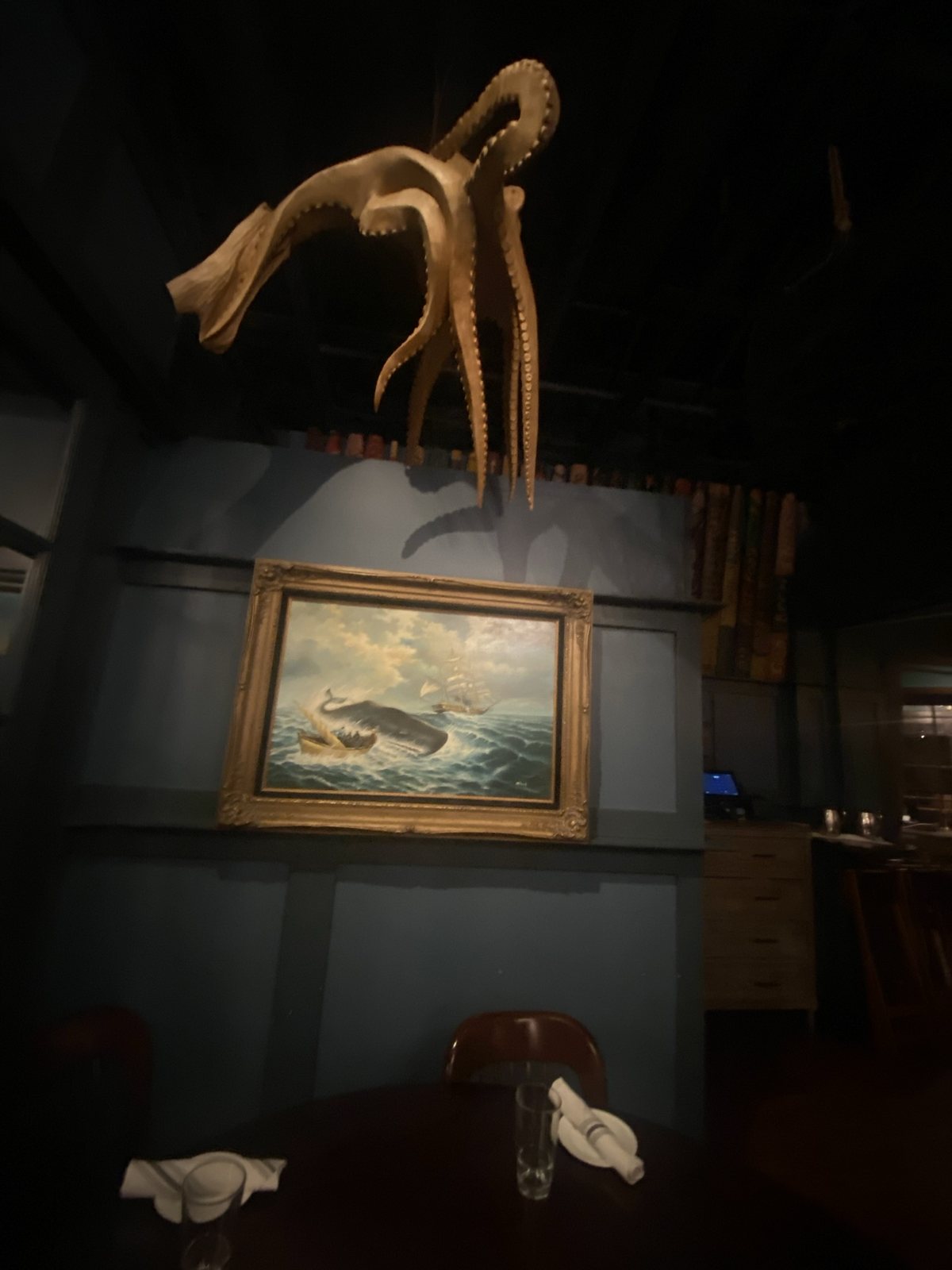
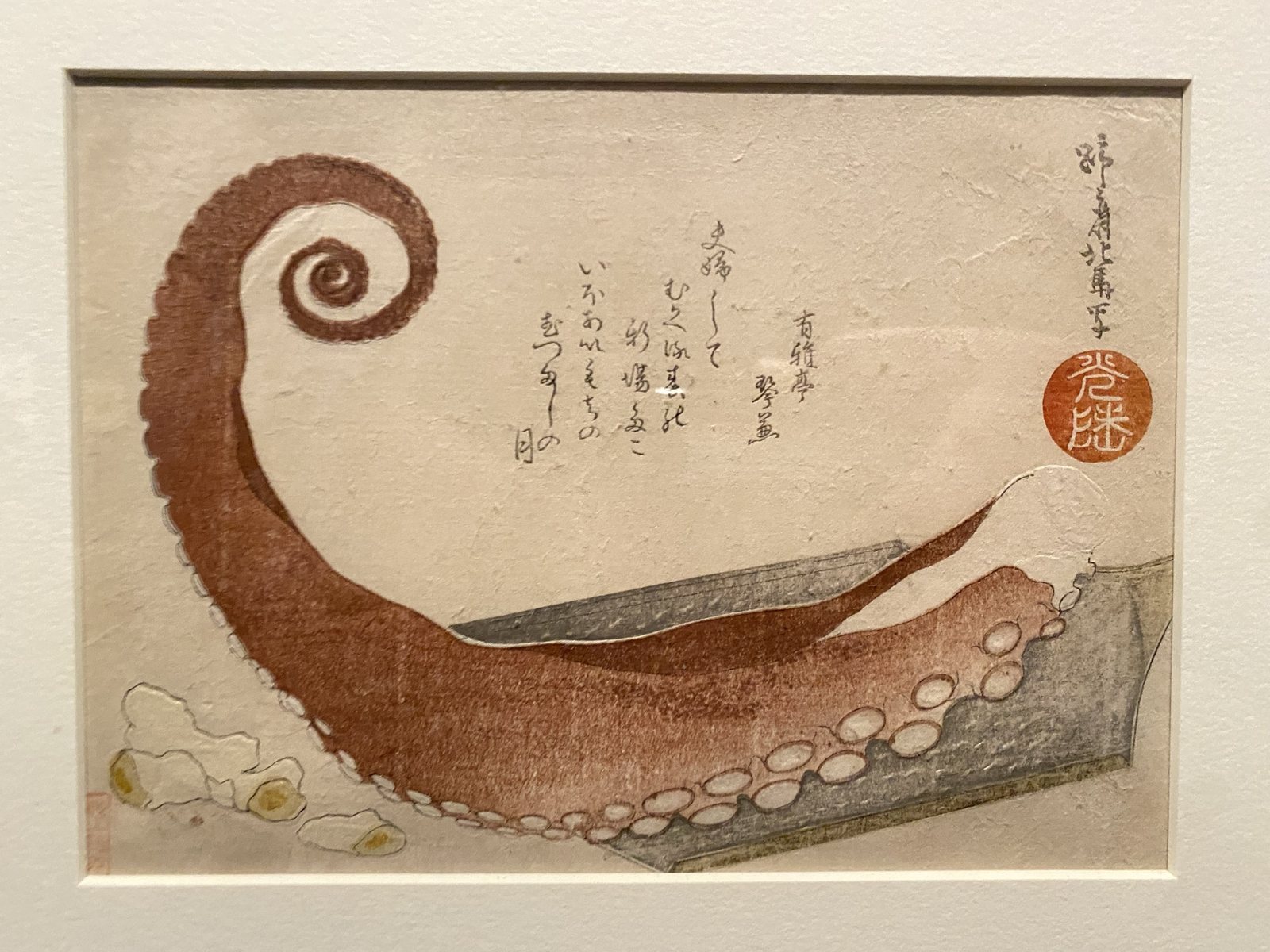
Kraken

Kraken

First known 1752 · Norway (Erik Pontoppidan) · sea monster

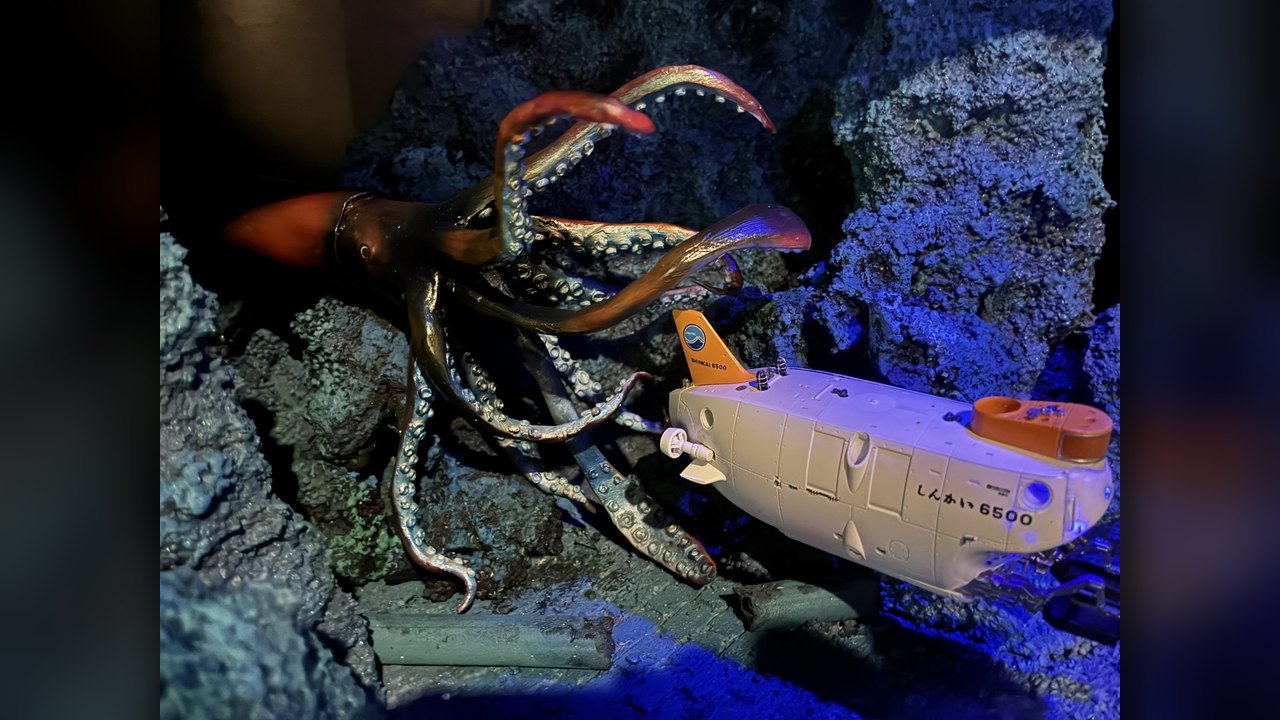
Norway's sea monster, so big that sailors mistook it for an island. Bishop Erik Pontoppidan wrote it up in 1752, and every giant squid and octopus since has borrowed its legend.

Seen in the wild · 3 photos
An octopus with a ship painting for companyAn octopusAn octopus and a diver

Sighted at: Boston 2023, Sidewalk Safari

AGE 5 · 1800–1909

Gothic & Victorian

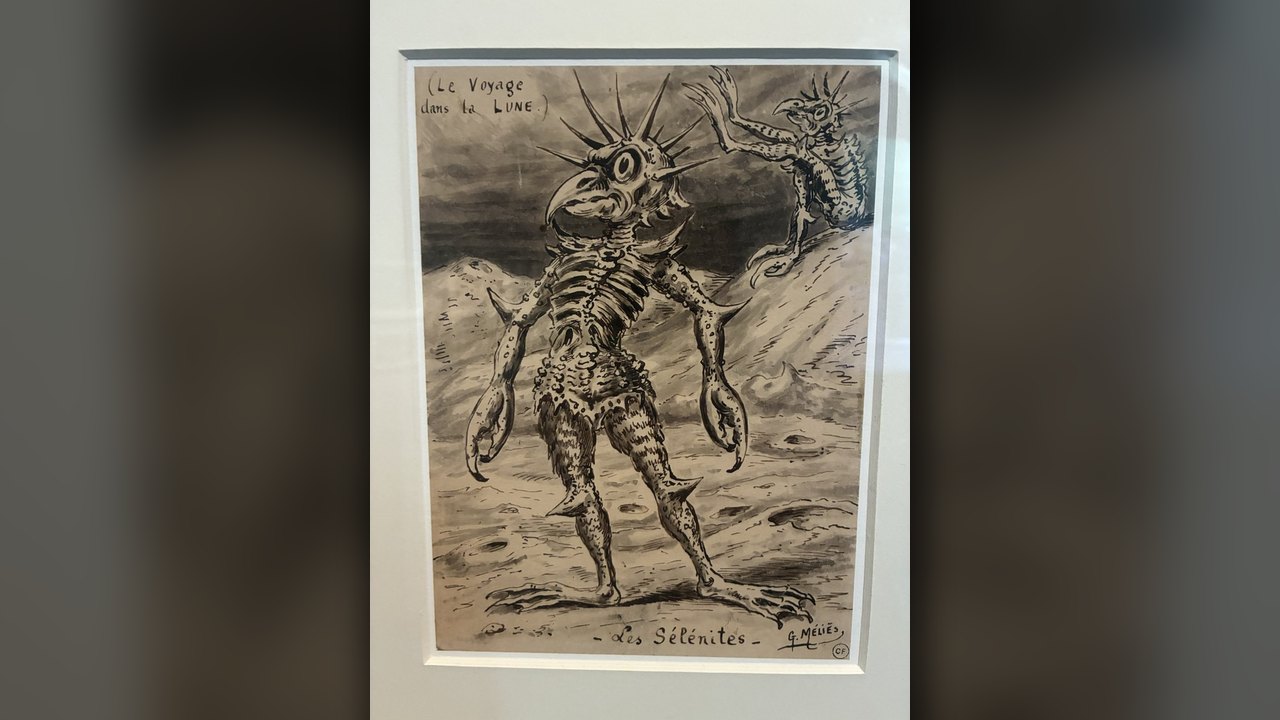
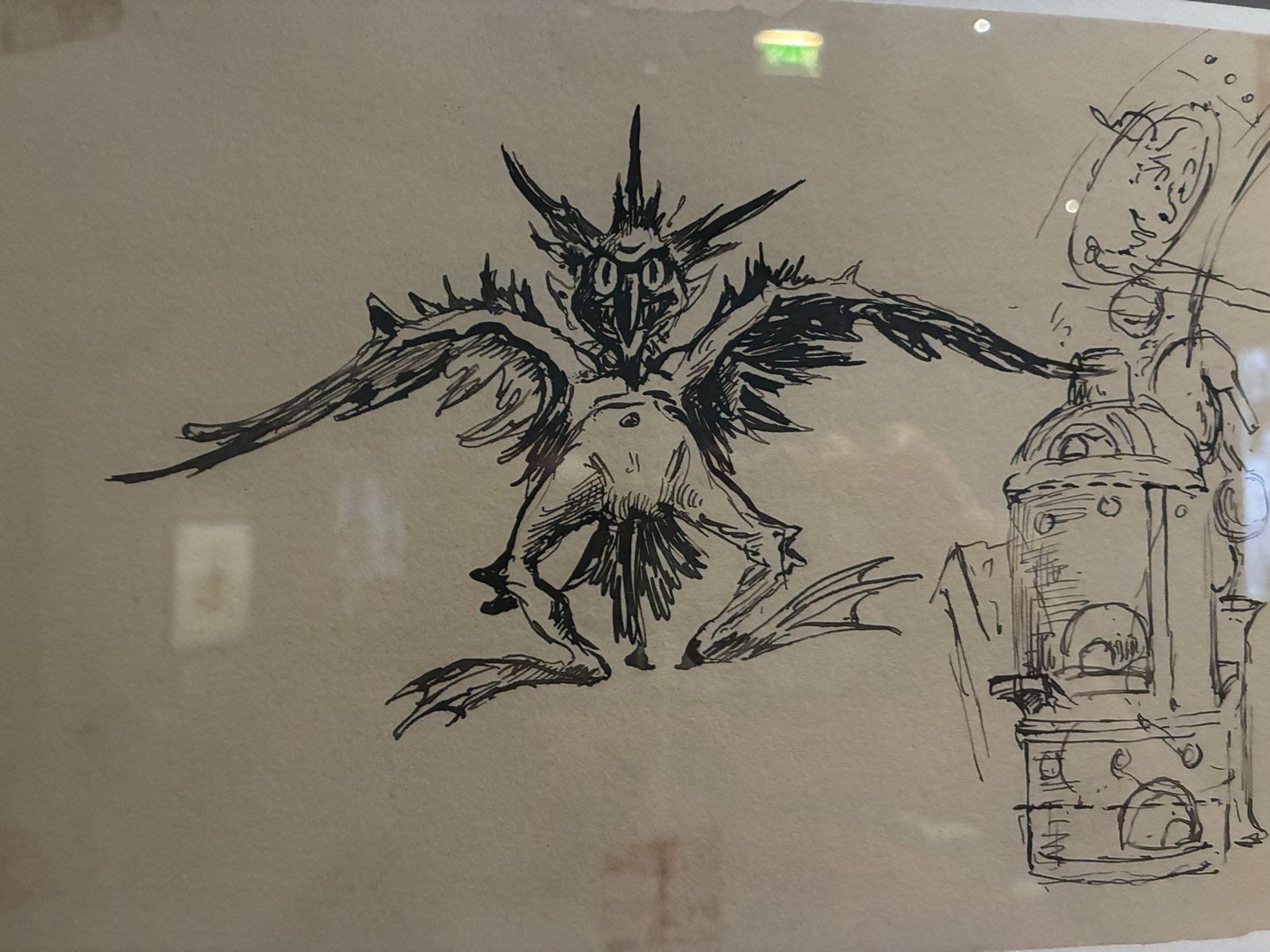
Selenites

Selenites

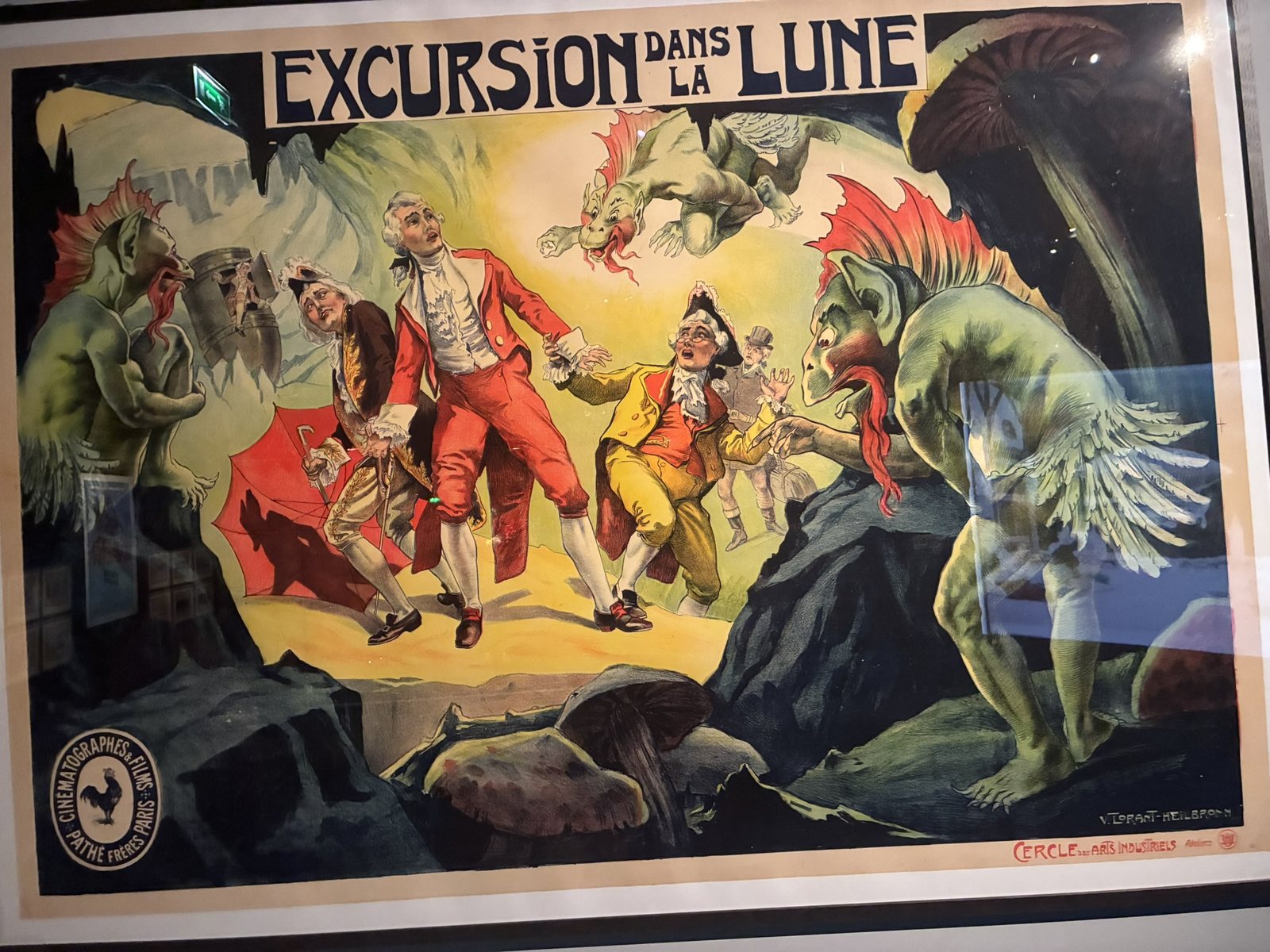
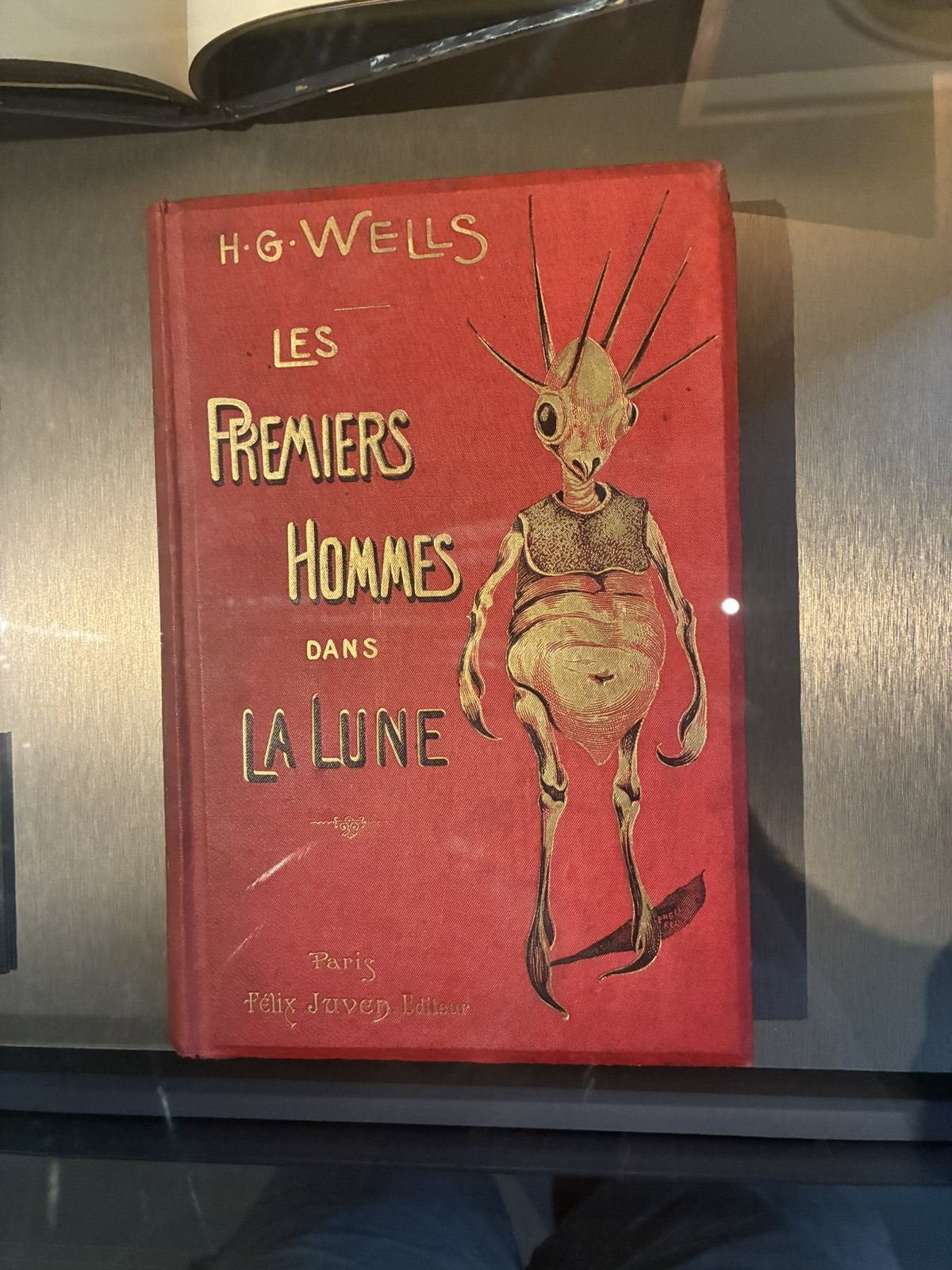
First known 1901 · H. G. Wells (The First Men in the Moon) · moon people

The insect-like people of the Moon in H. G. Wells's The First Men in the Moon (1901). A year later Georges Melies put them in A Trip to the Moon, where they burst into smoke when you whack them with an umbrella.
Seen in the wild · 3 photos
A Méliès creature sketchExcursion dans la LuneH. G. Wells's First Men in the Moon, in French

Sighted at: Paris 2026

AGE 6 · 1910–1969

Silver Screen & Pulp

King Kong

King Kong

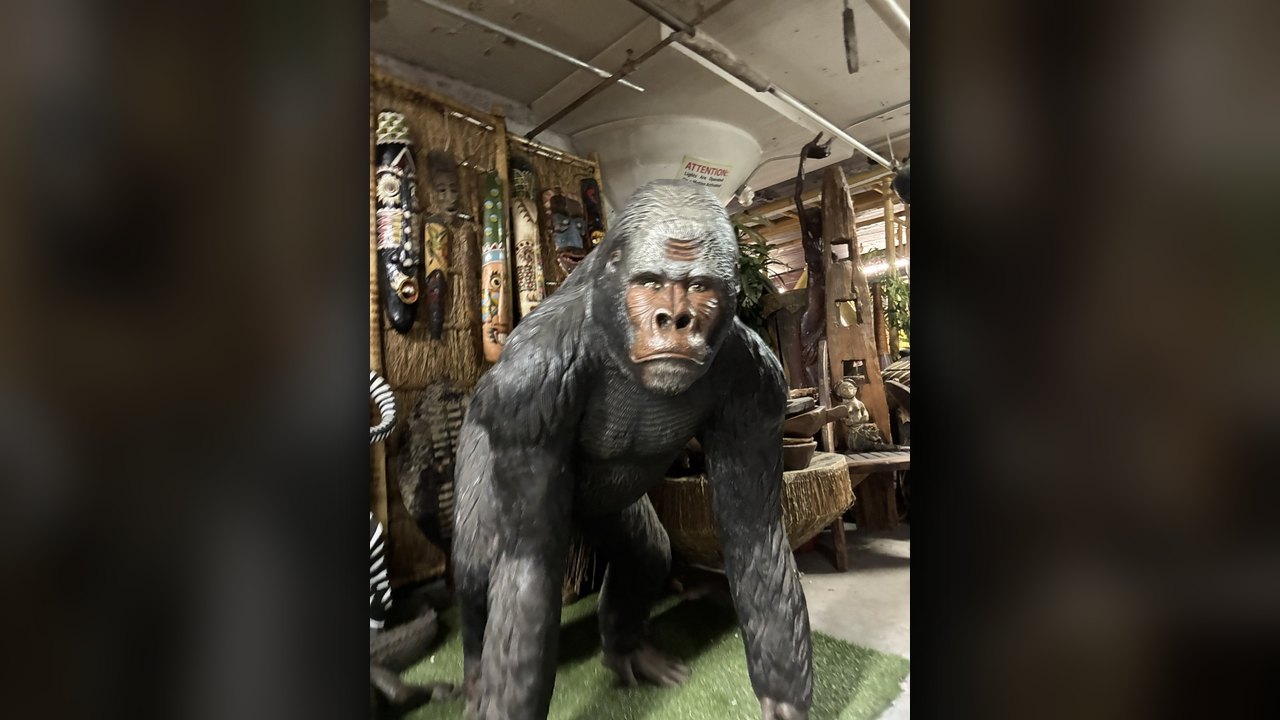
First known 1933 · RKO Radio Pictures · giant ape

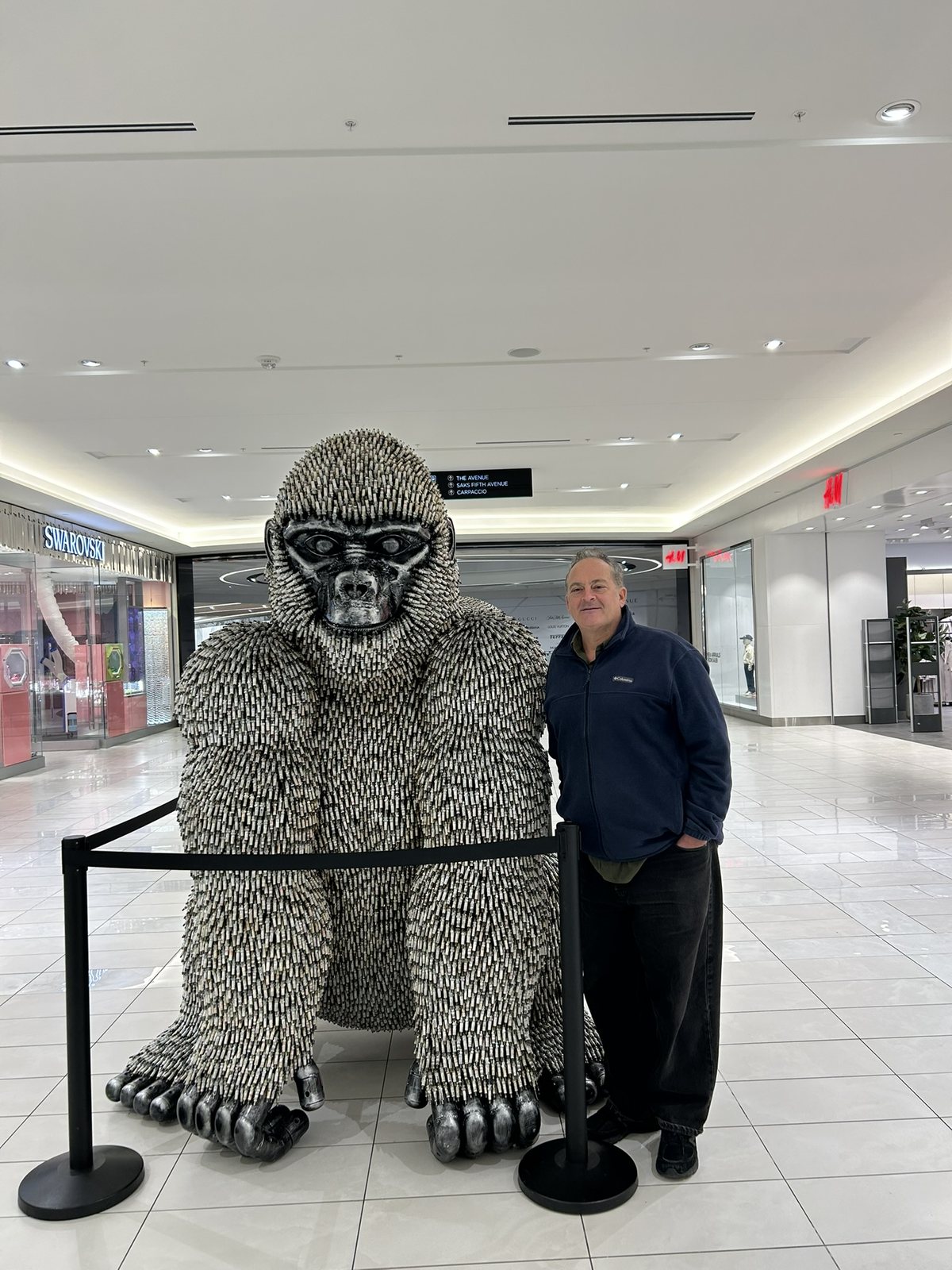
The Eighth Wonder of the World: a giant ape from Skull Island, brought to New York in chains. He ends up on top of the Empire State Building, swatting at biplanes -- the most famous scene in monster-movie history.

Seen in the wild · 1 photo
DiLo and a silver gorilla, sizing each other up

Sighted at: Sidewalk Safari

Godzilla

Godzilla

First known 1954 · Toho · kaiju

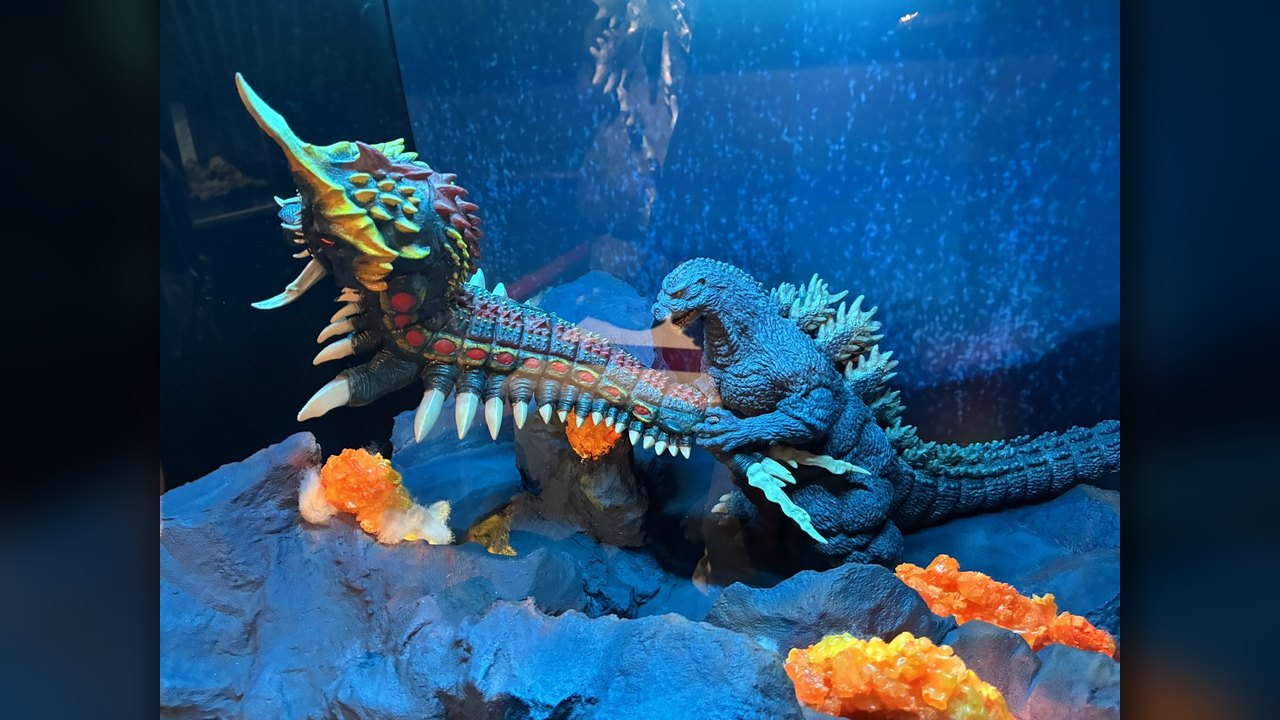
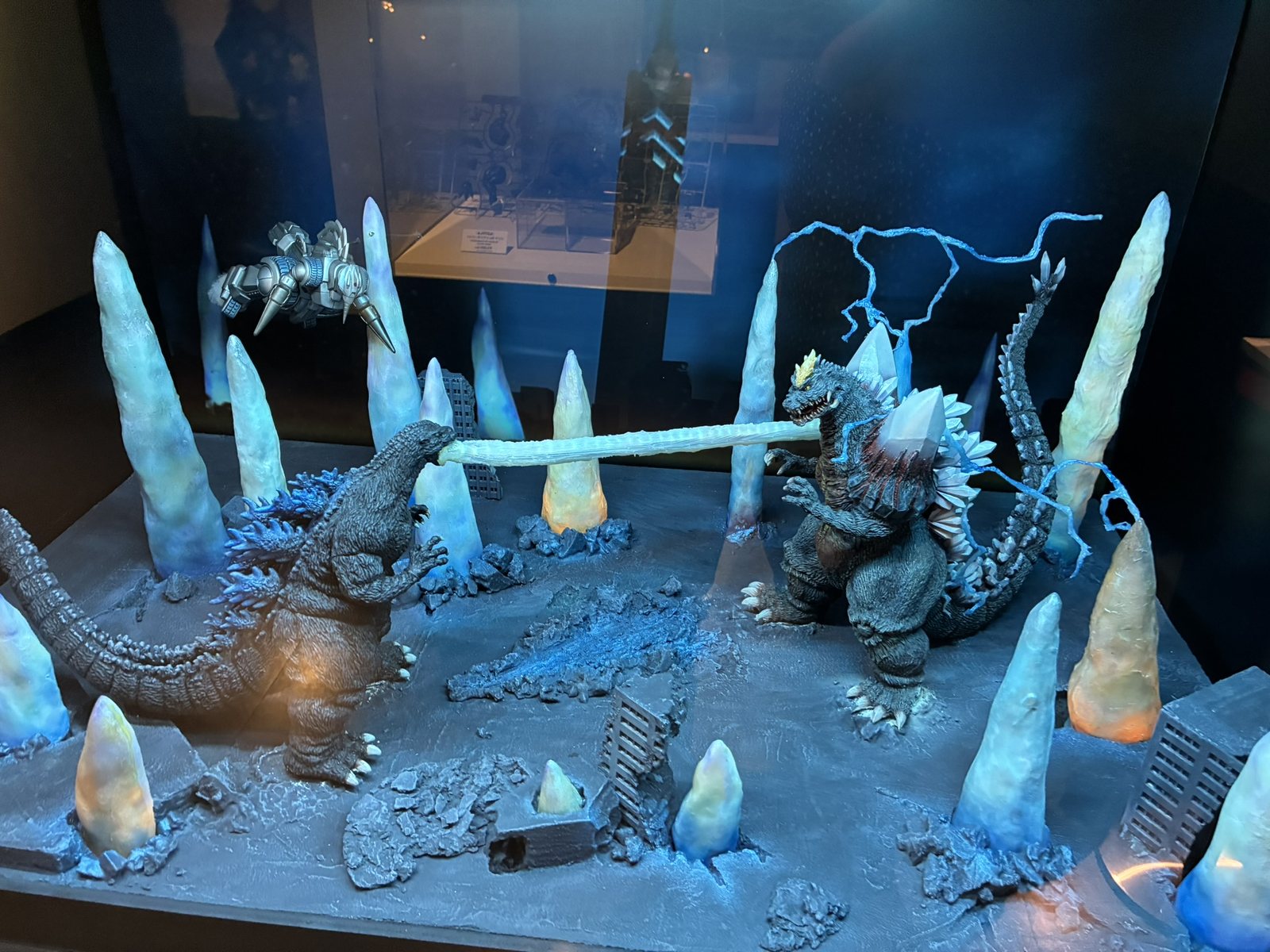
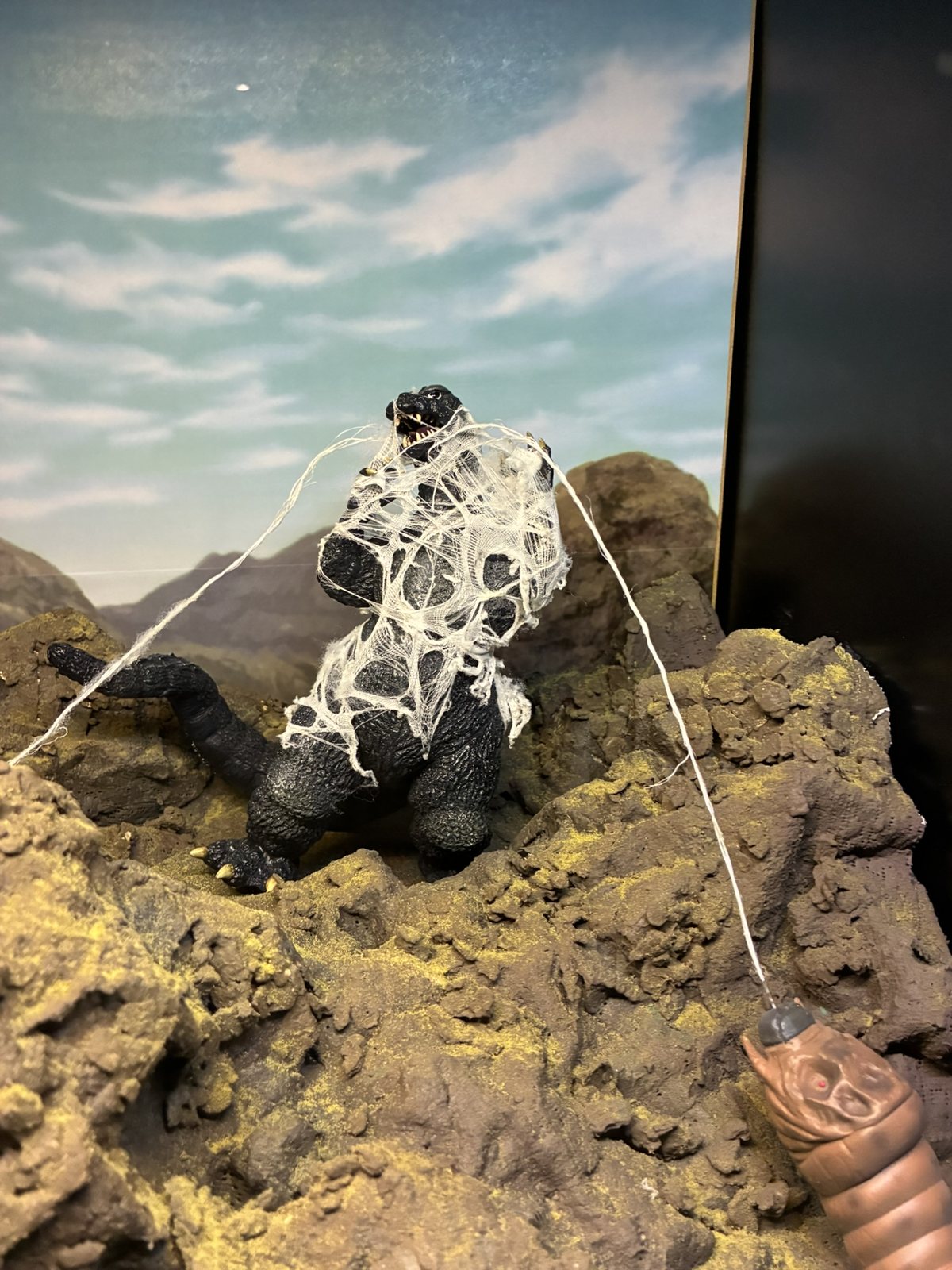
The King of the Monsters: a prehistoric giant woken and mutated by H-bomb tests, who wades out of Tokyo Bay breathing atomic fire. Toho's 1954 film started a series that's still going 70 years later.

Seen in the wild · 2 photos
Godzilla vs. SpaceGodzillaA kaiju wrapped in Mothra's silk

Sighted at: Osaka 2025

King Ghidorah

King Ghidorah

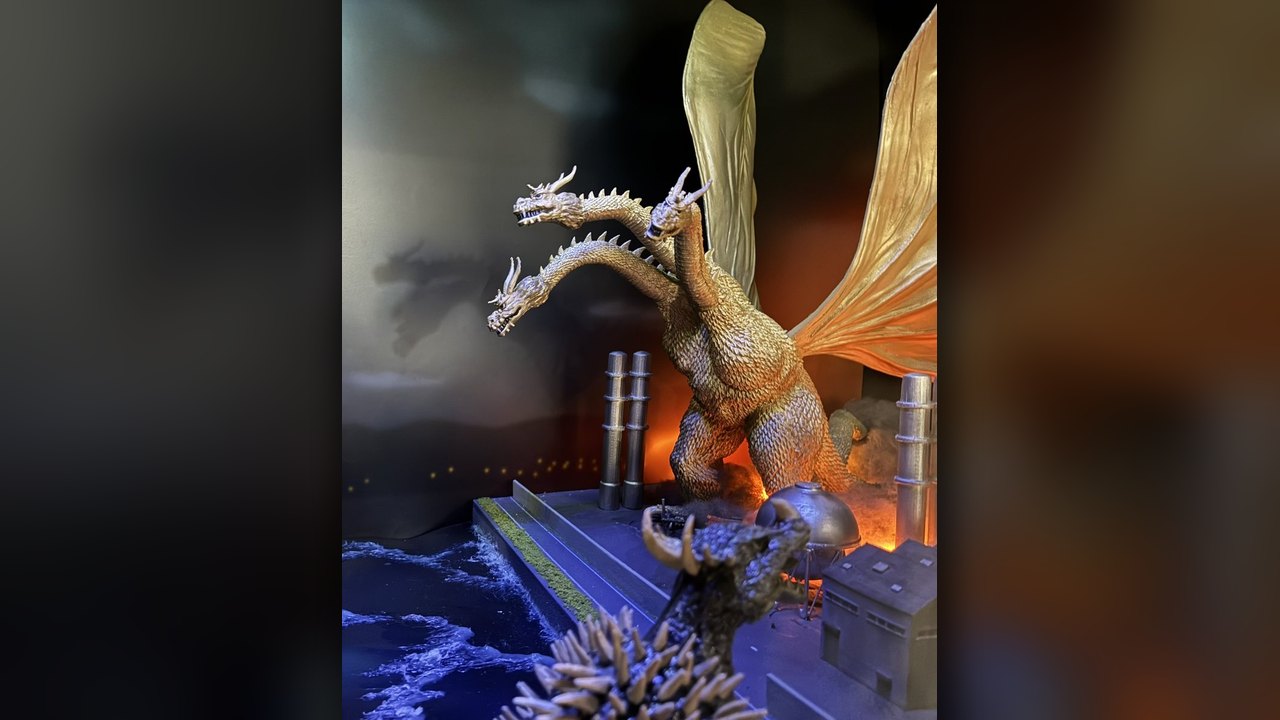
First known 1964 · Toho (Ghidorah, the Three-Headed Monster) · kaiju

Three heads, two tails, golden scales and lightning breath: the space dragon who first arrived in Ghidorah, the Three-Headed Monster (1964), and has been Godzilla's arch-enemy ever since.

Seen in the wild · 1 photo
King Ghidorah and Rodan

Sighted at: Osaka 2025

Photographs by DiLo. The artworks, objects and figures belong to their makers and to the museums, collections and shops that look after them. The Le Stryge portrait is DiLo's photo of a Centre des monuments nationaux photo panel (photo: David Bordes).