Proof that monsters are real. Dragons on monastery walls, kaiju in Osaka shop windows, stone ogres in an Italian forest, gargoyles over Paris and the odd ghost in a Union Square Halloween shop — 152 photographs from 20 expeditions, all taken by DiLo. Pick a stamp from the passport, or just scroll and wander. Click any photo to see it large; the arrow keys walk you through the whole journal.
Featured Piece · The Classical World · Roman wall painting, before 79 CE
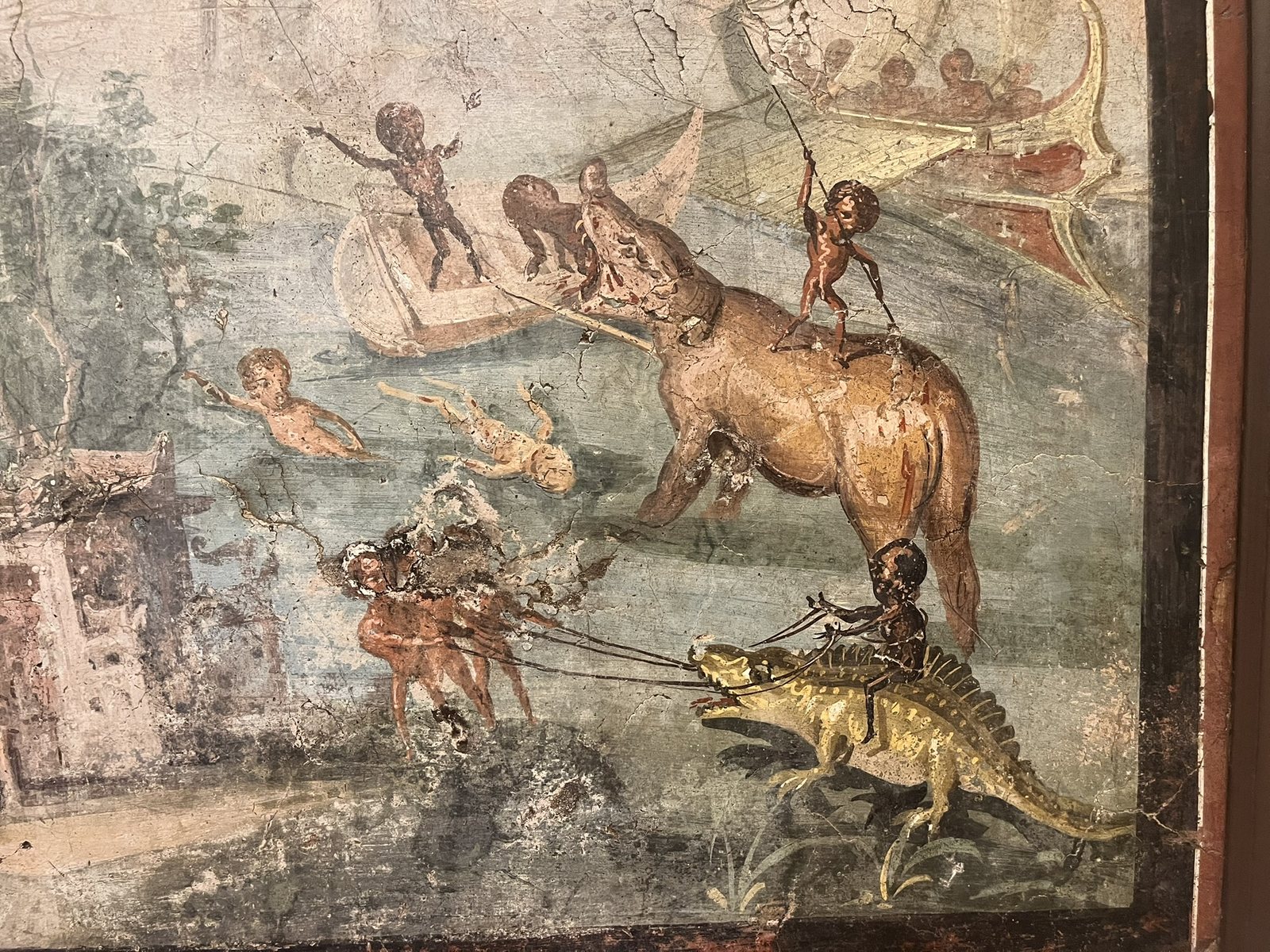
The Nile imagined at Pompeii
A hippopotamus looms over a boat; below it, a crocodile carries a tiny rider. The animals are real, but their encounters belong to a painted world of danger, comedy and exaggeration. This is Egypt as imagined on a Roman household wall—not a wildlife documentary.
The work: Scene on the Nile, a Fourth Style fresco from the peristyle of the House of the Doctor (VIII.5.24), Pompeii. Now in the Museo Archeologico Nazionale di Napoli, inventory 113195. The photographed book caption gives 75 × 127 cm. The eruption of 79 CE is a latest possible date, not a claimed year of creation.
Detail photographed by DiLo at the Naples archaeological museum. The complete fresco extends beyond this photograph. Select a number to explore the scene, or the photograph to enlarge it.
The beasts—and people—within
1 · Hippopotamus
The enormous open mouth and heavy body identify a hippo, not the elephant named in one reproduction seller’s title. A person stands on its back while a boat and its occupants are caught in the encounter. A real river animal becomes the scene’s outsized menace.
2 · Crocodile
The long jaws and armored back are unmistakable. The rider appears to hold lines toward its mouth: a dangerous animal treated almost as a mount. That visual absurdity is part of the scene’s unsettling humor.
3 · Human figures
Older catalogues call these figures “pygmies.” In this artistic tradition, the term refers to exaggerated, small-statured figures associated with Greek myth—not a reliable portrait of a living African community. Here the humans, rather than the animals, receive the most fanciful treatment.
A Roman room with an imagined Egyptian view
“Nilotic” simply means relating to the Nile. Roman painters and mosaic makers used its river life to create distant, marvelous settings. Such scenes could suggest abundance, danger, comedy or an owner’s familiarity with the wider world. Their meanings varied with their setting; no single explanation accounts for every Nile landscape.
This fresco belonged to a house’s peristyle—a courtyard bordered by columns. The photographed book places small landscape scenes within the larger decorative arrangements of Pompeian rooms. The painting was part of an environment, not originally an isolated museum picture.
Connections worth following
Real beasts, fantastic storytelling: this is a useful counterpoint to the bestiary’s hybrids. A creature need not be imaginary for an artist to give it an extraordinary role.
Egypt and the Sphinx: tiny roof figures in the complete fresco may be sphinx-like, but this detail photograph does not show them clearly enough to identify. Compare the Sphinx (Human-headed lion) for the hybrid tradition; this is a thematic connection, not a confirmed identification of the roof figures.
Sources, interpretation & what remains to check
Object identification: photographed book caption, IMG_8038; narrative discussion, IMG_8053, p. 83. Book title, author and edition still need identification. These photographs are research evidence, not reproduced illustrations here.
Separate works: the marine-life mosaics photographed in the same folder are not this fresco. One caption names House VIII.2.16; another names the House of the Faun. They remain separate research leads.
Next research: confirm a narrower creation date, identify the book, assess the tiny roof figures, and prepare a companion TimeSync entry. Public image-reuse requirements remain a separate check; this update is local only.
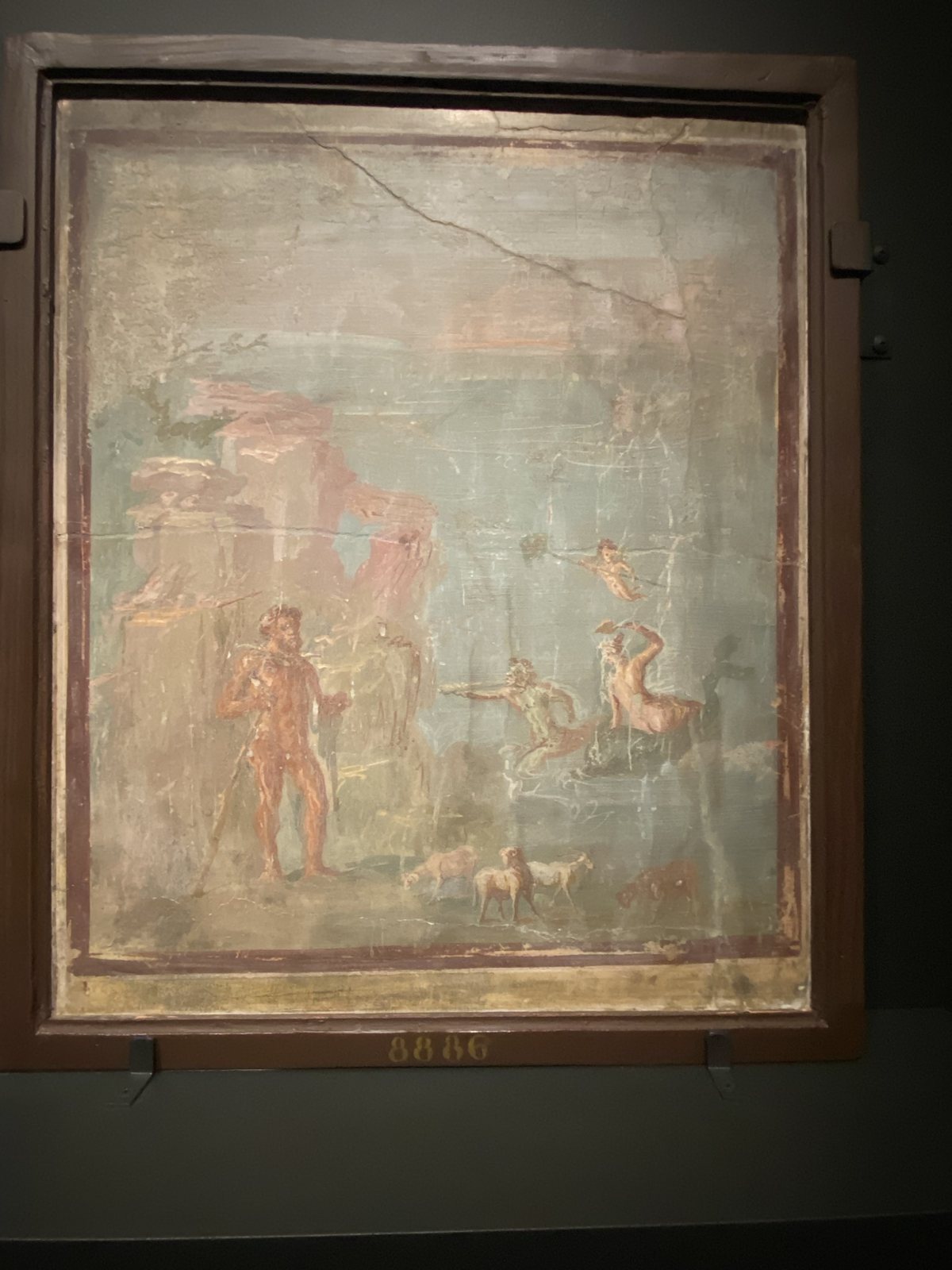
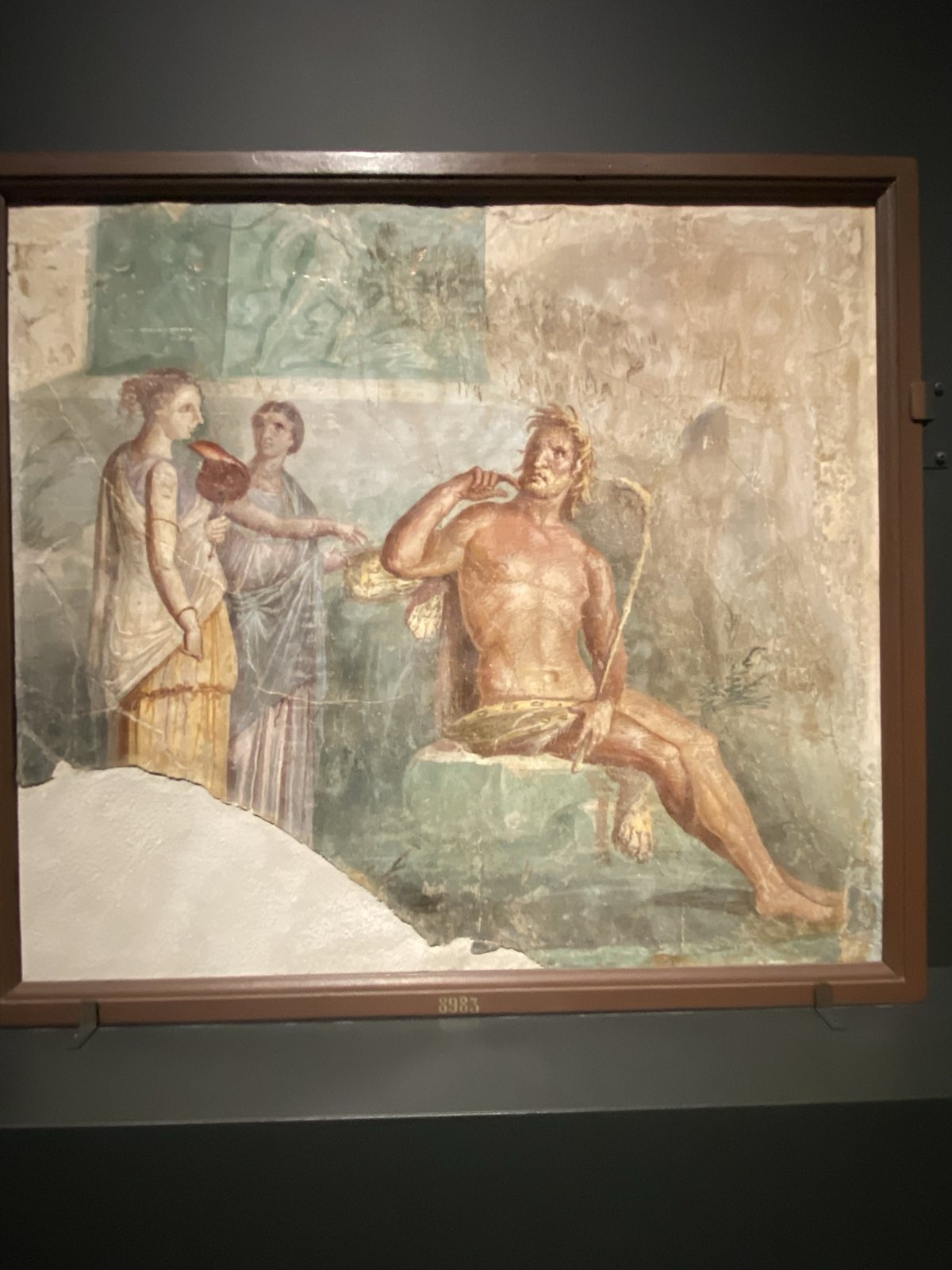
Two ancient paintings show the cyclops as a lover rather than only Homer's man-eater. Photographed museum labels identify MANN 8983 (1st century BCE) and MANN 8886 (1st century CE), both from Pompeii and in the National Archaeological Museum of Naples collection. These are DiLo's exhibition photographs; the visit date is not yet confirmed.
Ancient
Polyphemus and Galatea — 1st century CE fresco; MANN 8886. House of the Colored Capitals, room 29 west wall, Pompeii. DiLo's photograph; identification from the accompanying museum label.National Archaeological Museum of Naples collectionPolyphemus and Galatea — 1st century BCE fresco; MANN 8983. Villa at the Royal Stables at Portici, Pompeii. DiLo's photograph; identification from the accompanying museum label.National Archaeological Museum of Naples collection
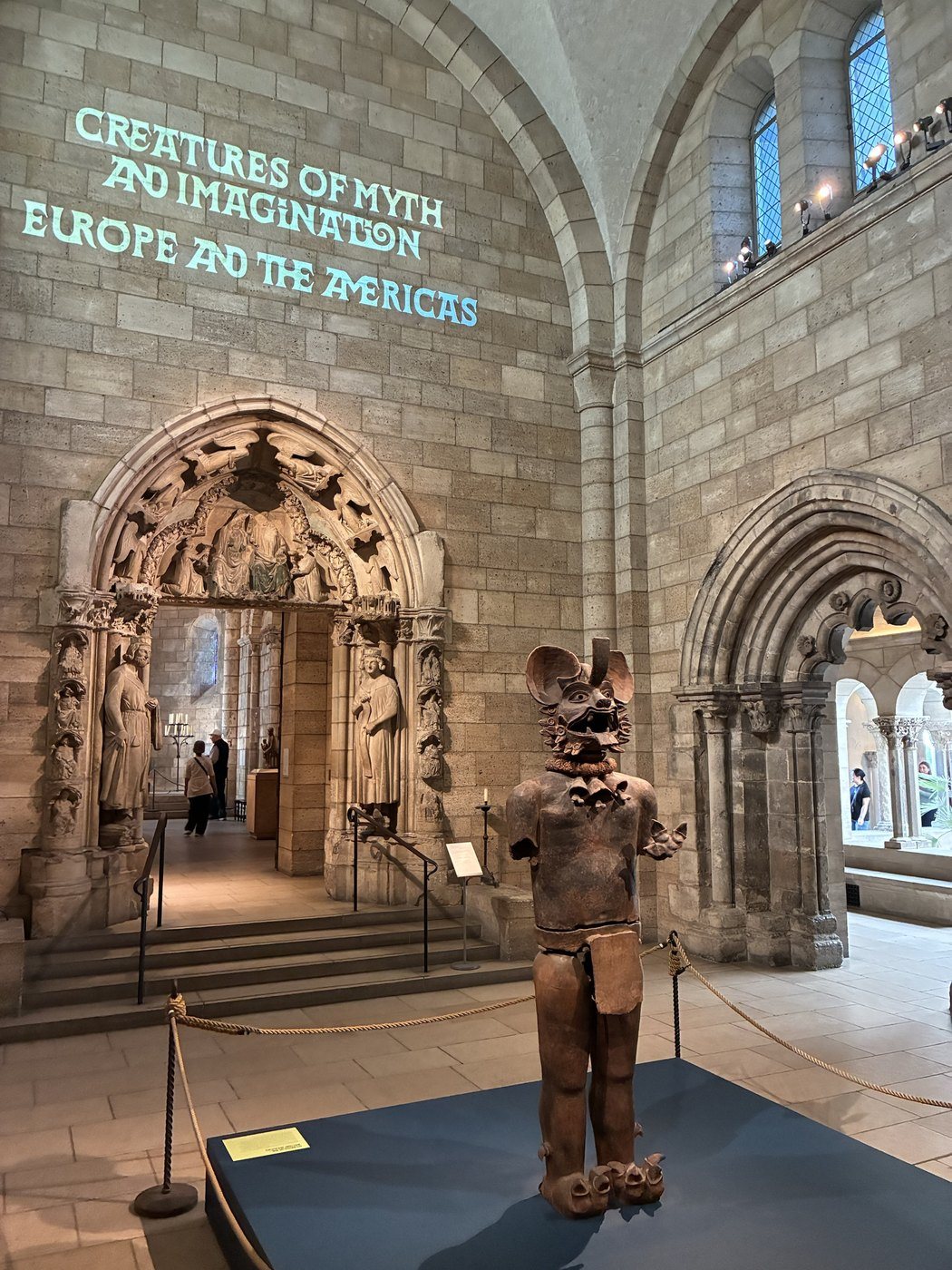
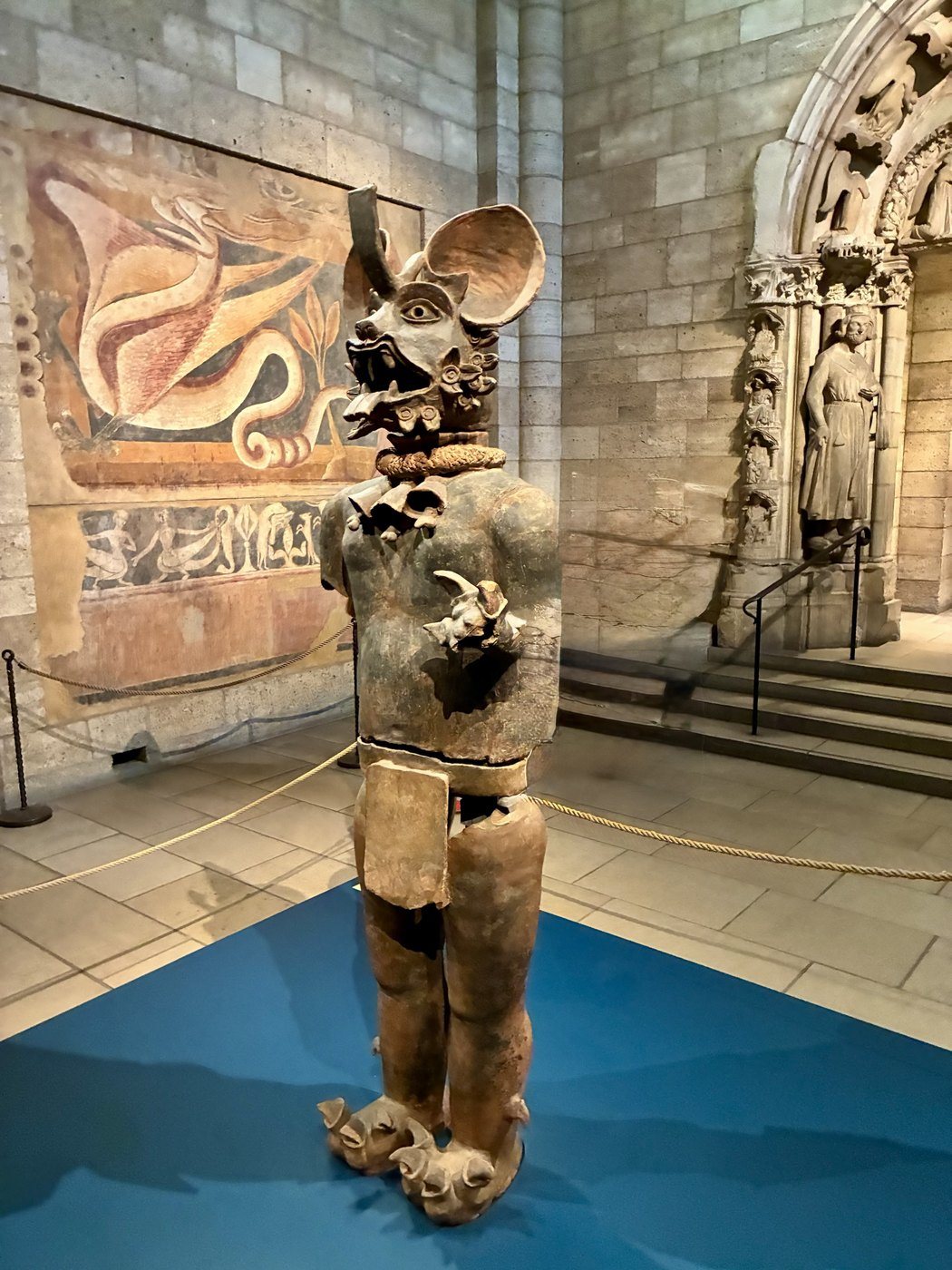
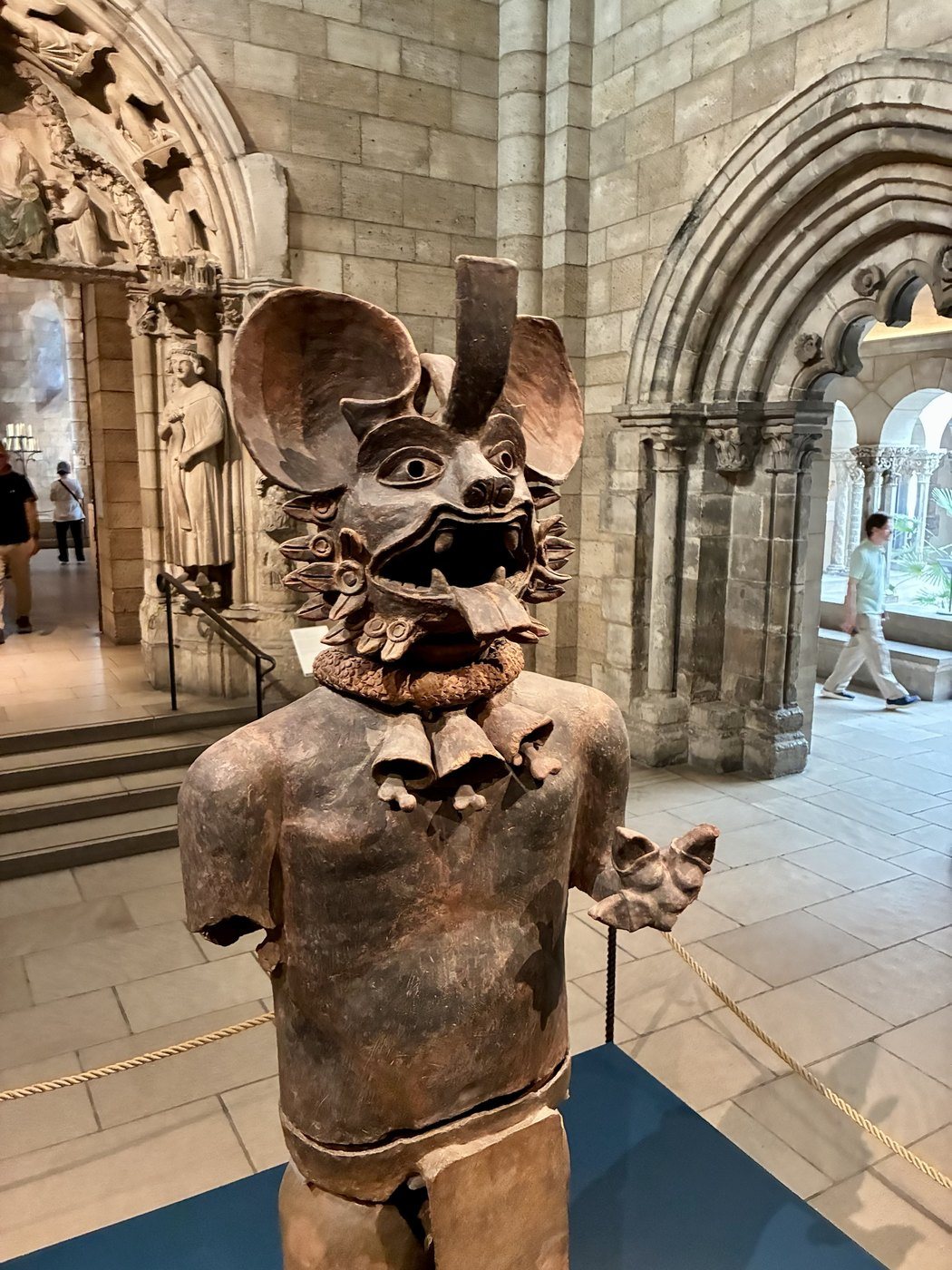
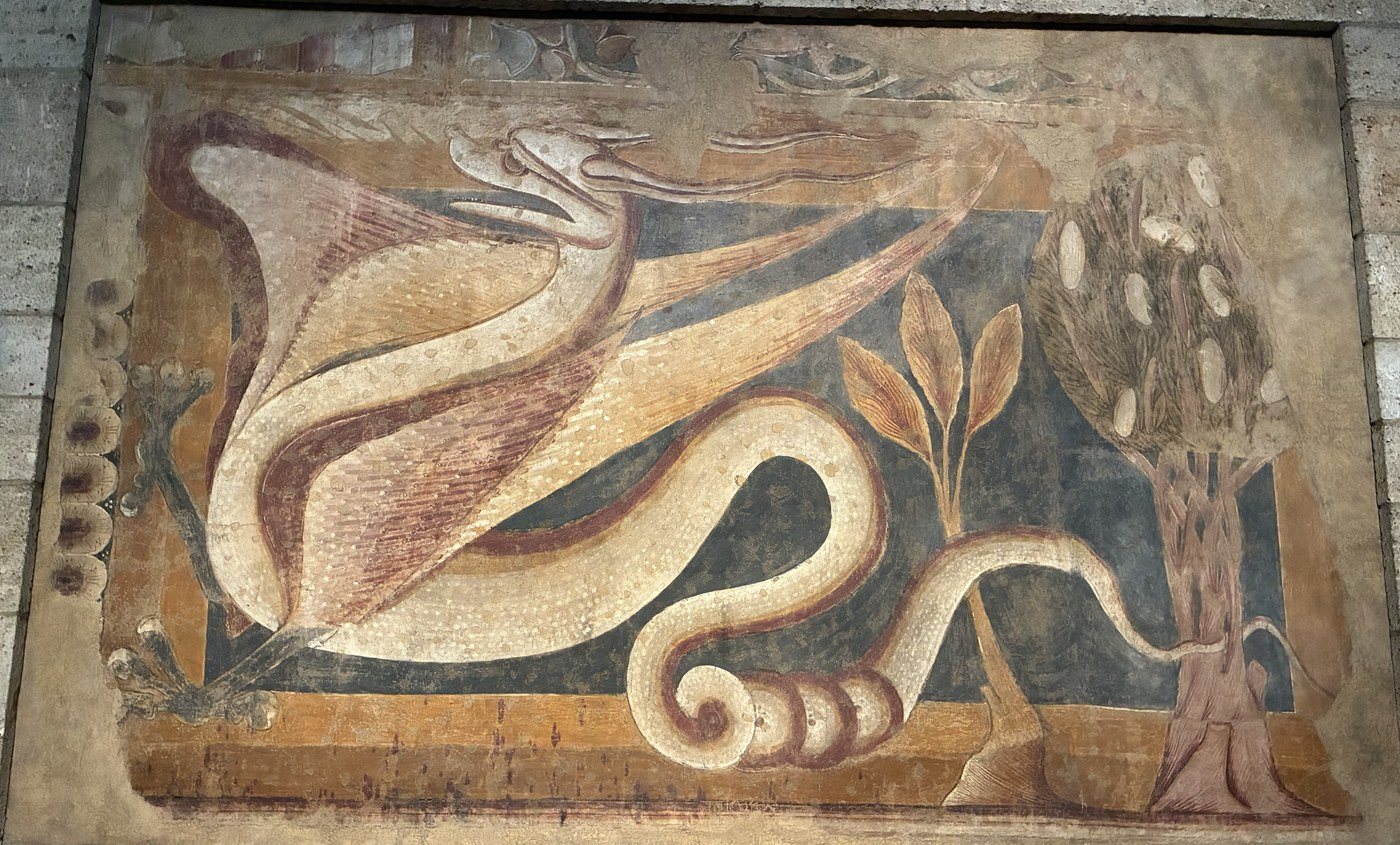
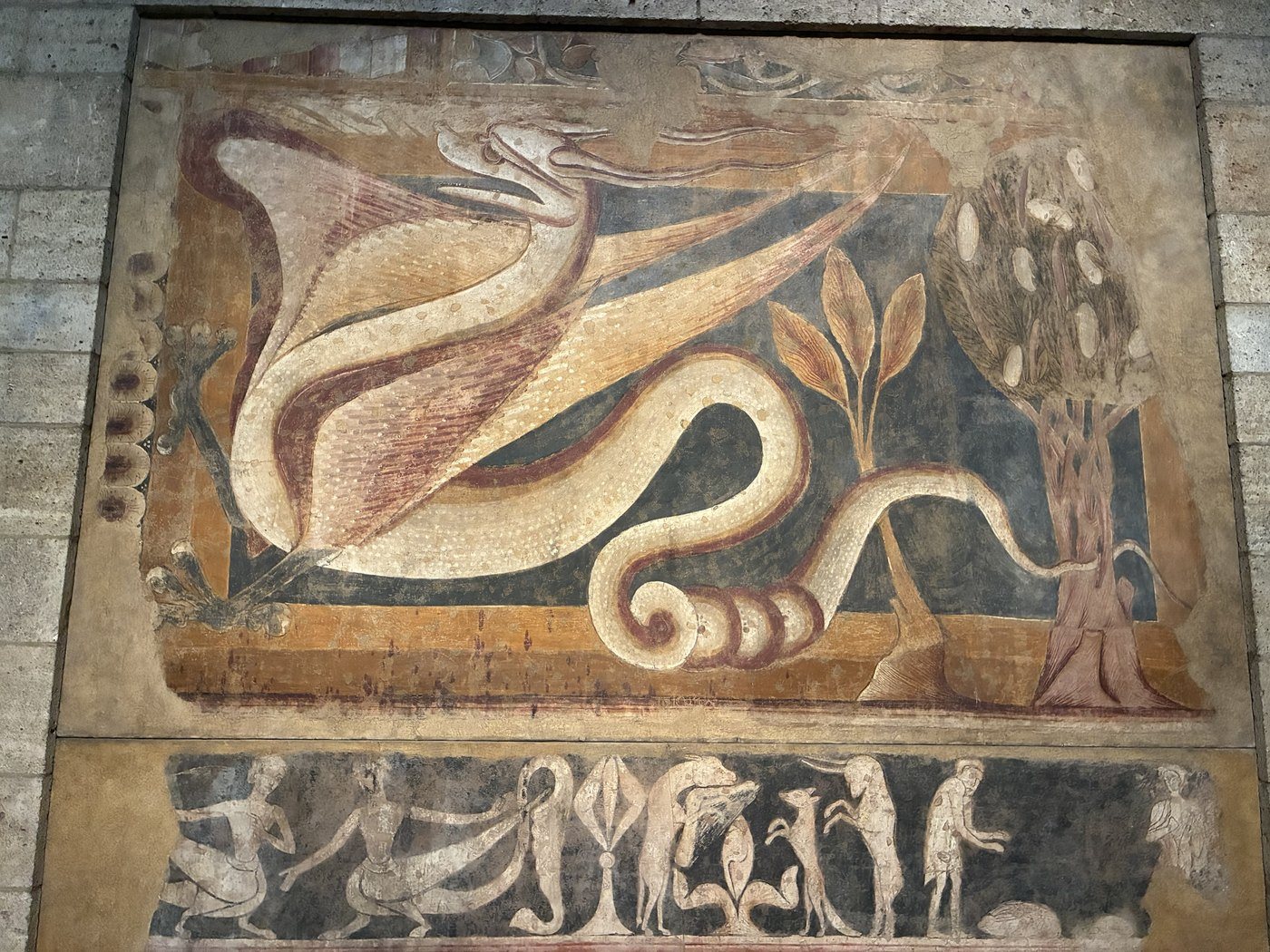
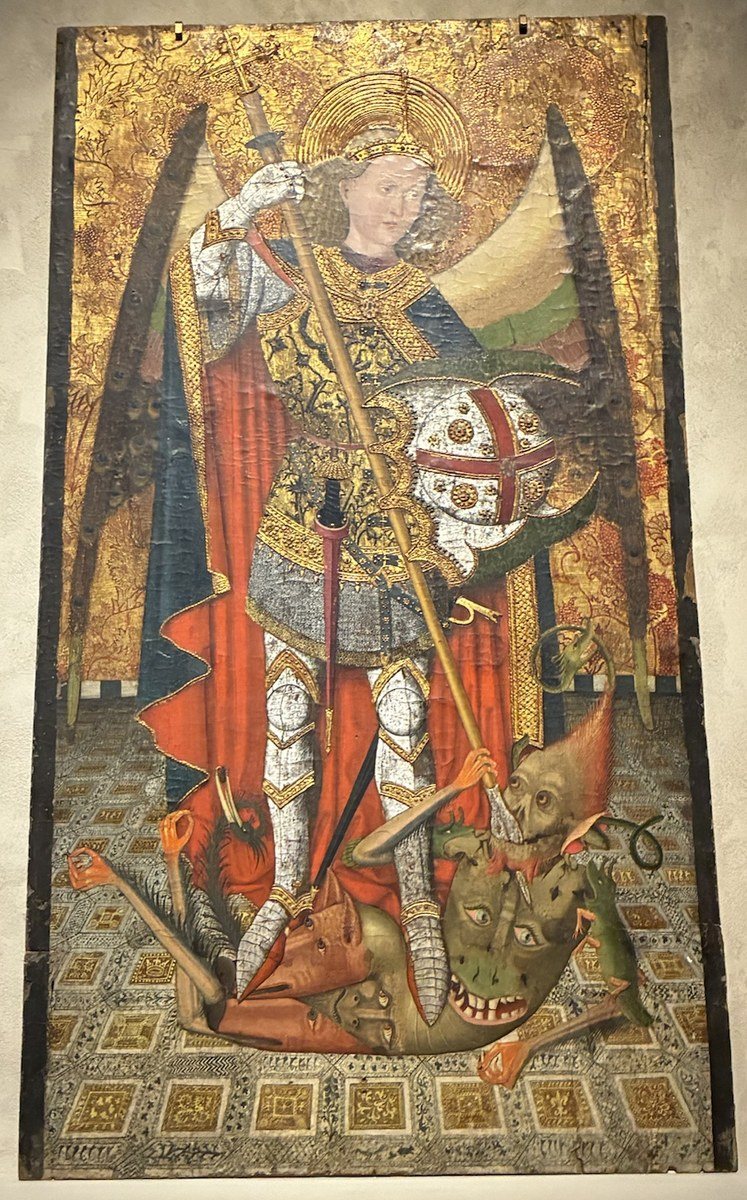
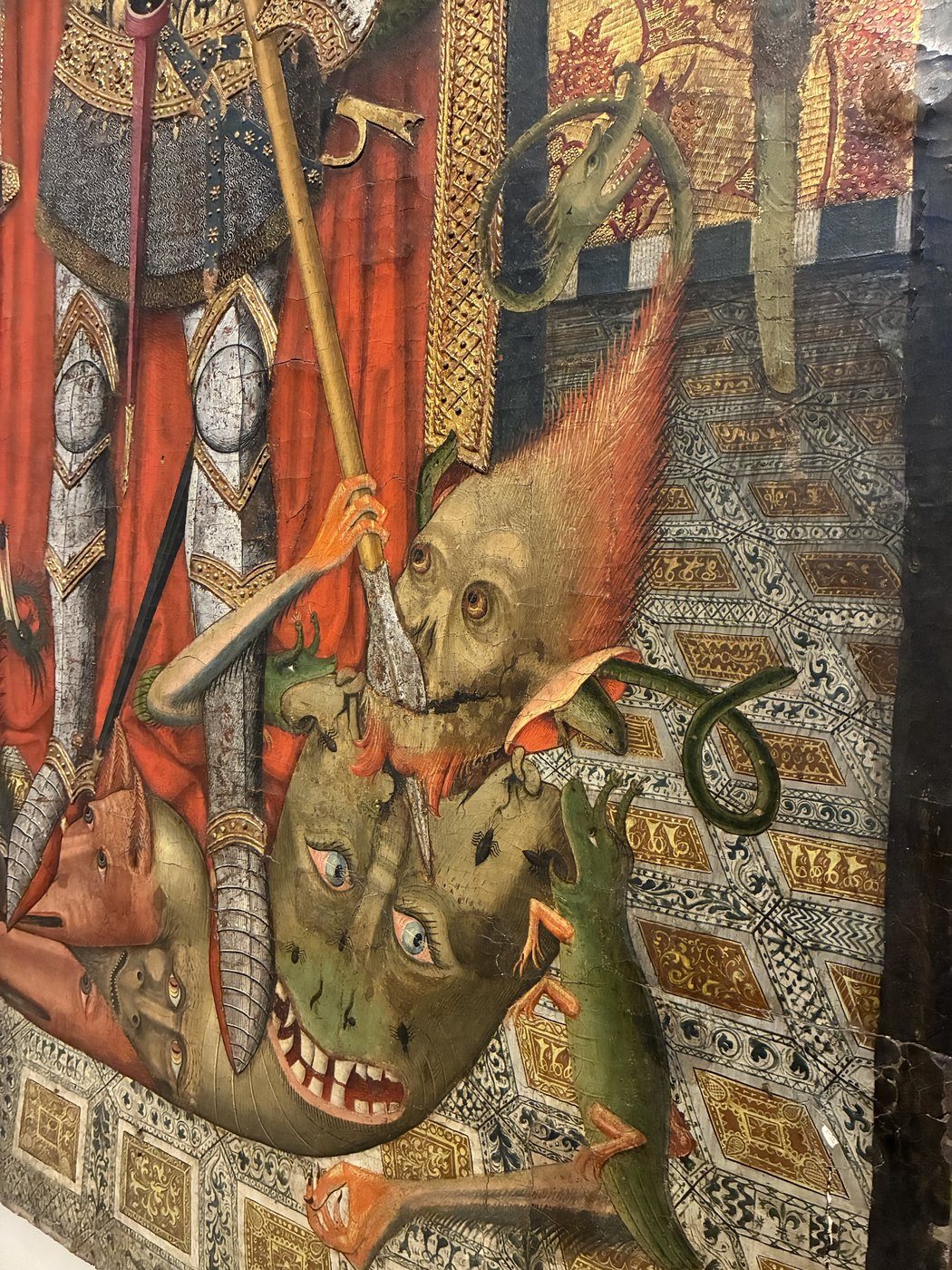
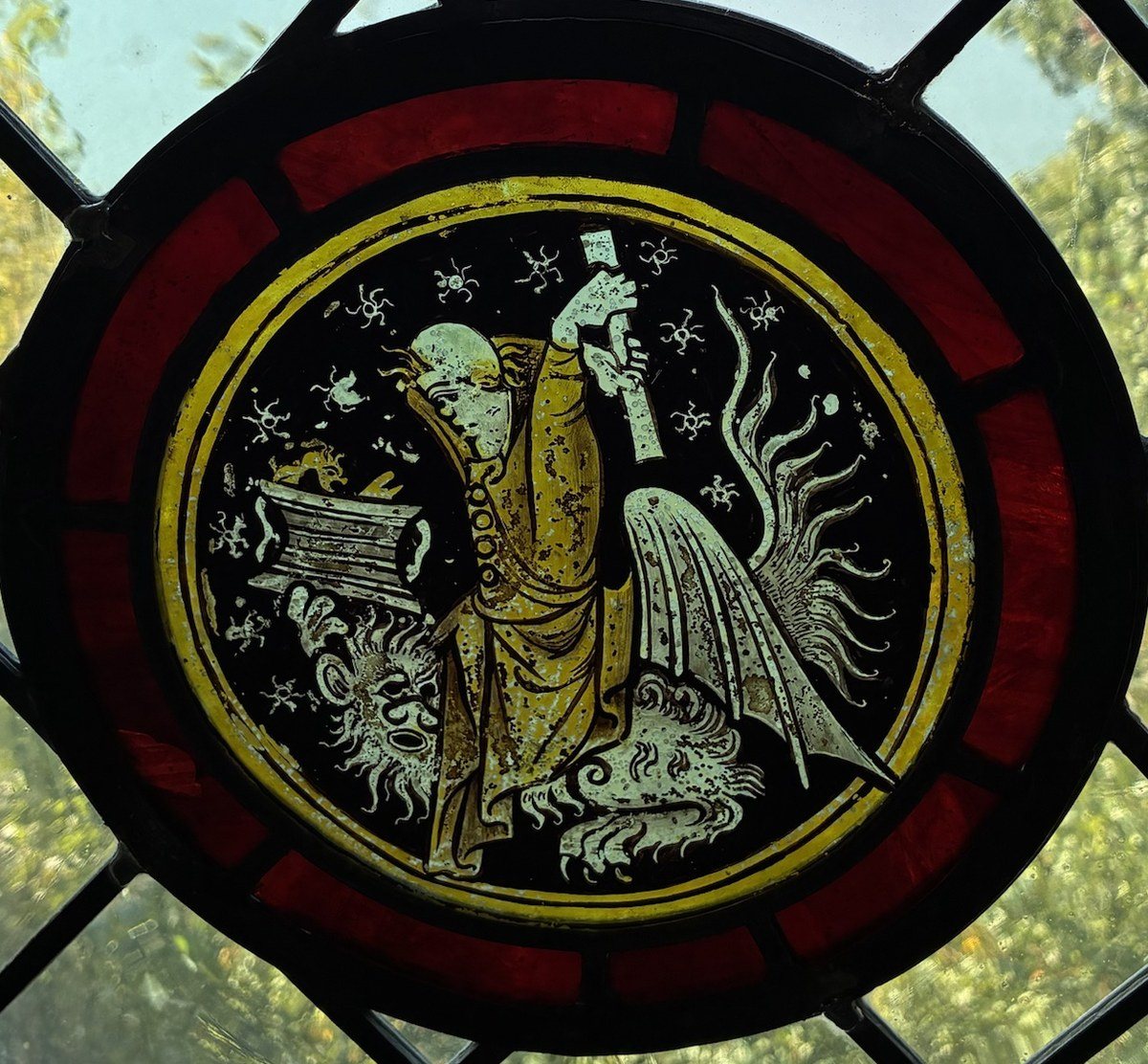
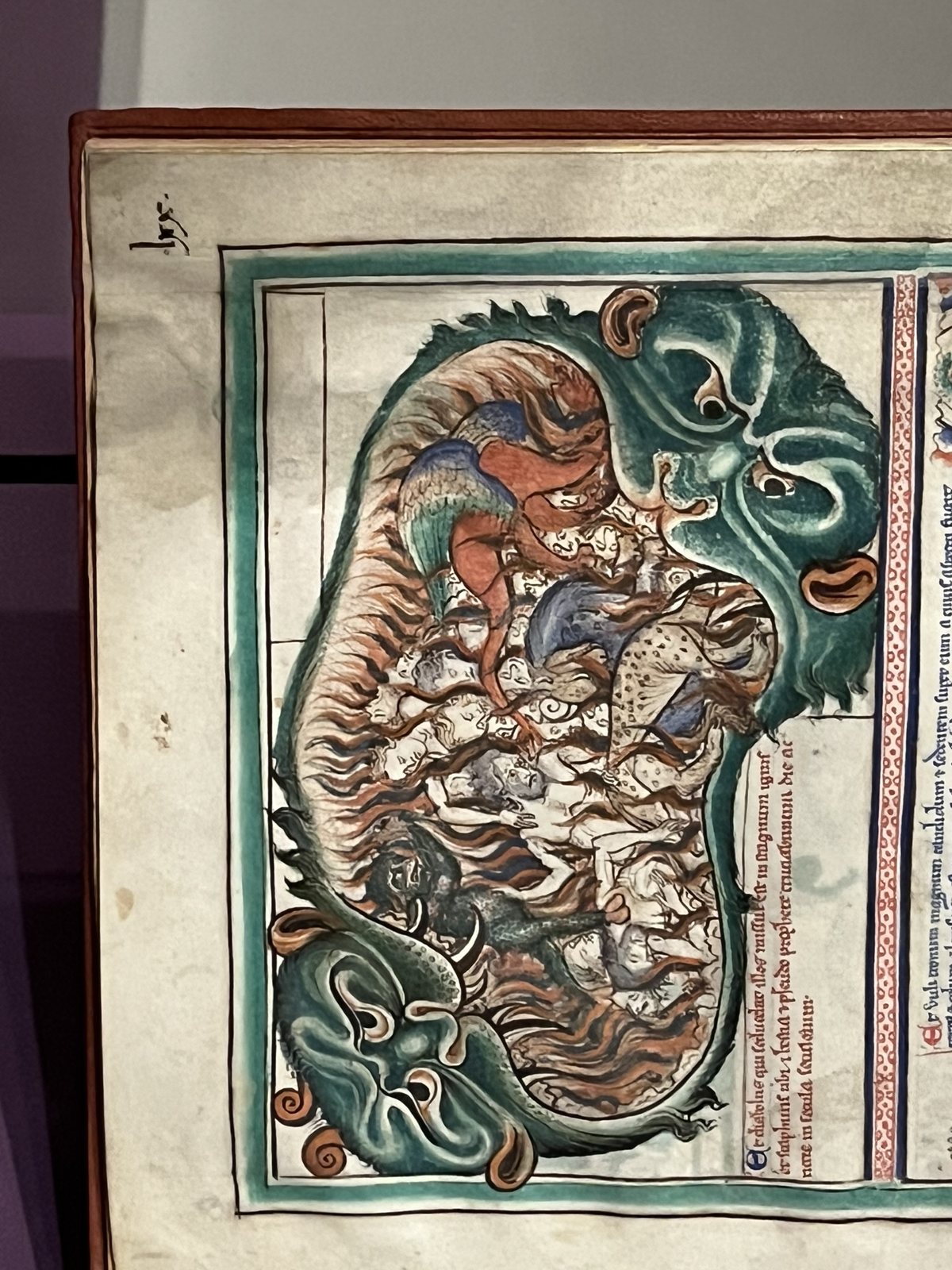
Up on the hill in Fort Tryon Park, The Met Cloisters filled its medieval rooms with hybrids from both sides of the Atlantic. The star is a life-size Zapotec Bat Lord, on his first-ever visit to New York, standing in front of a dragon painted in a Spanish monastery around 1200 — a dragon who looks like he's been waiting for a bus for eight hundred years. Add an archangel, a demon with spare faces on its knees, and a stained-glass gag about who's riding whom. The show closes October 18, 2026.
MedievalExplorationAncient
The way in: the Bat Lord under the exhibition titleThe Met CloistersThe Bat Lord, with the Arlanza dragon behind him — the Americas and Europe in one frameThe Met CloistersTzinacantecuhtli, the Zapotec Bat Lord (about 800-900 CE)Lent by the Museo del Templo Mayor-INAHBat ears, leaf nose, and a necklace of bells with bone clappersThe Met CloistersDragon, from San Pedro de Arlanza, Spain (after 1200)The Met CloistersThe dragon wall painting, as it hangs todayThe Met CloistersSaint Michael, by the Master of Belmonte (Spain, 1450-1500)The Met CloistersLook closer: the demon has spare faces, with lizards and a snake hitching a rideThe Met CloistersRoundel with Grotesque: who's riding whom?The Met Cloisters
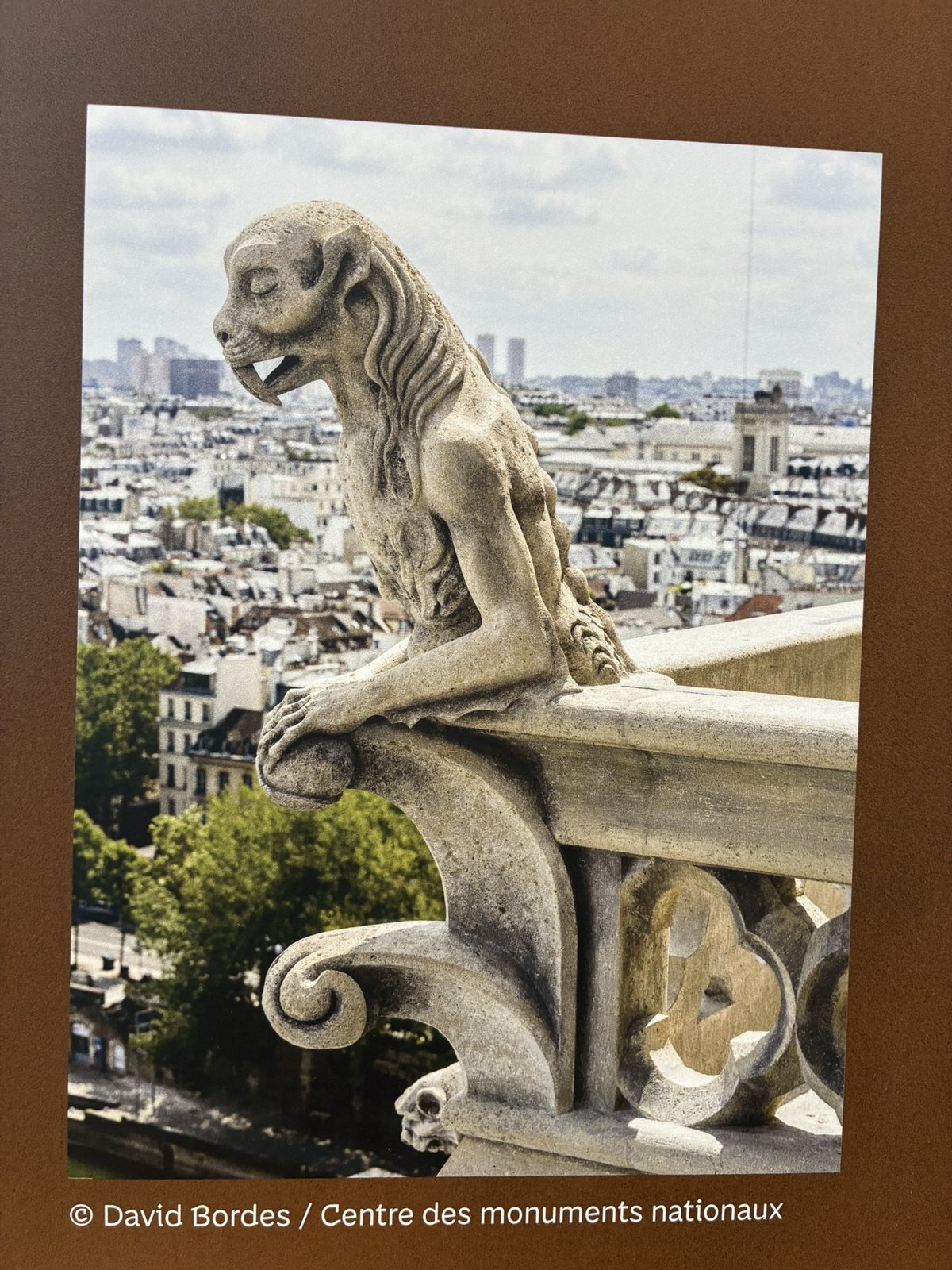
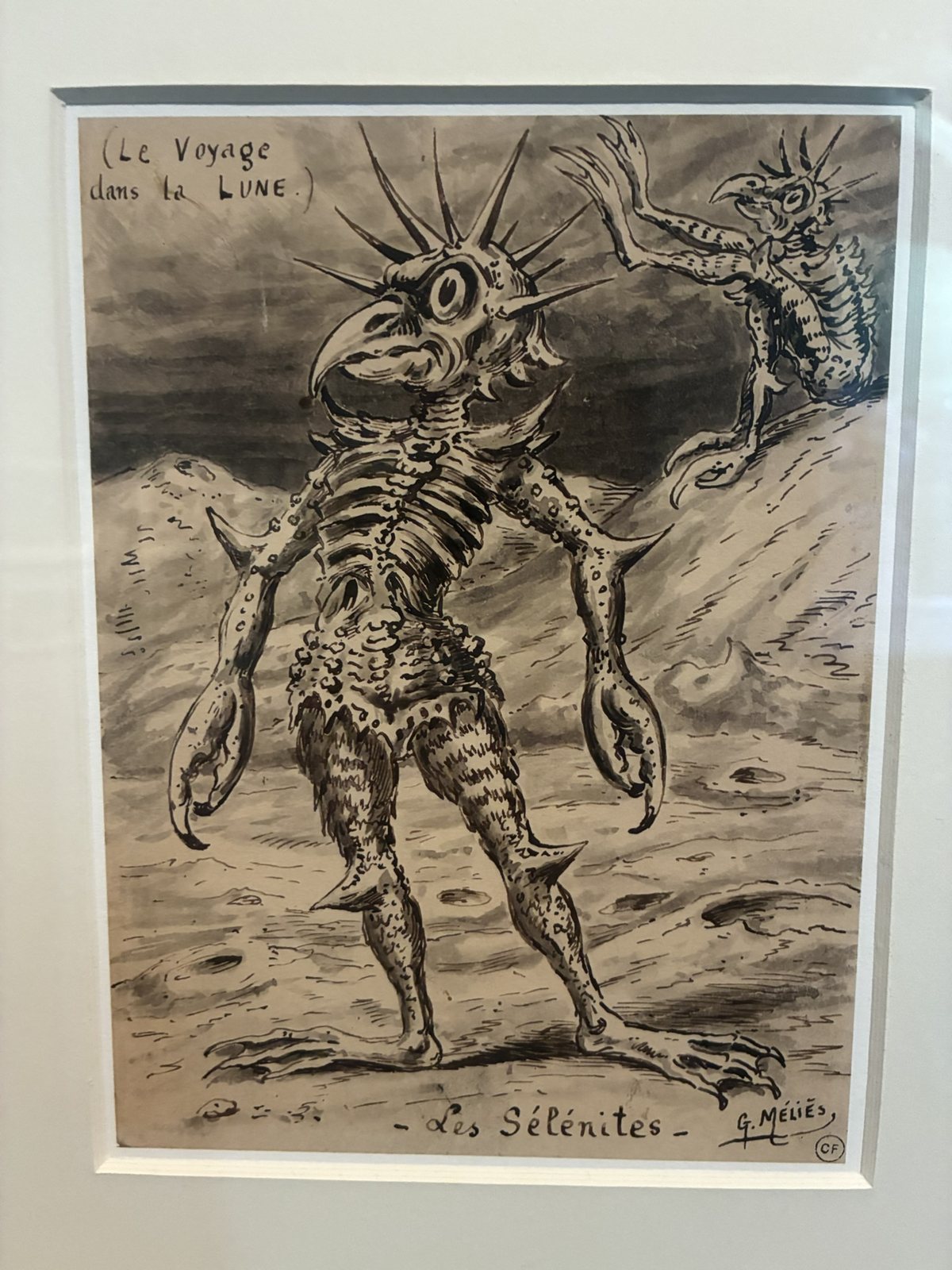
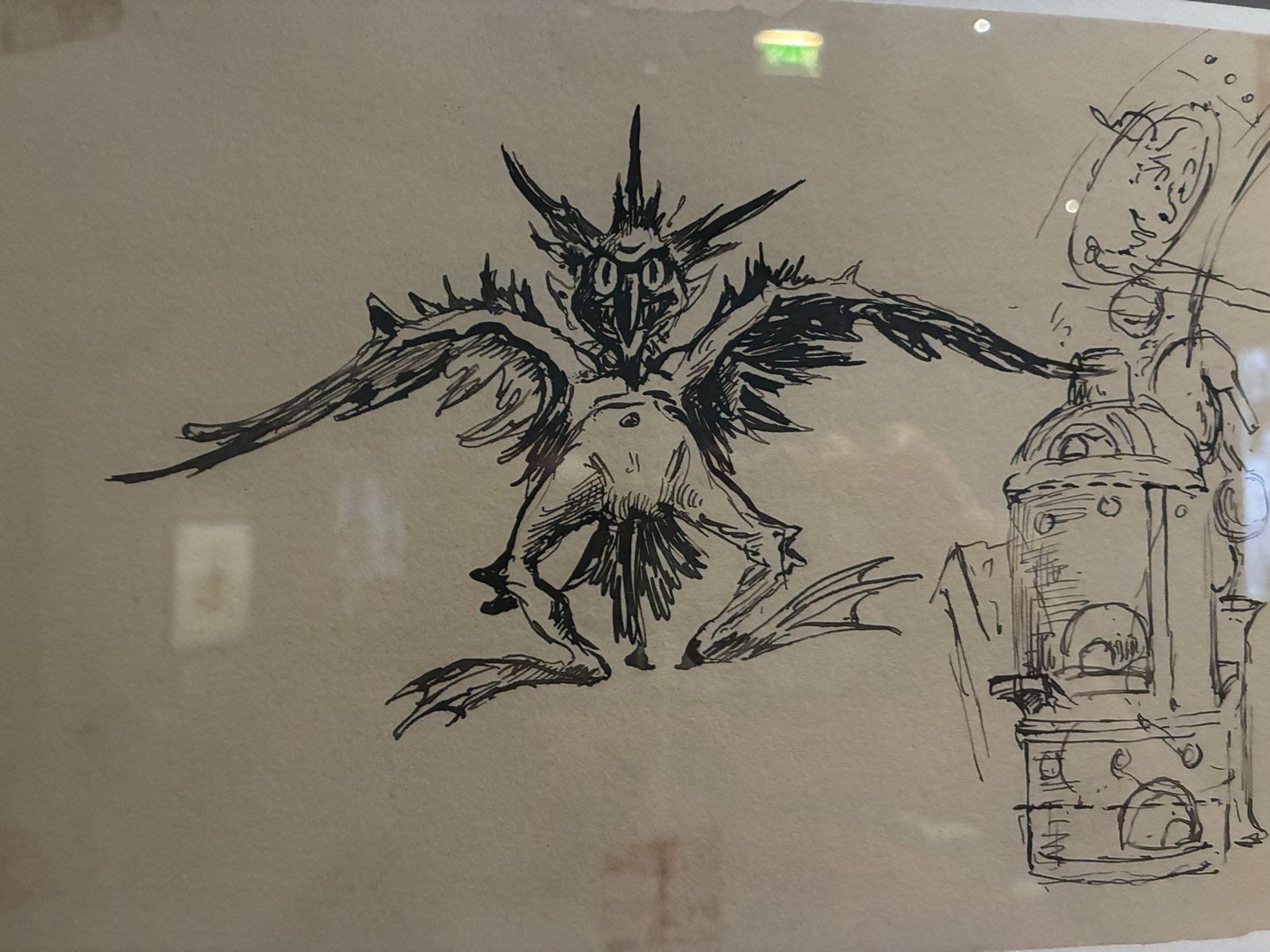
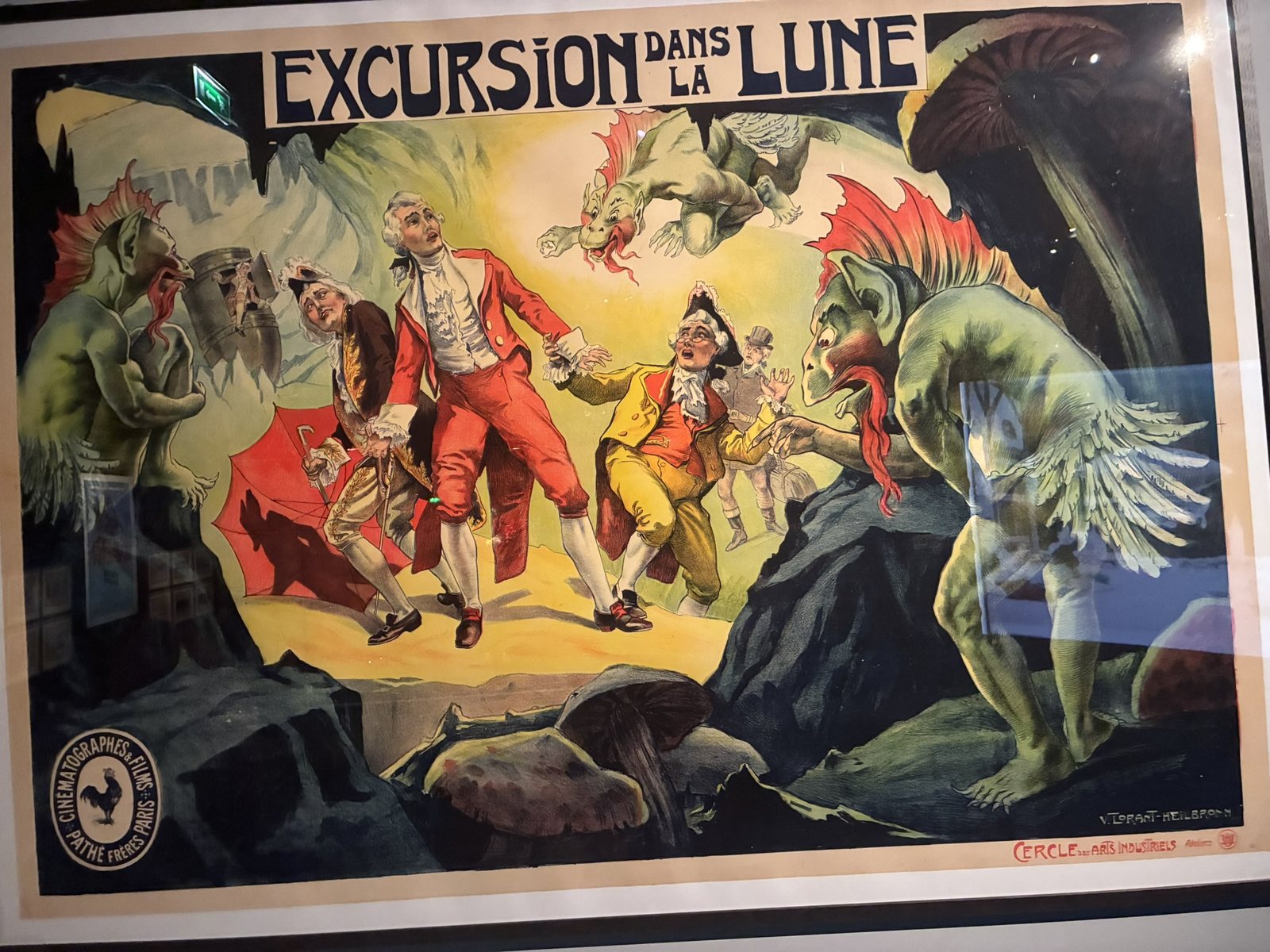
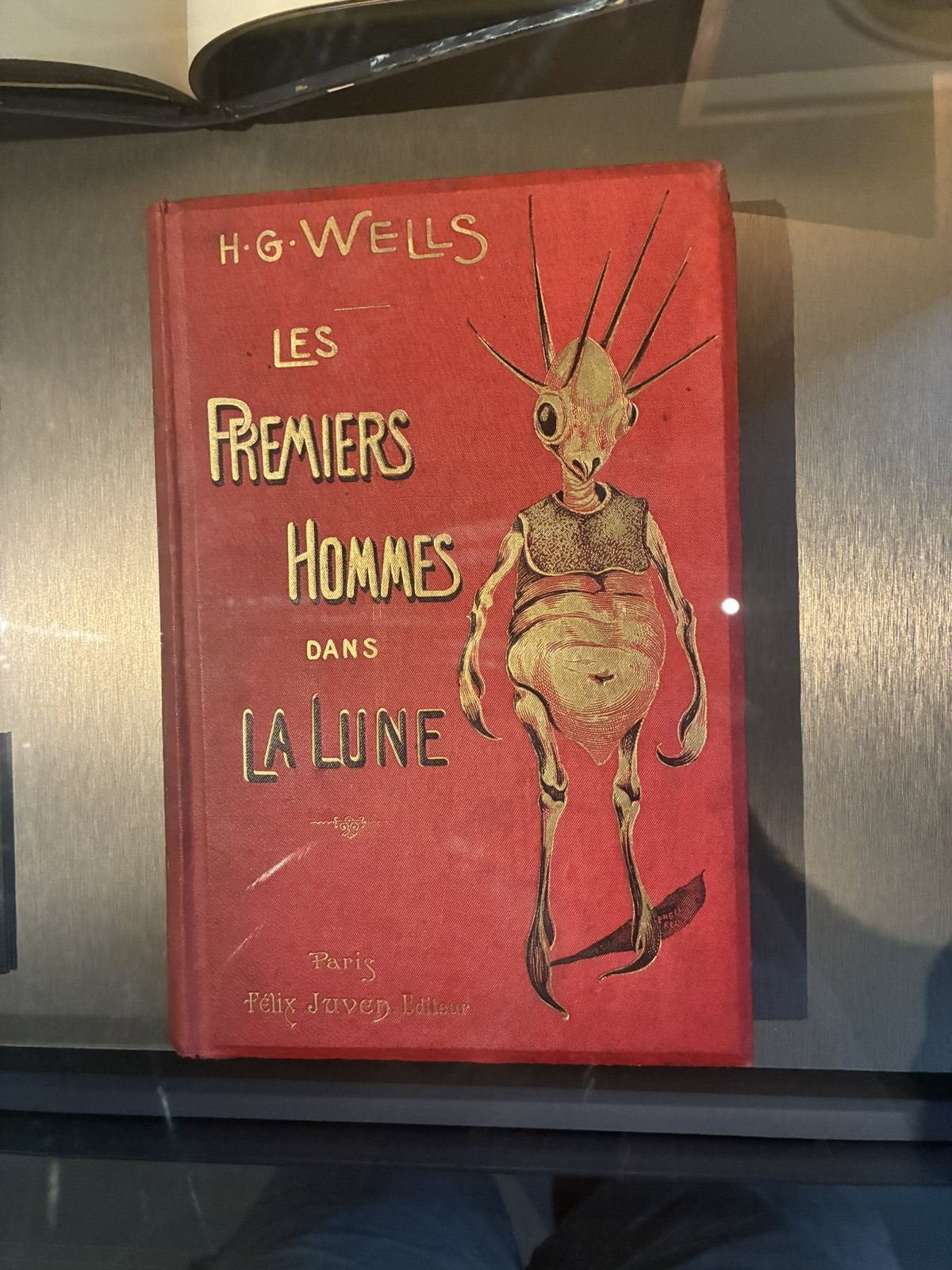
Notre-Dame's famous chimeras — Le Stryge with his chin in his hands, staring out over Paris — look medieval, but they were added in the 1800s by the architect Viollet-le-Duc. Across town, the Cinémathèque française keeps Georges Méliès's drawings for A Trip to the Moon (1902), where the hopping Selenites — moon men borrowed in spirit from H. G. Wells — go up in a puff of smoke when you whack them with an umbrella.
Gothic
Notre-Dame chimera (fanged creature); exact identity unverified, not Le StrygeNotre-DameA Selenite, drawn by Georges Méliès for A Trip to the Moon (1902)Cinémathèque françaiseA Méliès creature sketchCinémathèque françaiseExcursion dans la LuneCinémathèque françaiseH. G. Wells's First Men in the Moon, in FrenchCinémathèque française
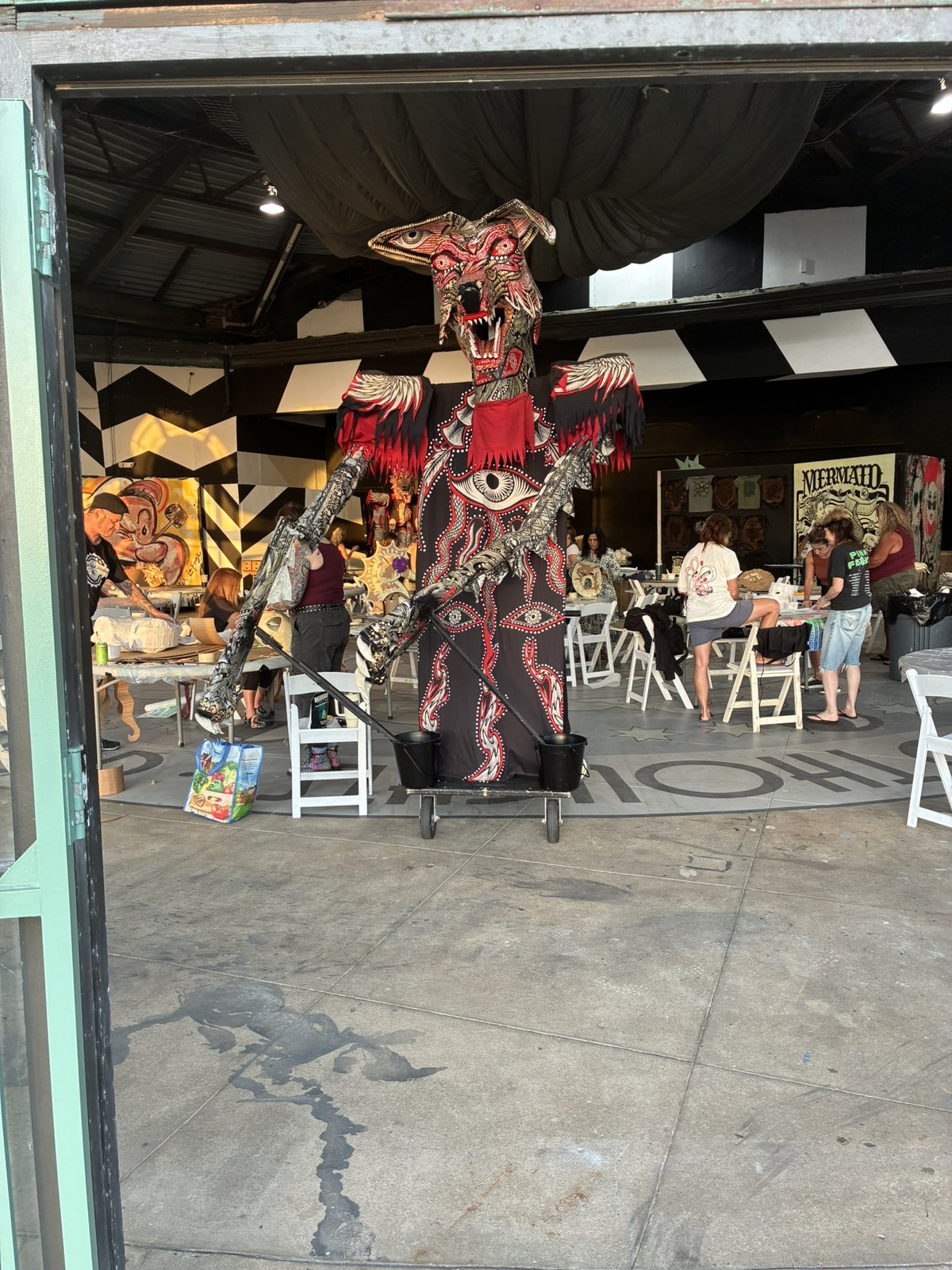
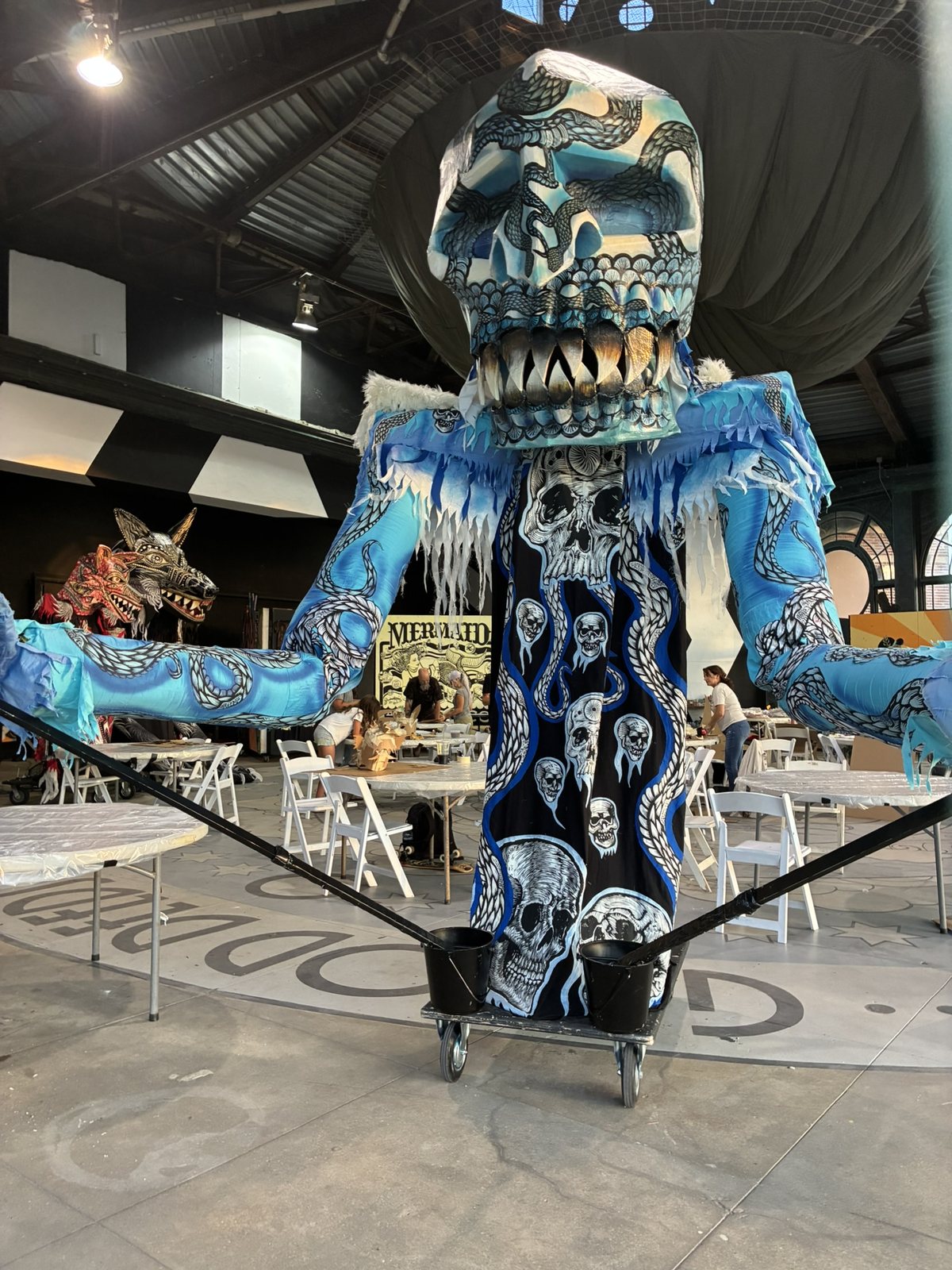
Even the Jersey Shore has its monsters: a giant skull totem and a blue skull sprouting tentacles, parked and ready to roll. Somewhere a boardwalk dark ride is feeling very proud.
Museum of Arts and Design, Columbus Circle, New York · August 2026
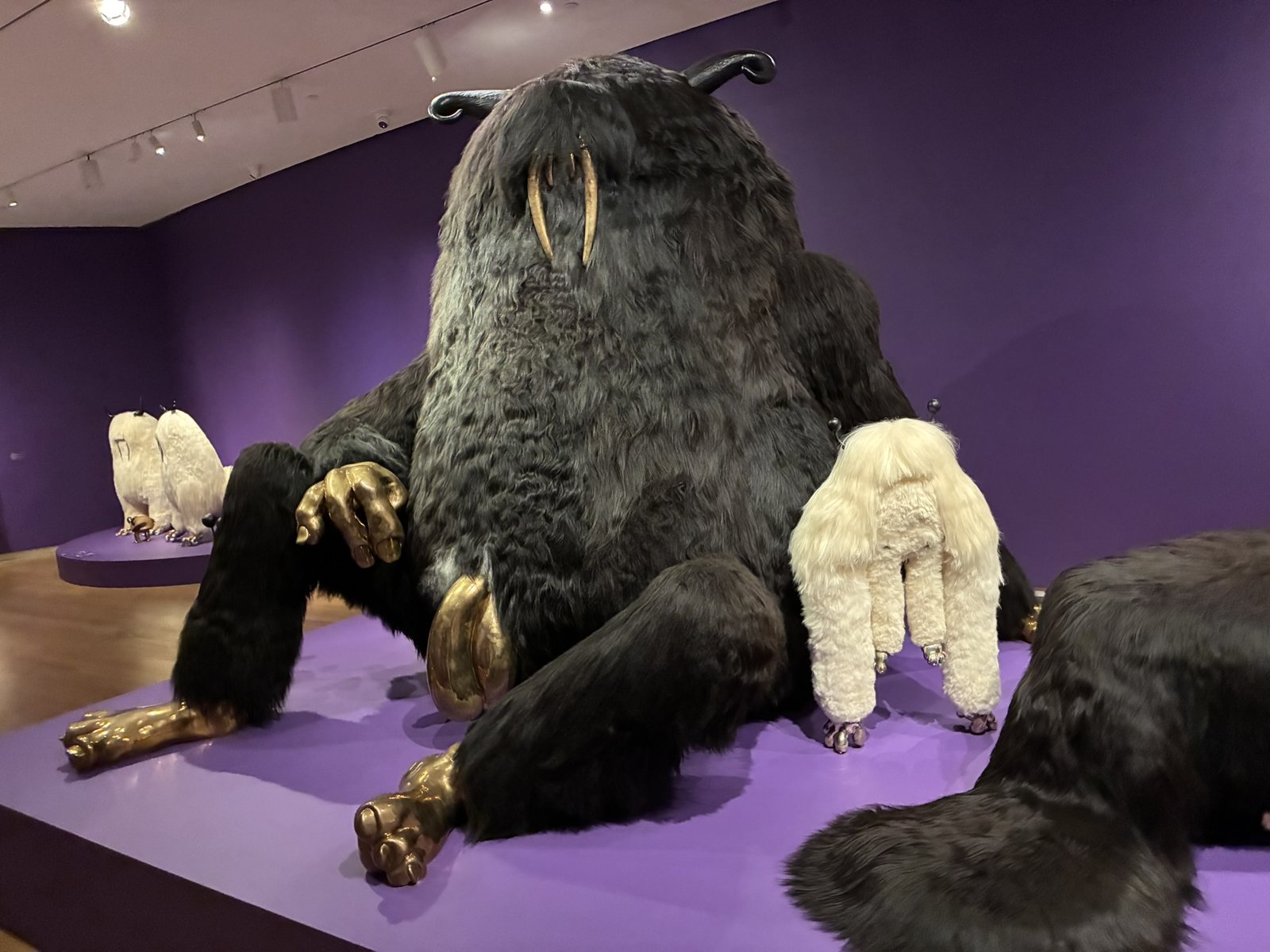
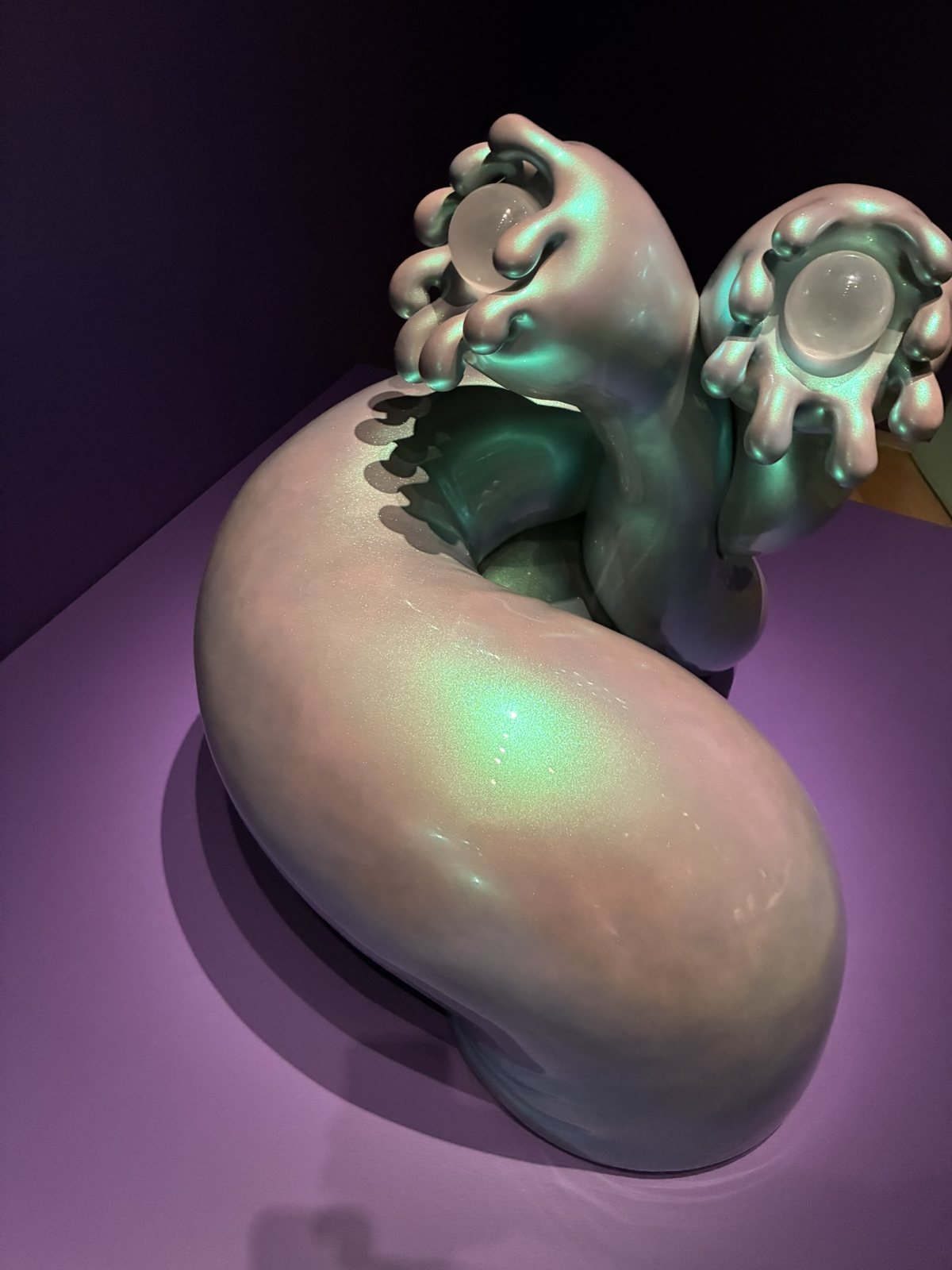
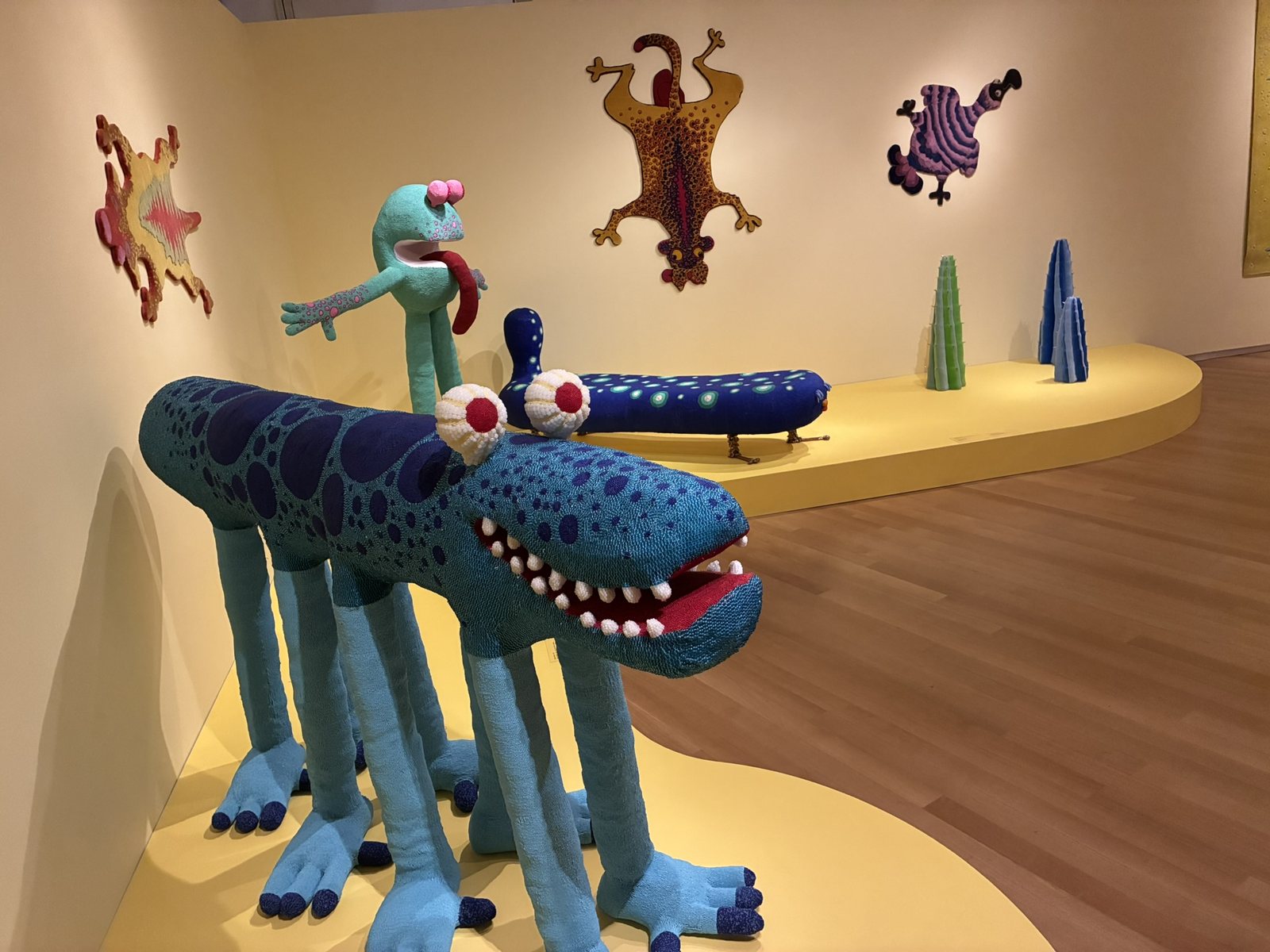
Twin brothers Nikolai and Simon Haas make furry, beaded, iridescent beasts that look like they wandered out of a Muppet fever dream. They're brand-new hybrids, but the spirit is ancient: mix-and-match bodies, just to see what happens.
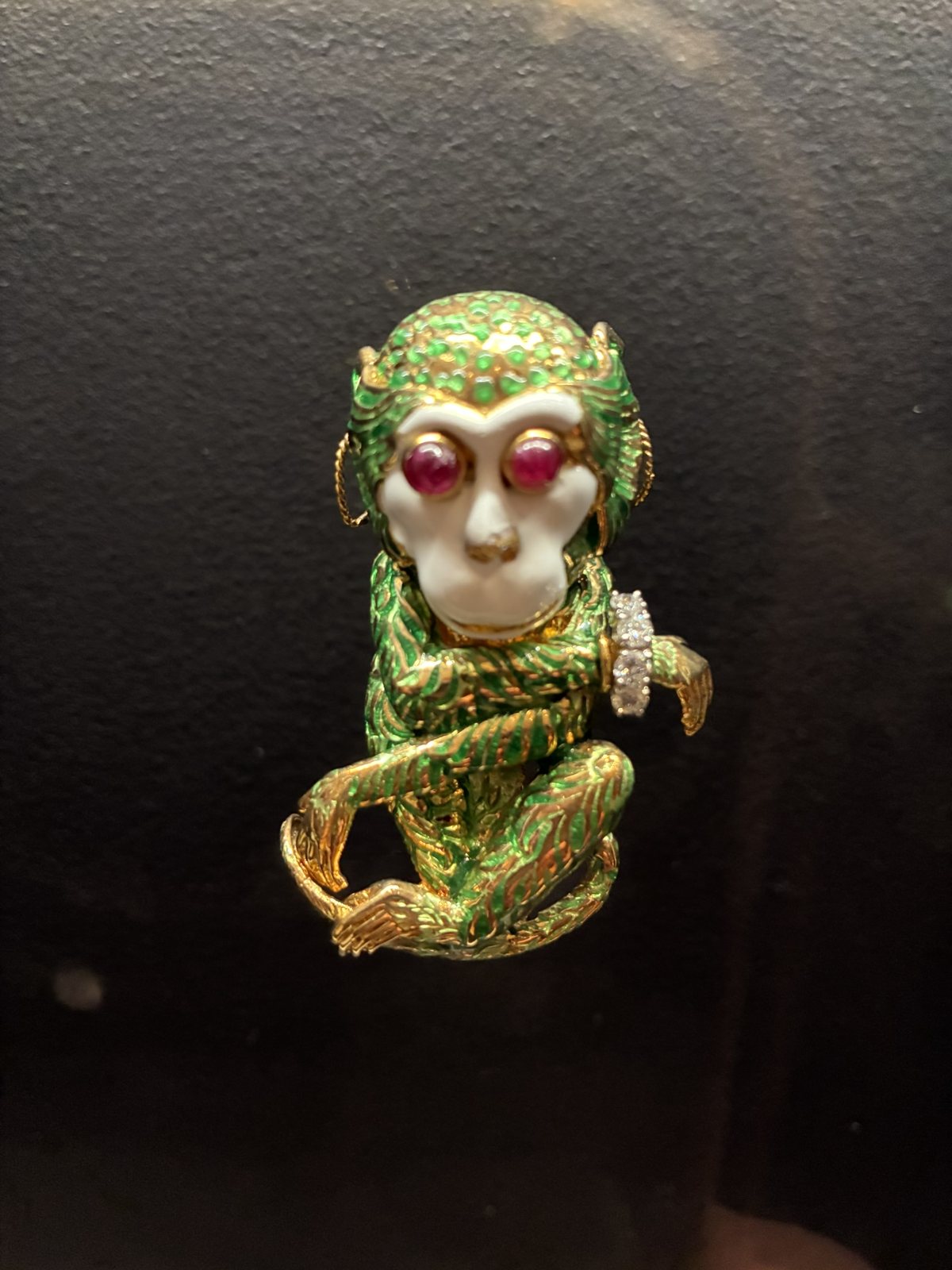
A furry beastAn iridescent blob creatureHalf crocodile, half dog, all blueA jeweled monkey
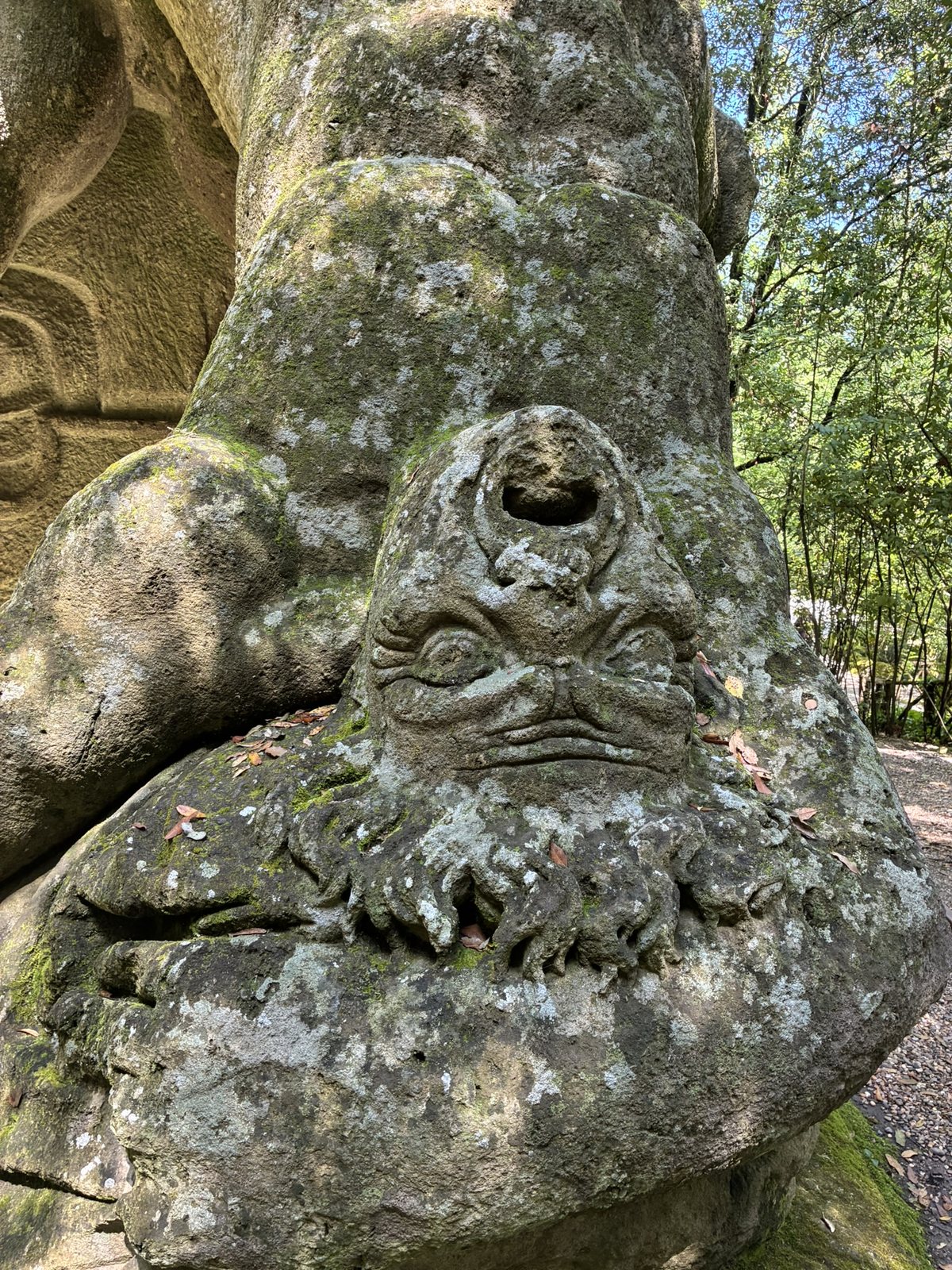
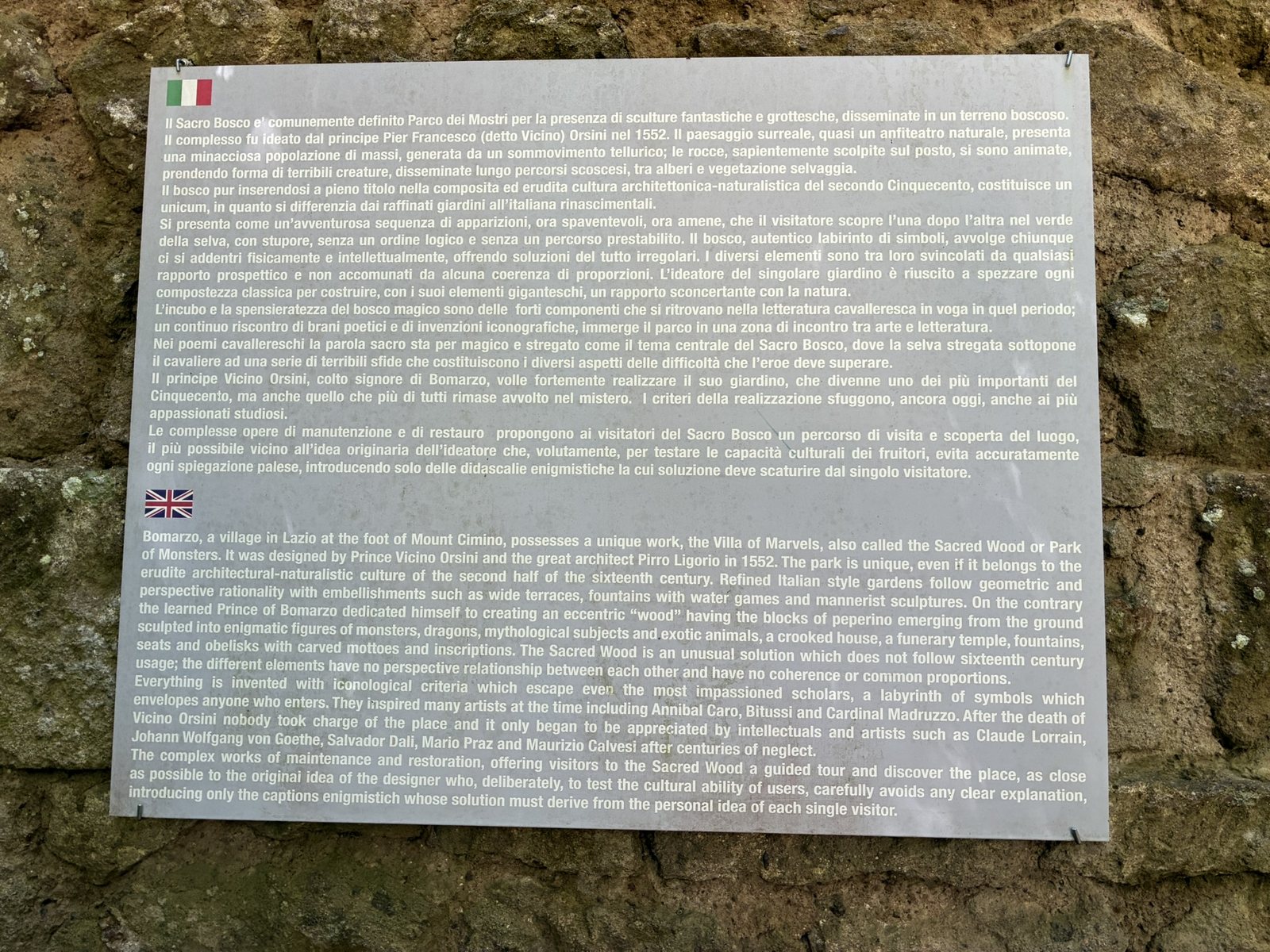
The Sacred Wood (Sacro Bosco), Bomarzo, Italy · May 2026
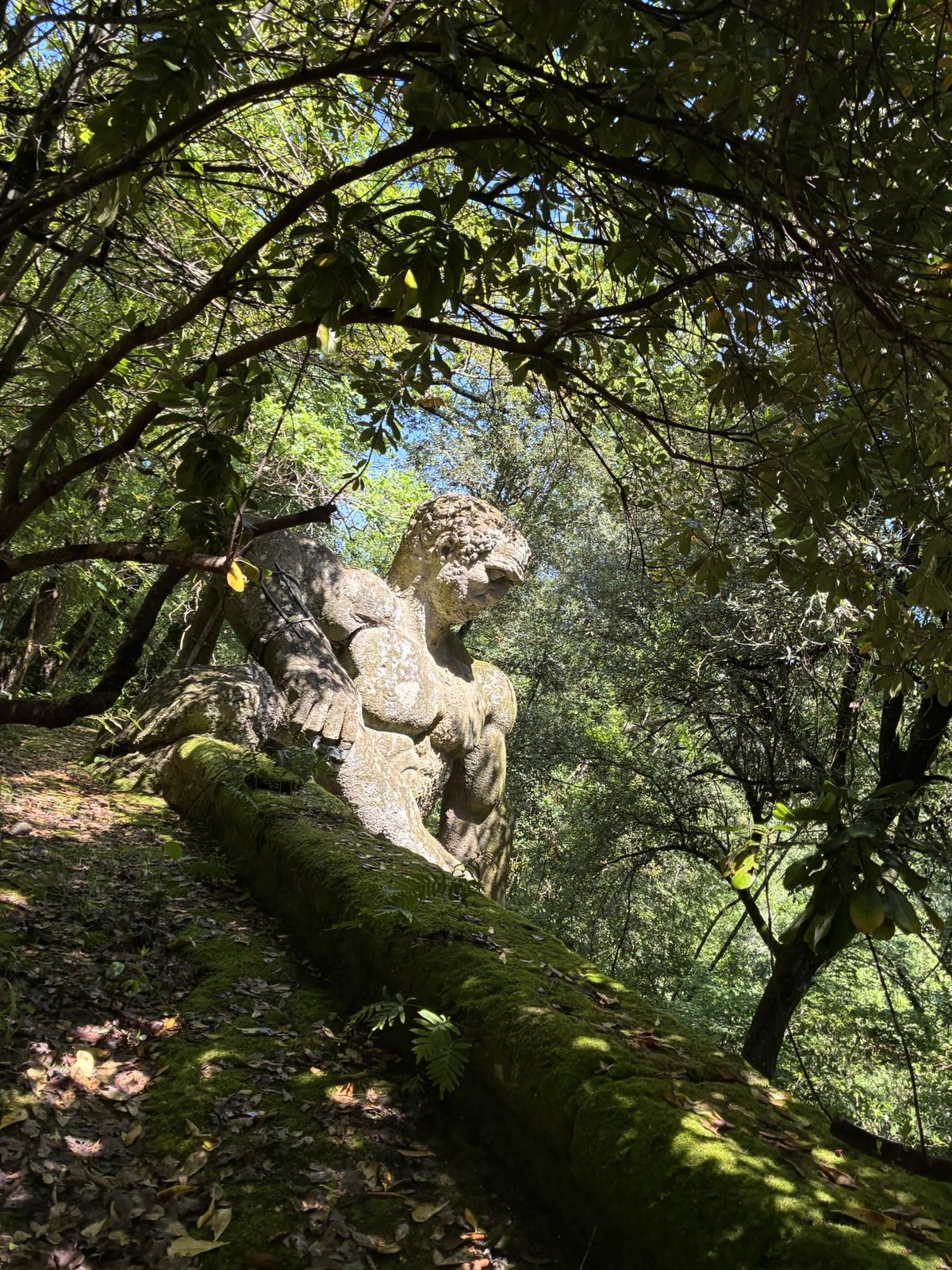
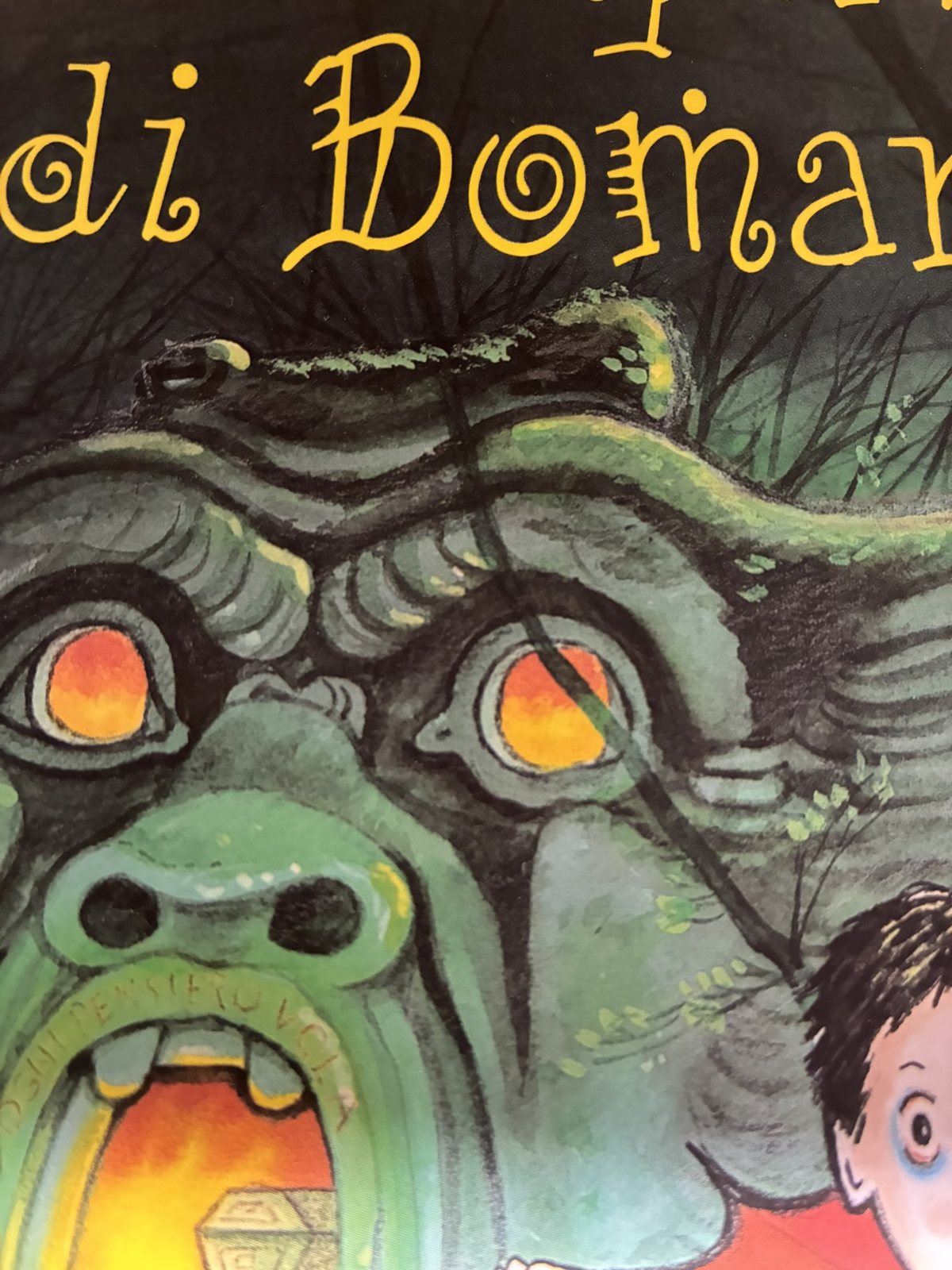
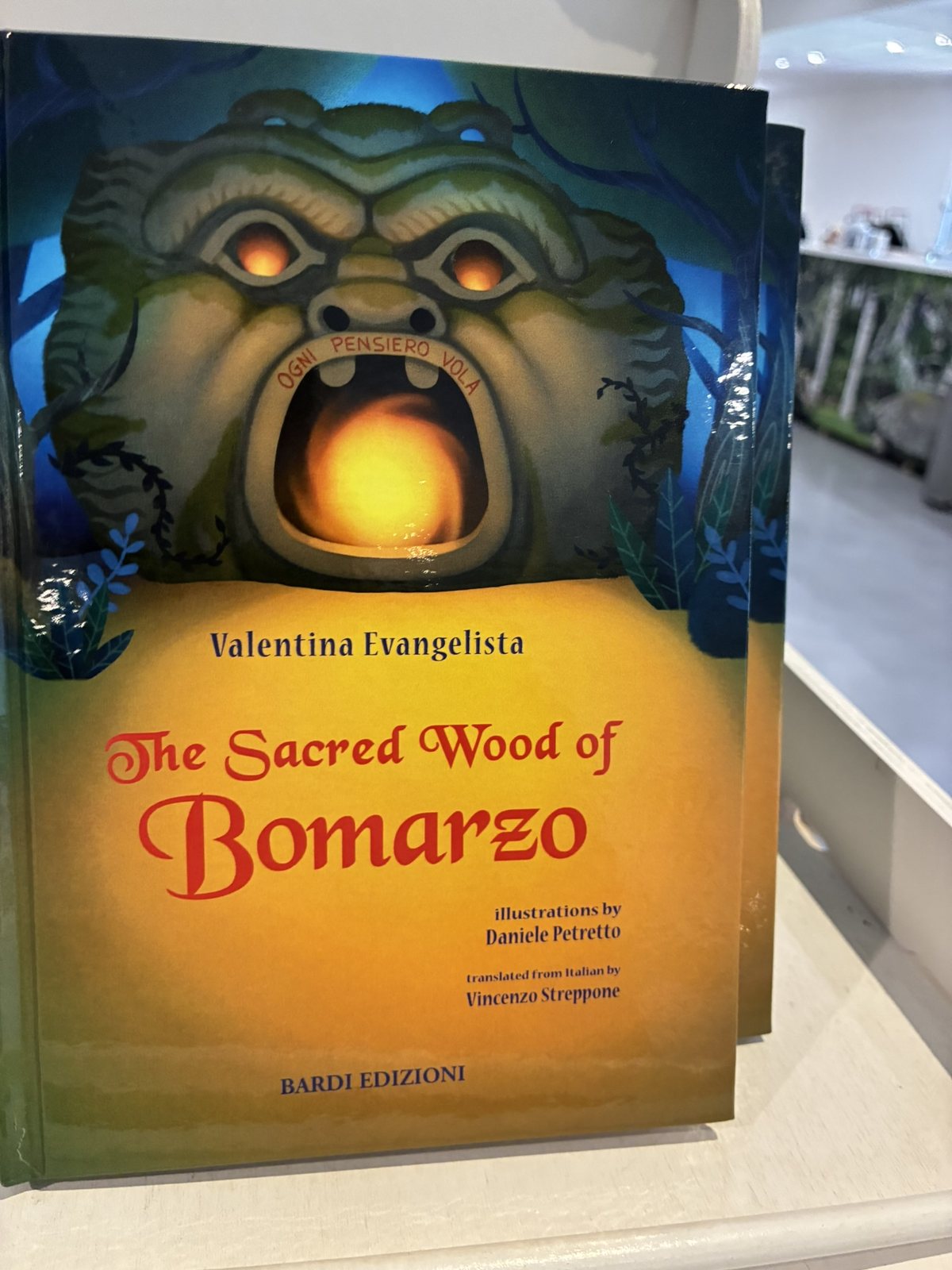
In the 1550s Prince Pier Francesco "Vicino" Orsini filled a wooded valley north of Rome with giant stone monsters: an ogre's screaming mouth big enough to walk into, colossal wrestling giants, dragons, an elephant and a house that leans on purpose. Think of it as the great-great-grandparent of every spook house and theme-park monster since.
A colossus, wrestling in the treesThe Sacred WoodA stone faceThe Sacred WoodWelcome to the Sacred WoodBomarzoThe ogre's mouth (from the guidebook)The Sacred Wood of Bomarzo, the book
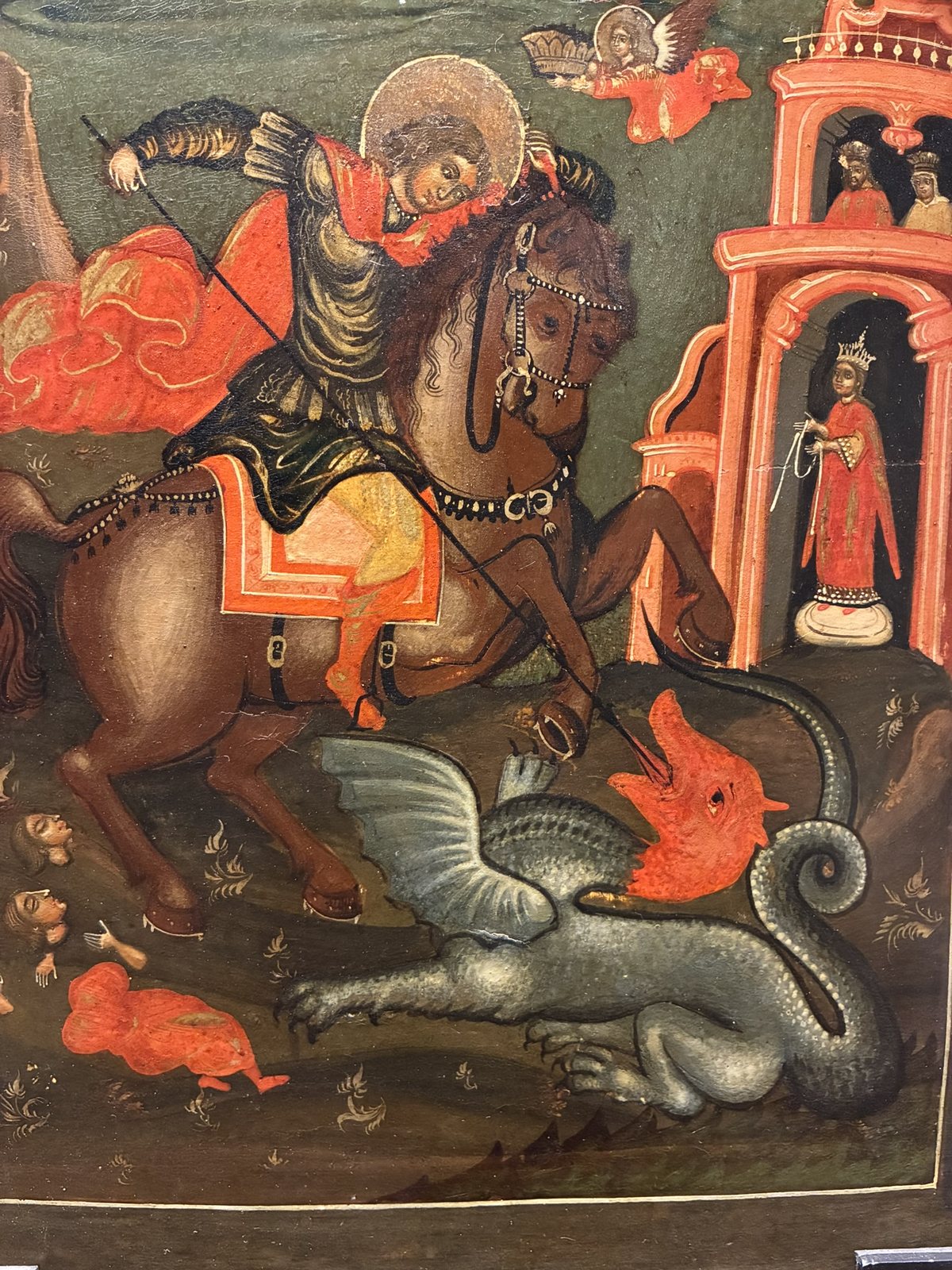
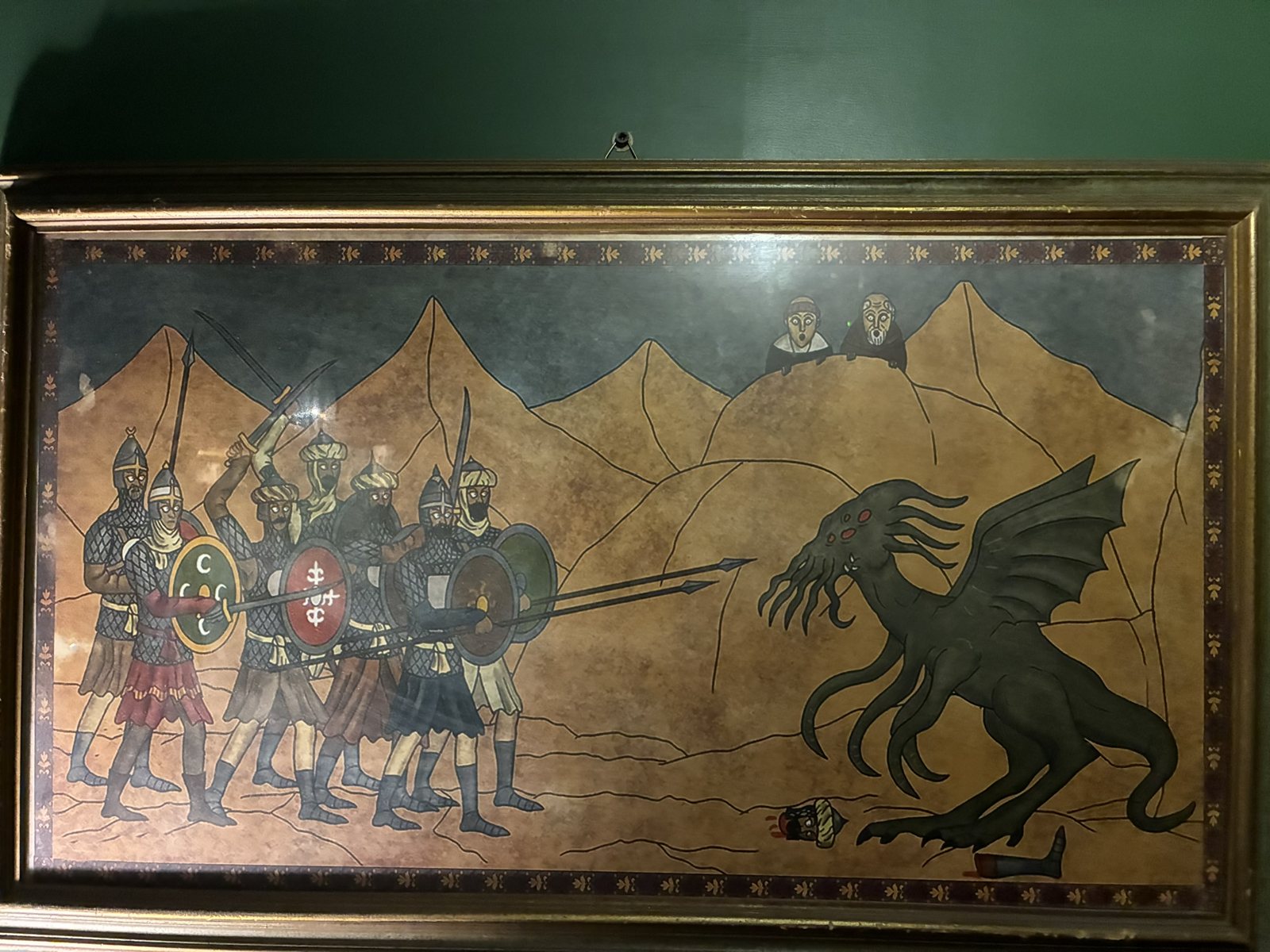
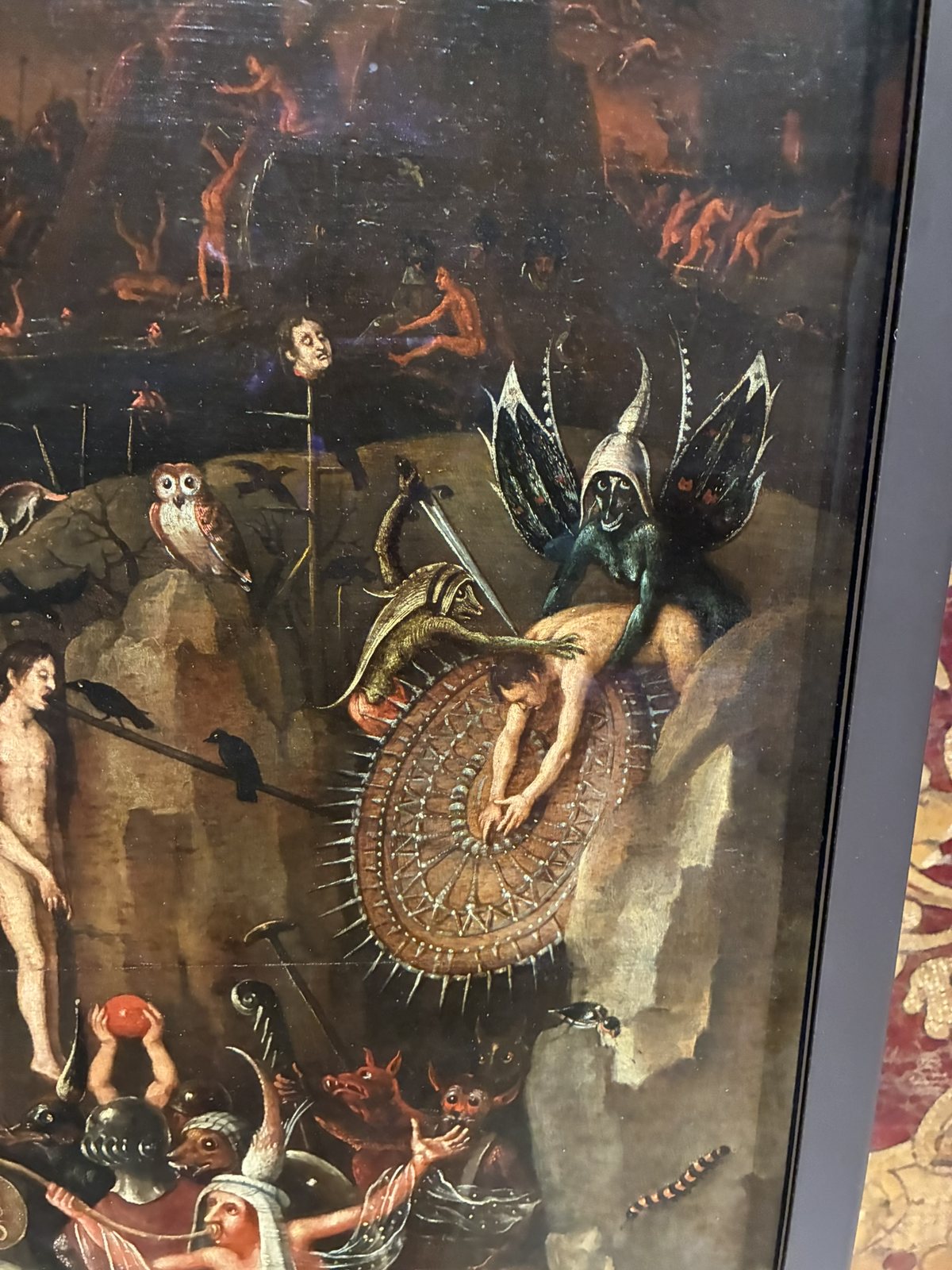
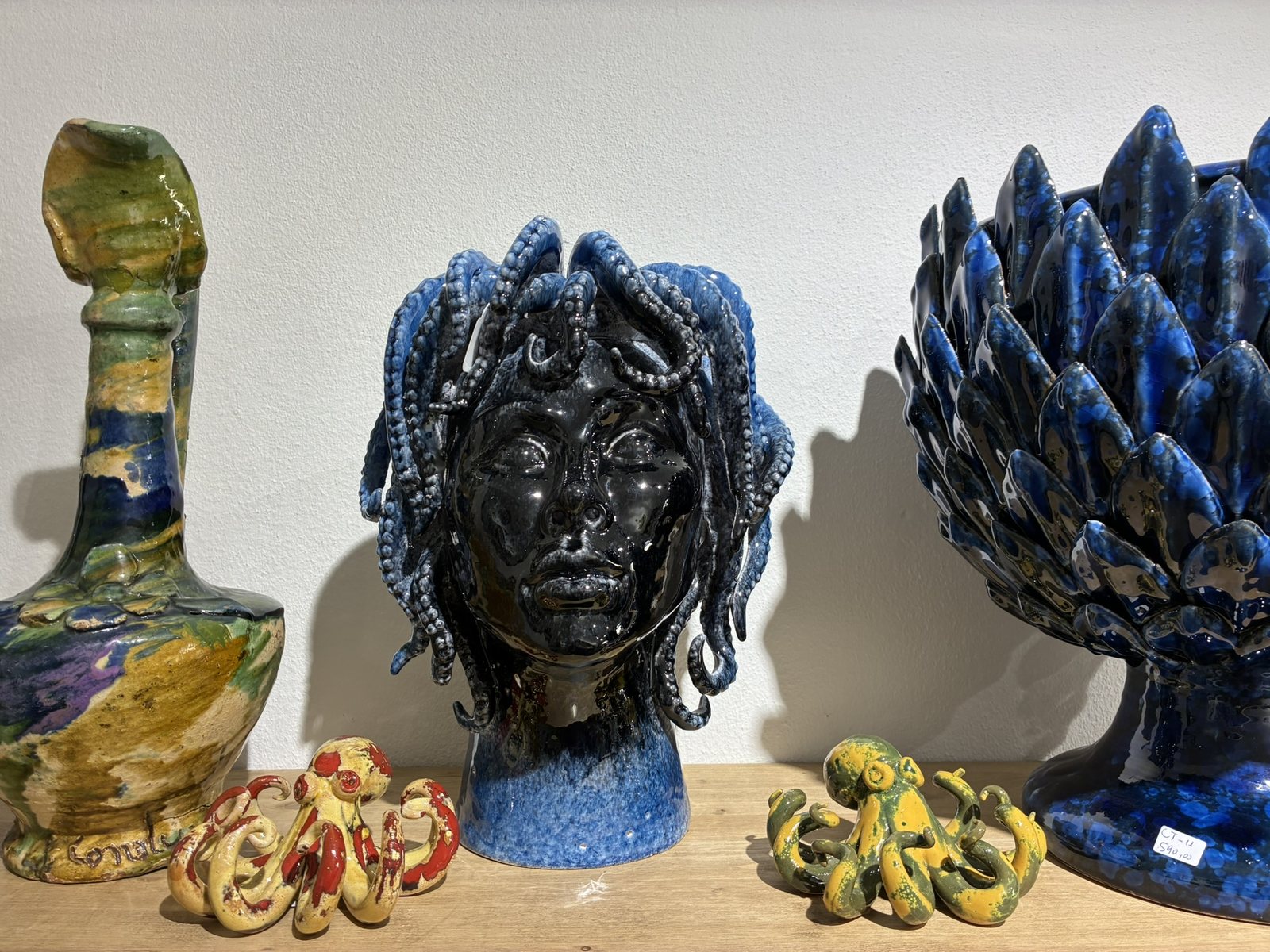
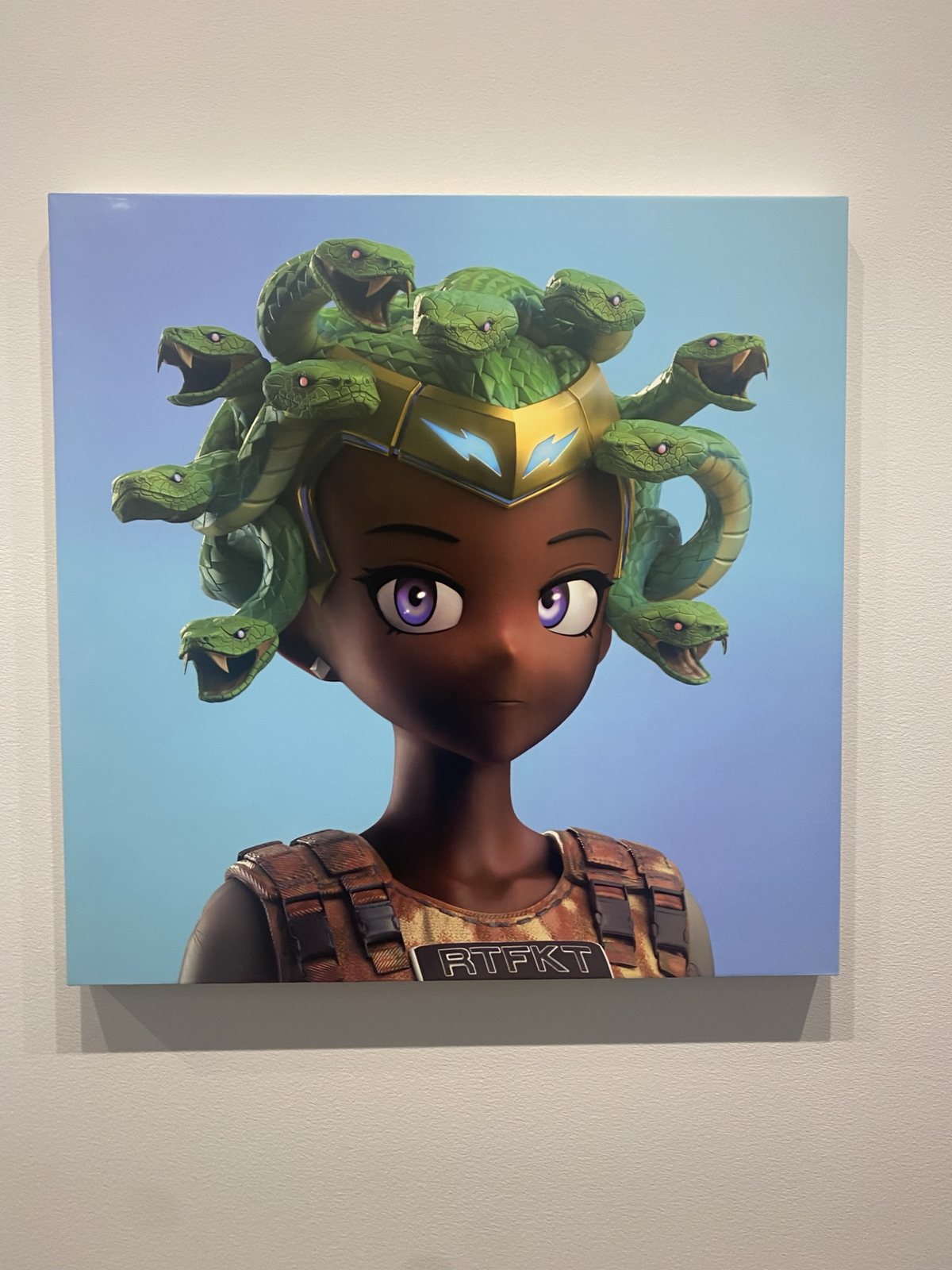
Once you start looking, Italy is wall-to-wall dragons: Saint George skewering one at the Pitti Palace, another curled underfoot in a painting at San Marco, a whole squad of knights ganging up on a third. Venice's Doge's Palace adds a panel crawling with hell creatures, and Florence's shops sell Medusa heads by the shelf-full.
MedievalAncient
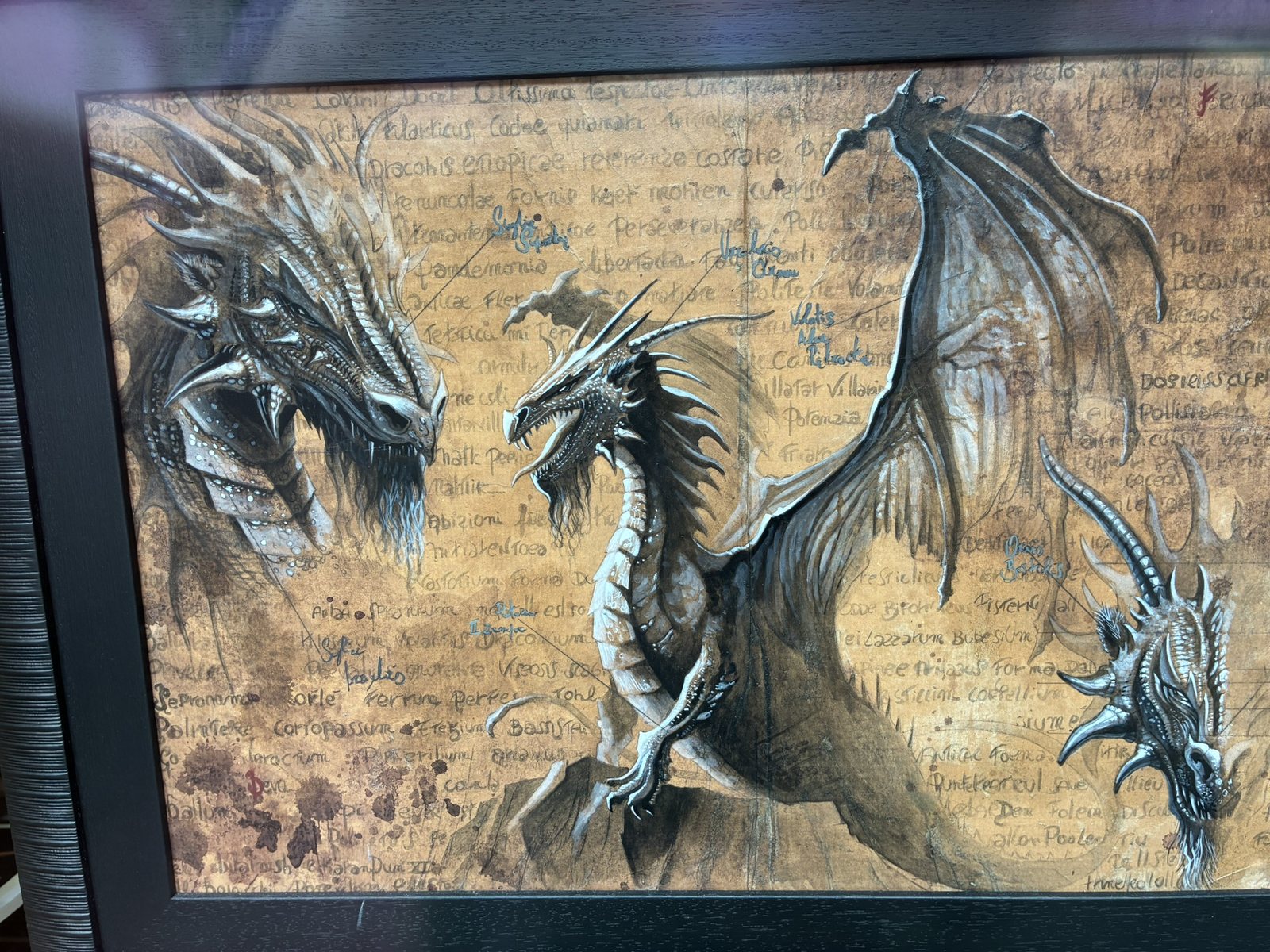
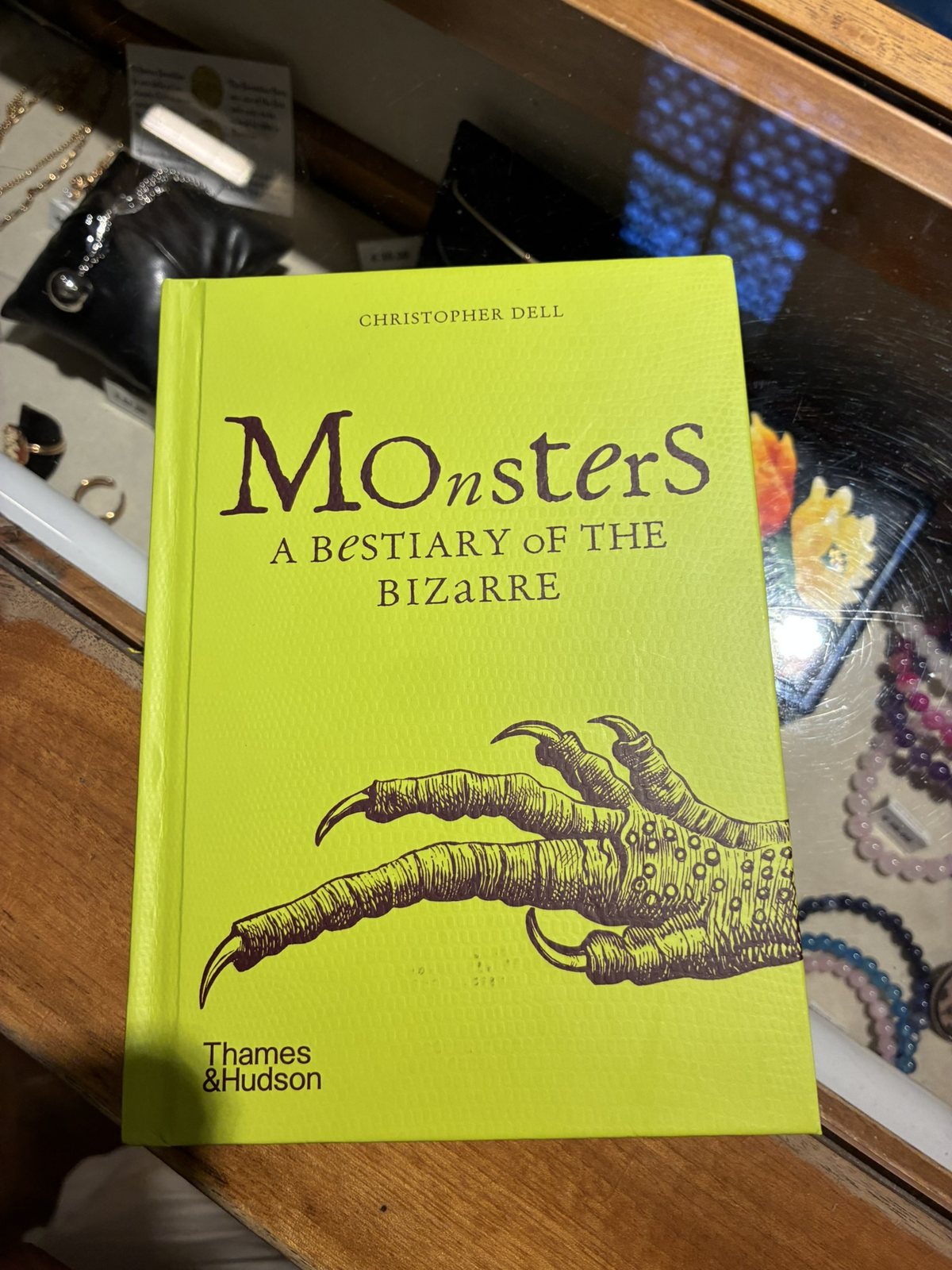
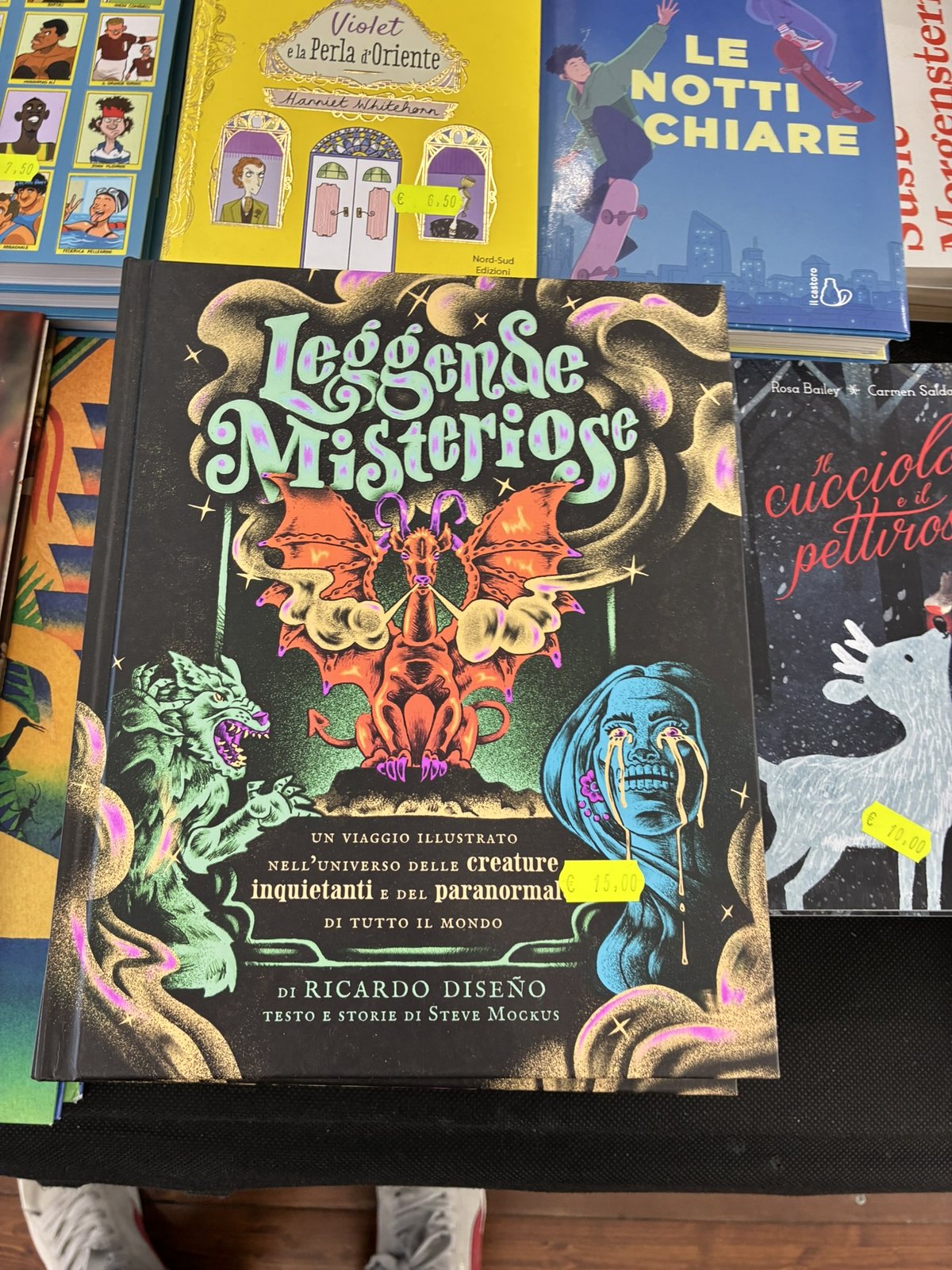
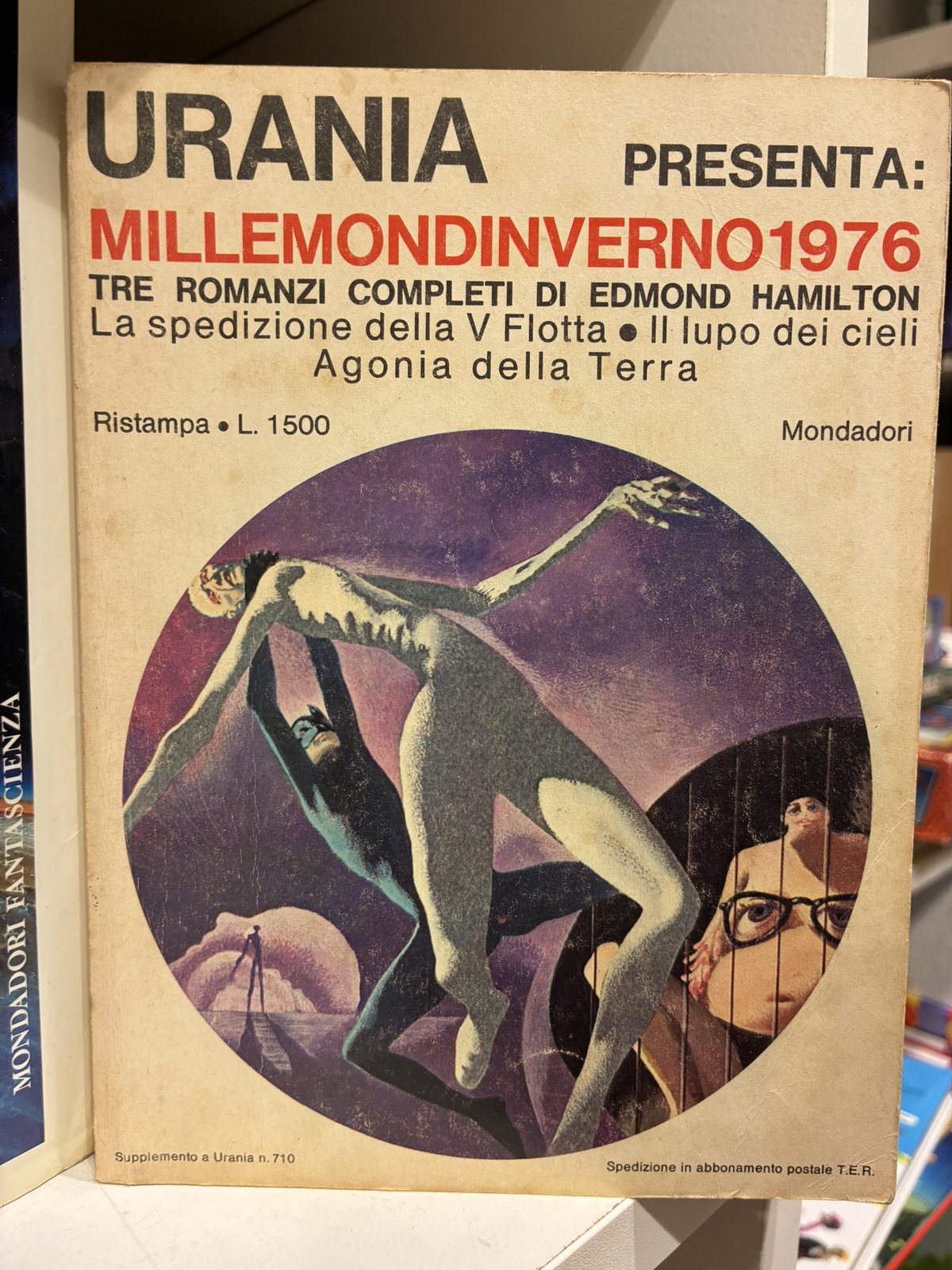
Saint George and the dragonPitti Palace, FlorenceKnights versus dragonFlorenceA dragon, underfootSan Marco, FlorenceHell creaturesDoge's Palace, VeniceA frieze of beastsSanta Croce, FlorenceMedusa heads, by the shelf-fullFlorenceFramed dragonsLuccaMonsters: A Bestiary of the BizarreA Florence bookshopLeggende misterioseA Bologna bookshopAn Urania sci-fi paperbackRome
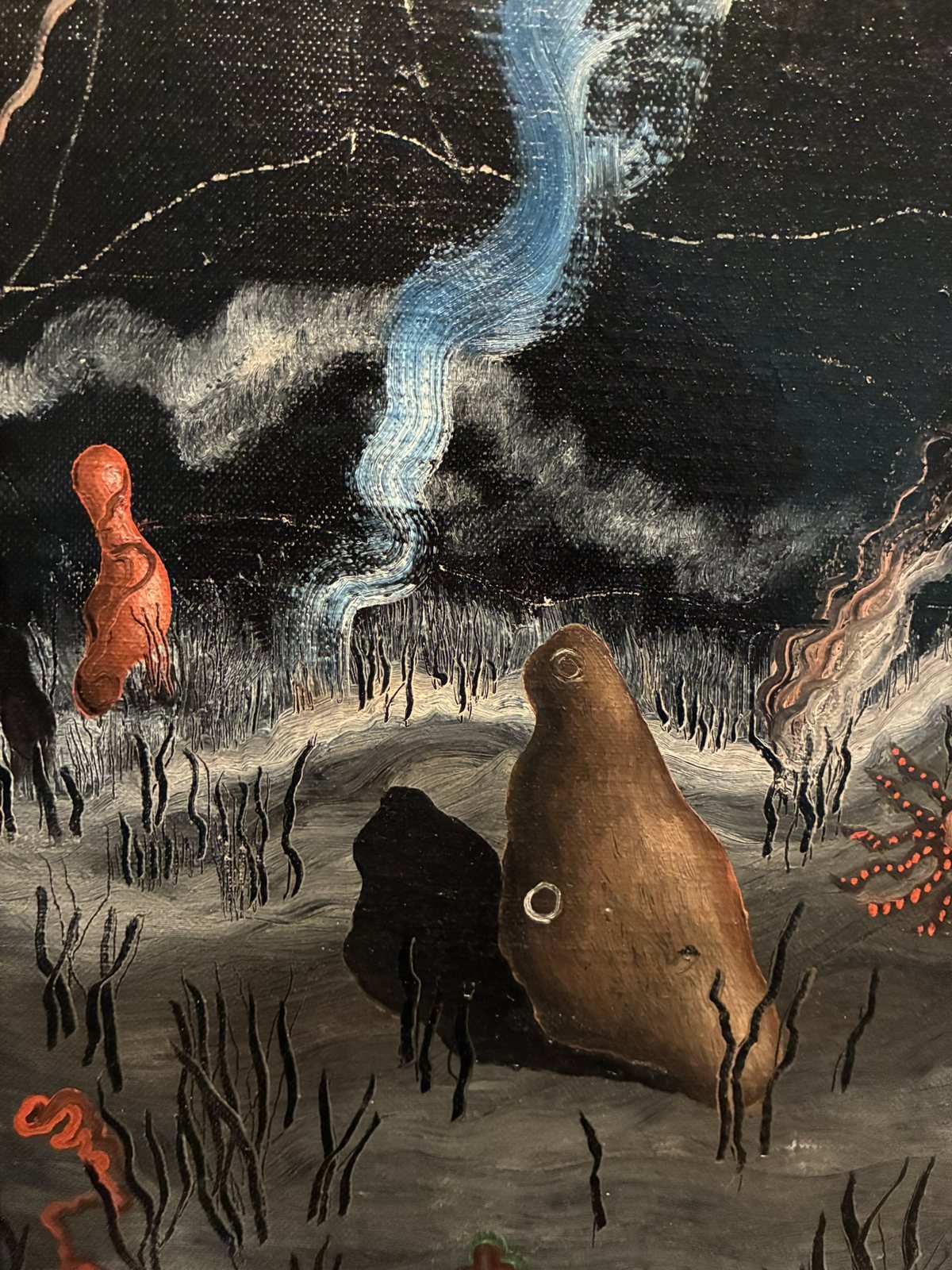
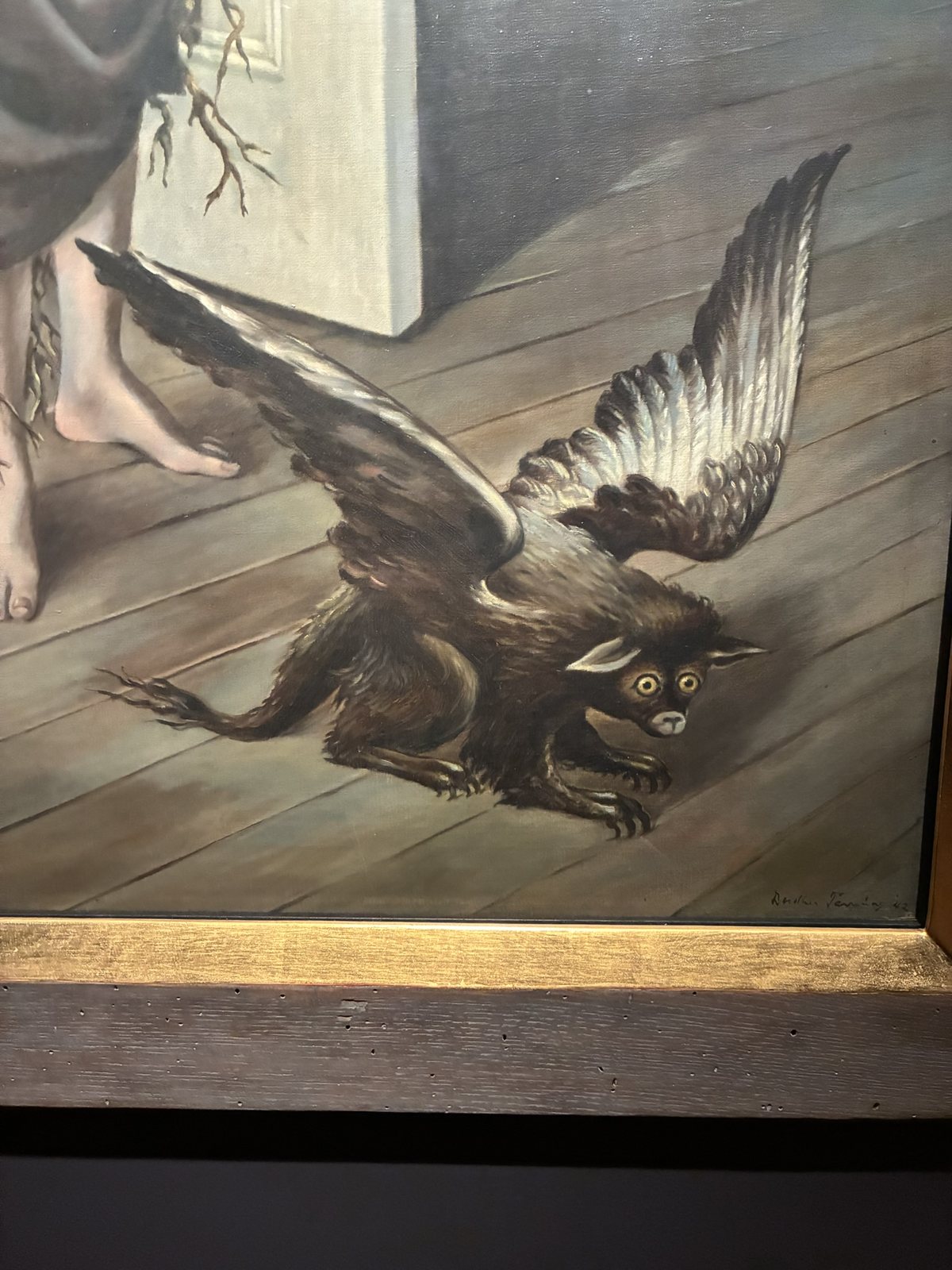
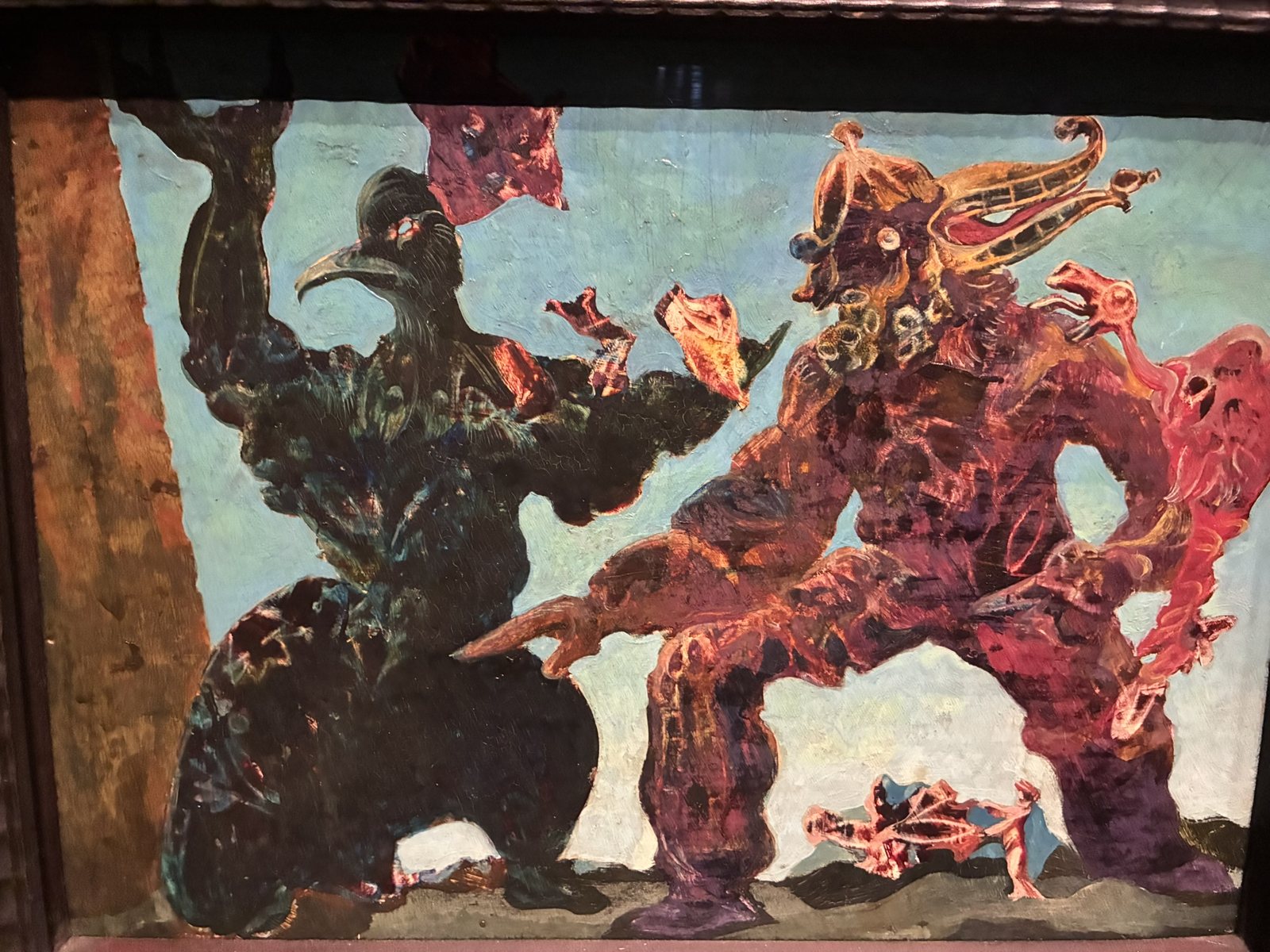
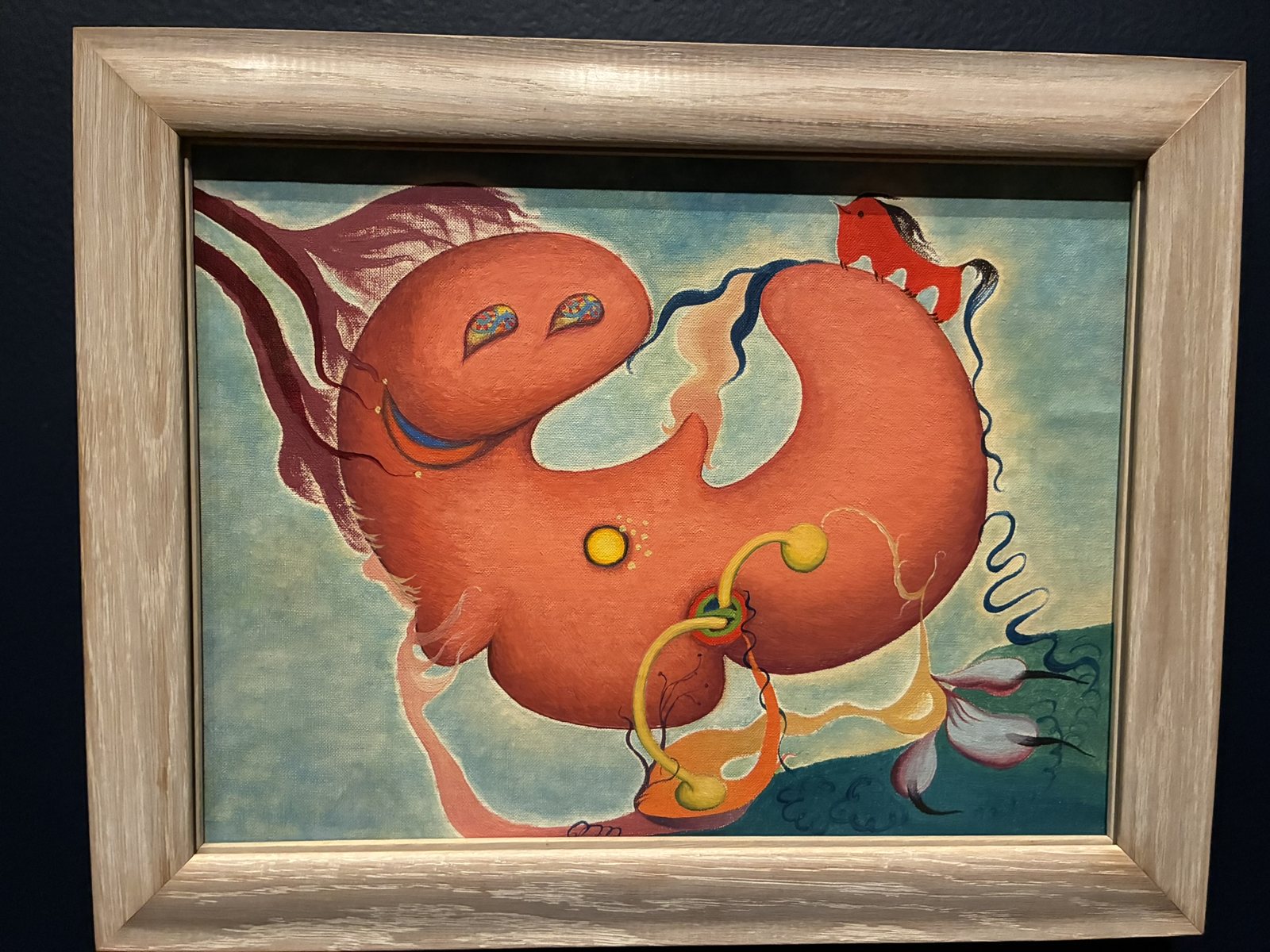
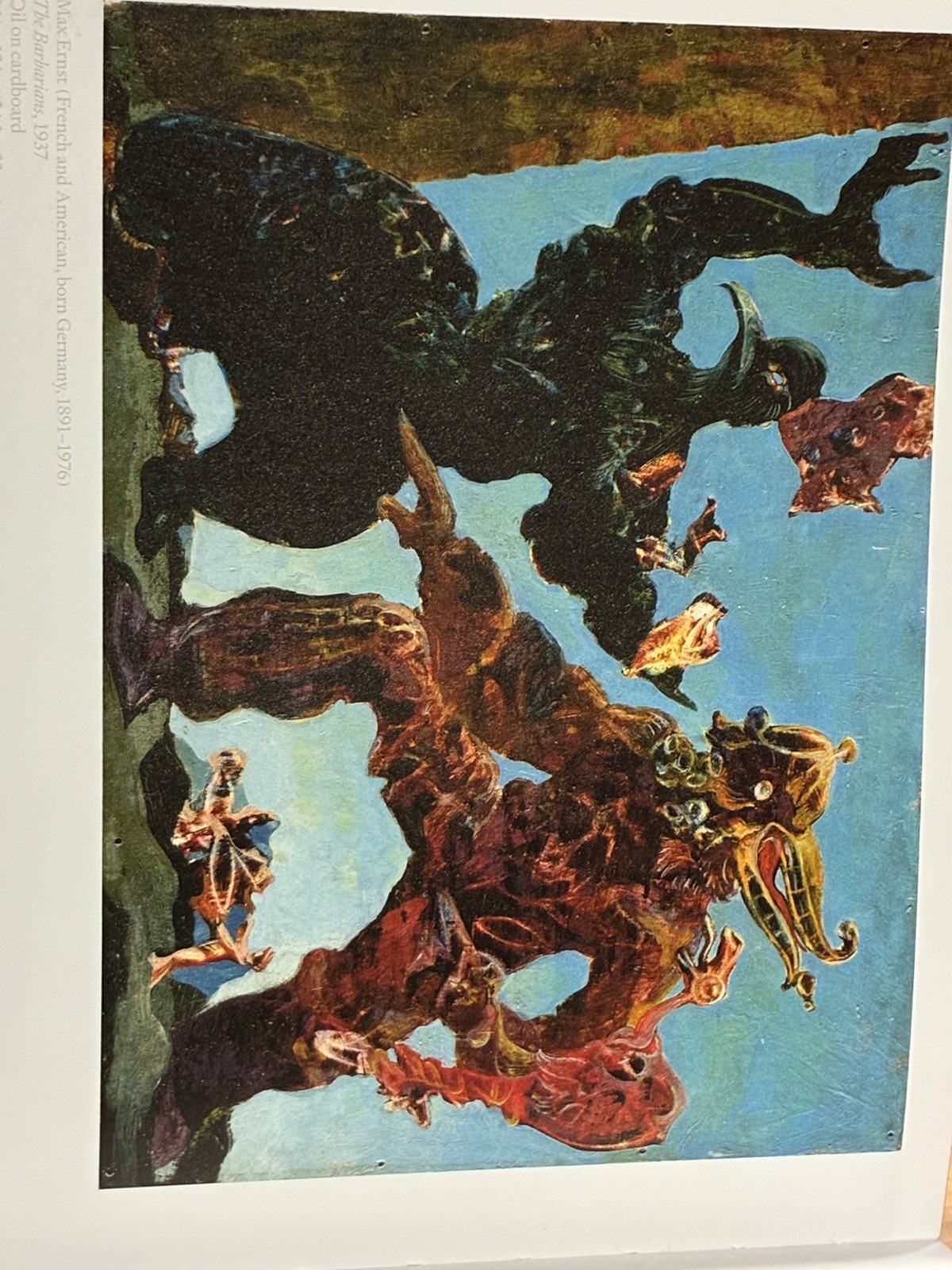
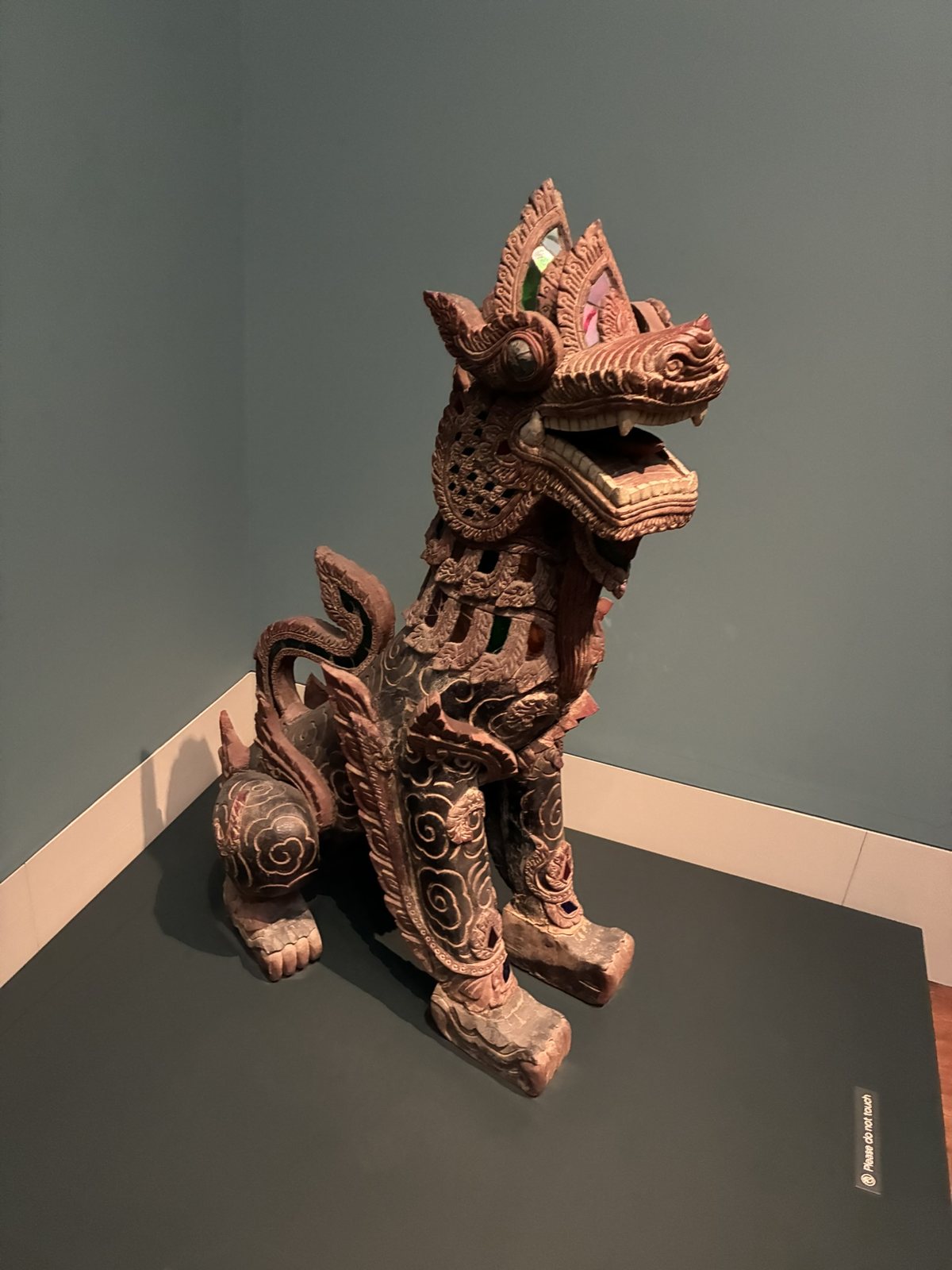
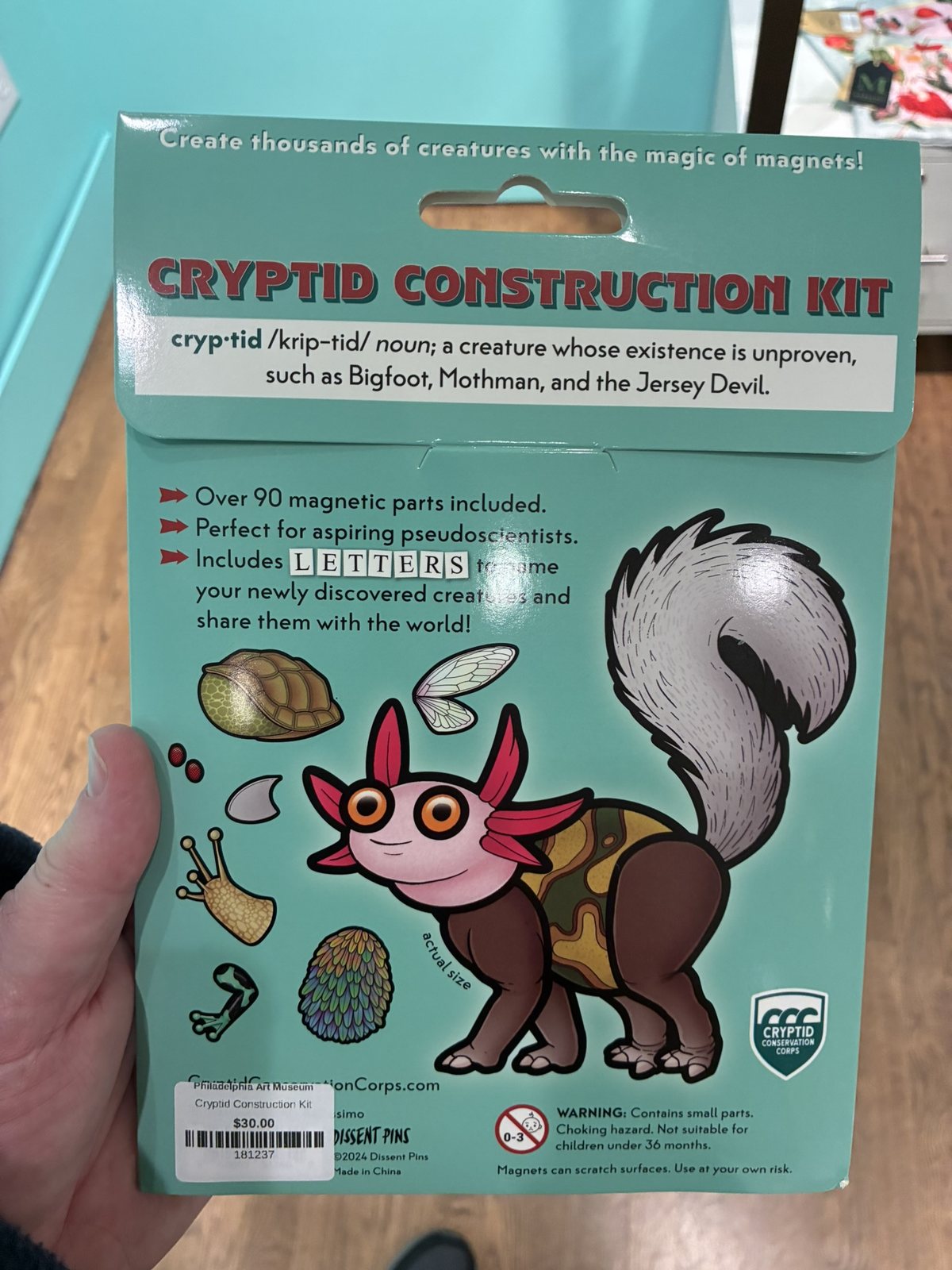
Surrealism turned 100 (André Breton's manifesto came out in 1924), and the Surrealists never met a monster they didn't like — Max Ernst even painted a Chimera in 1928. Plus a stone guardian lion, and a museum-shop cryptid construction kit: Bigfoot, Mothman and the Jersey Devil, some assembly required.
Exploration
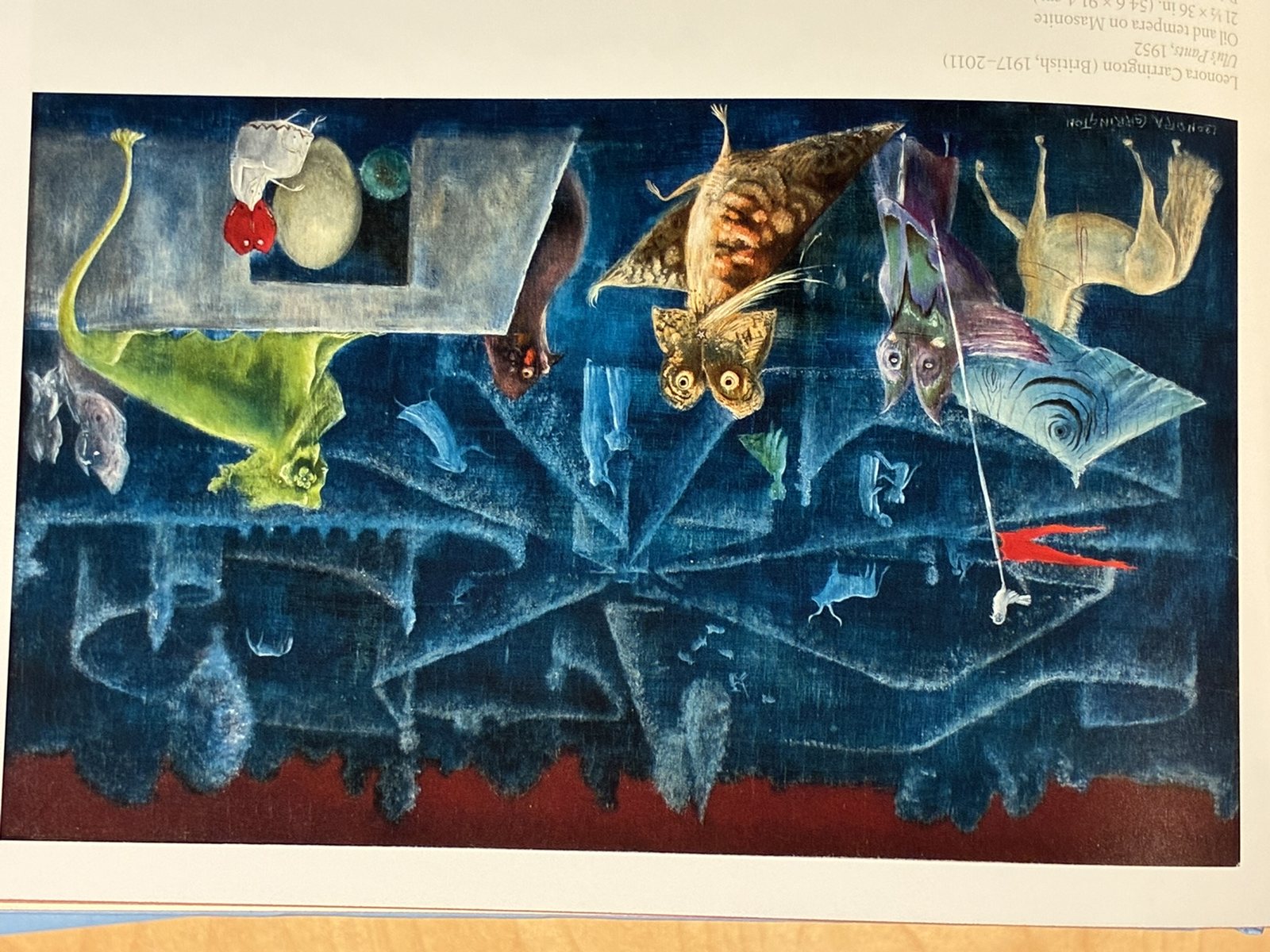
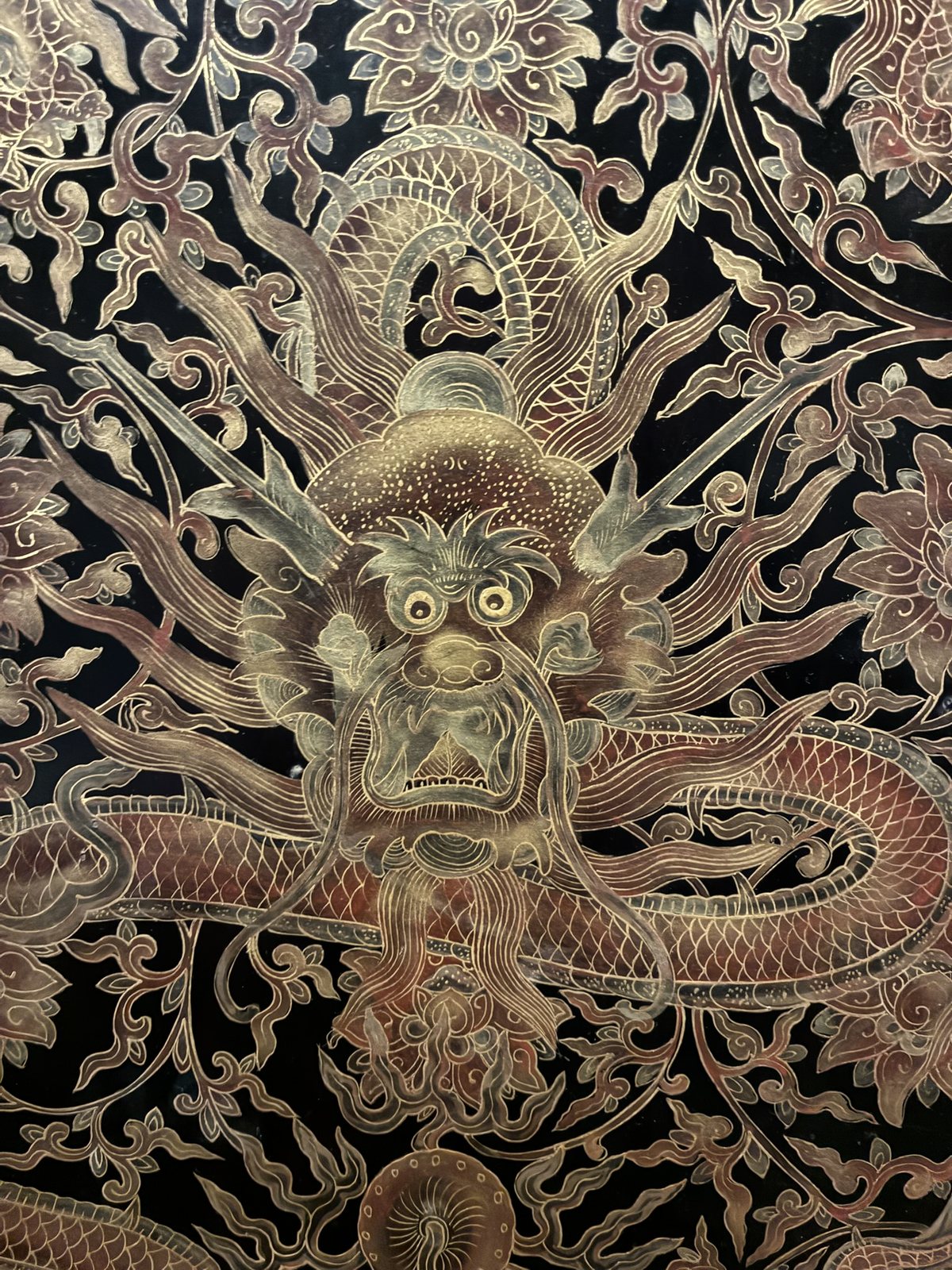
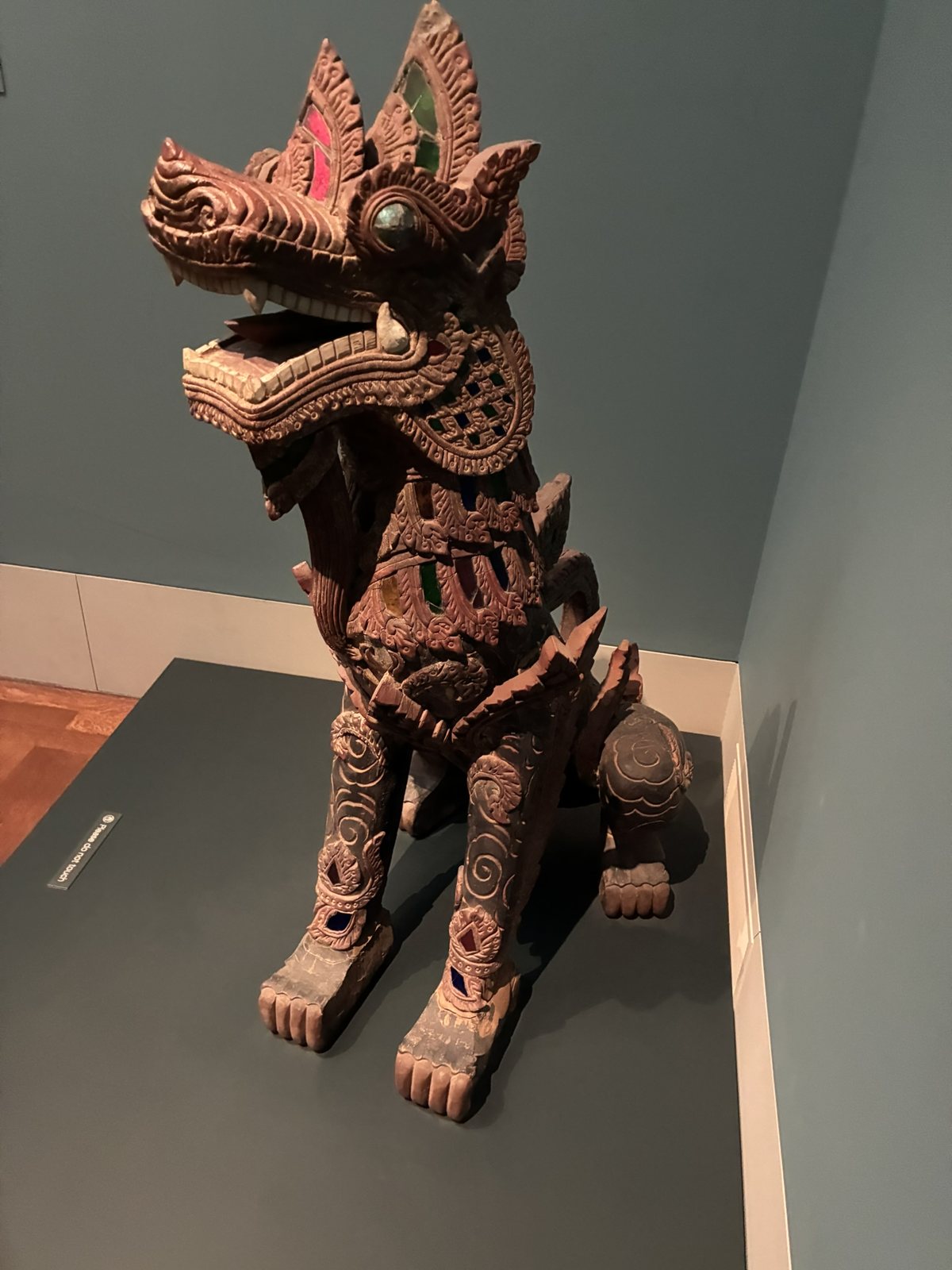
Creatures in a dark landscapeA winged cat-creatureRed and black beastsAn orange blob with ideasCreatures on blueDark beastsA dragon, in threadA guardian lion, face to faceThe guardian lion, in profileBuild your own cryptid: Bigfoot, Mothman and the Jersey DevilMuseum shop
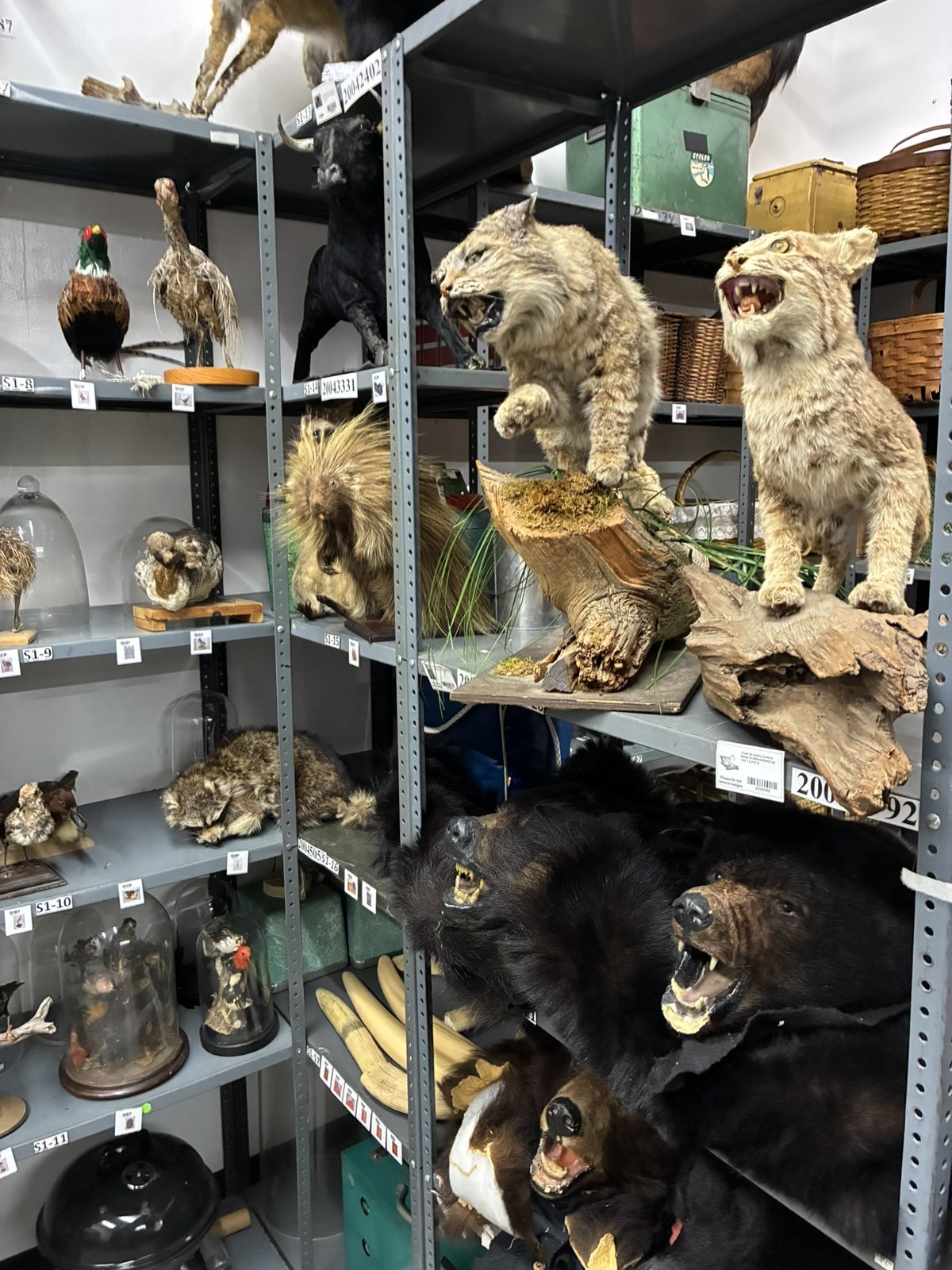
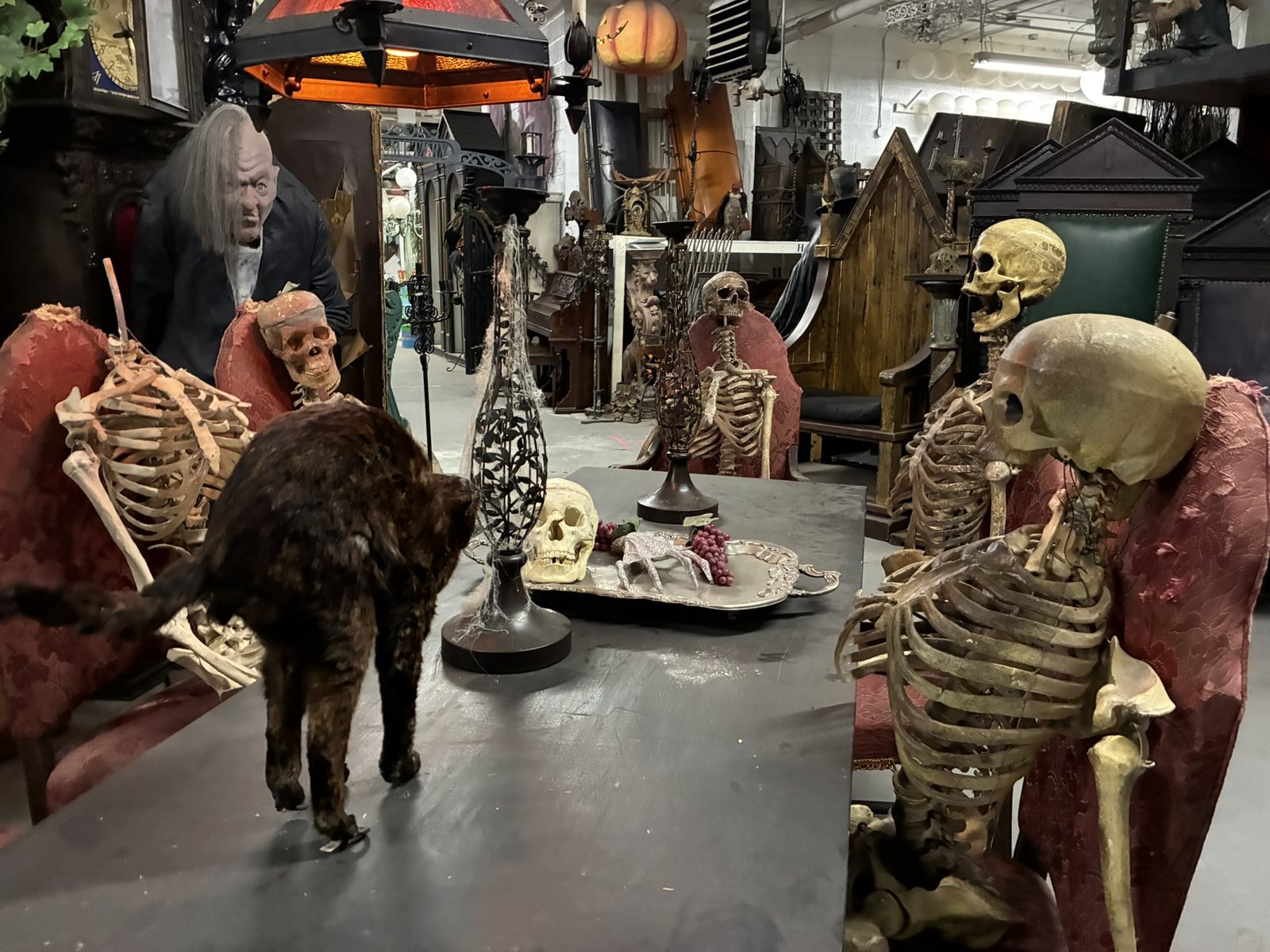
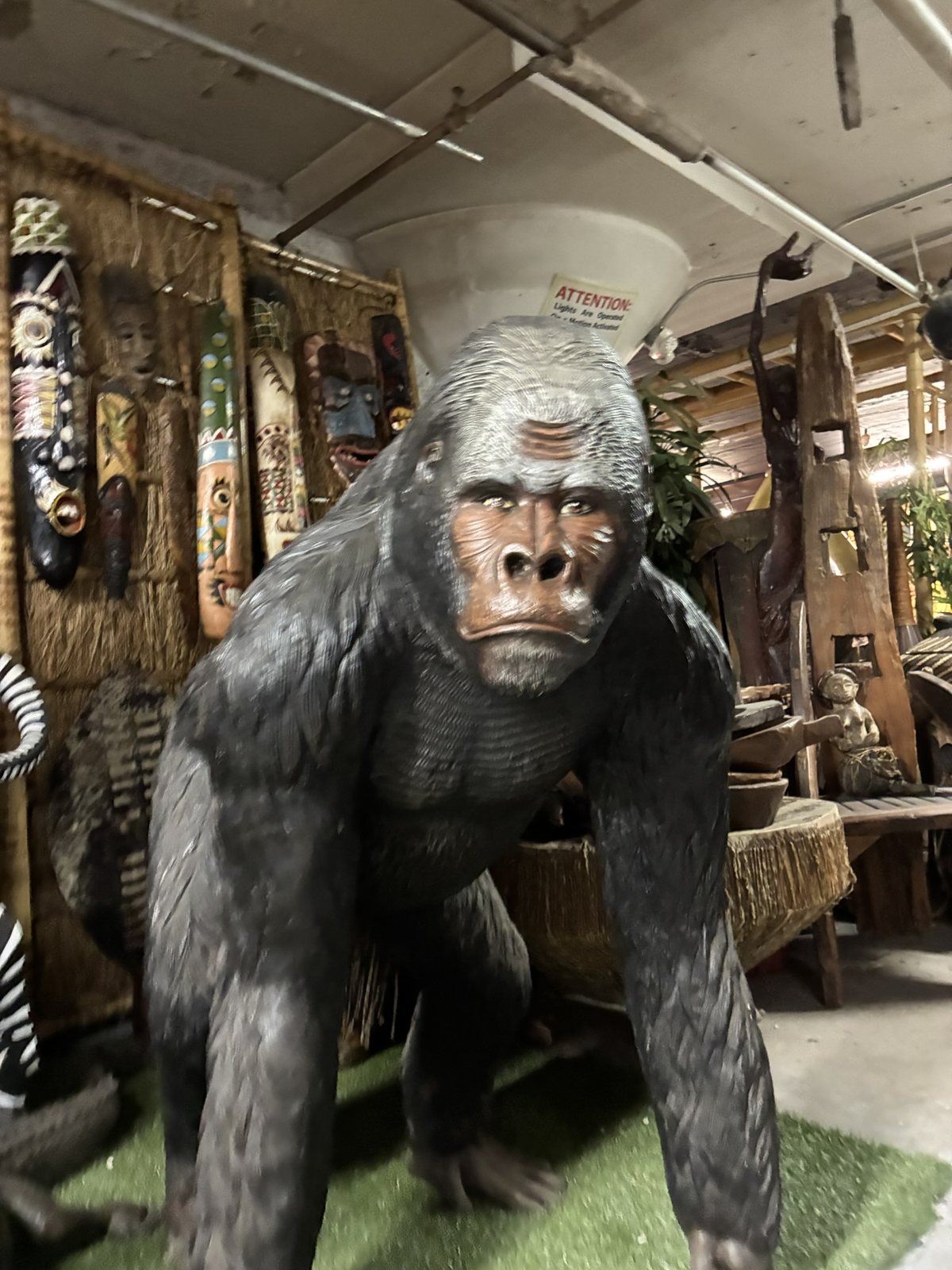
Shelves of taxidermy, skeletons and oddities in a Queens warehouse, with a grey alien and a gorilla keeping watch. Every shelf here could dress a horror set — and probably has.
Silver Screen
Shelves of taxidermyThe skeletons-and-oddities roomA grey alien, standing guardA gorilla, standing guard too
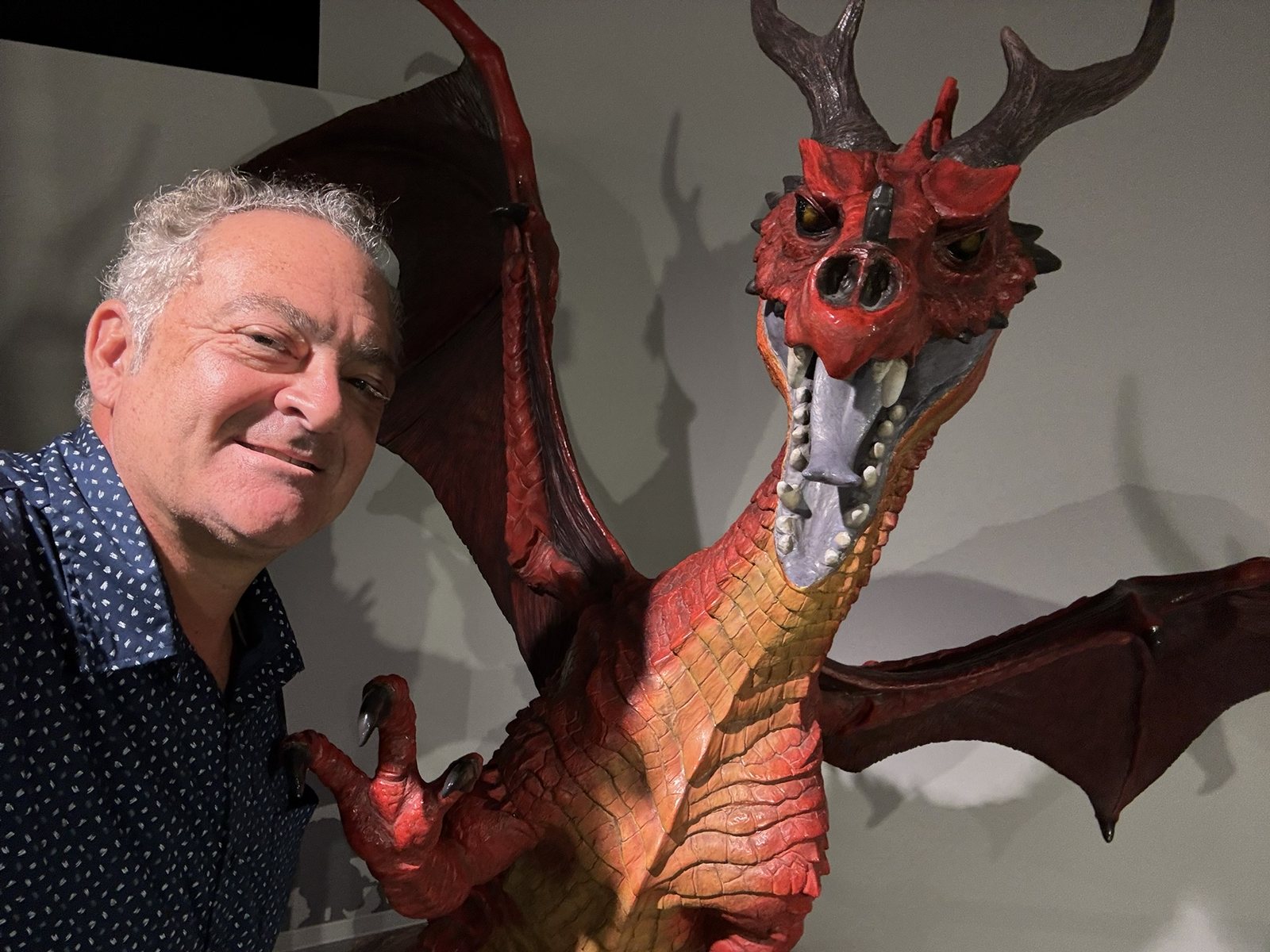
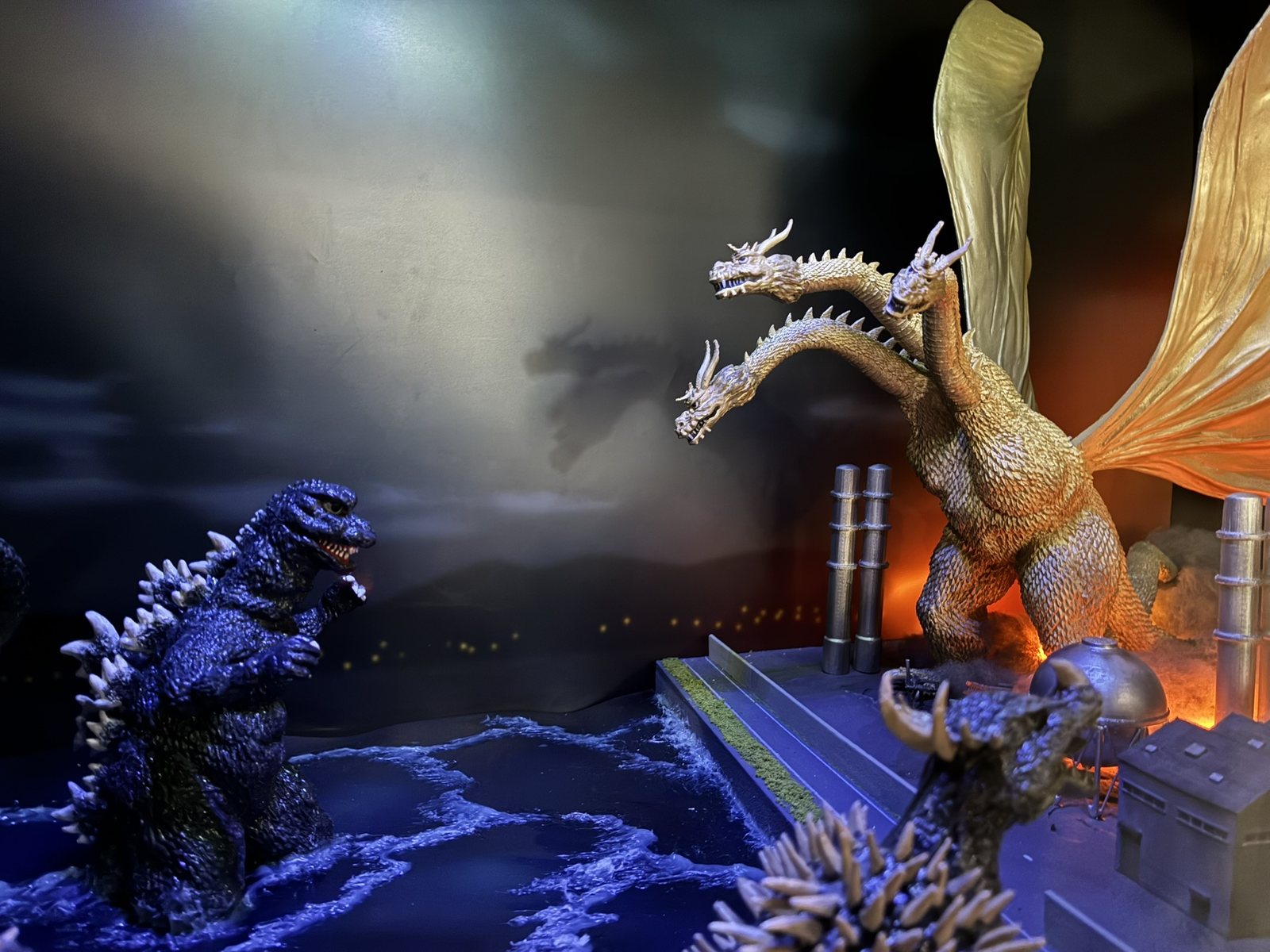
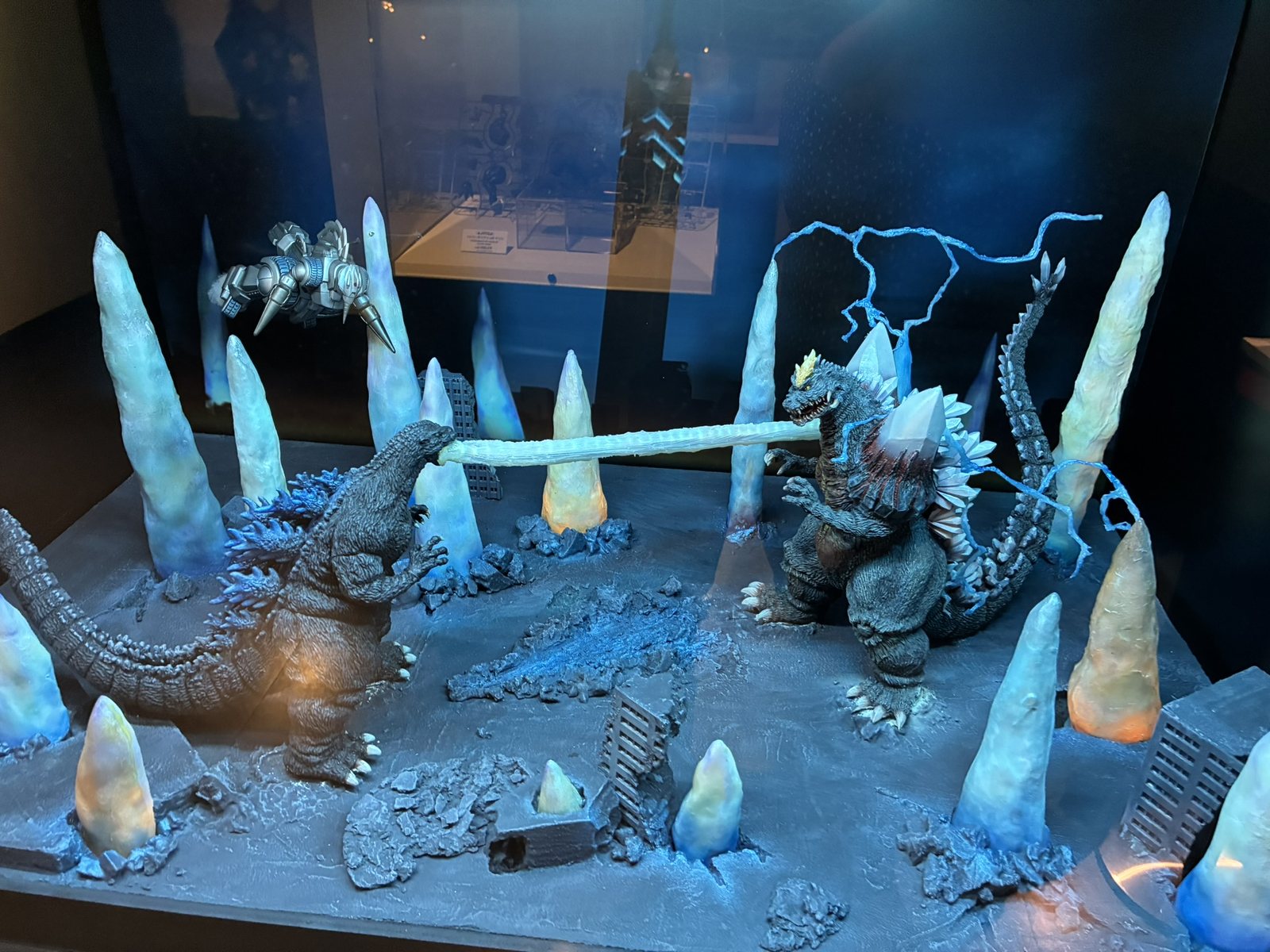
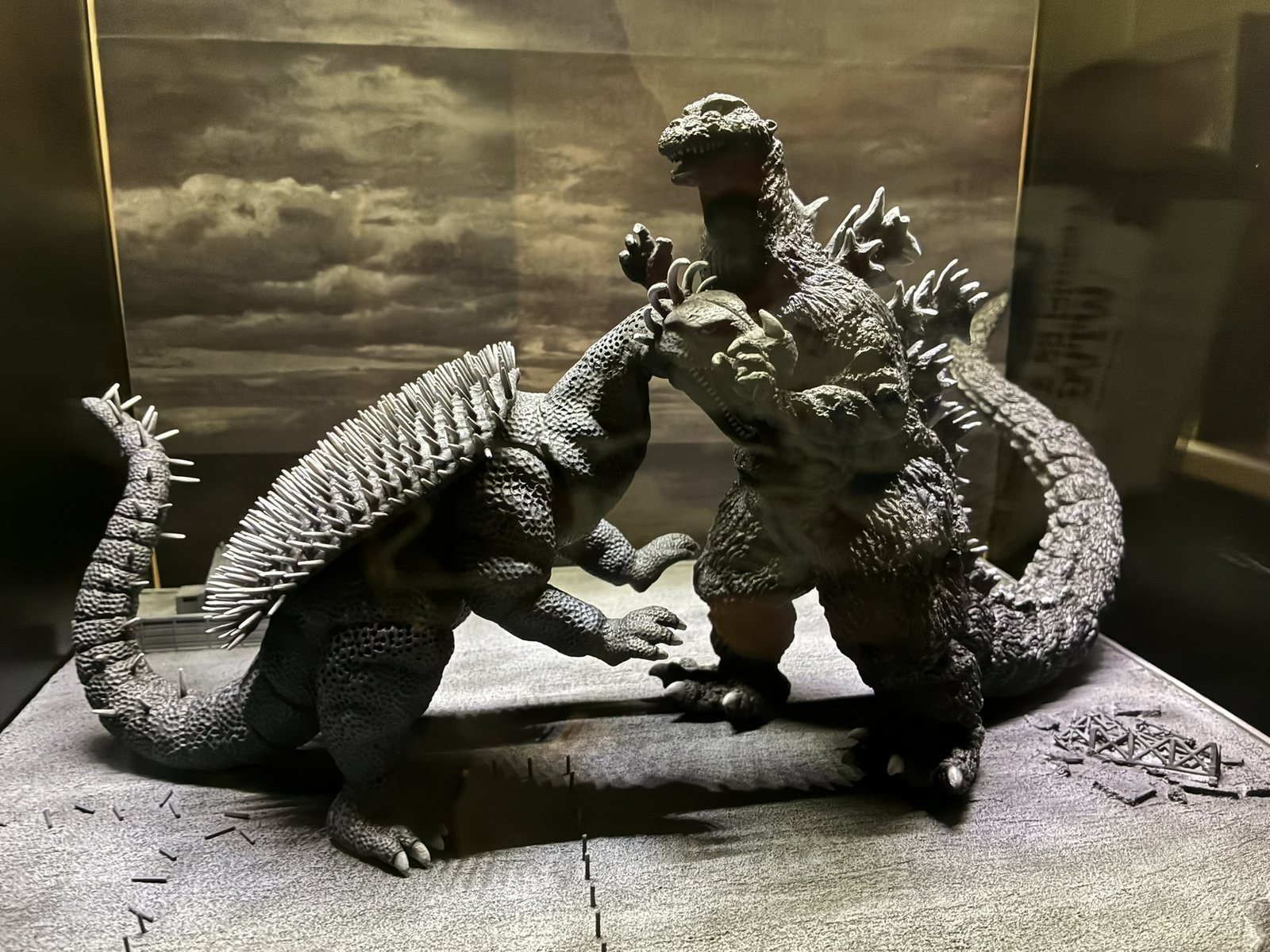
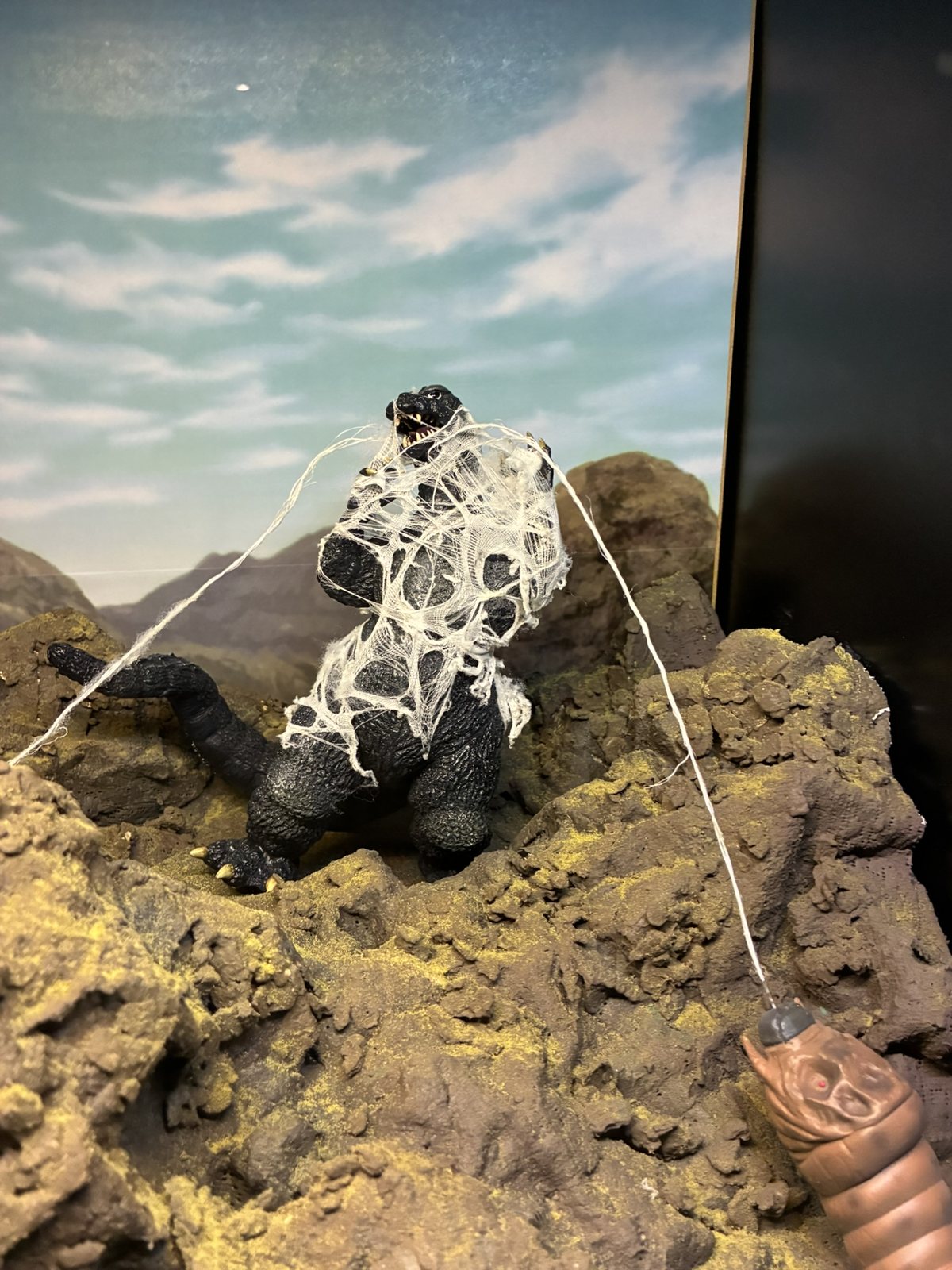
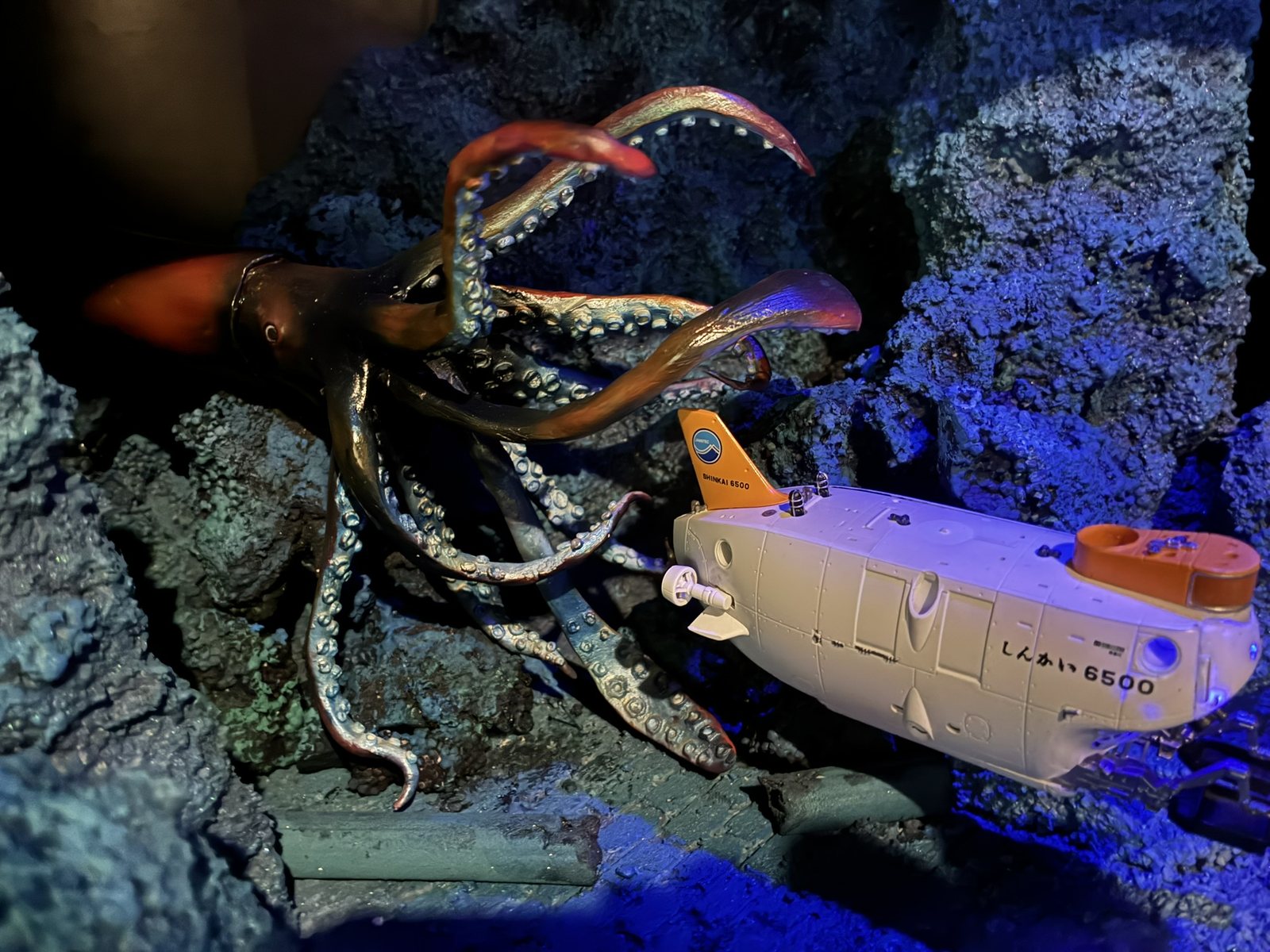
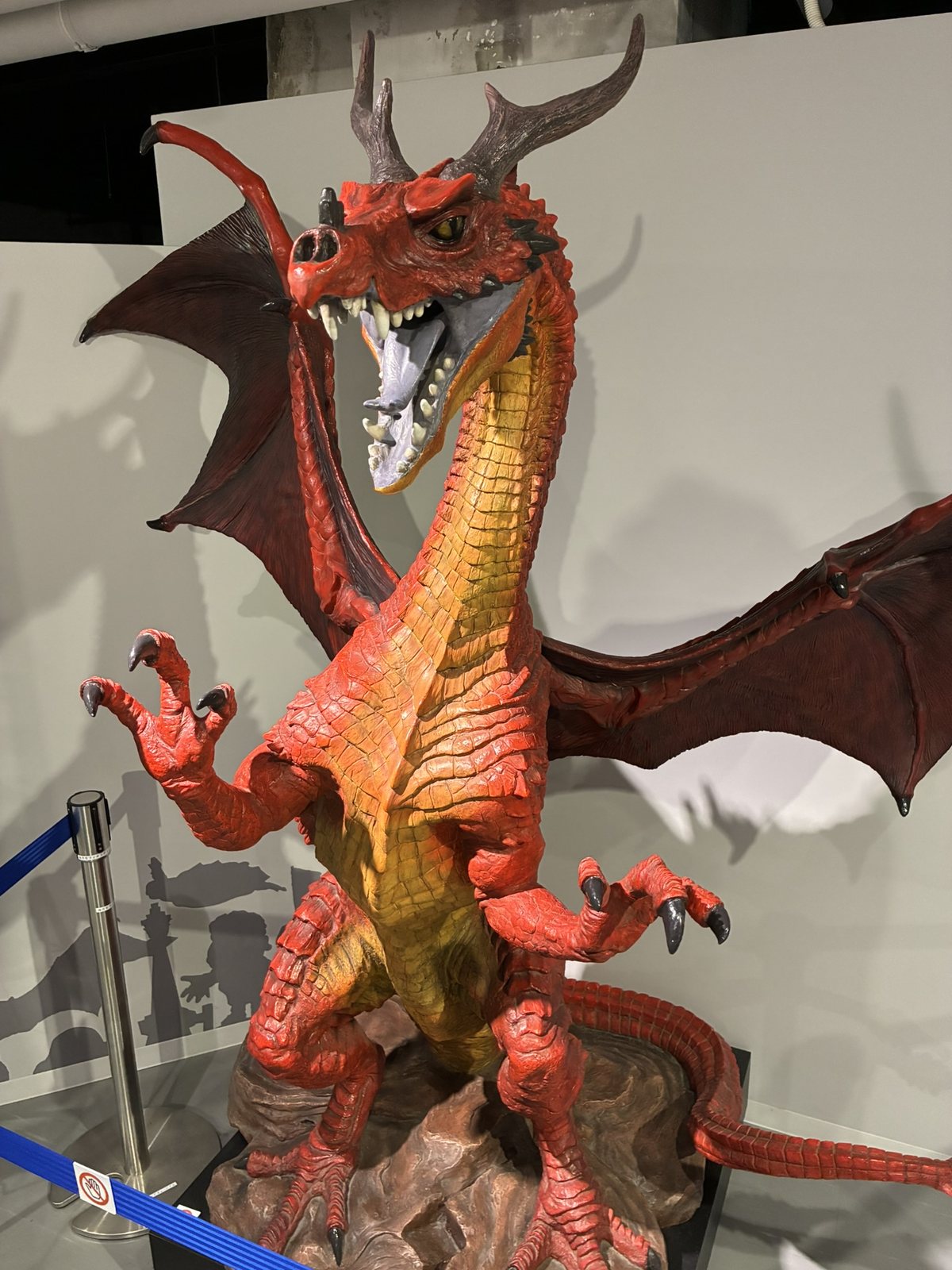
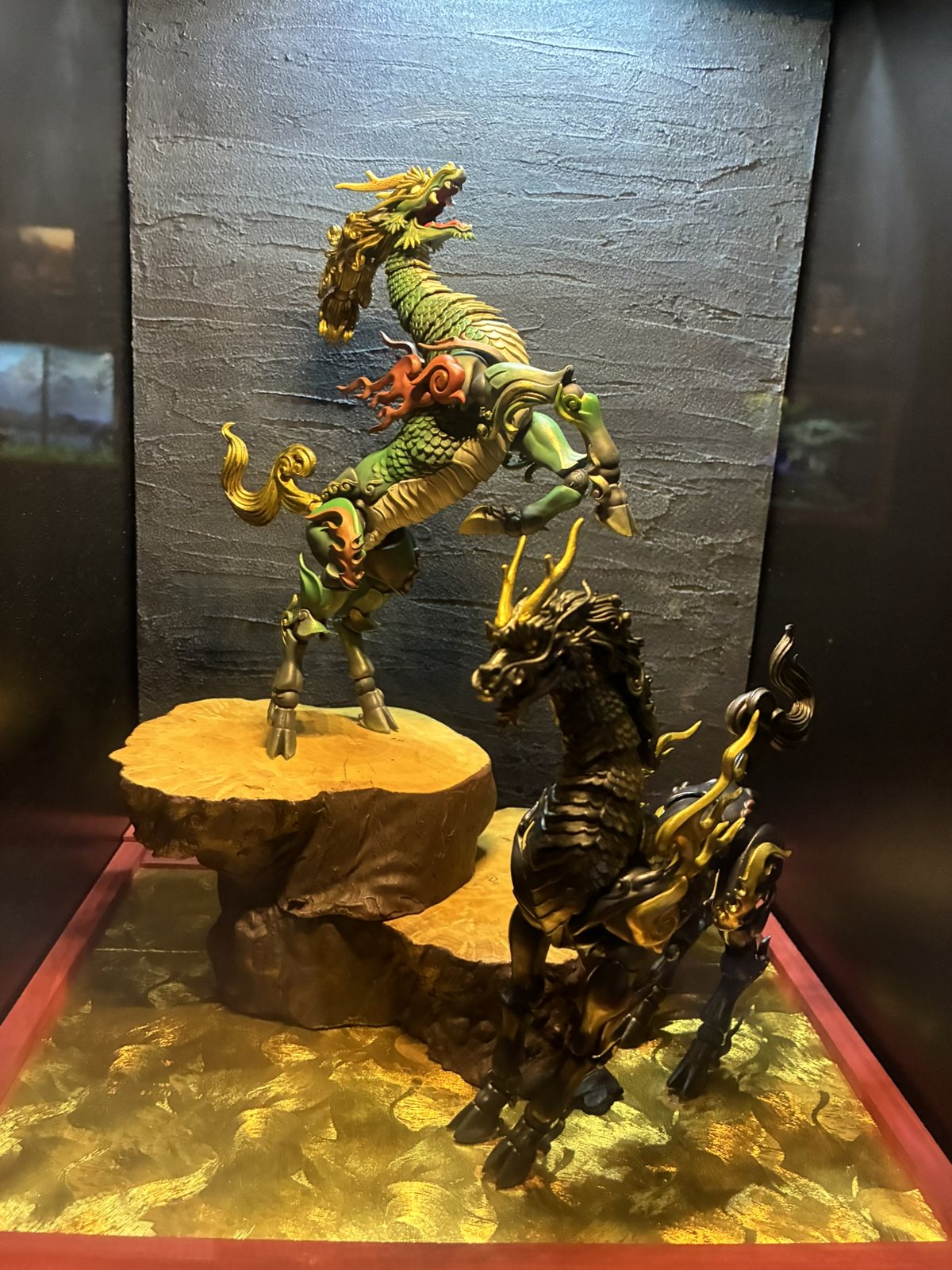
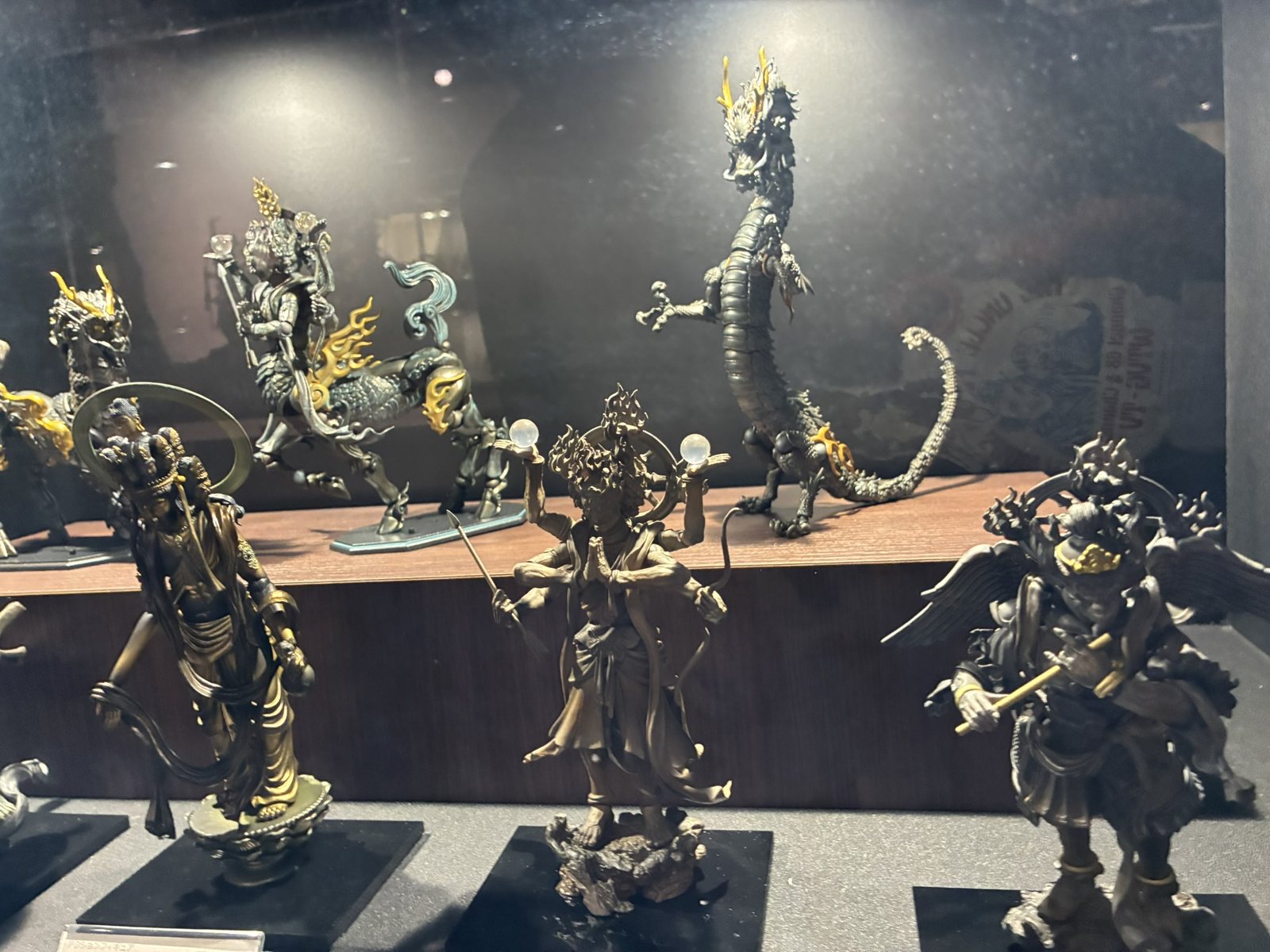
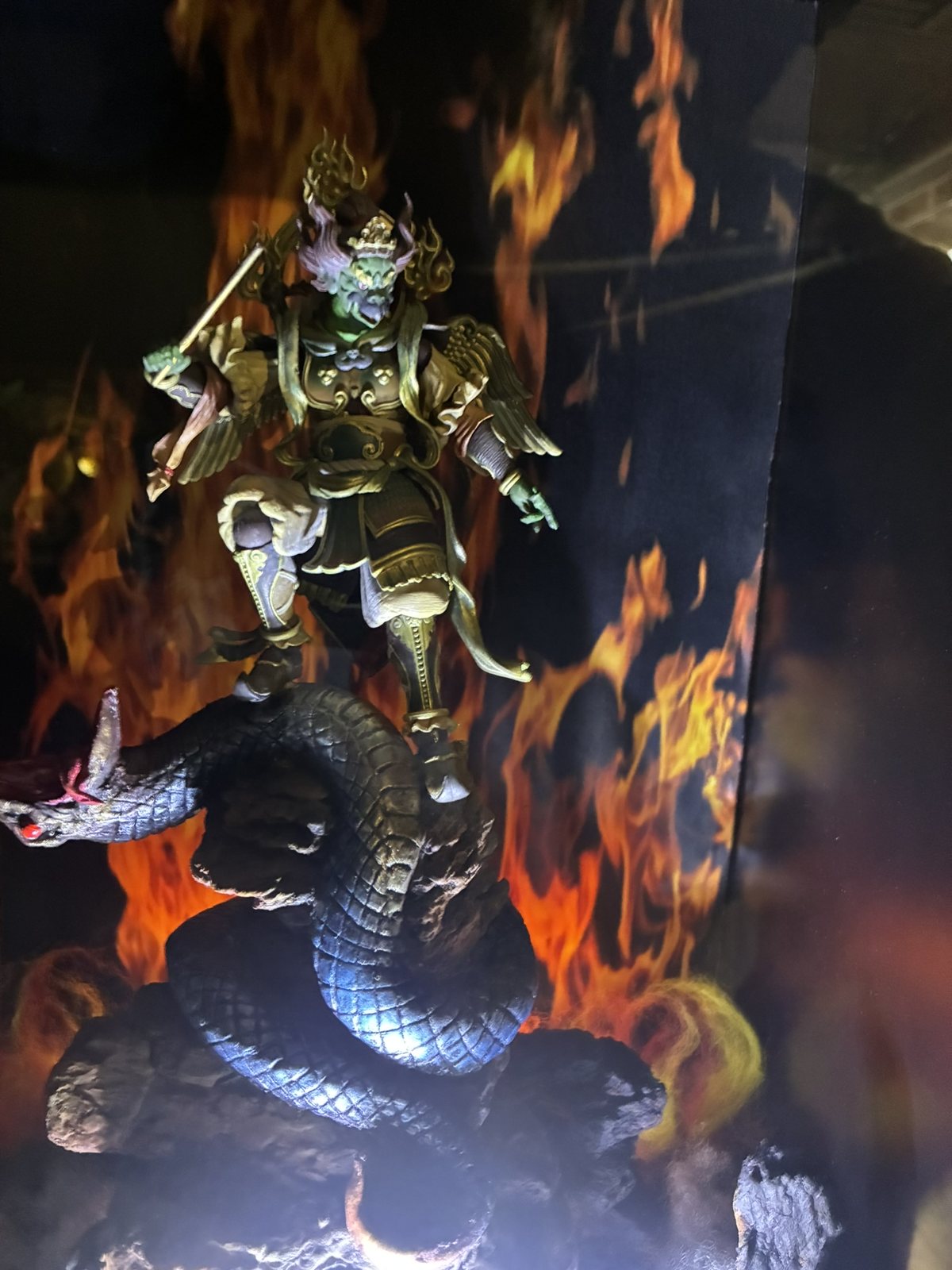
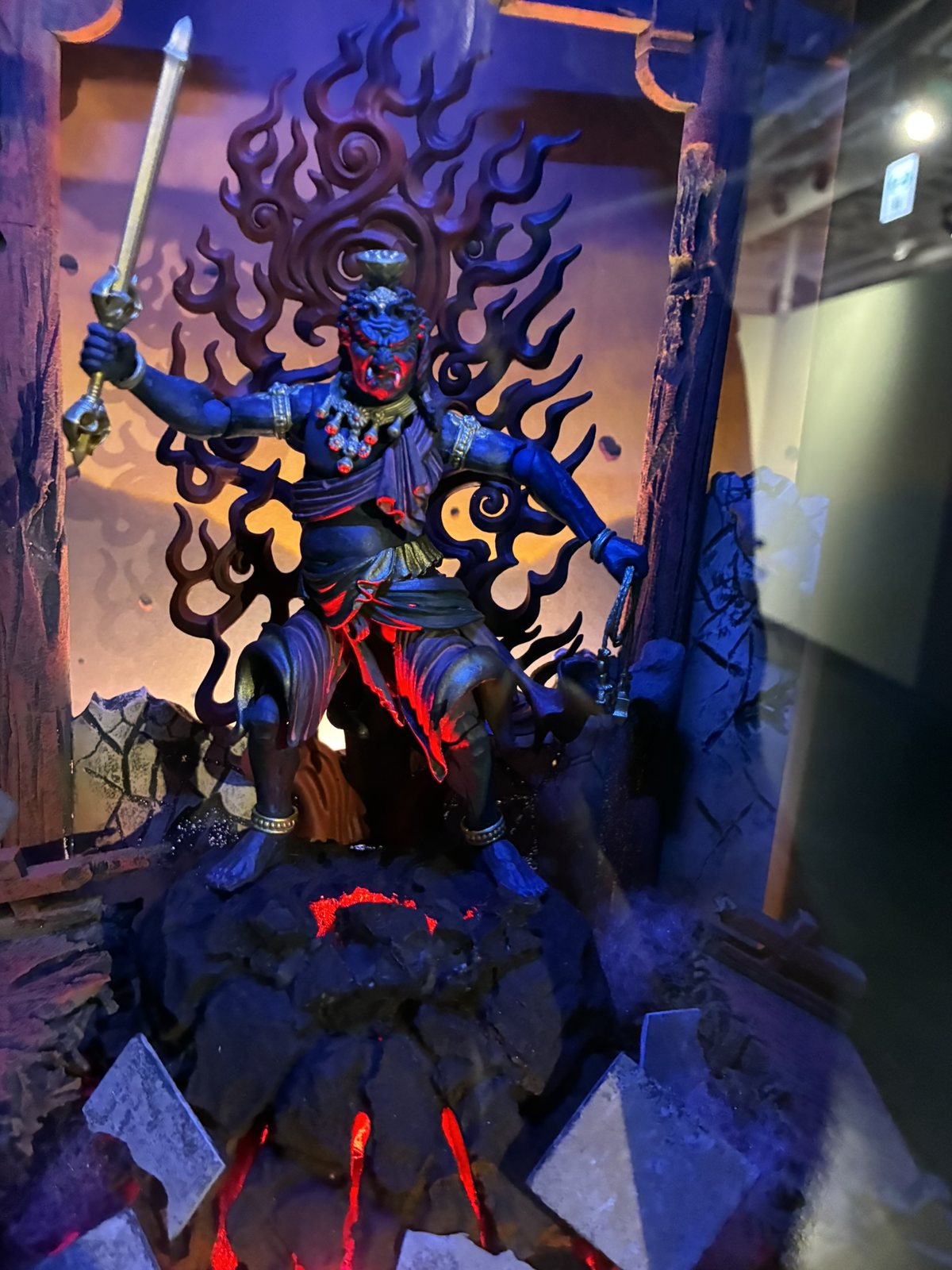
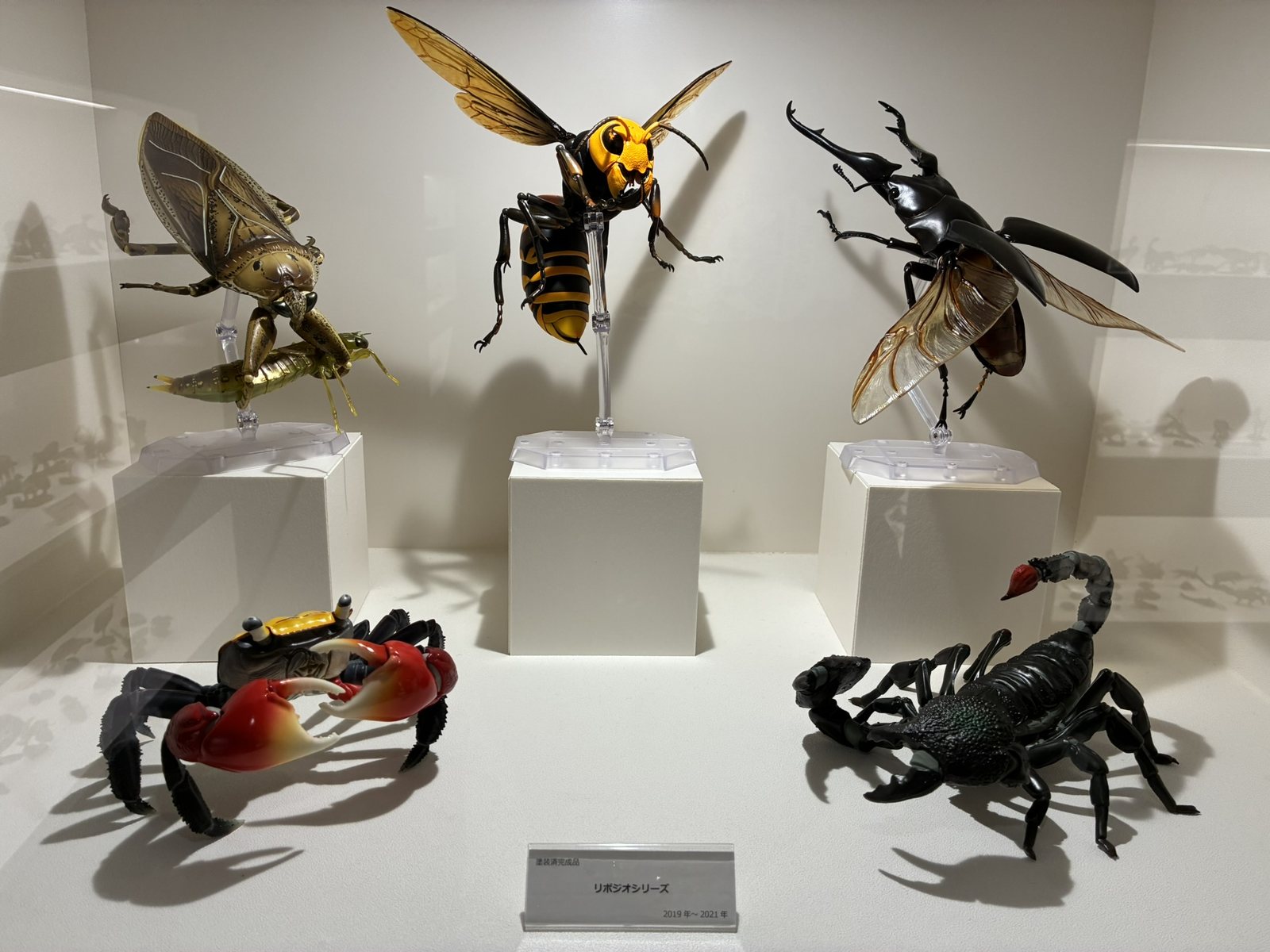
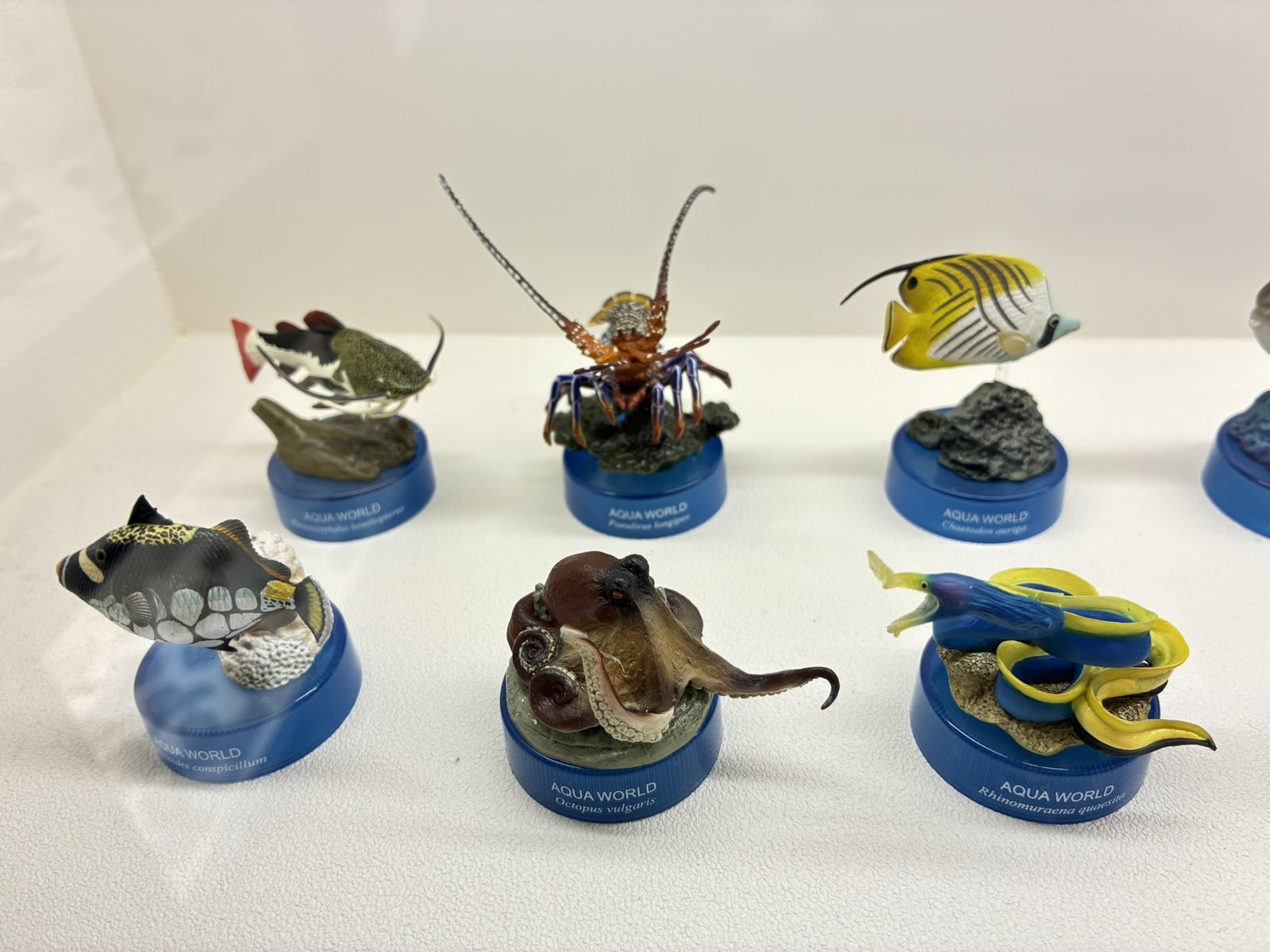
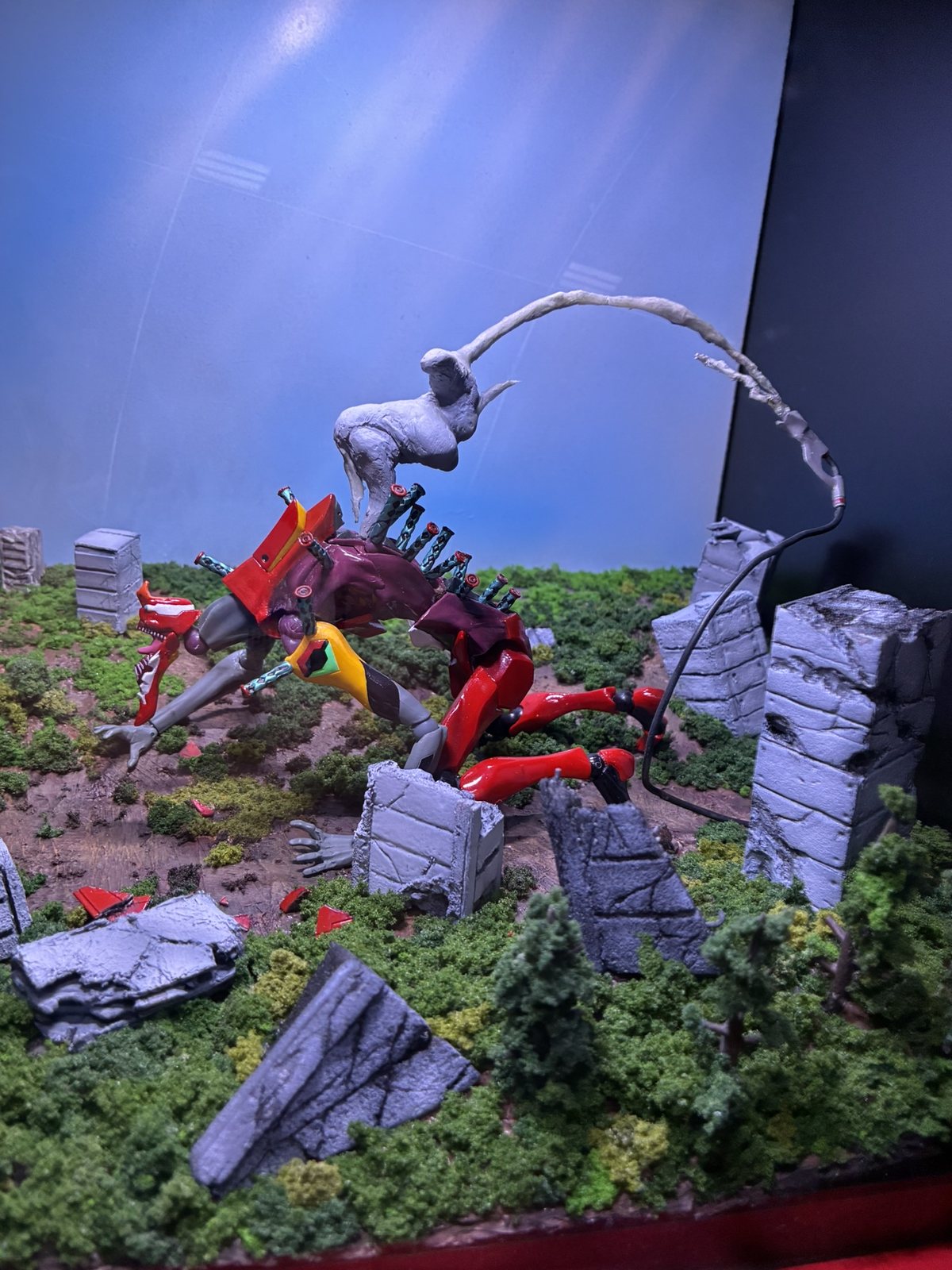
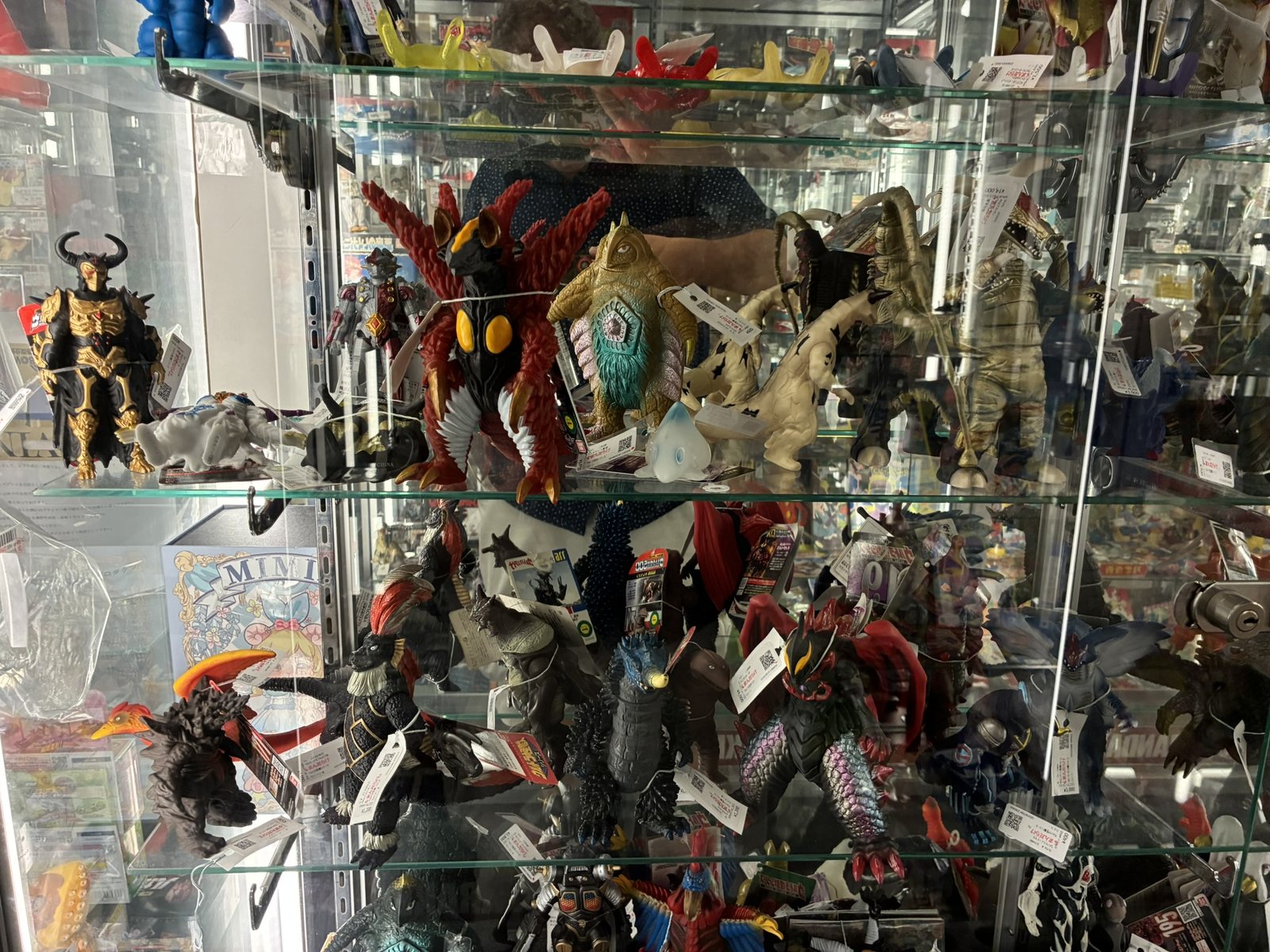
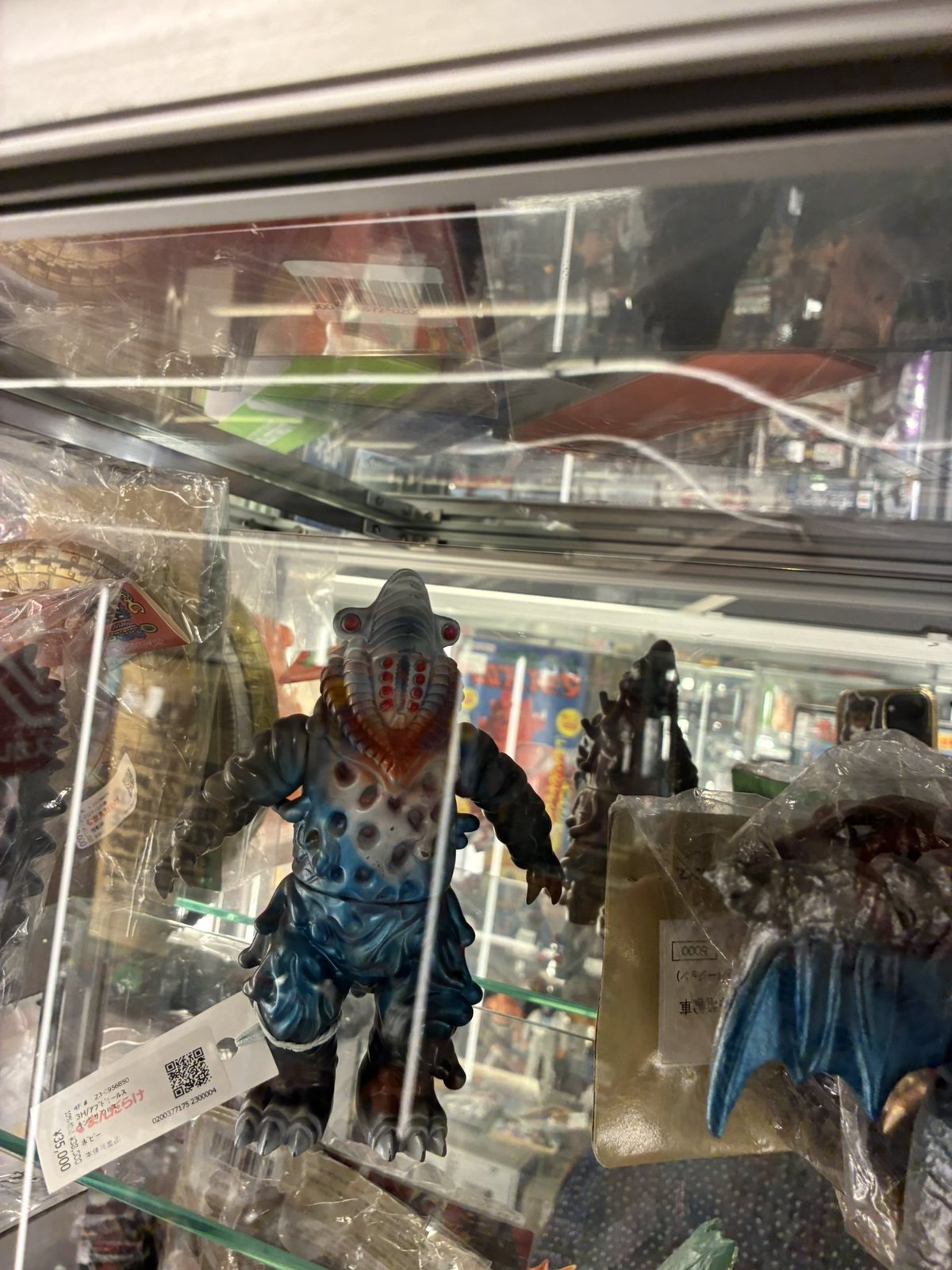
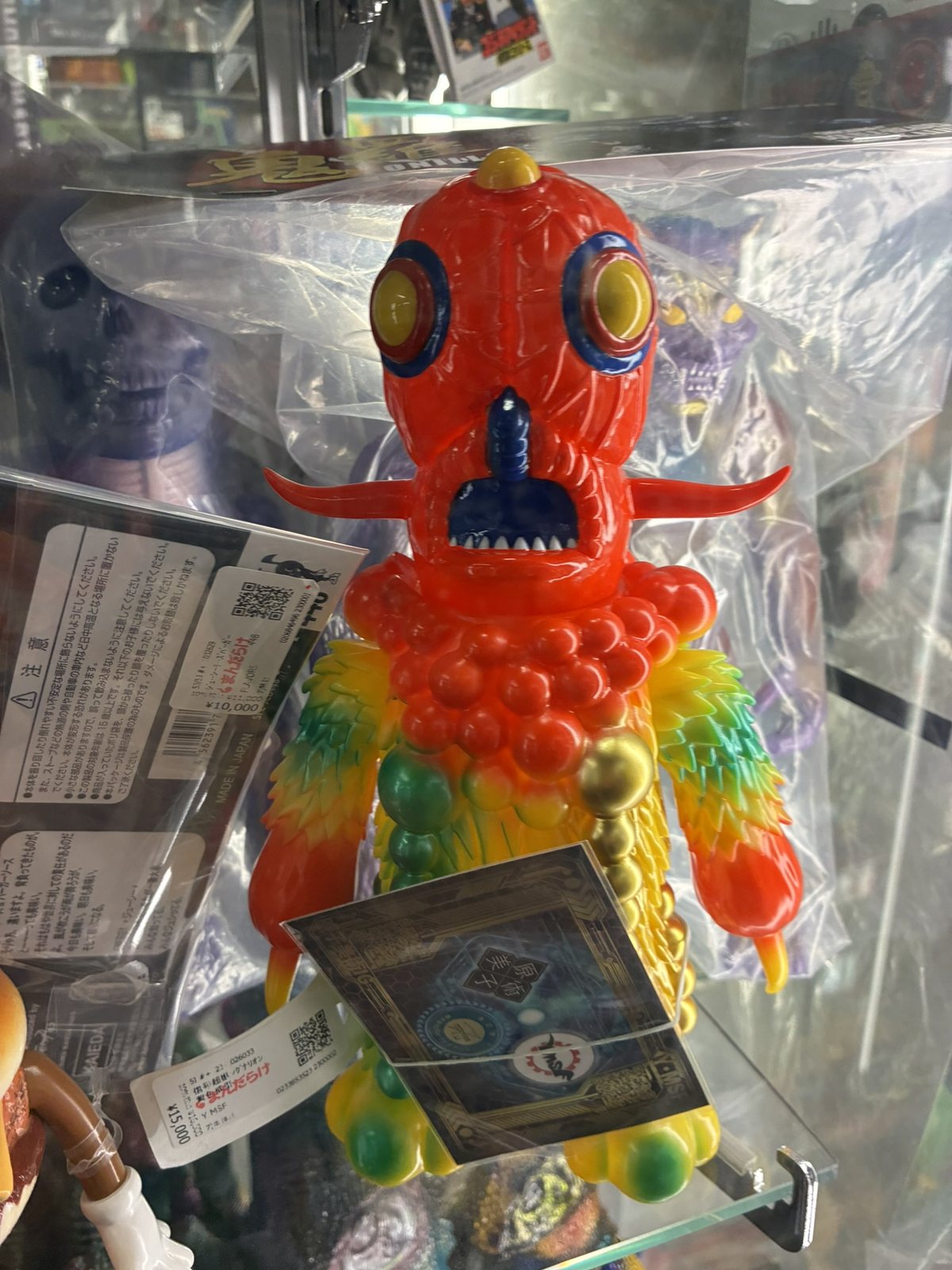
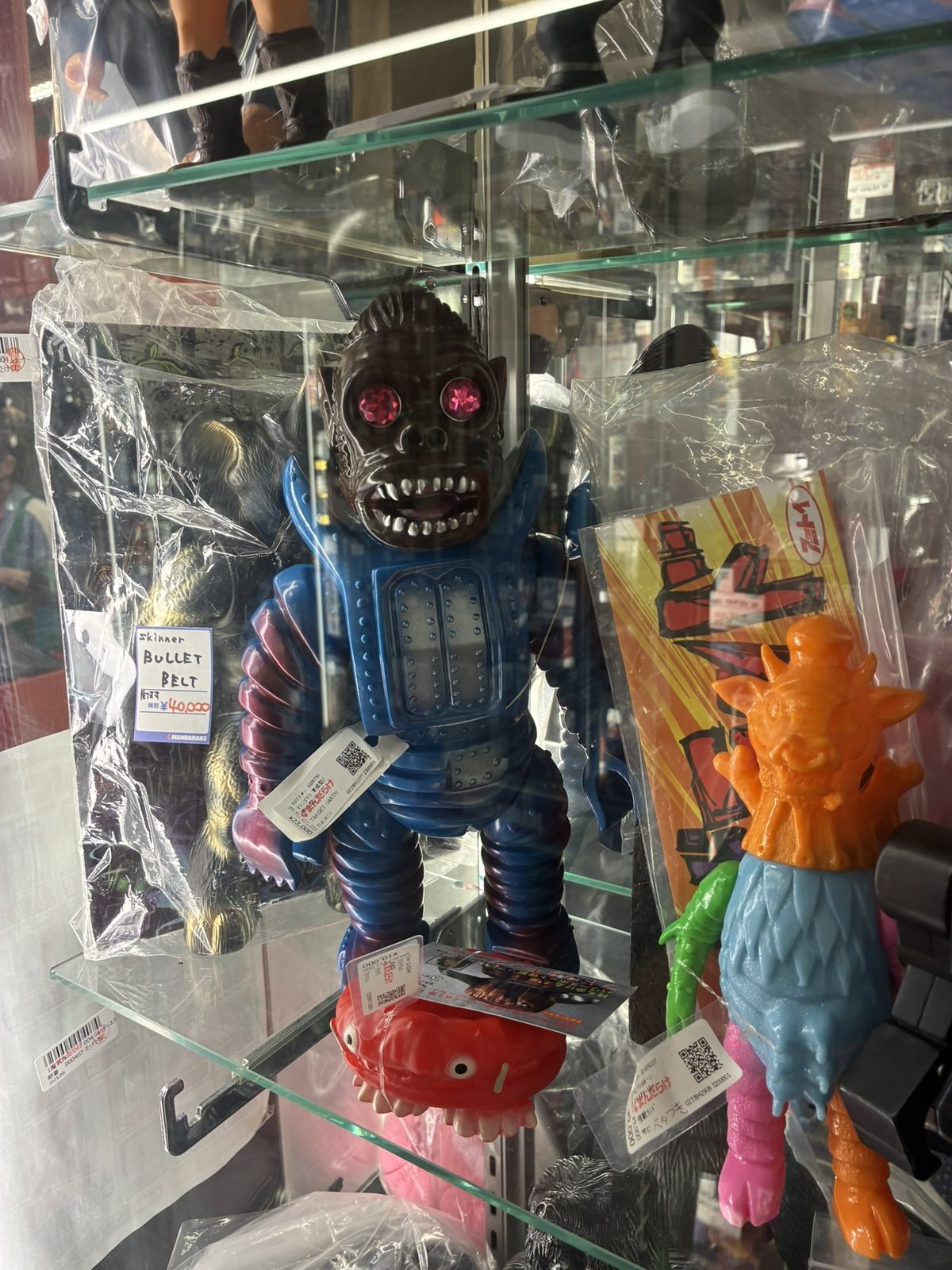
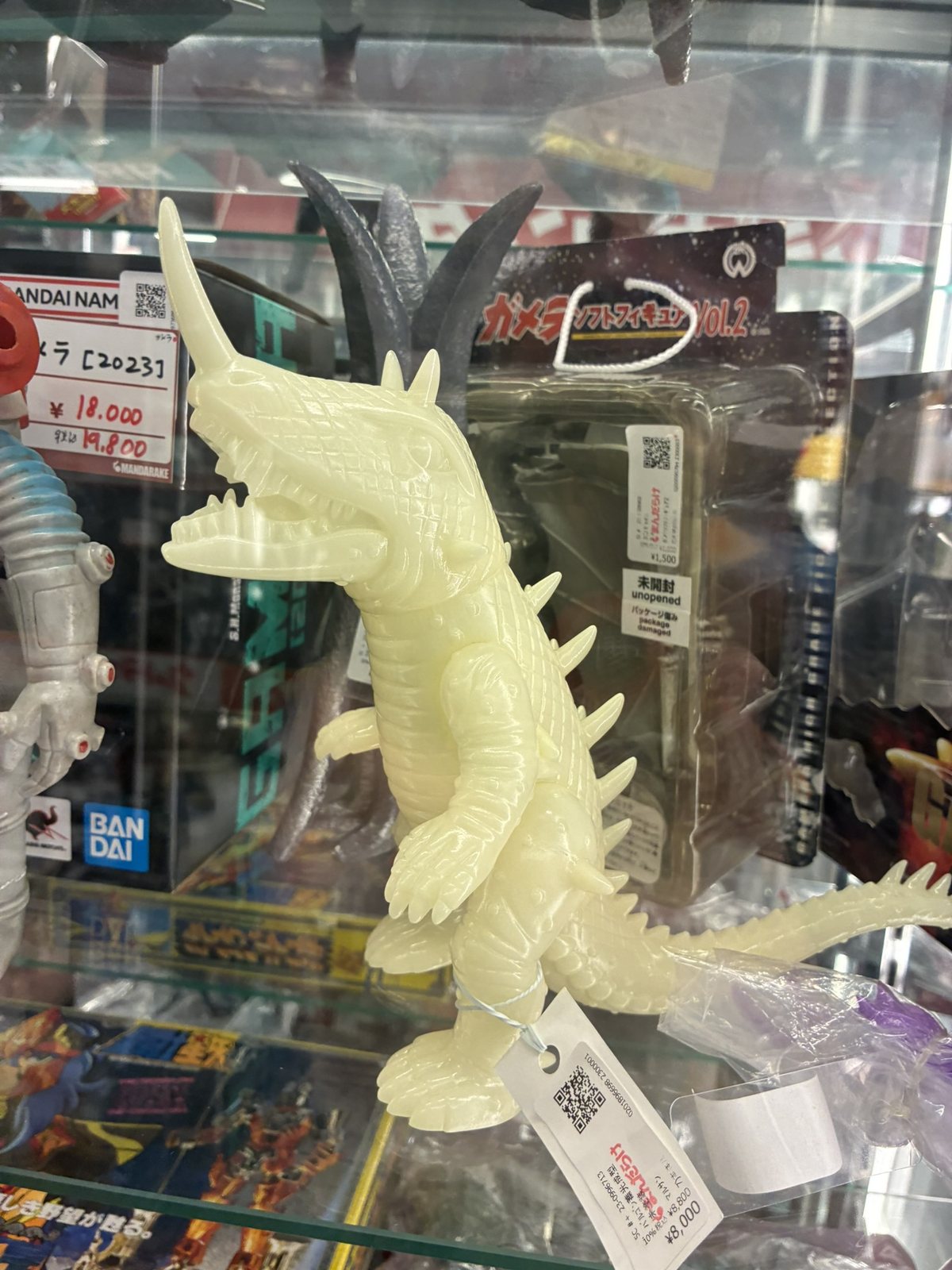
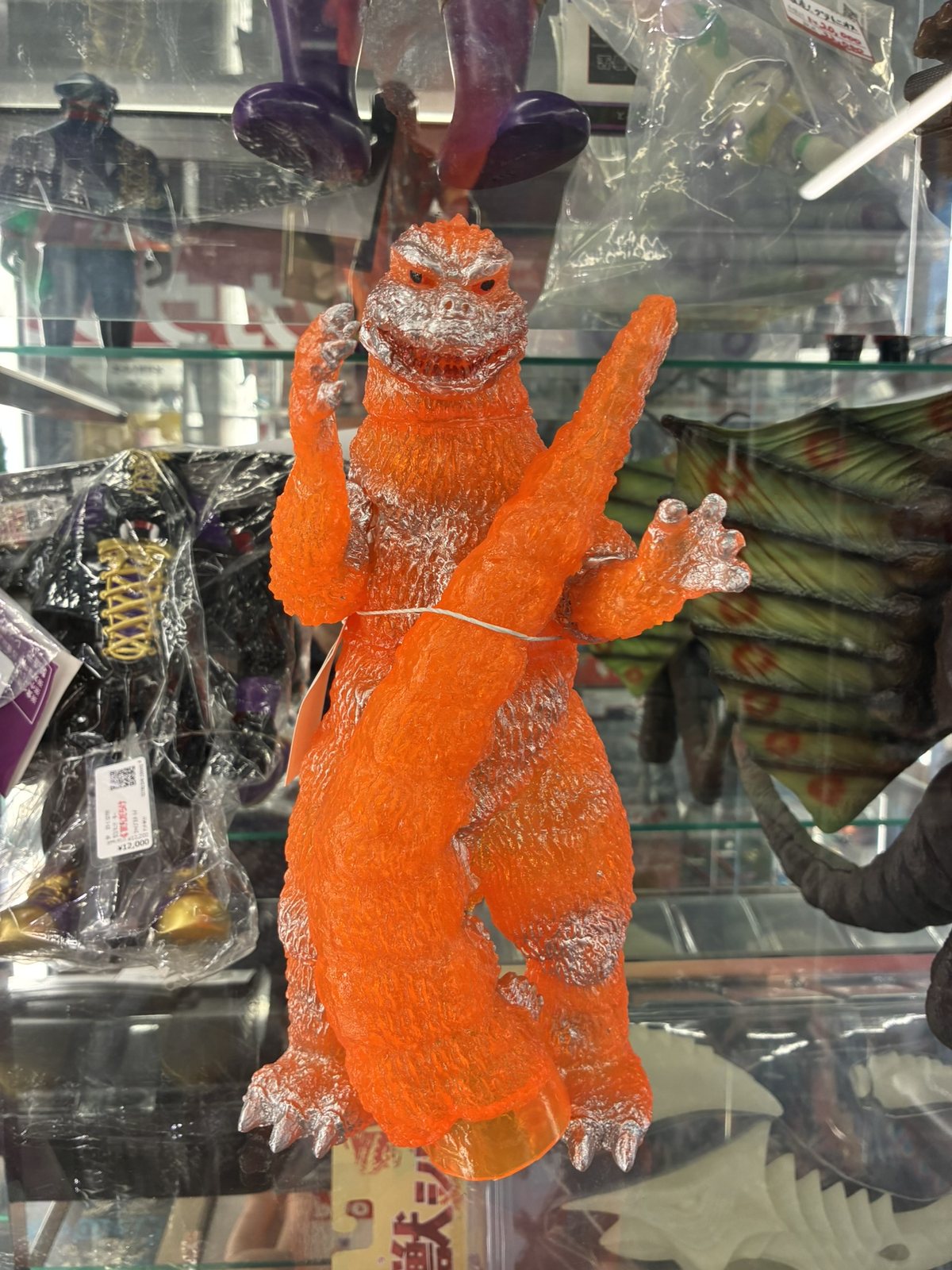
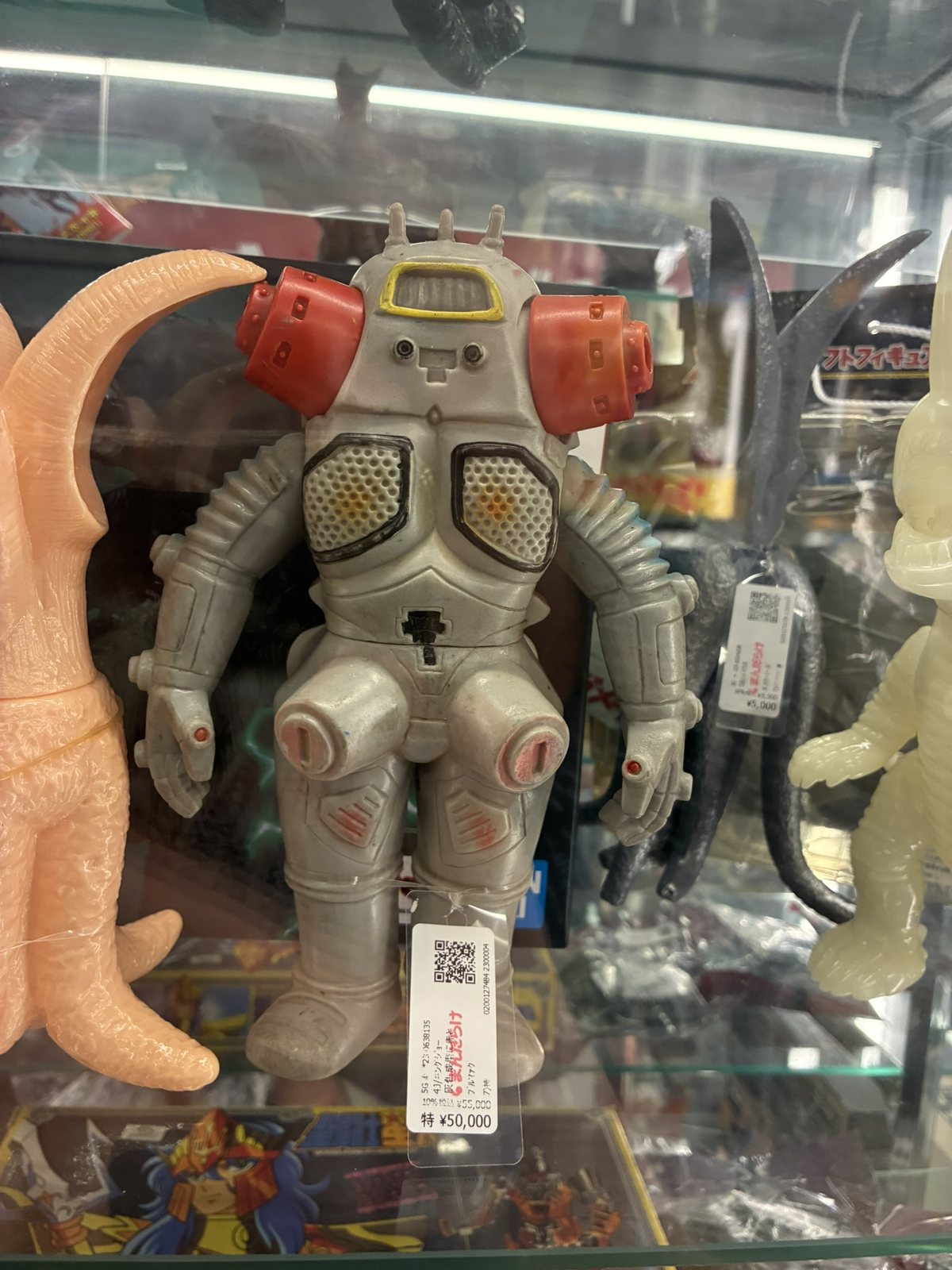
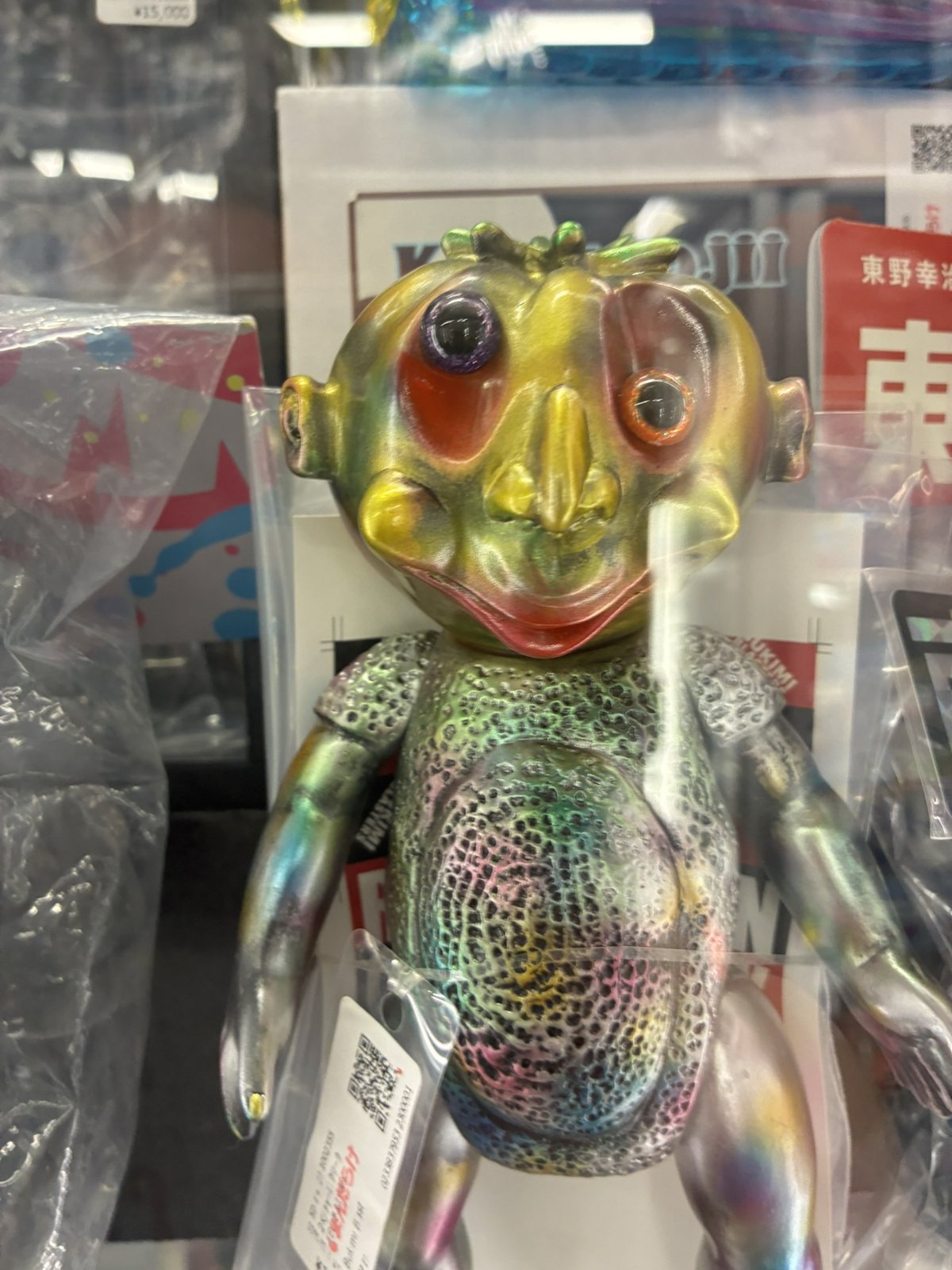
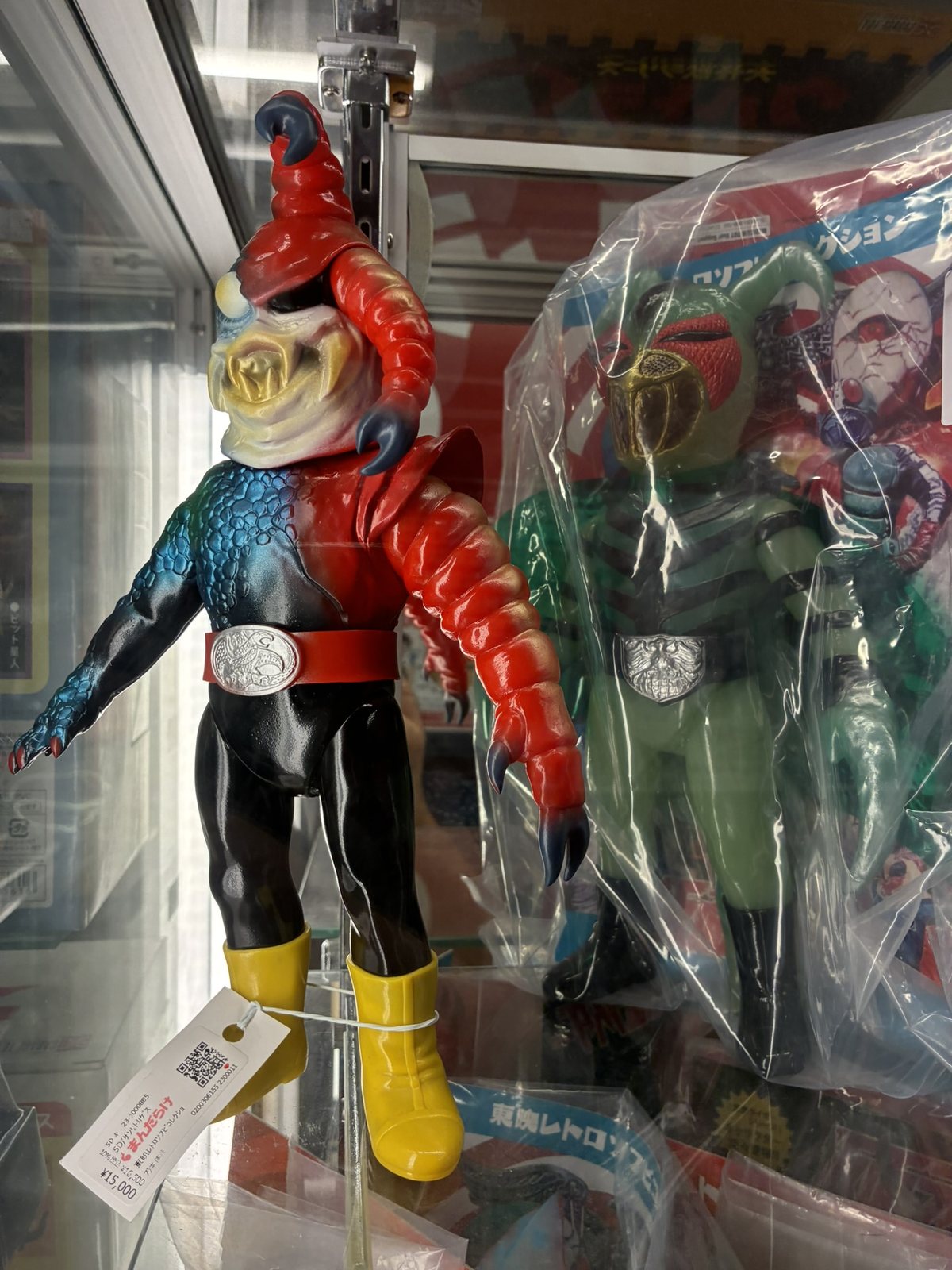
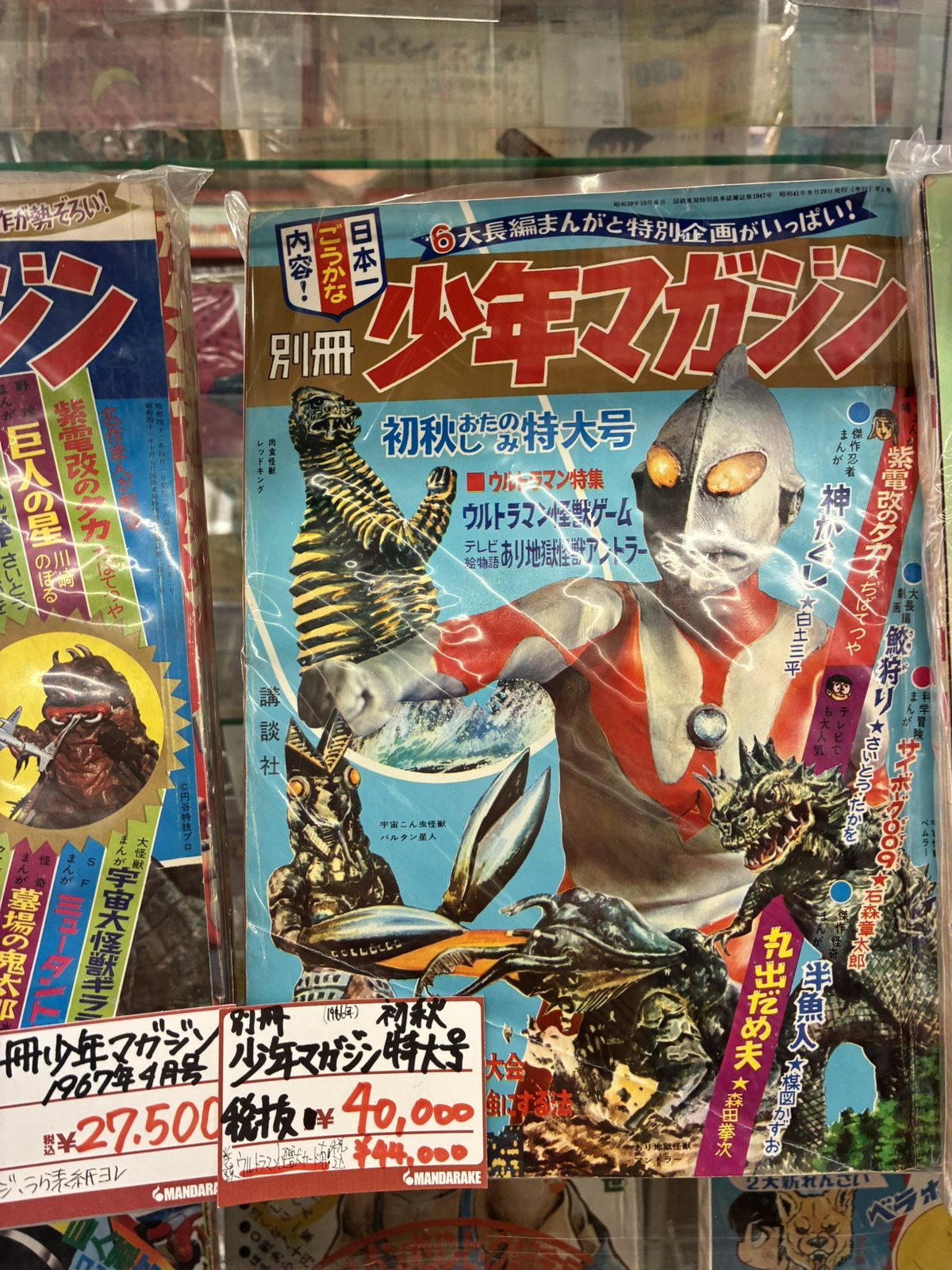
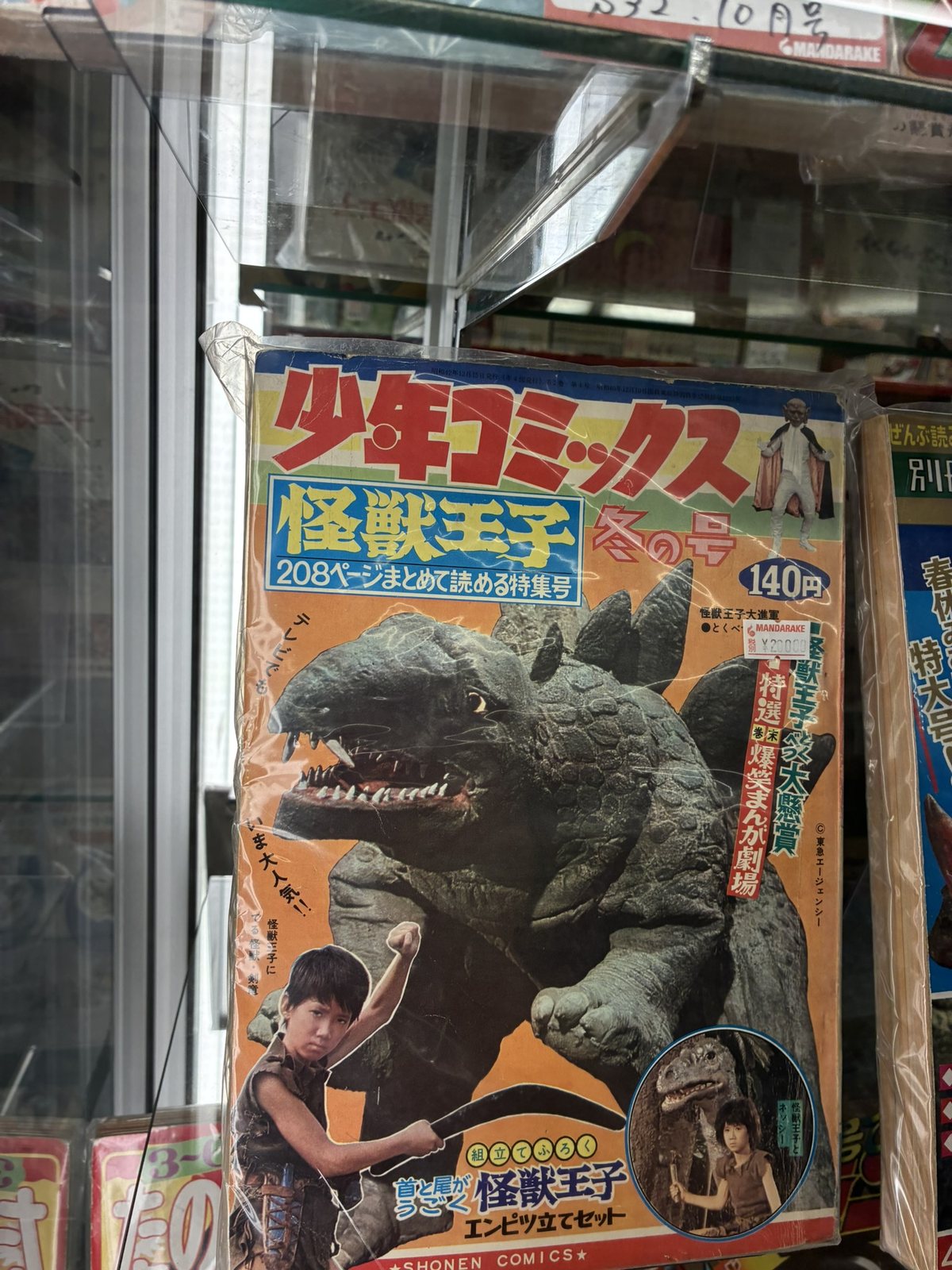
Kaiyodo, Osaka's legendary figure-maker, built a museum full of dioramas: Godzilla brawling with Ghidorah, Anguirus and SpaceGodzilla, Mothra's silk, a giant squid hugging a submarine, and Ray Harryhausen's skeleton army. A few blocks away, Den Den Town has shelf after shelf of sofubi — soft-vinyl kaiju in every flavor of the rainbow. Saturday-morning heaven.
Silver ScreenExploration
DiLo and the red dragonKaiyodo Figure MuseumGodzilla vs. King GhidorahKaiyodo Figure MuseumGodzilla vs. SpaceGodzillaKaiyodo Figure MuseumGodzilla vs. AnguirusKaiyodo Figure MuseumA kaiju wrapped in Mothra's silkKaiyodo Figure MuseumKing Ghidorah and RodanKaiyodo Figure MuseumA giant squid hugging a submarineKaiyodo Figure MuseumThe red dragonKaiyodo Figure MuseumGolden dragon horsesKaiyodo Figure MuseumGuardian deities and a dragonKaiyodo Figure MuseumA warrior and a serpent, in flamesKaiyodo Figure MuseumA deity in blue fireKaiyodo Figure Museum
Show all 33 photos
Giant insects and crustaceansKaiyodo Figure MuseumSea creaturesKaiyodo Figure MuseumAn Evangelion dioramaKaiyodo Figure MuseumGrand opening!Kaiyodo Figure MuseumShelves of kaijuDen Den TownA case full of kaijuDen Den TownRainbow sofubi kaijuDen Den TownA blue sofubi kaijuDen Den TownA glow-in-the-dark kaijuDen Den TownAn orange kaijuDen Den TownA robot kaijuDen Den TownRed and blue tentaclesDen Den TownAn iridescent alienDen Den TownA Kamen Rider villainDen Den TownKamen Rider figuresDen Den TownA winged demon model kitDen Den TownWarhammer figuresDen Den TownA vintage kaiju mangaDen Den TownAn Ultraman issue of Shonen MagazineDen Den TownKaiju Prince comicsDen Den TownA kid's drawing: kaiju versus robotRoppongi, Tokyo
Naples National Archaeological Museum and Pompeii · February 2025
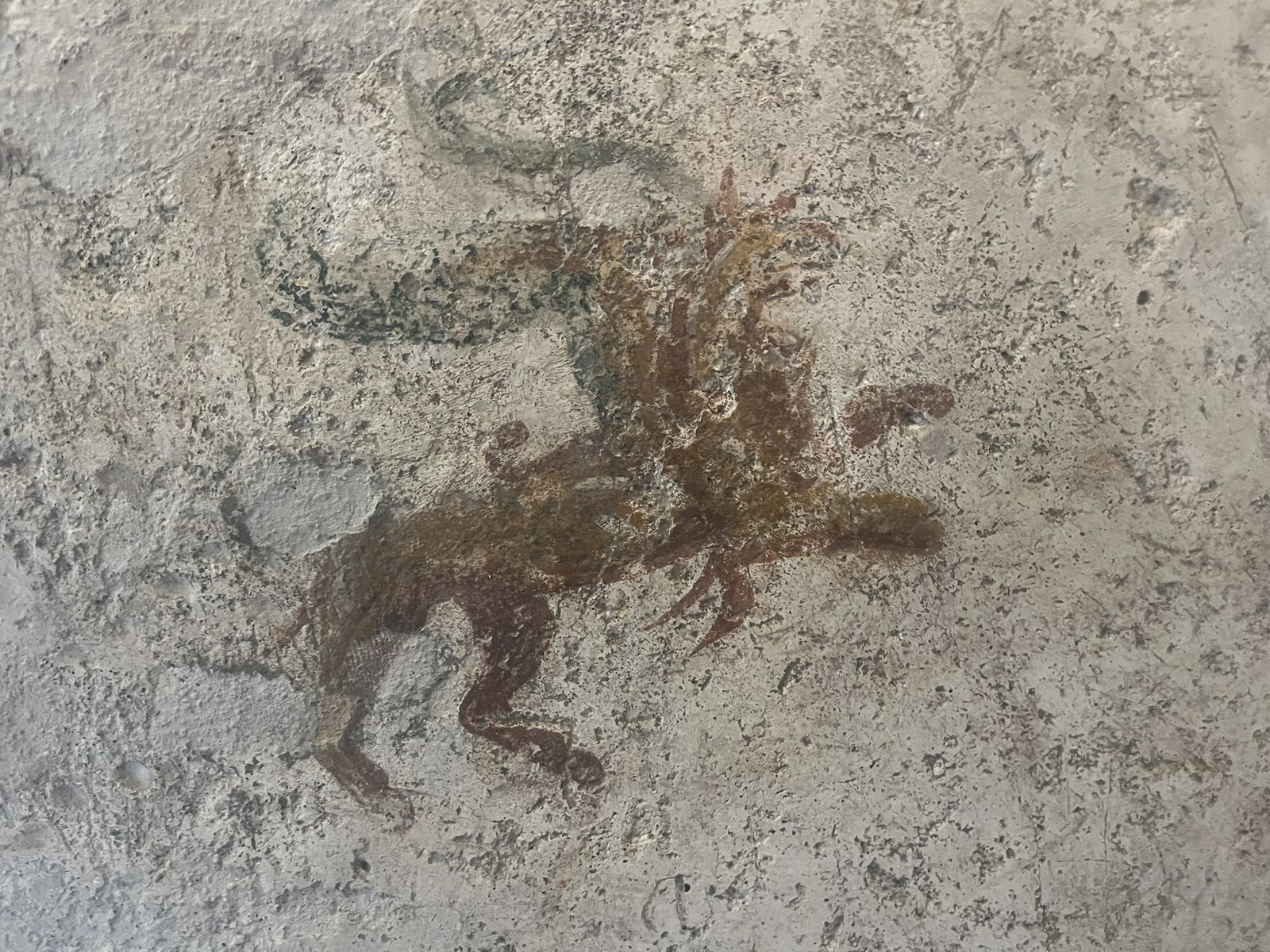
Naples holds the treasures dug out of Pompeii and Herculaneum, including a Nile scene where a crocodile is about to ruin somebody's afternoon. And in Pompeii itself, beasts are still painted on the walls, almost 2,000 years after Vesuvius.
A Nile scene, crocodile includedNational Archaeological Museum, NaplesA beast on a Pompeii wallPompeii
Society of Illustrators, East 63rd Street, New York · May and July 2024
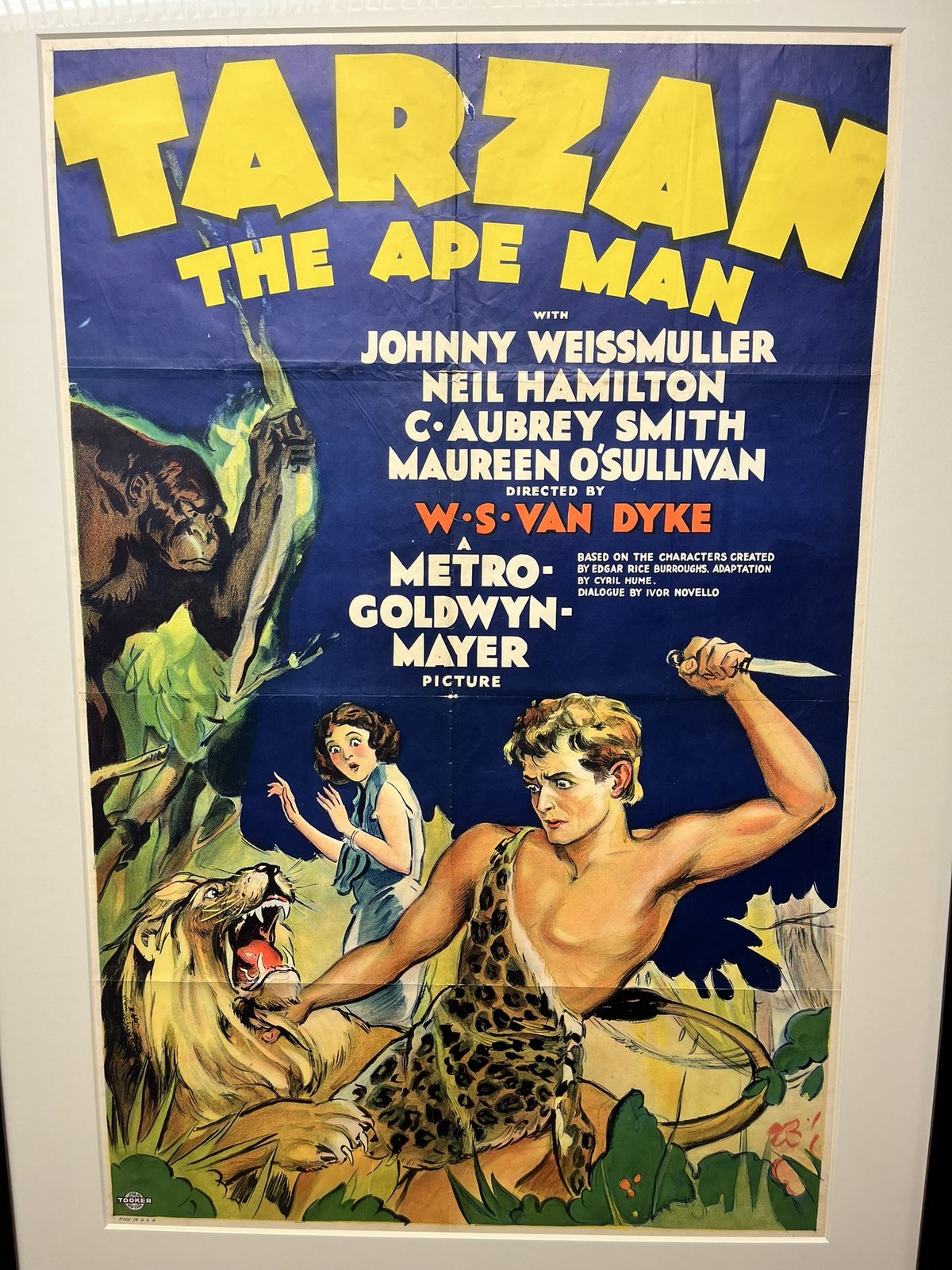
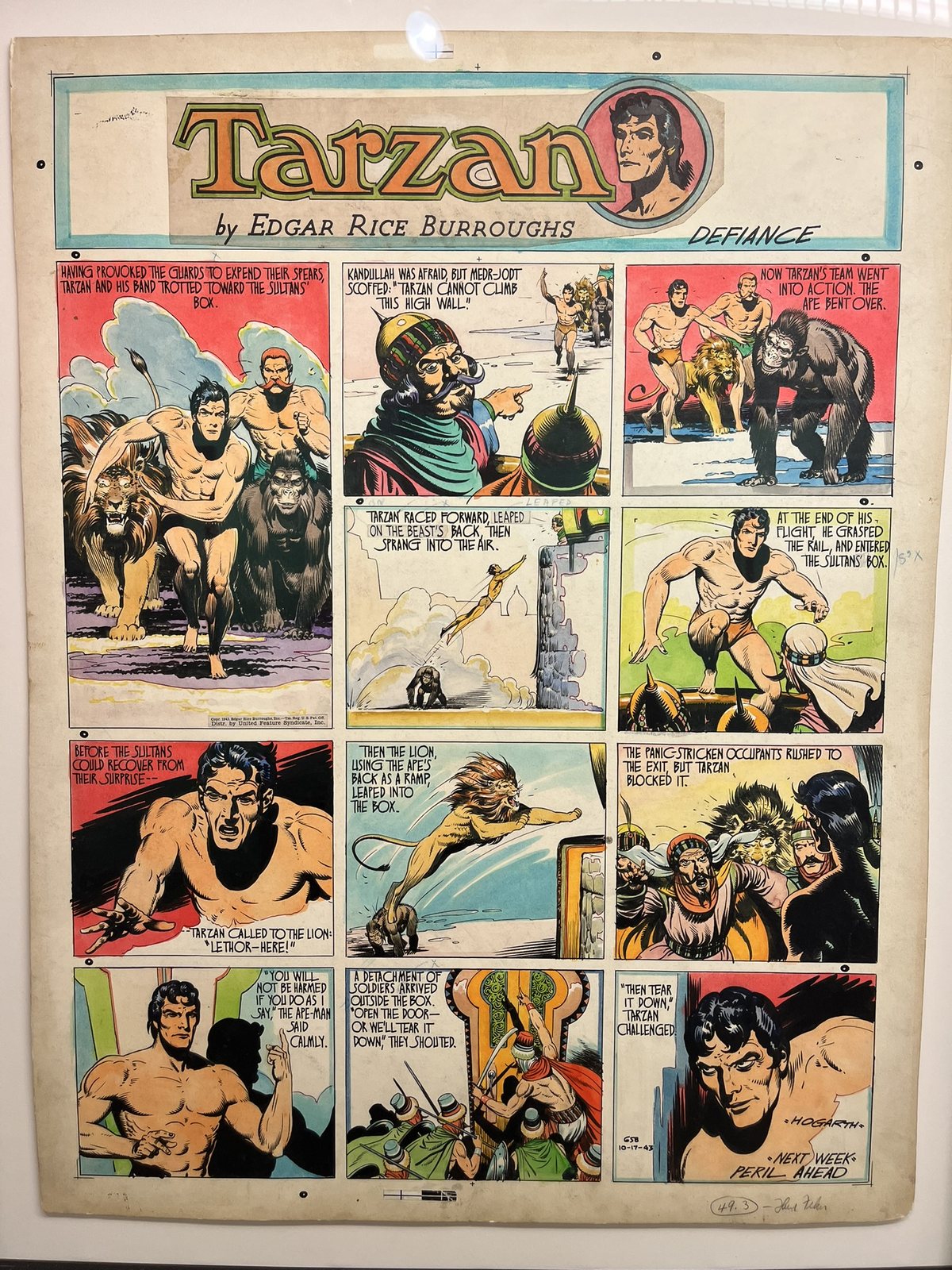
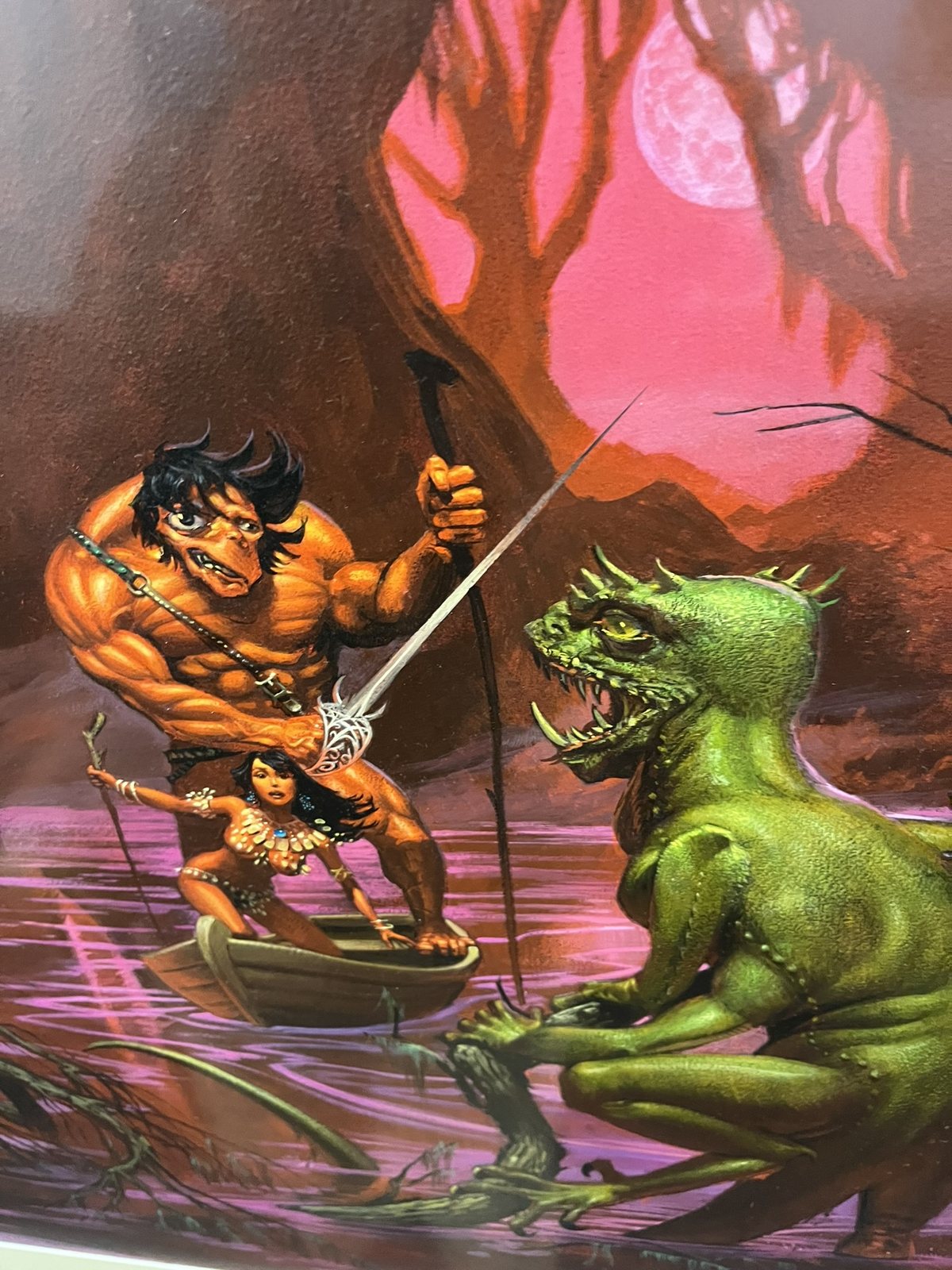
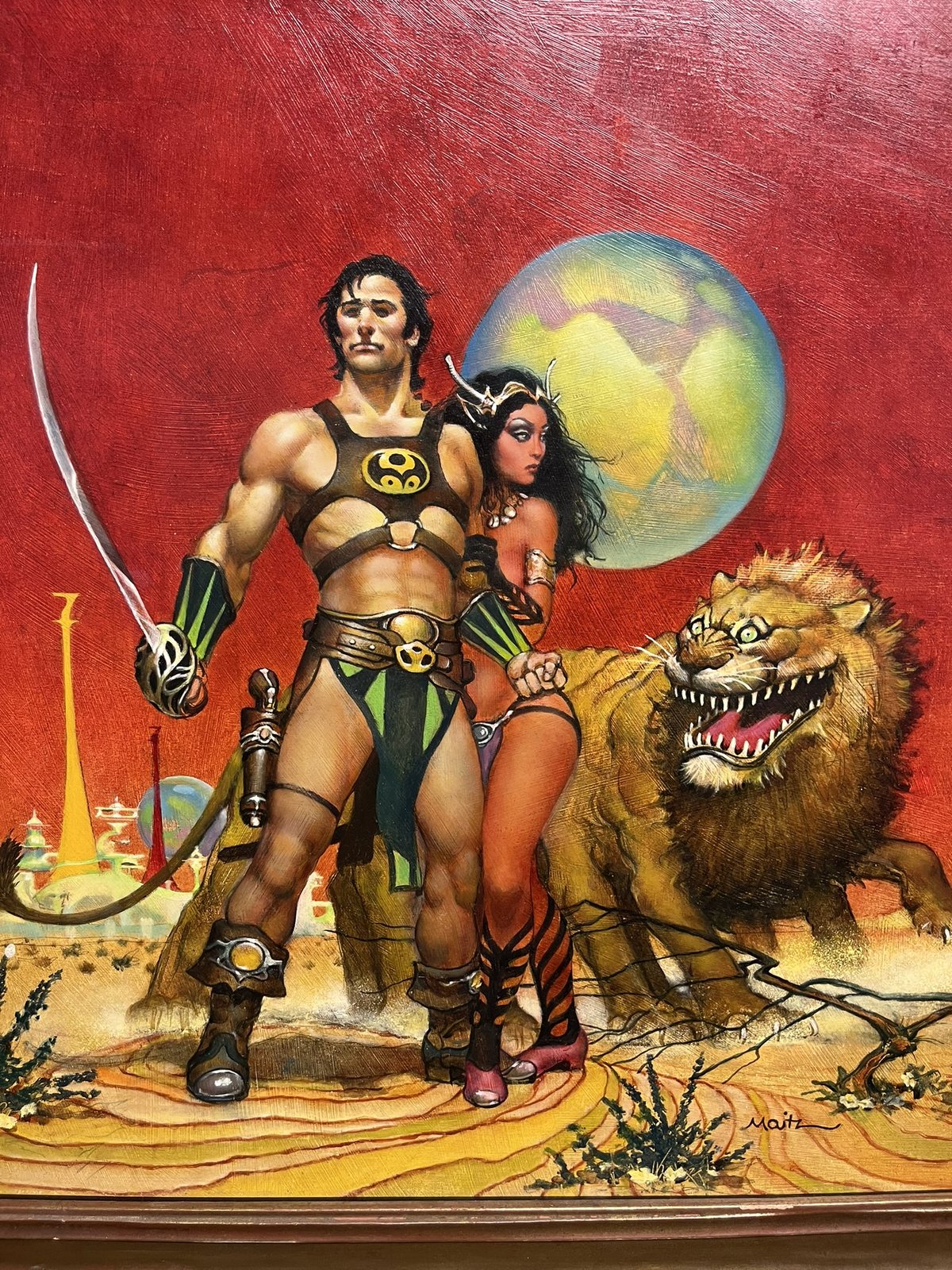
The house of American illustration, with Tarzan swinging through a Sunday comic, the green four-armed Martians of Barsoom, and pulp painters' lion-beasts and lizard men — the paperback-rack monsters of a thousand candy-store spinner racks.
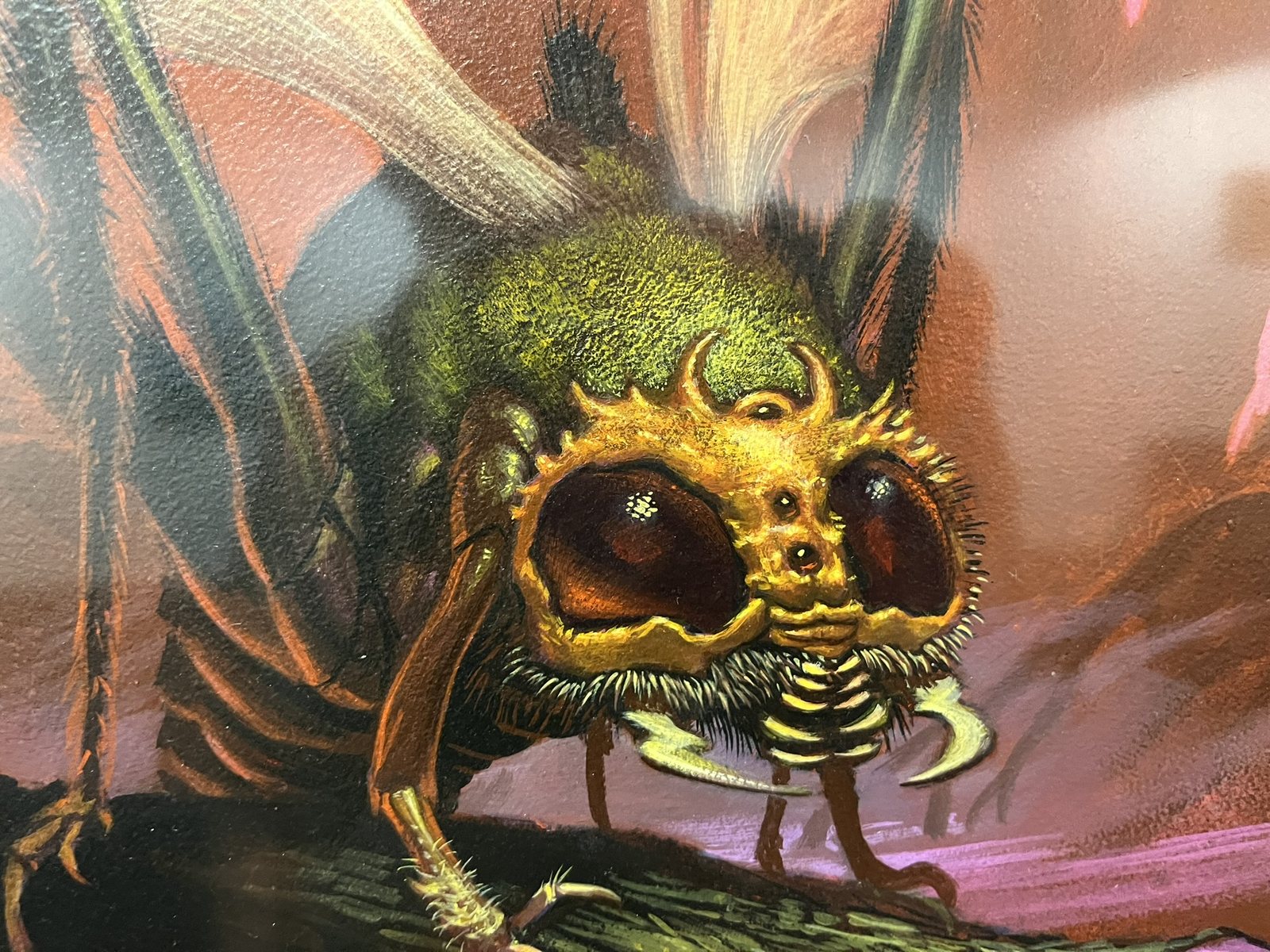
A Princess of Mars, painted by Gino D'AchilleTarzan the Ape ManA Tarzan Sunday pageA woman and a lion-beastBarbarian versus lizard manTwo warriors and a lion-beastA giant insect eye
The Print Fair at the Park Avenue Armory, New York · February 2024
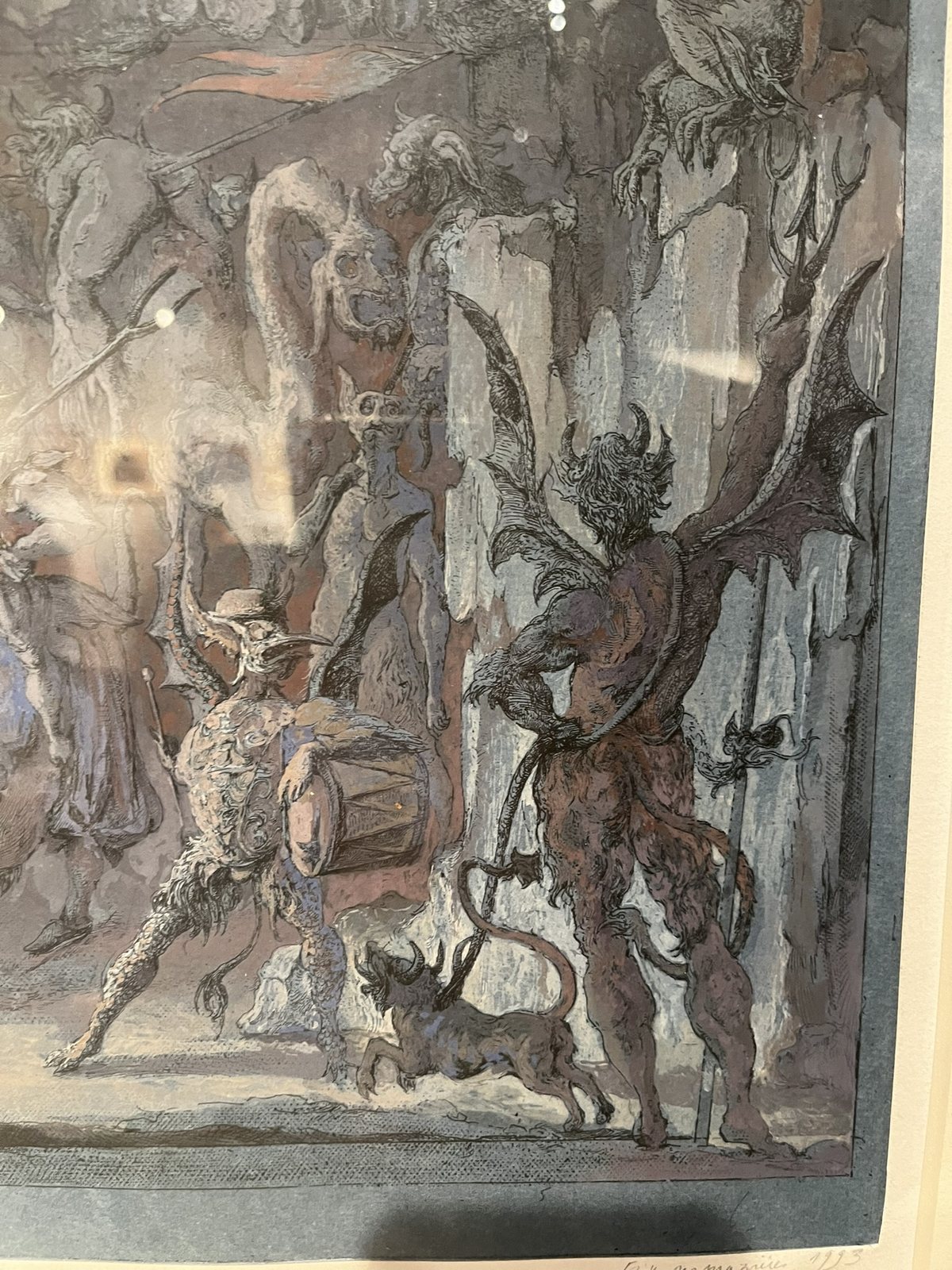
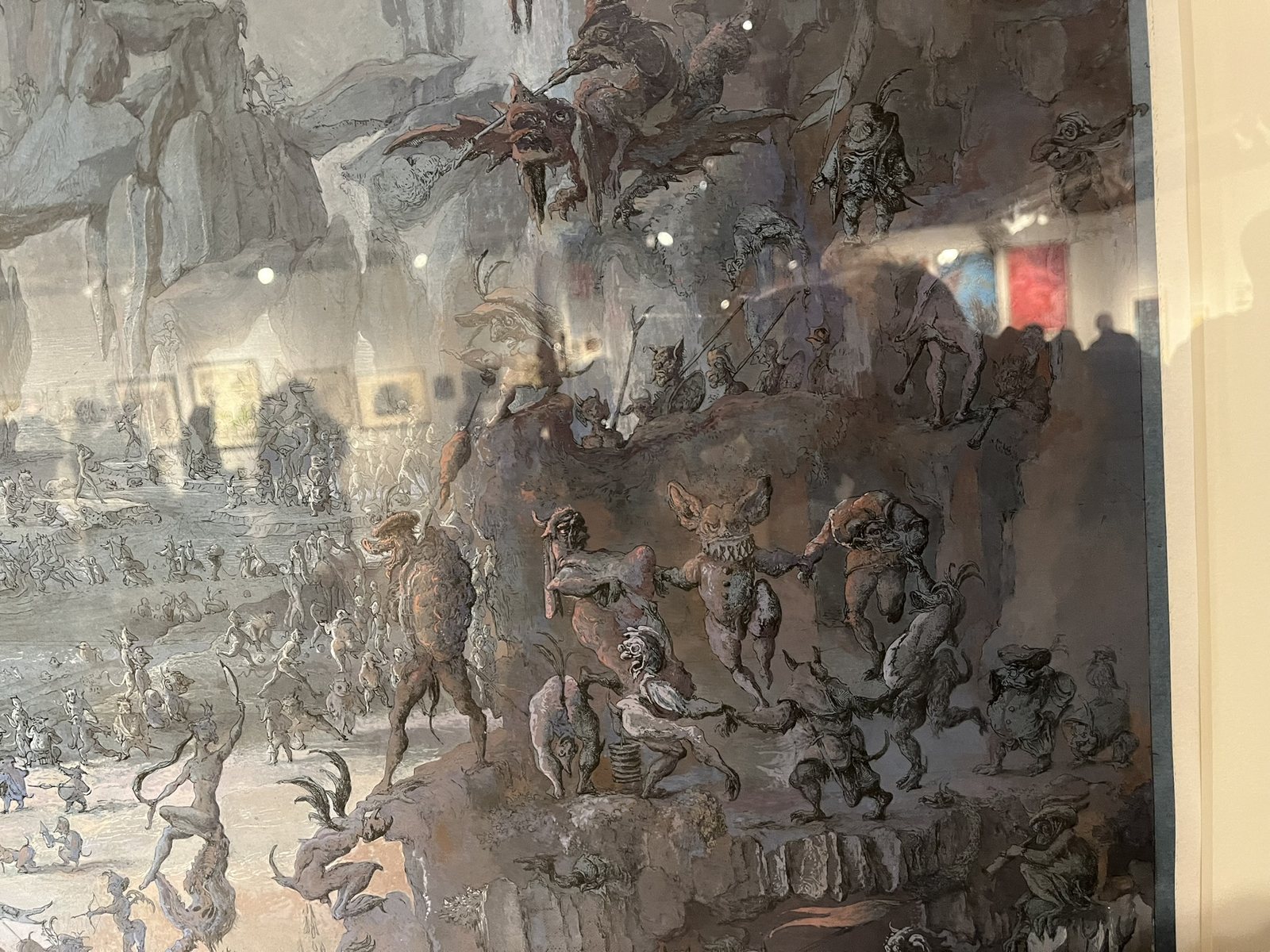
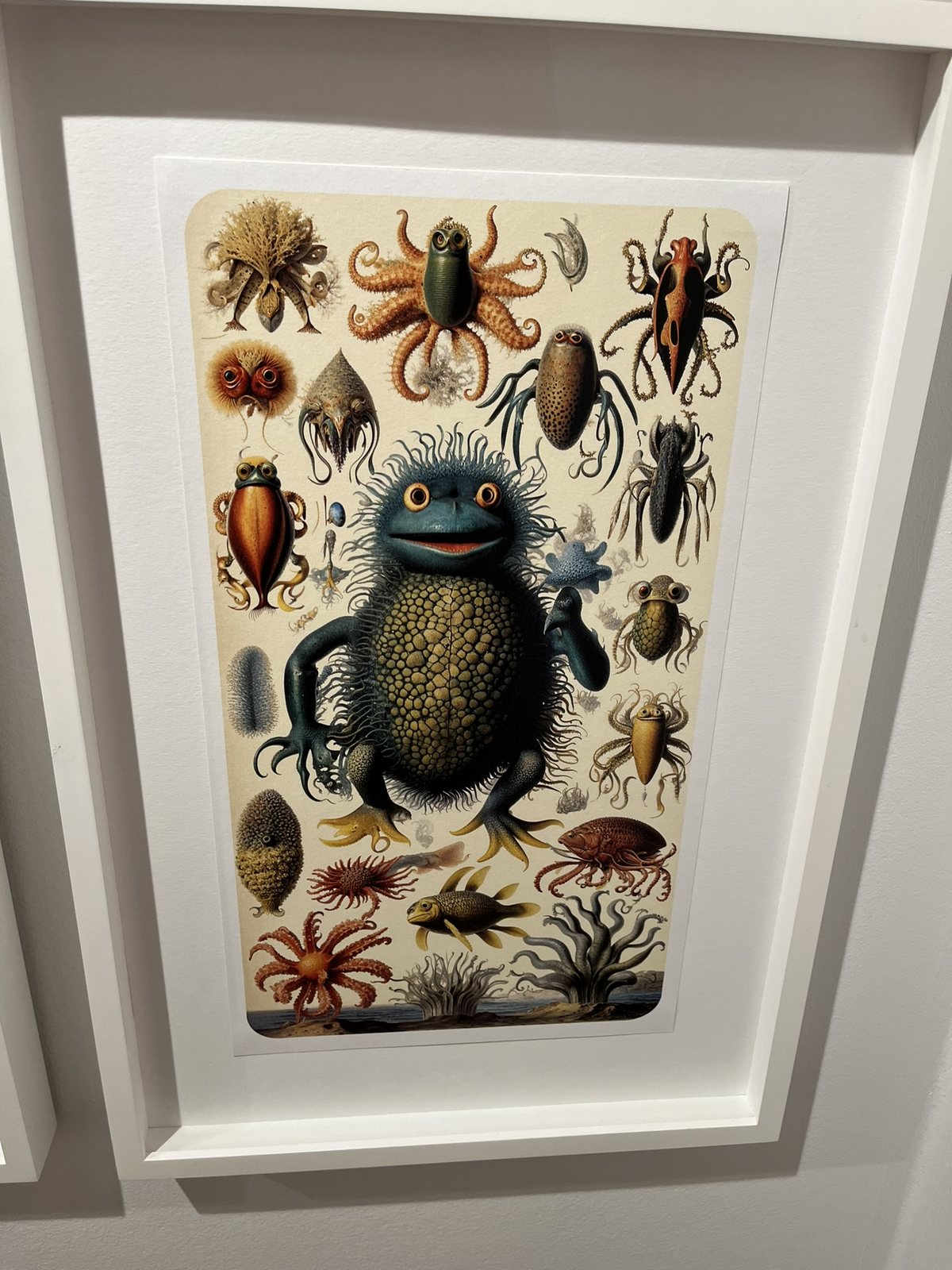
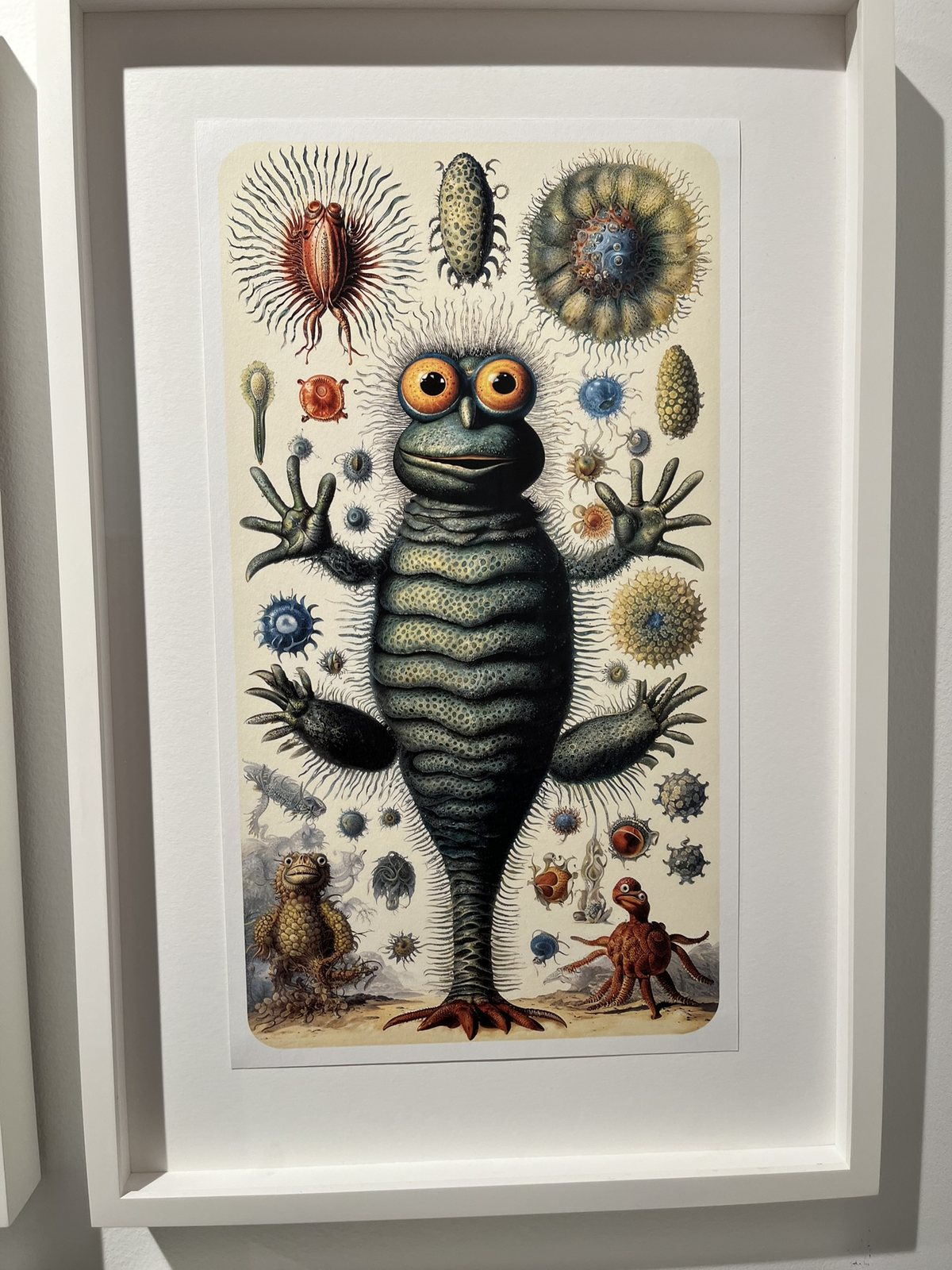
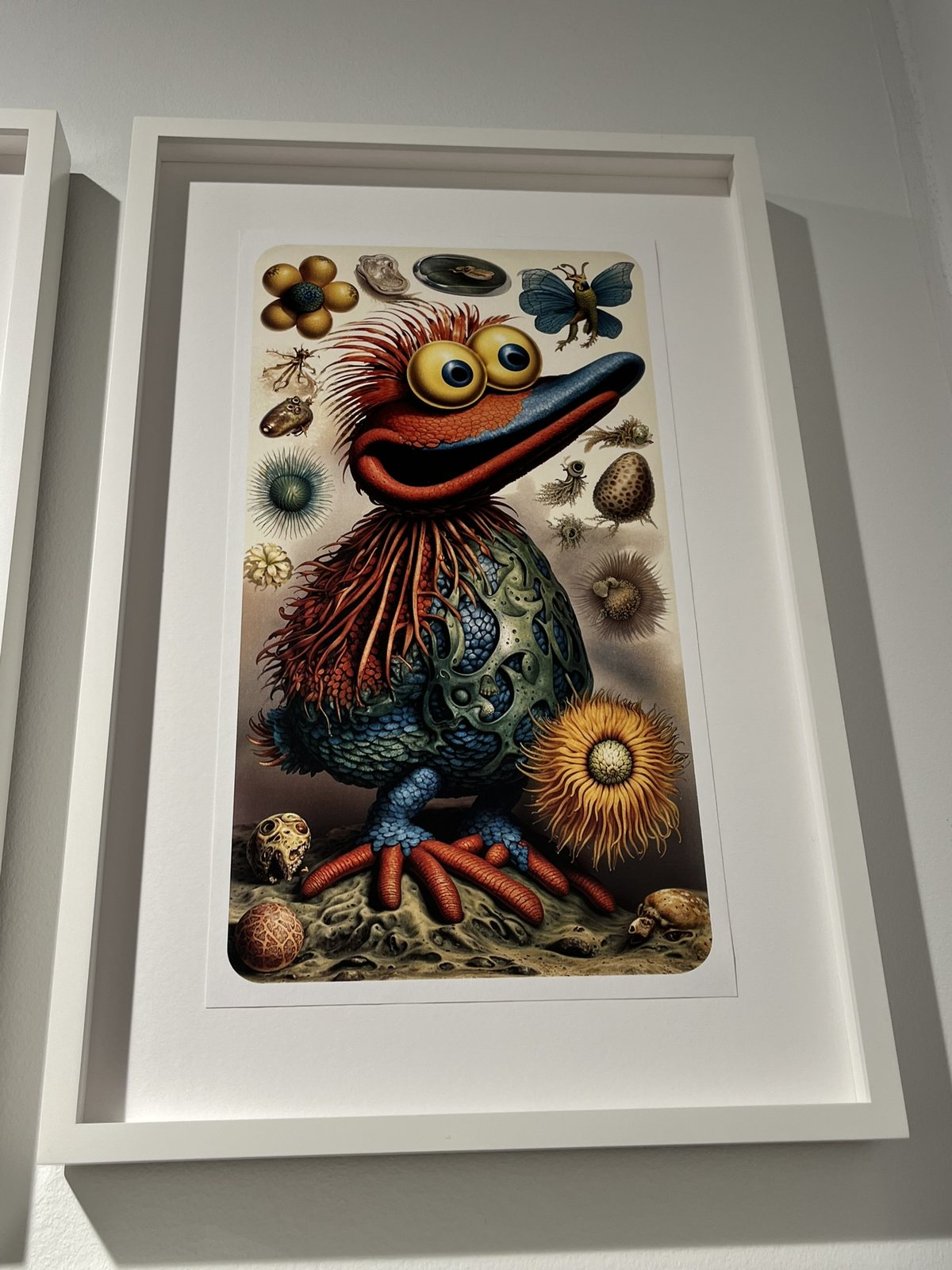
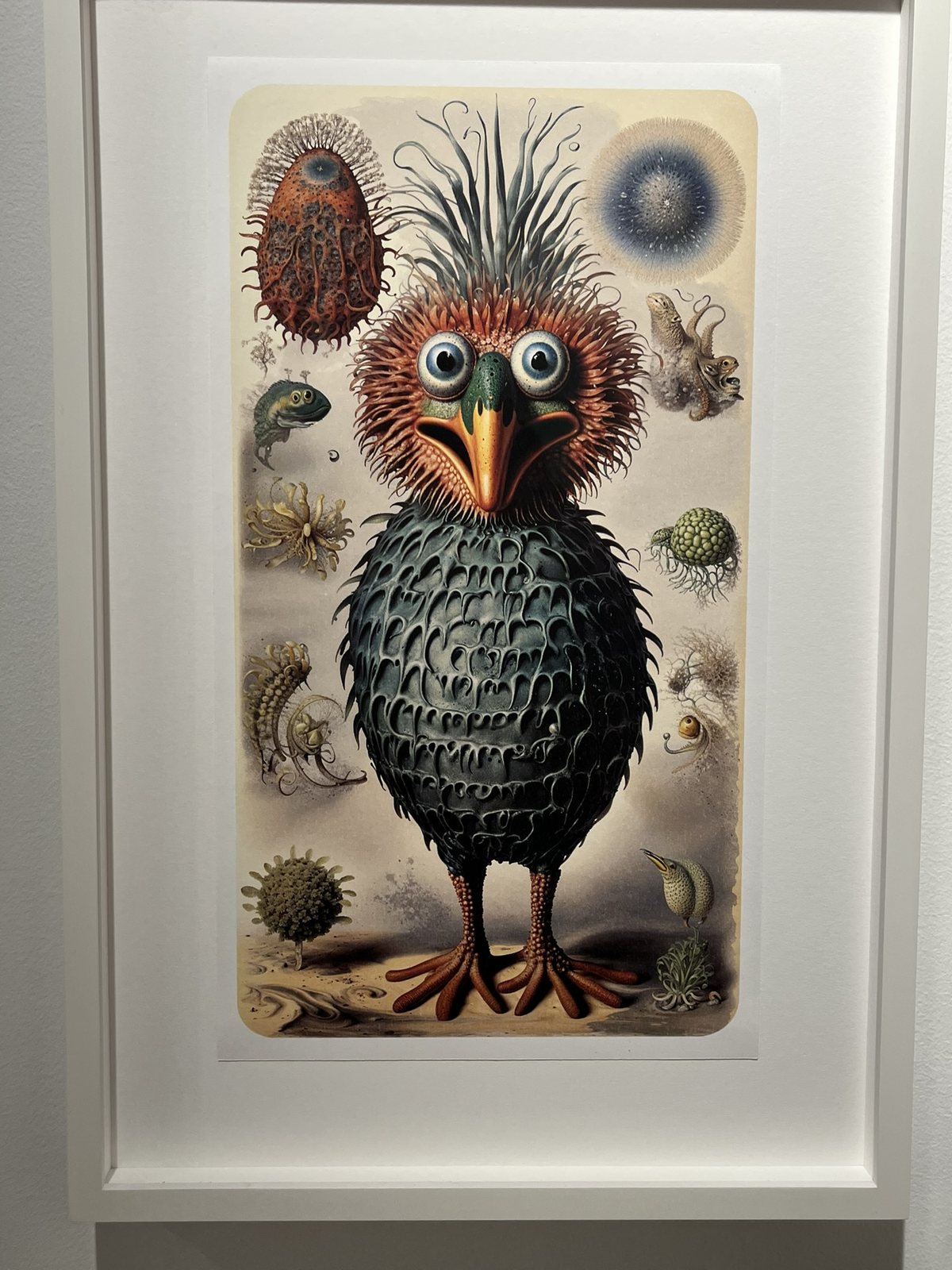
Érik Desmazières's etching of the Temptation of Saint Anthony buries the poor saint under a swarm of demons — you could spend an hour counting them. Nearby, a set of creature "specimen" prints that look like a naturalist's notebook from another planet.
The Temptation of Saint Anthony, by Érik DesmazièresCount the demons (detail)Specimen no. 1: a furry blobSpecimen no. 2: a lizard manSpecimen no. 3: a beaked birdSpecimen no. 4: a spiky bird
Rubin Museum of Art, Chelsea, New York · November 2023
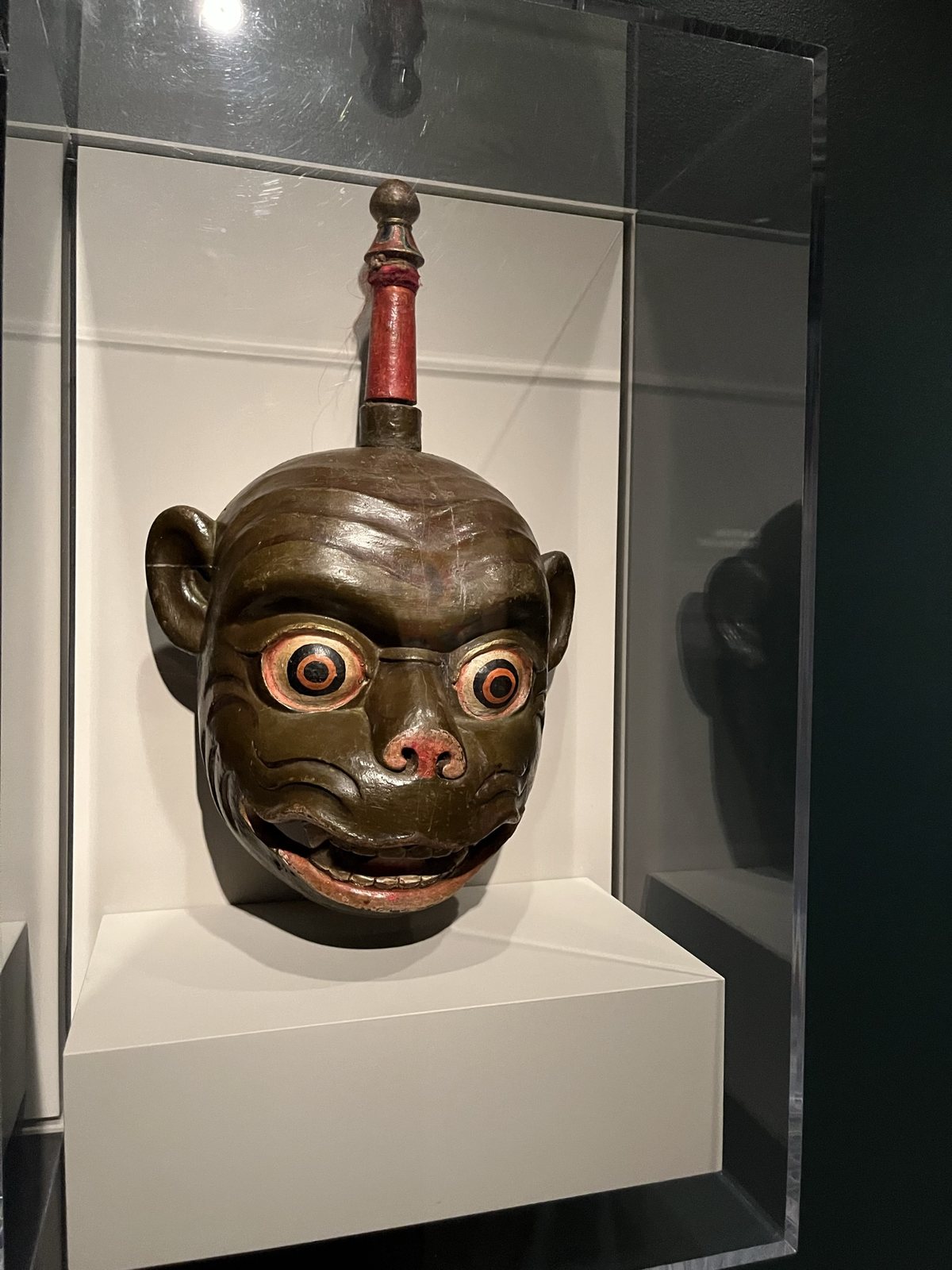
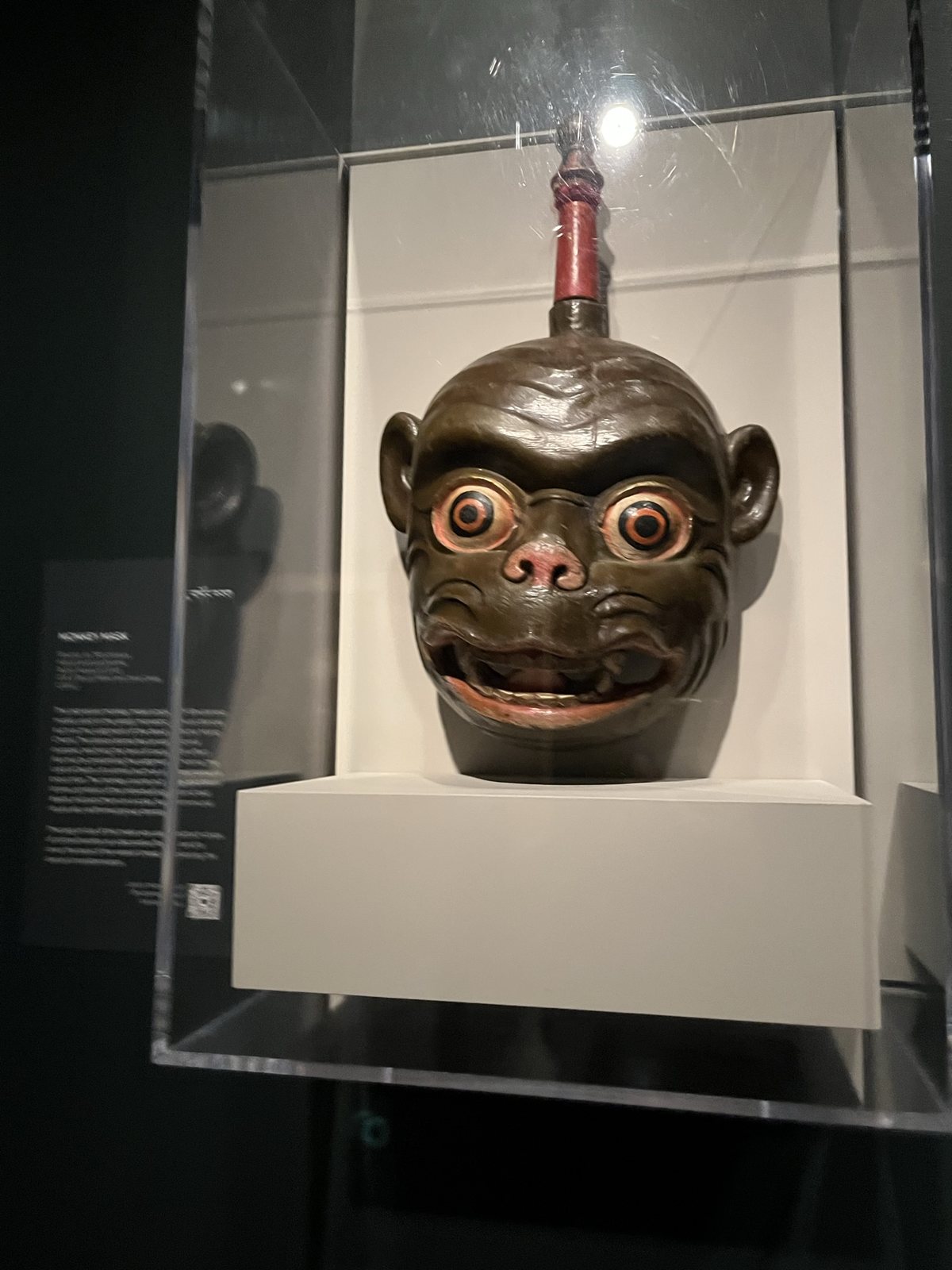
Fierce protectors, a monkey mask and a deity riding a serpent at the Rubin, the museum of Himalayan art on West 17th Street. A little New York history now: the Rubin closed its Chelsea galleries in 2024.
A fierce one, from a Tibetan paintingA monkey maskThe monkey mask in its case
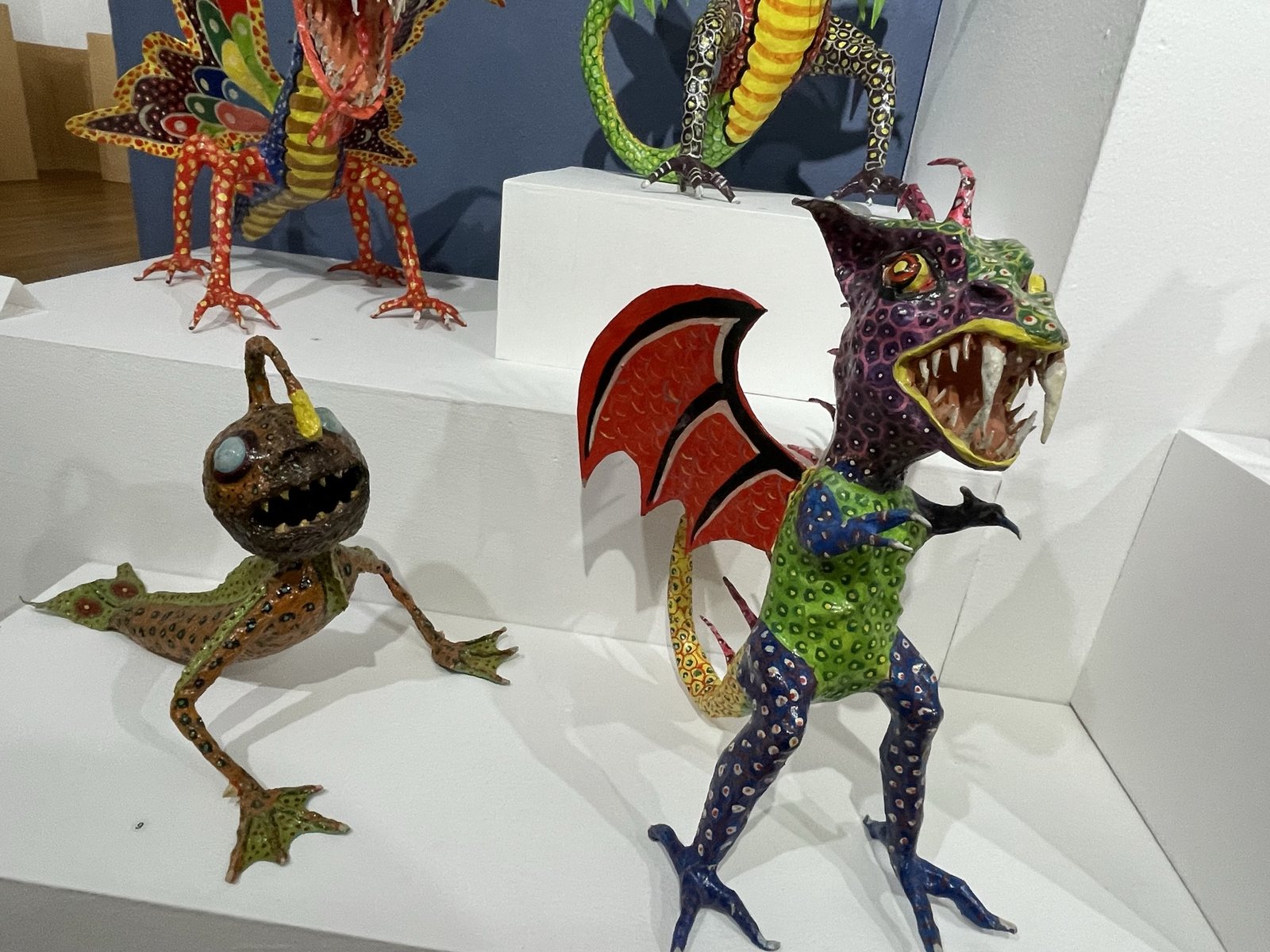
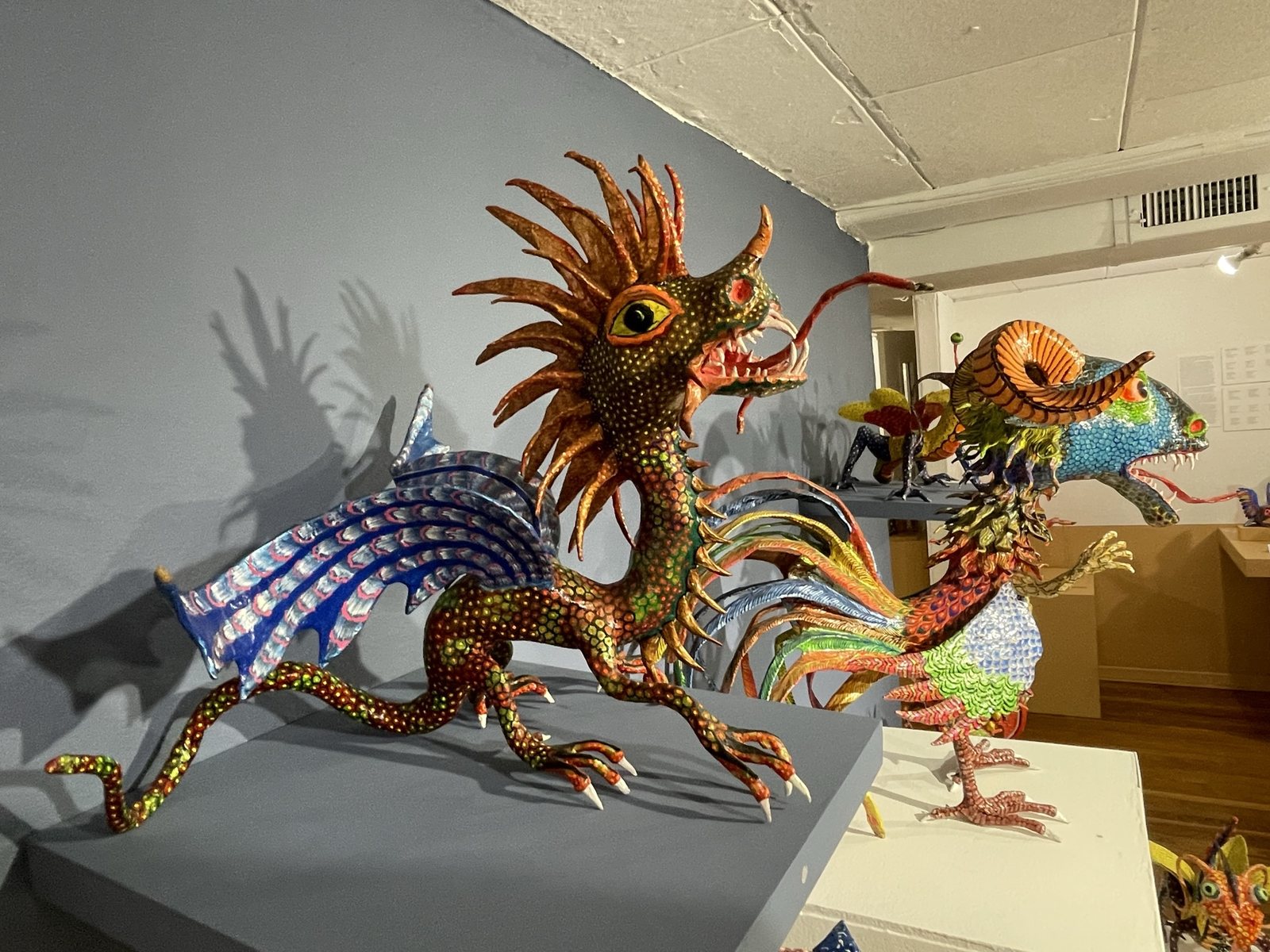
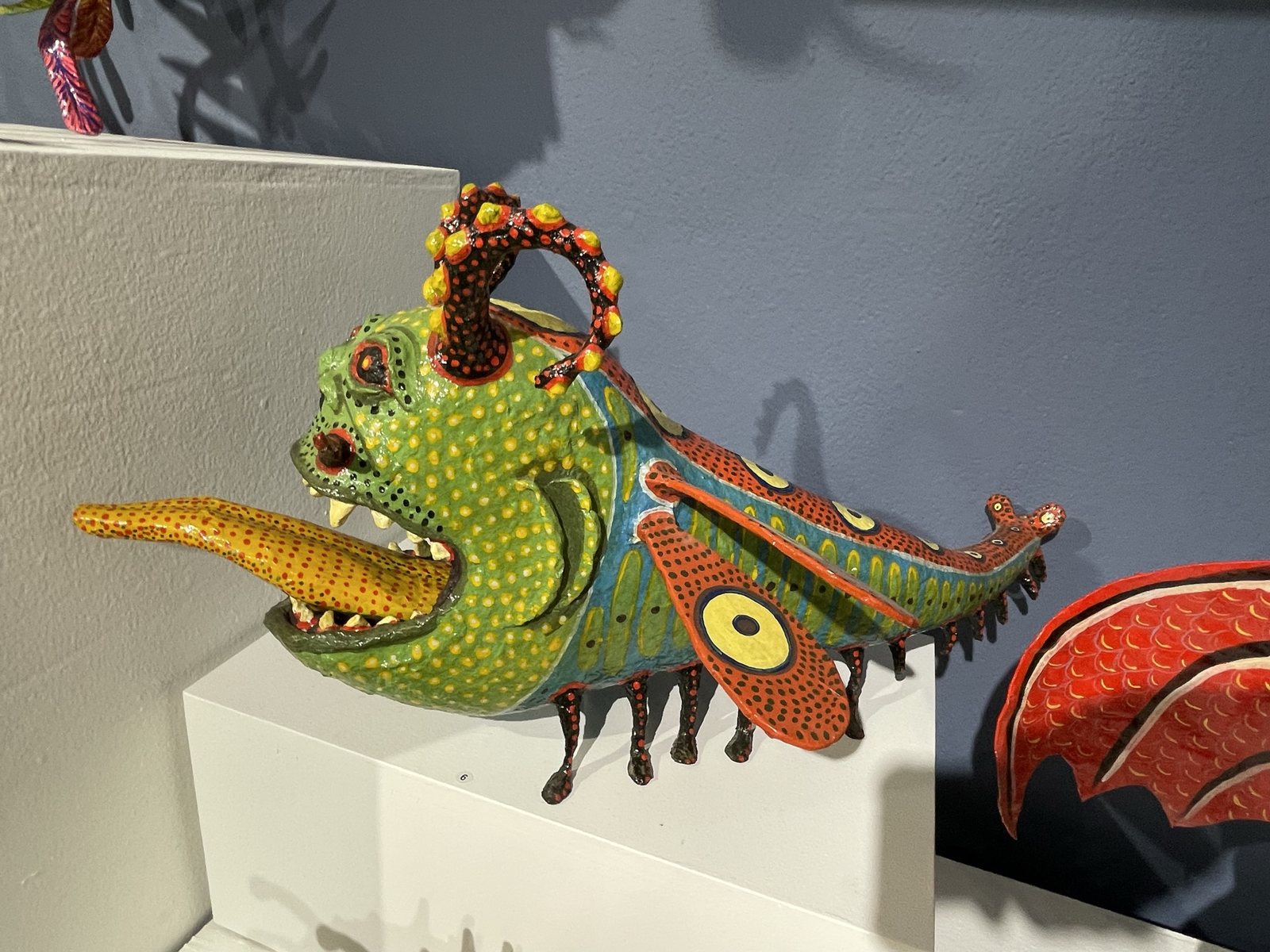
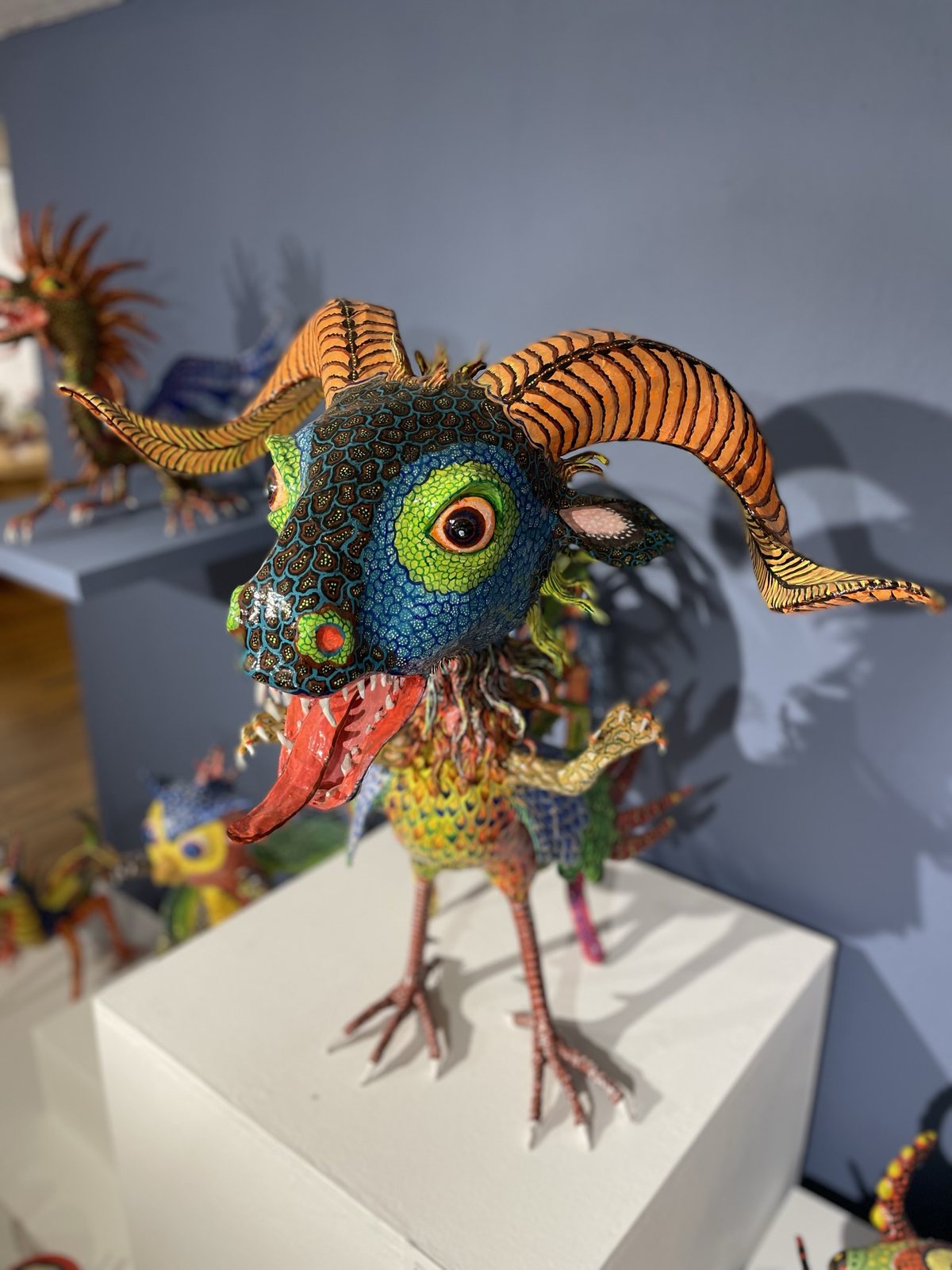
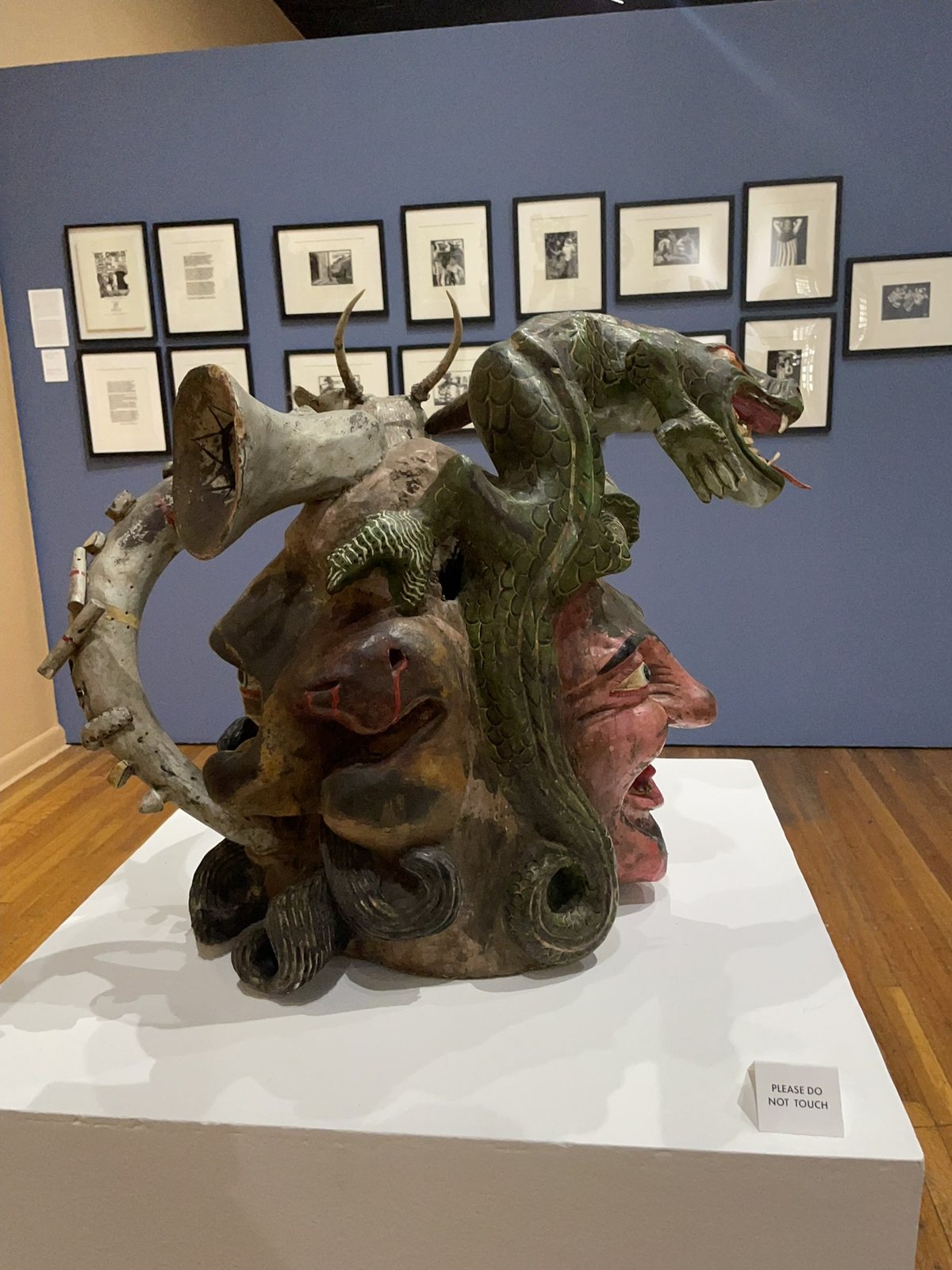
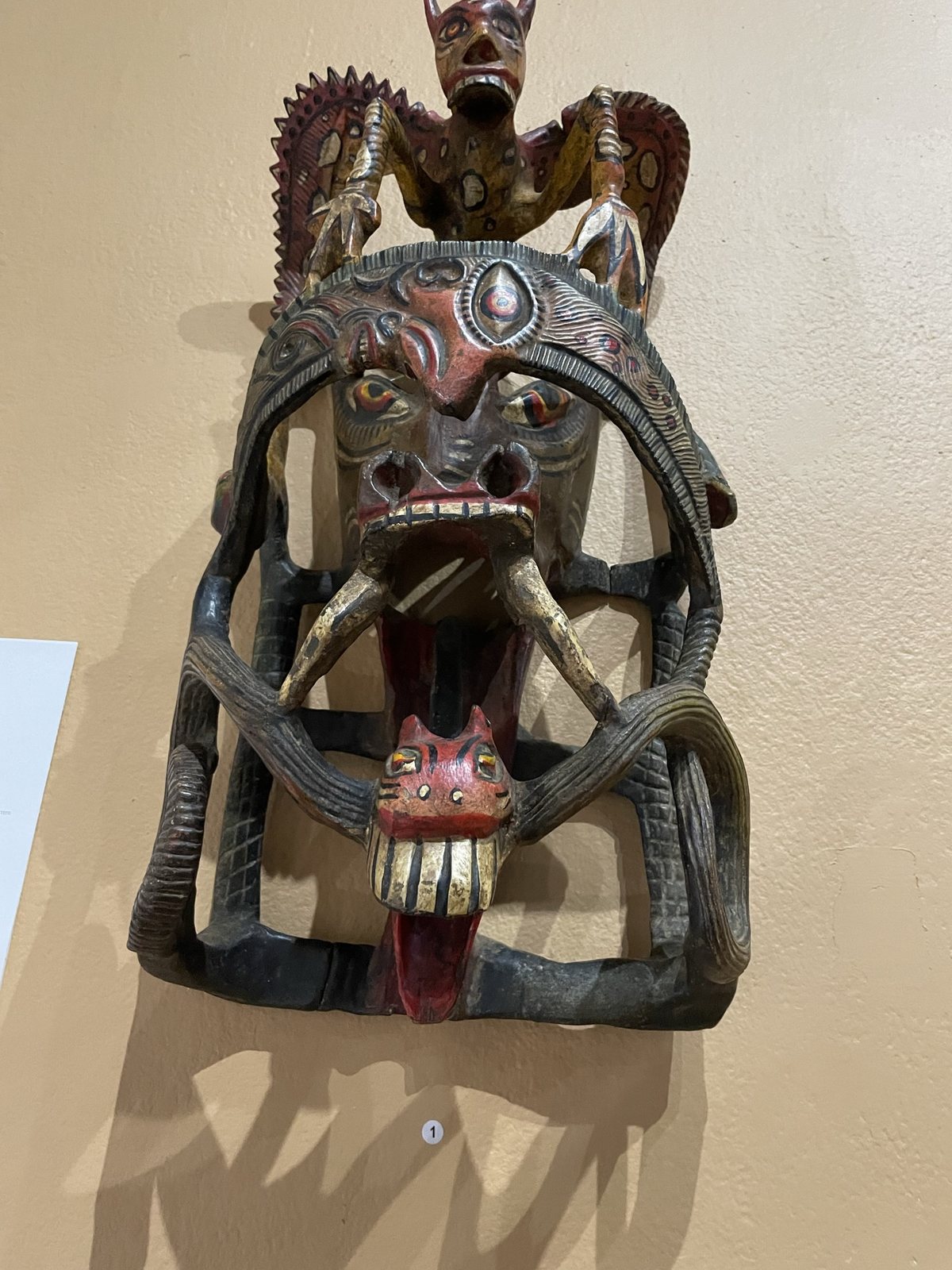
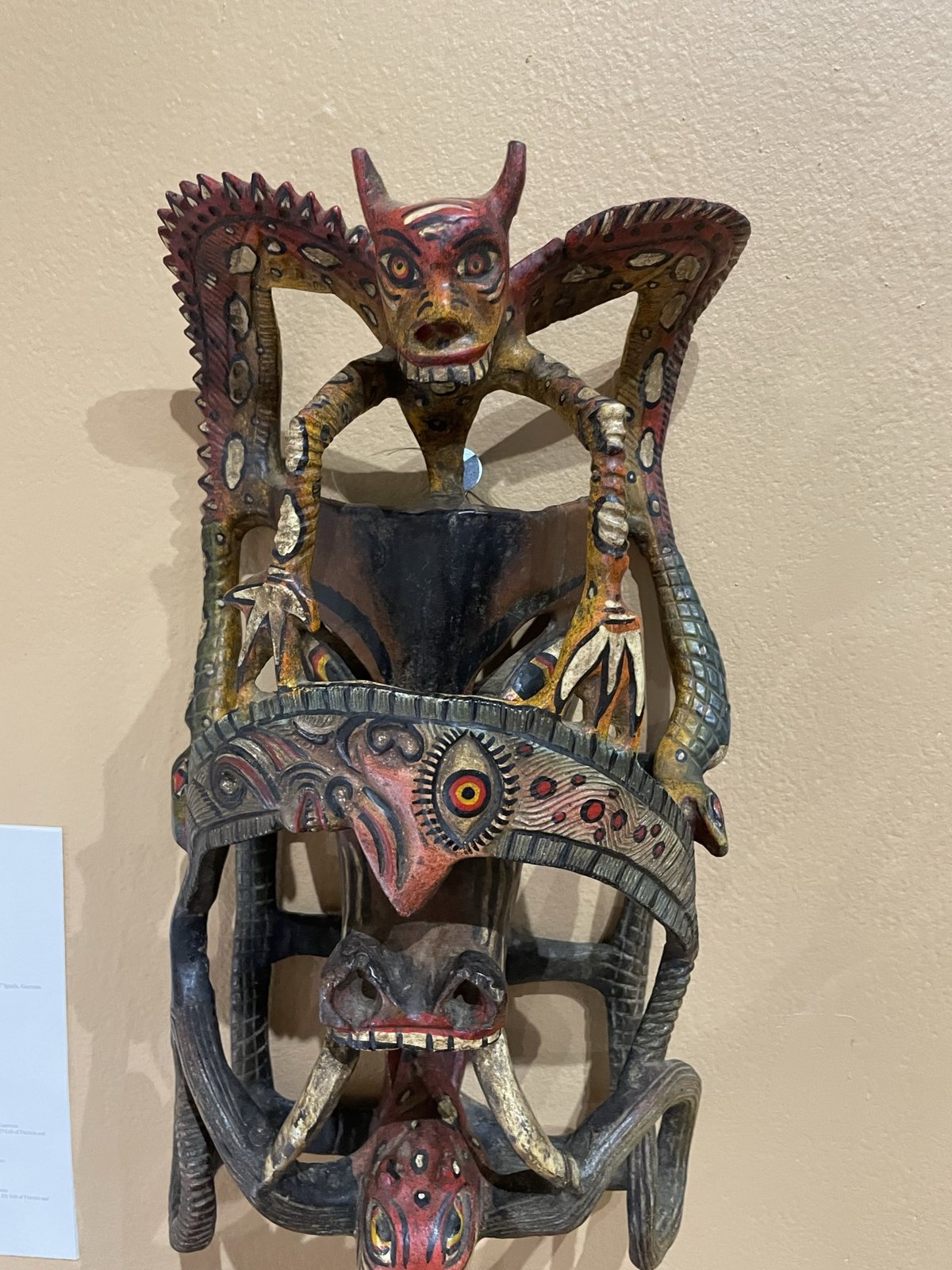
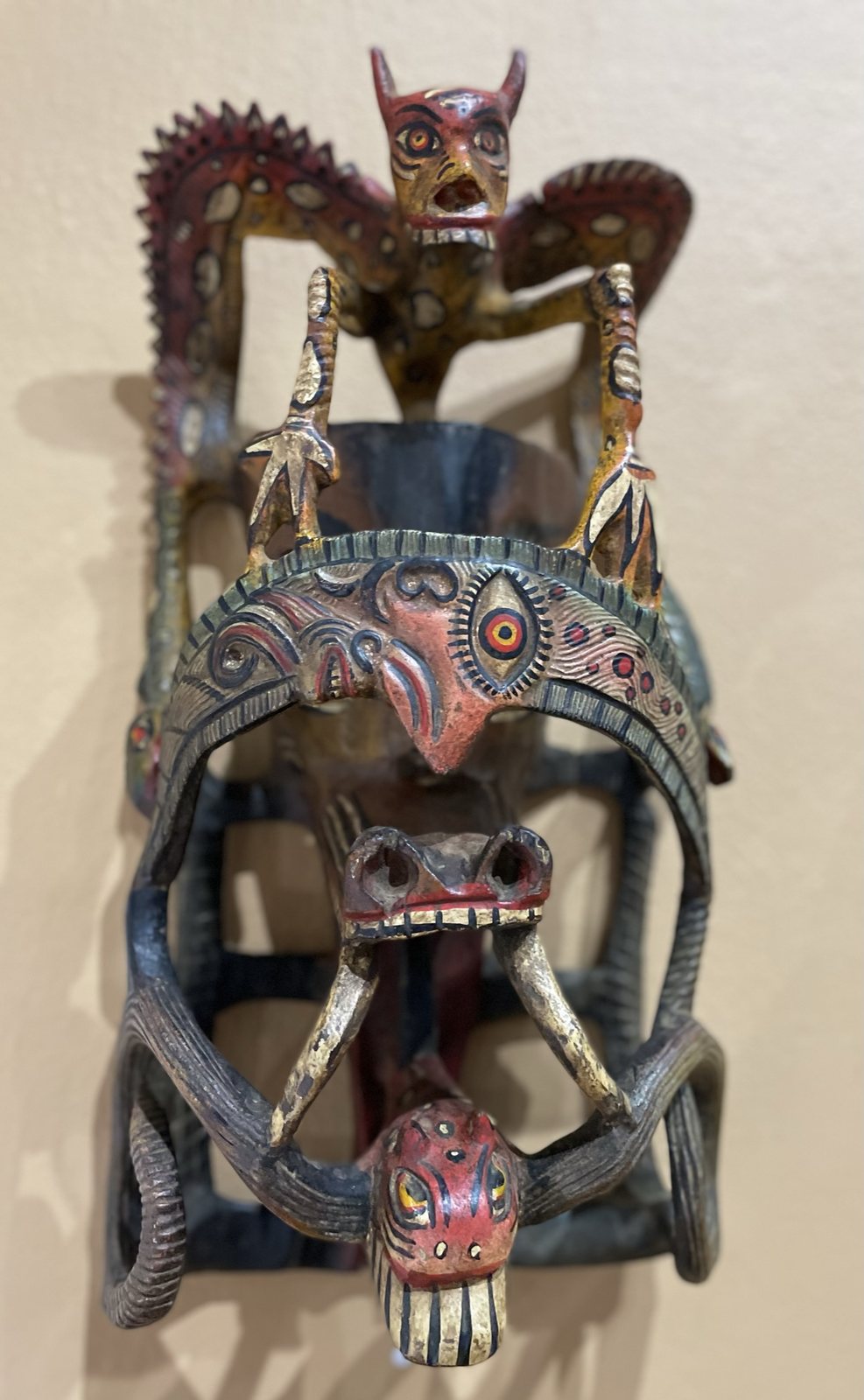
Alebrijes are the wildly painted fantasy creatures of Mexican folk art — part dragon, part rooster, part fish, all color. The story goes that Pedro Linares dreamed them up in Mexico City in the 1930s. Add dance masks of devils with serpents for mouths, and you have the perfect New World cousin to the Cloisters' Bat Lord.
Exploration
A winged dragon and friendsAlebrijesA rooster-dragonAlebrijeA fish-dragonAlebrijeA horned goat-beastAlebrijeA horned serpentA devil with a serpent for a mouthDance maskA devil crowned with a bat-demonDance maskFaces stacked on facesDance mask
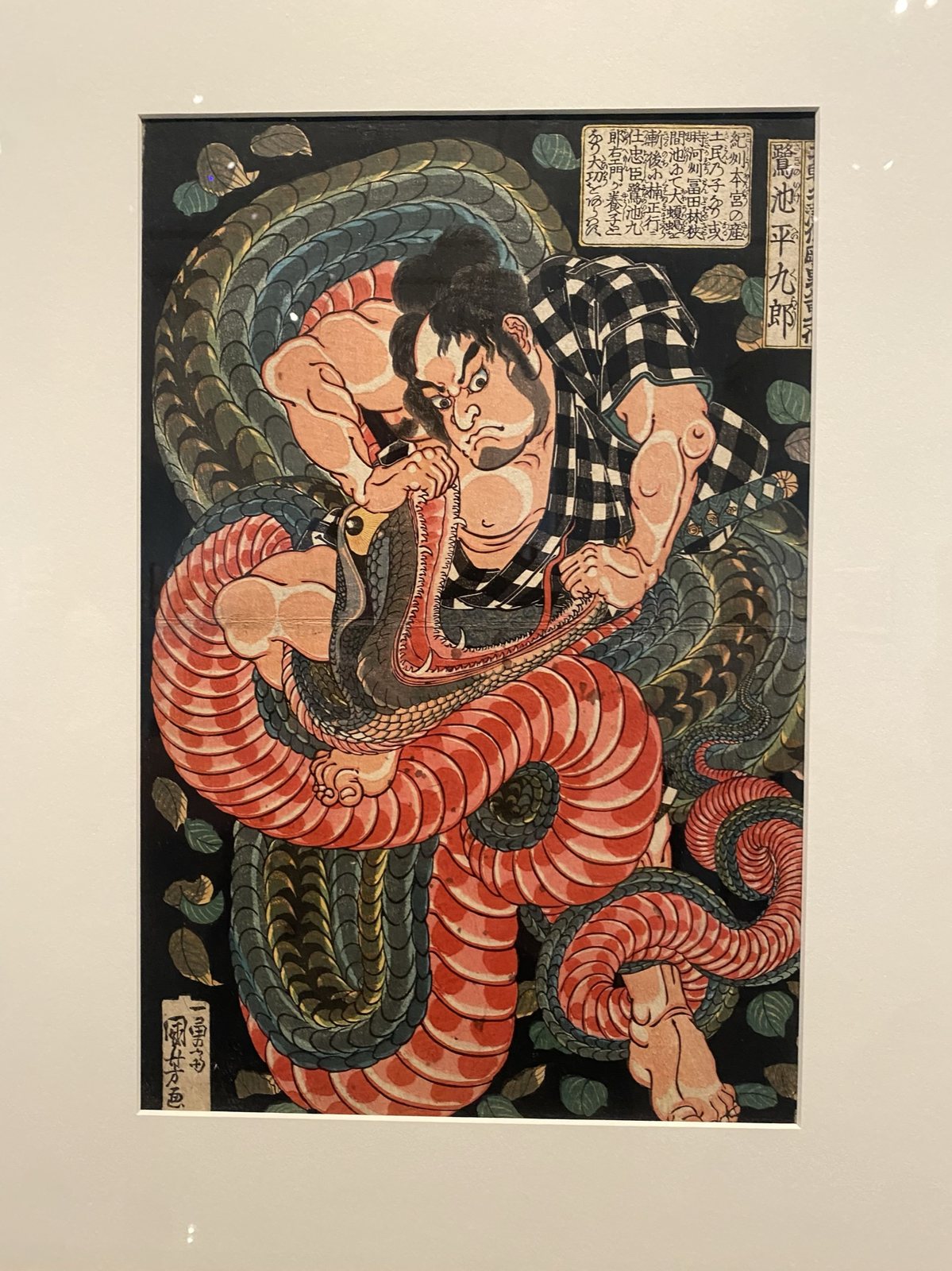
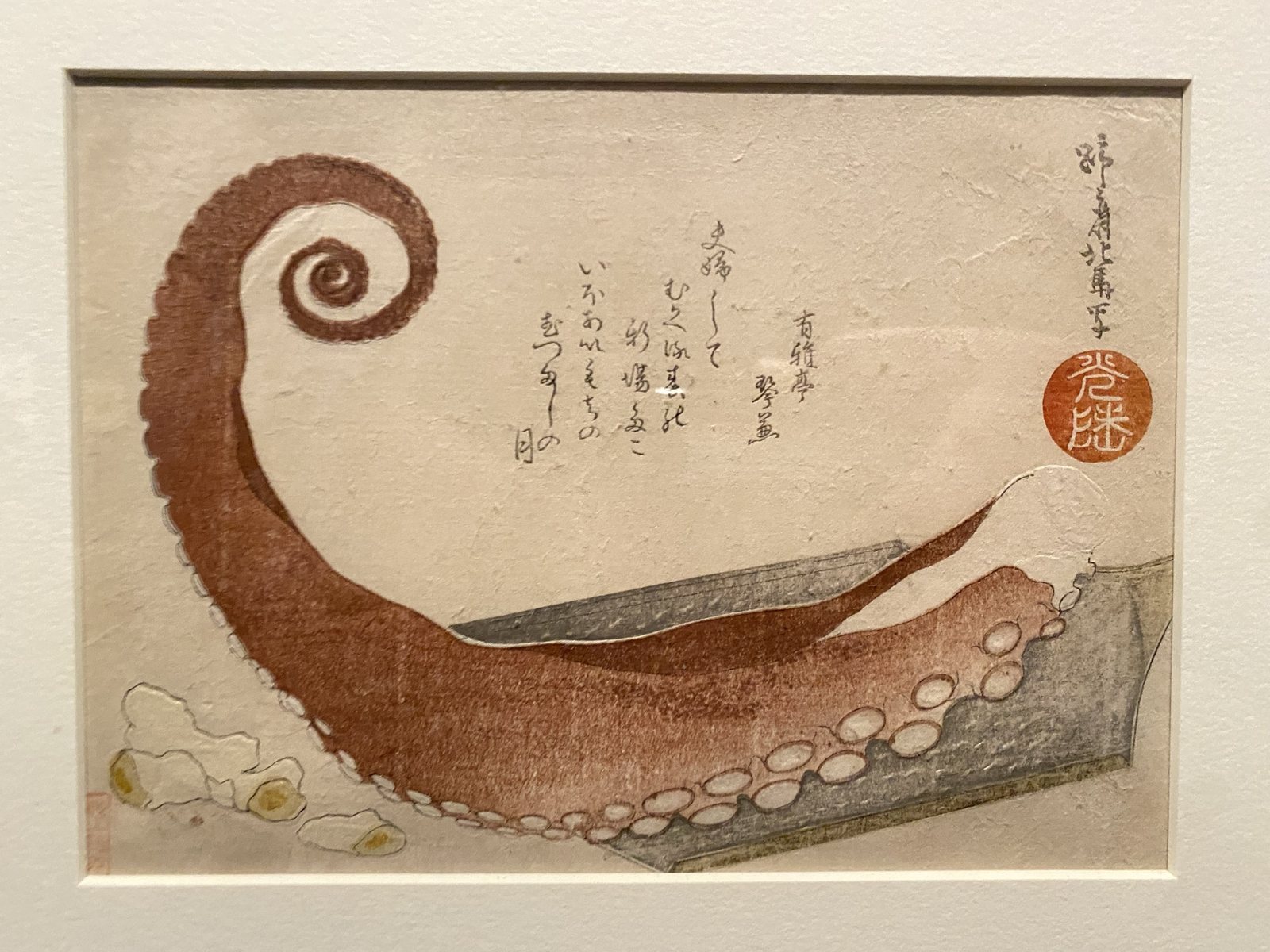
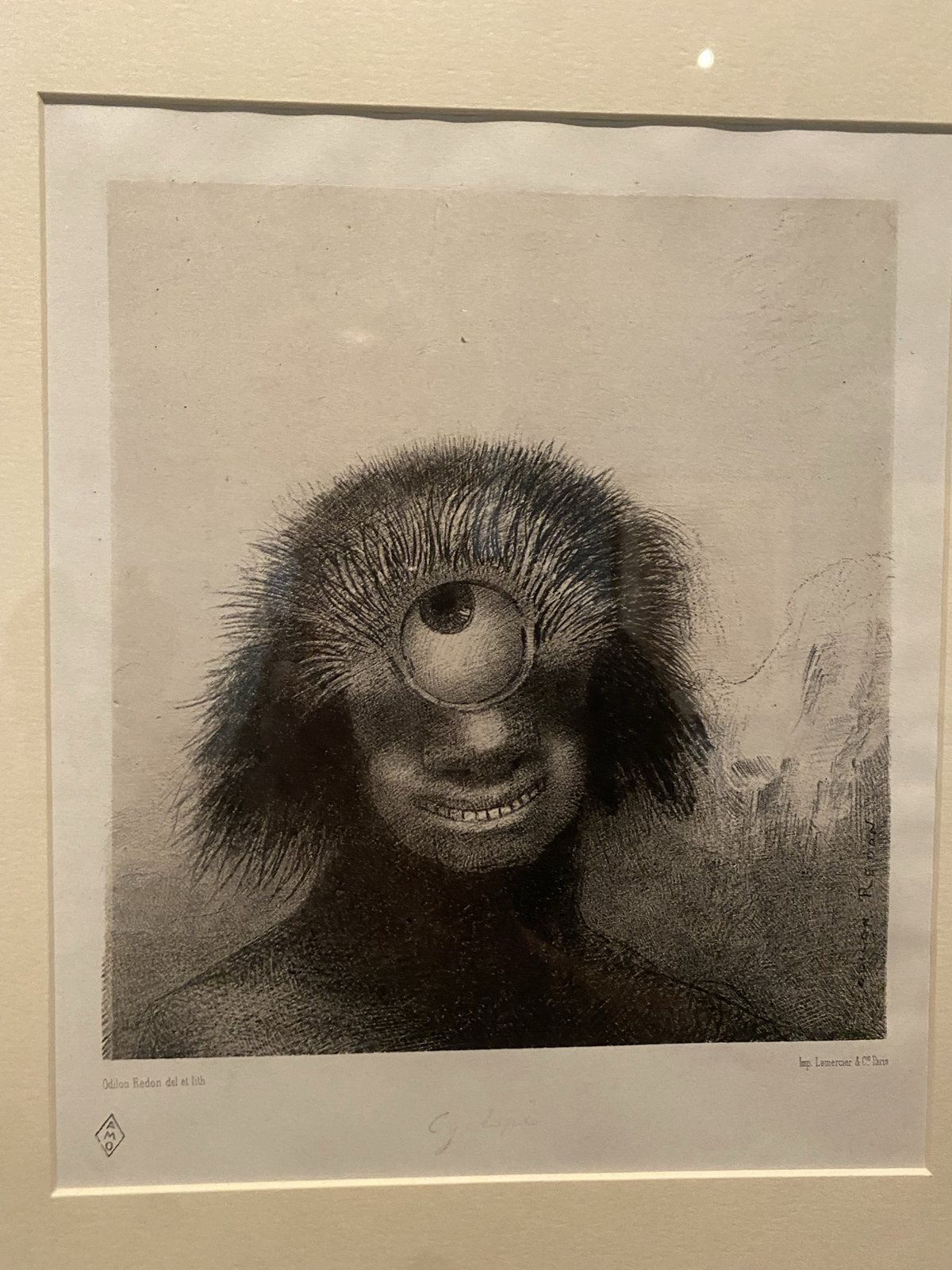
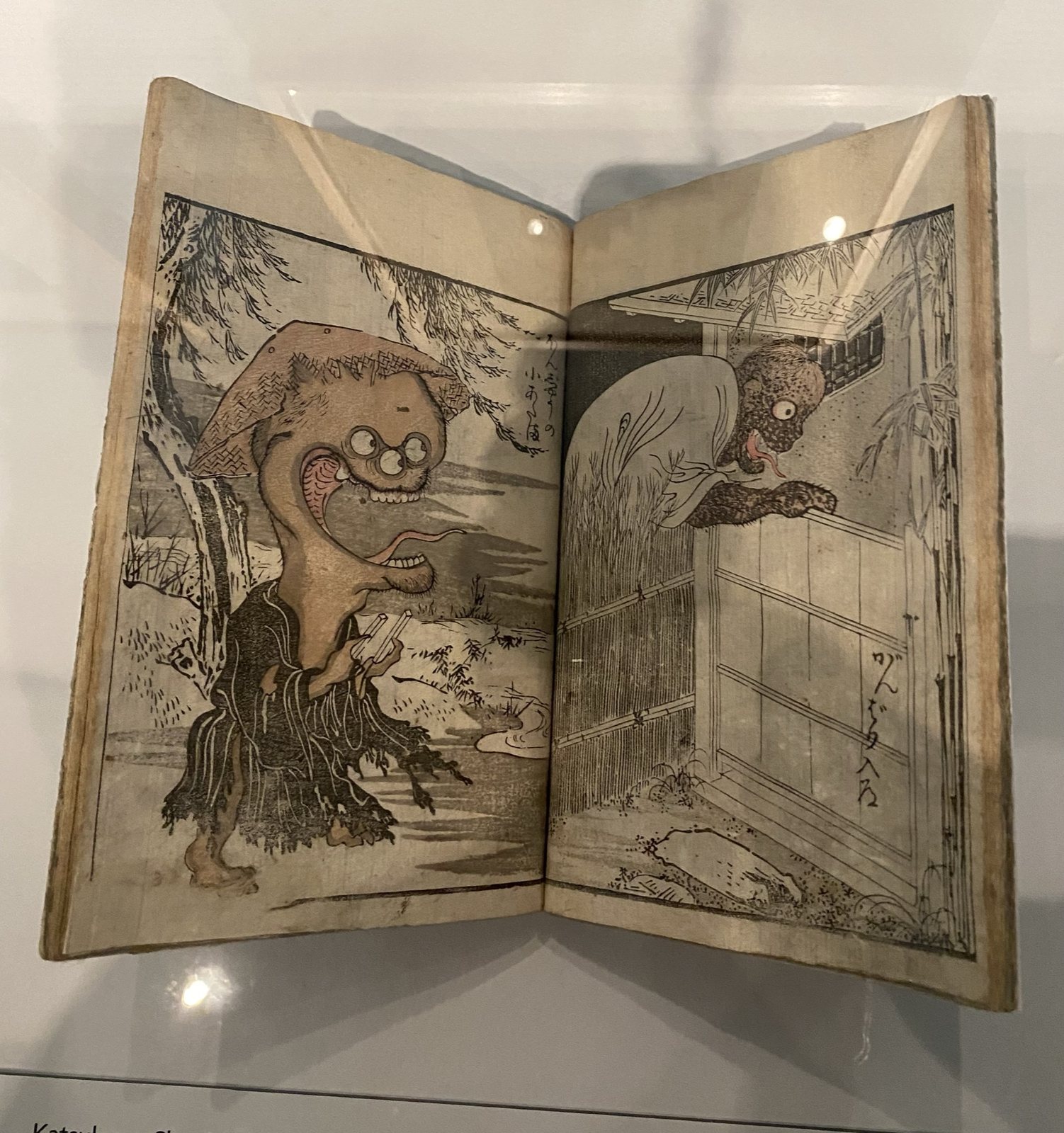
Japanese woodblock prints full of yokai — the ghosts, goblins and shape-shifters of Japanese folklore — with octopuses, a hero wrestling a giant serpent, a one-eyed creature, and Hokusai's One Hundred Ghost Stories, based on a candlelit storytelling game where a light went out after every tale.
Exploration
A hero wrestling a giant serpentWoodblock printAn octopusWoodblock printAn octopus and a diverWoodblock printA woman and a ghostWoodblock printA one-eyed creatureLithographA yokai picture book
The Morgan Library and Museum, Madison Avenue, New York · April 2023
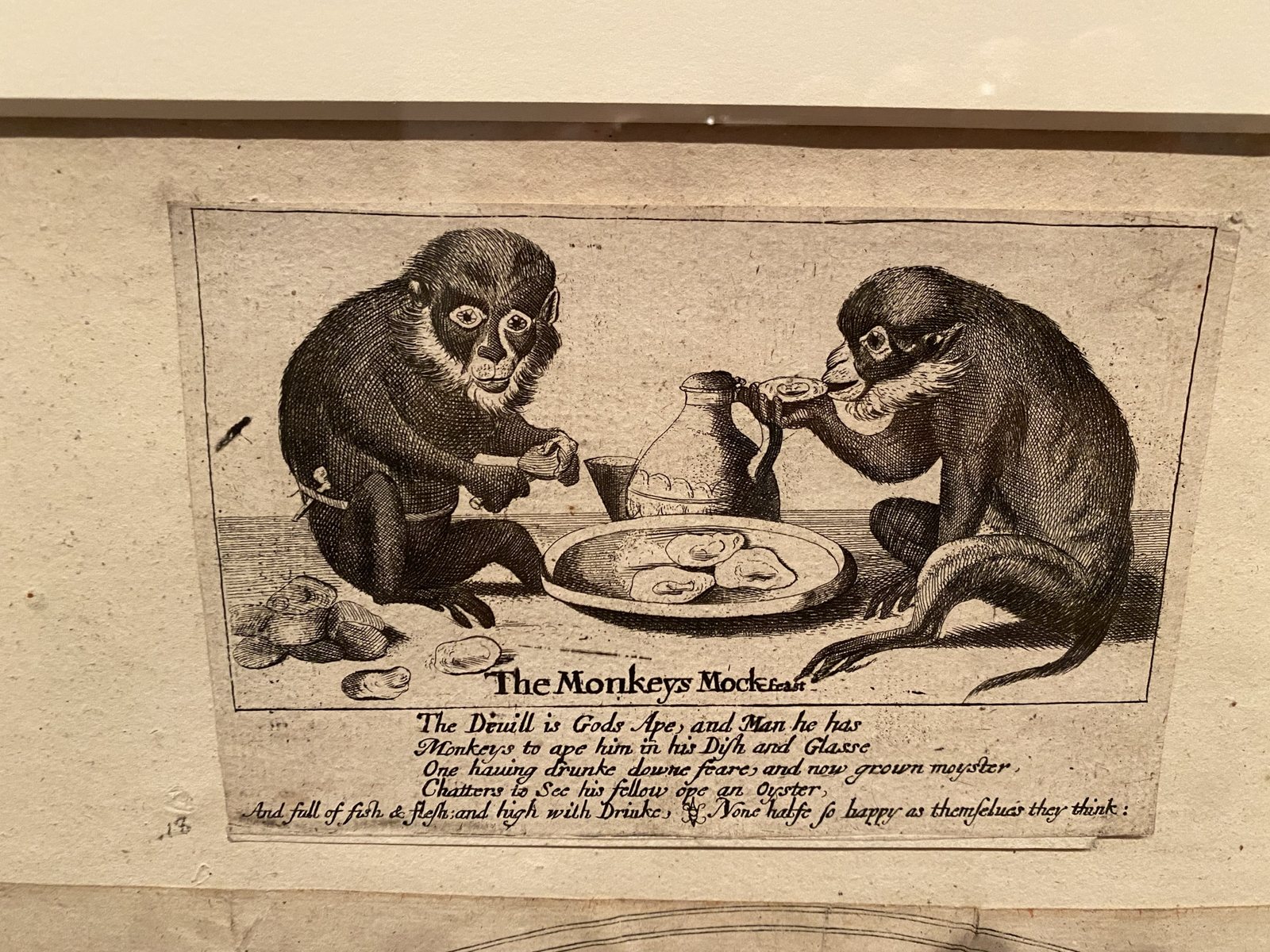
J. P. Morgan's old library has a soft spot for the strange: monkeys mocking their betters in an old etching, and a Witches' Sabbath by Claude Gillot from the early 1700s.
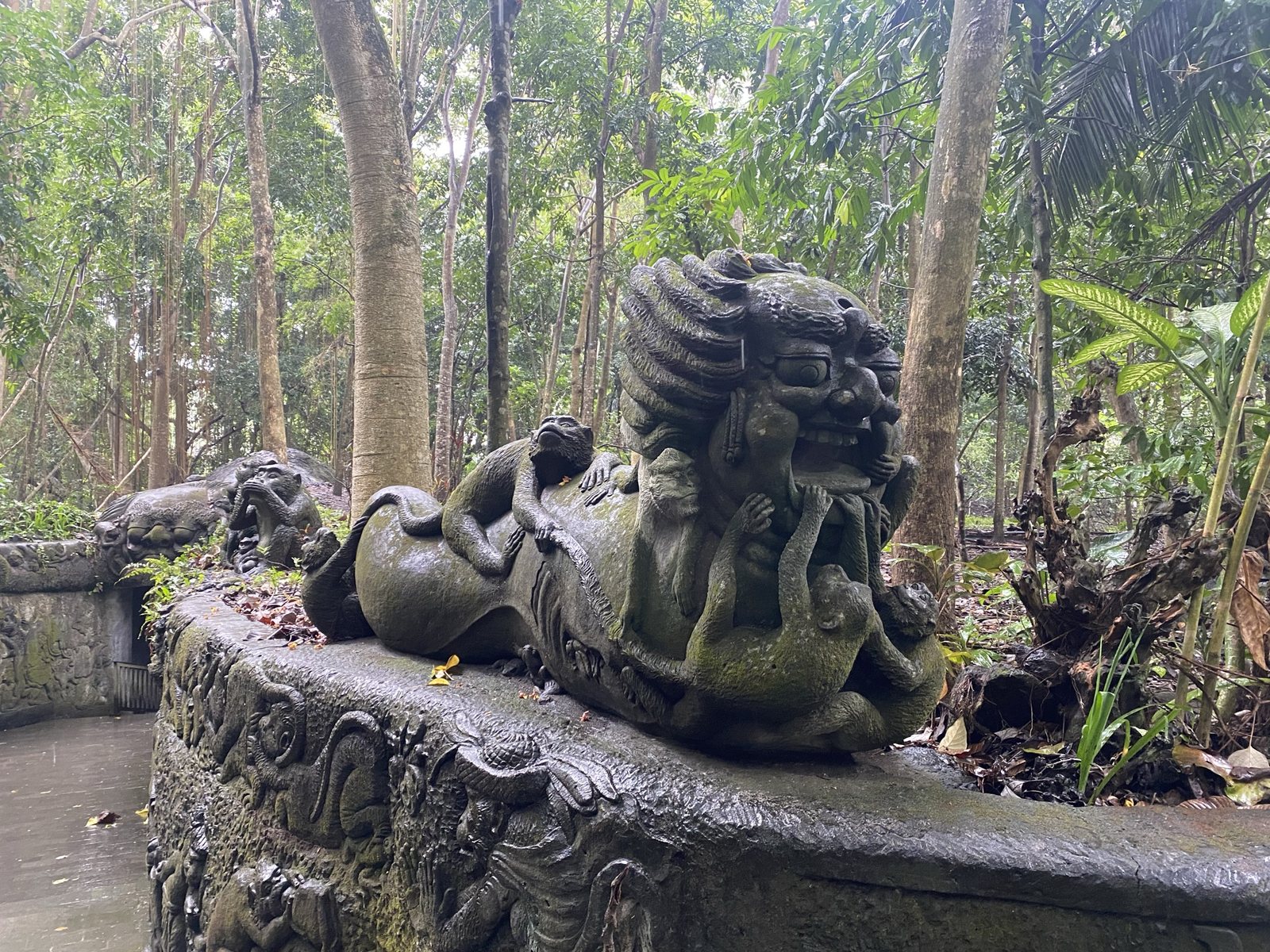
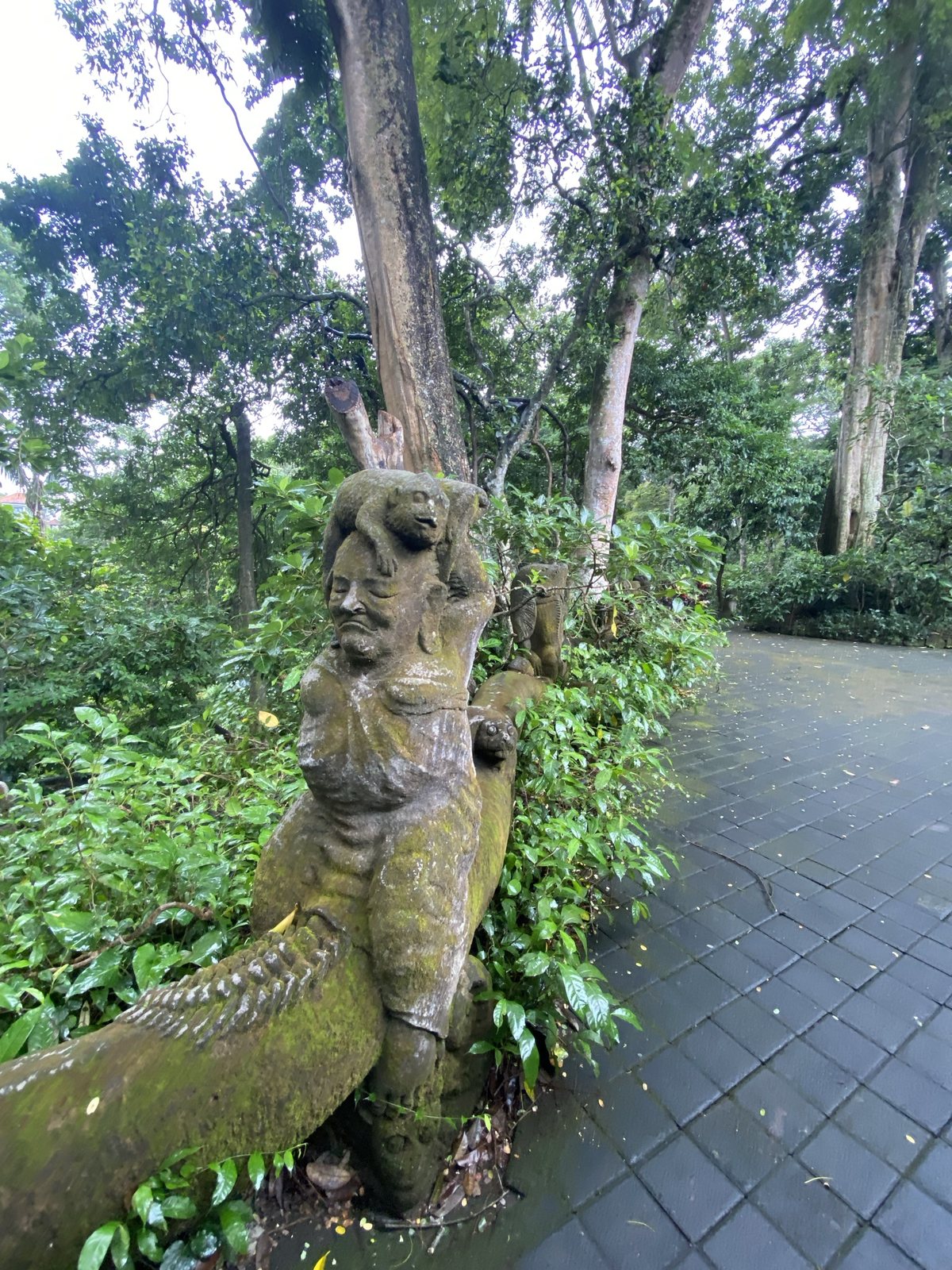
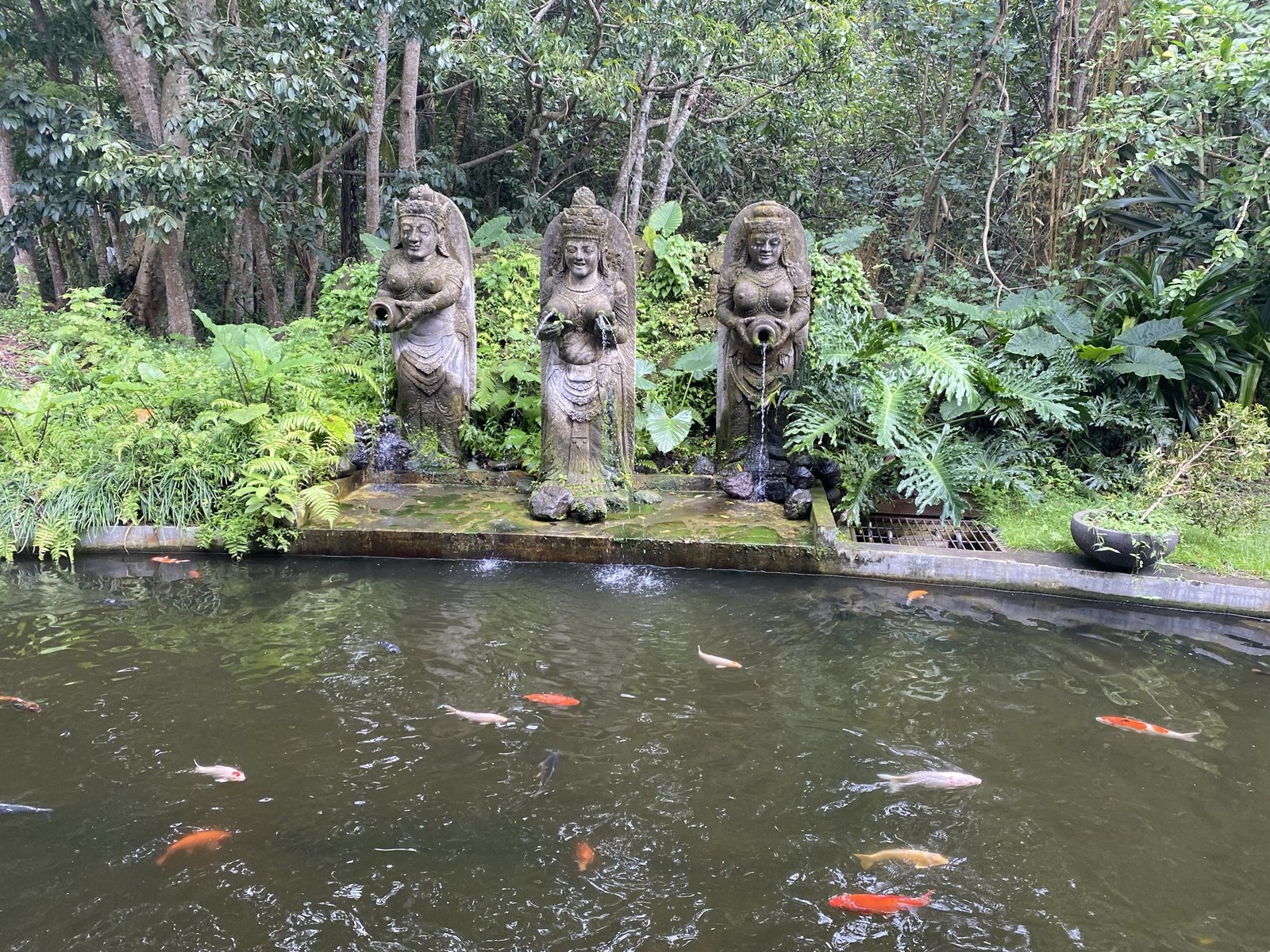
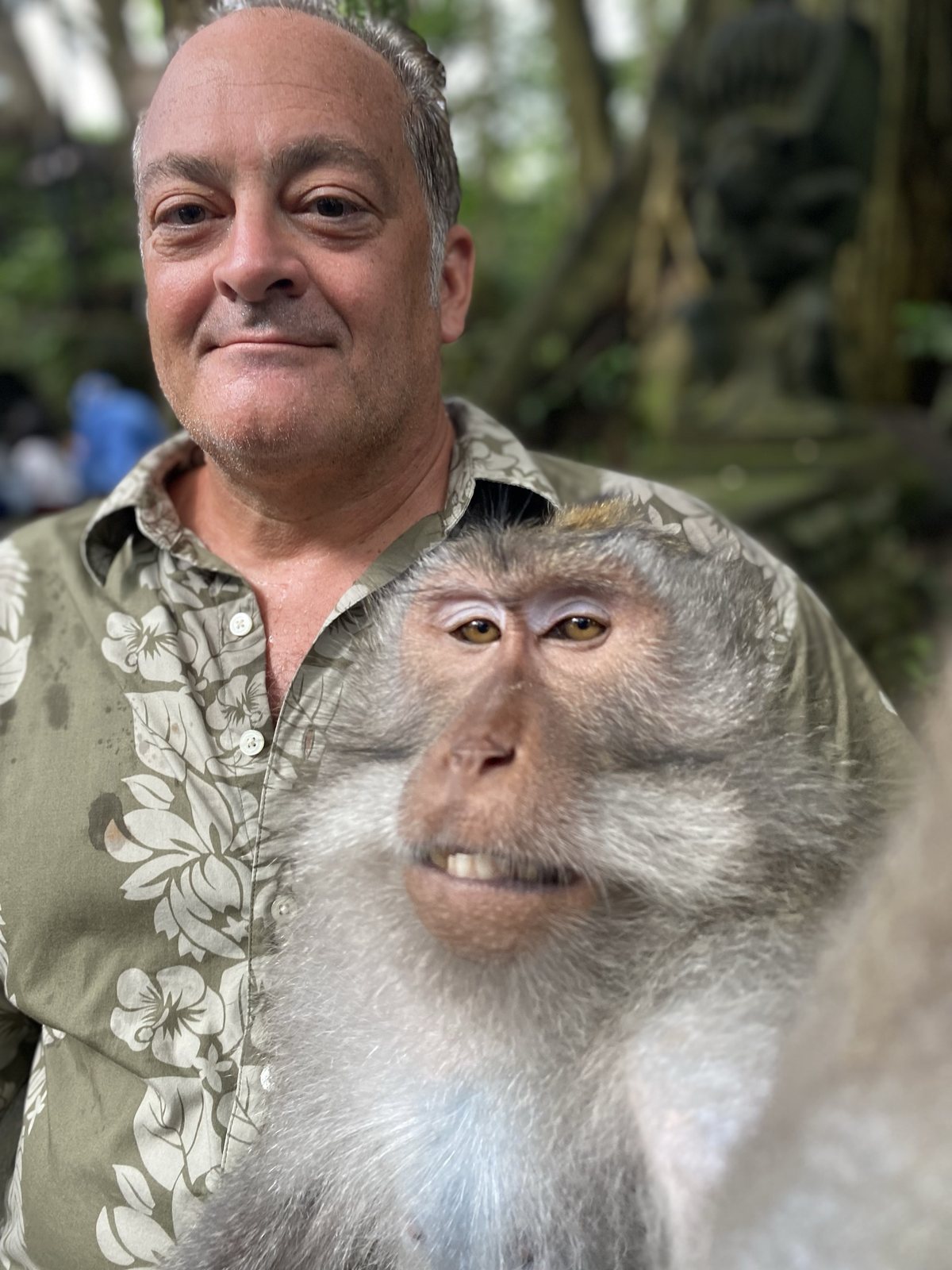
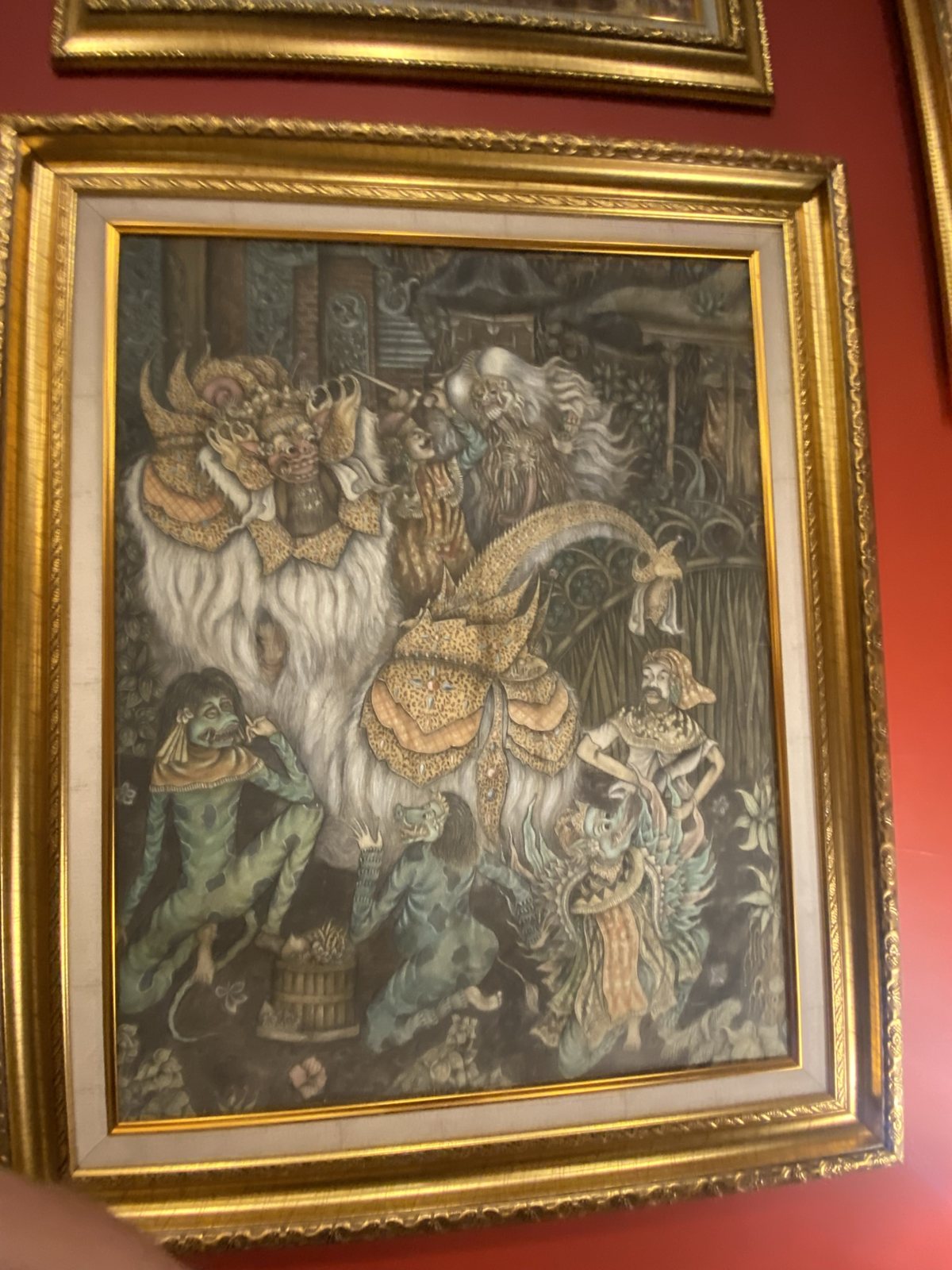
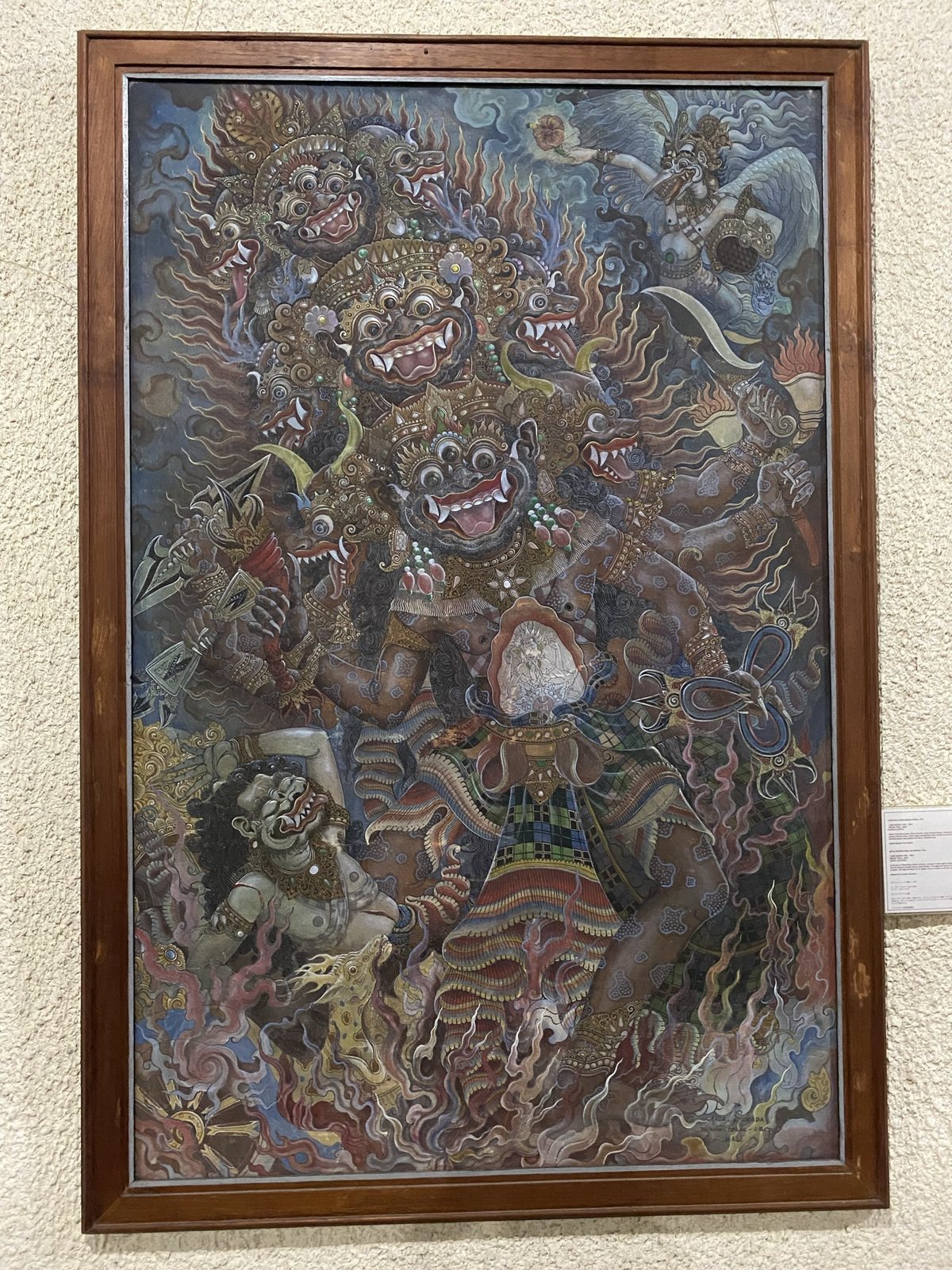
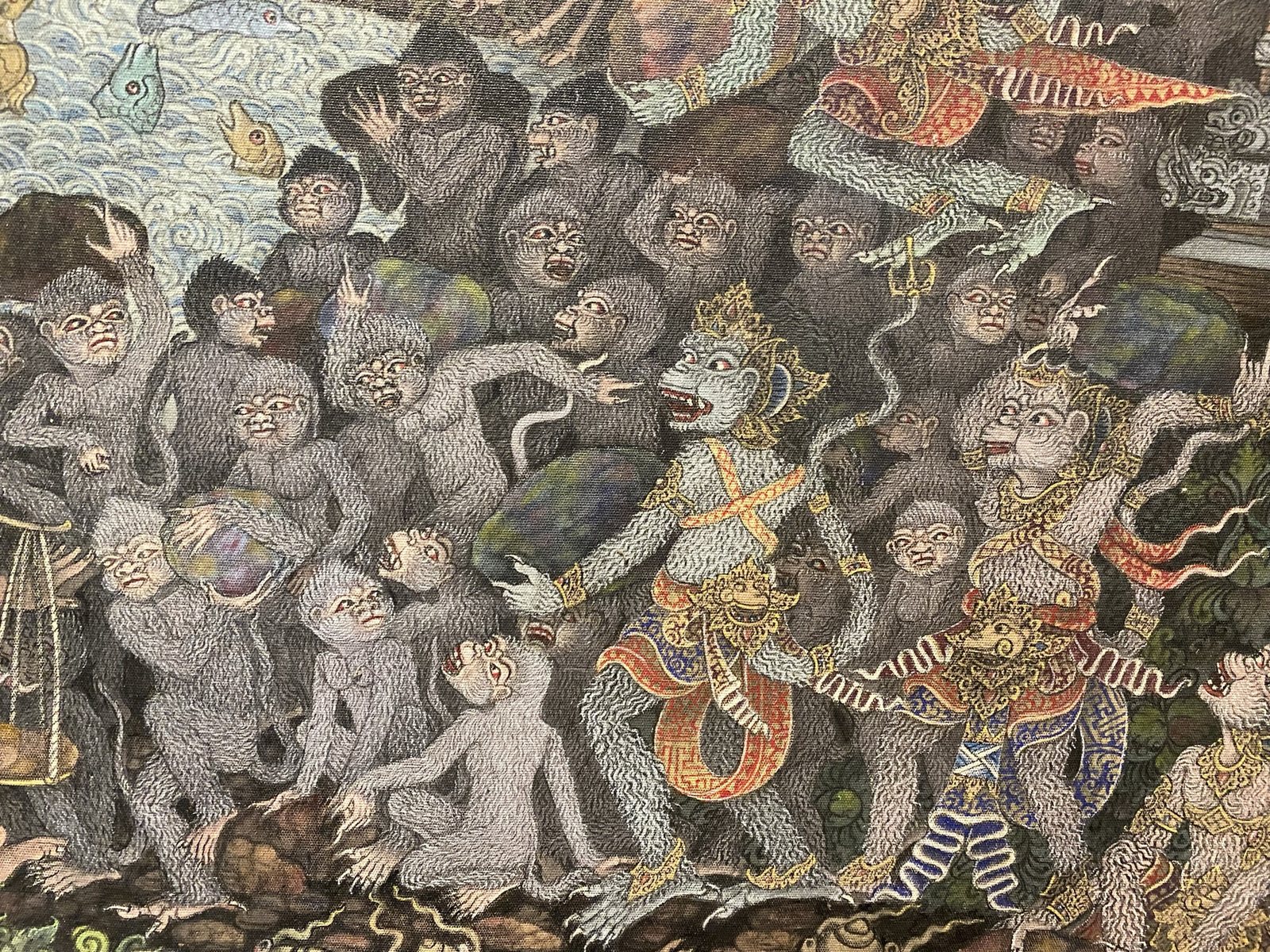
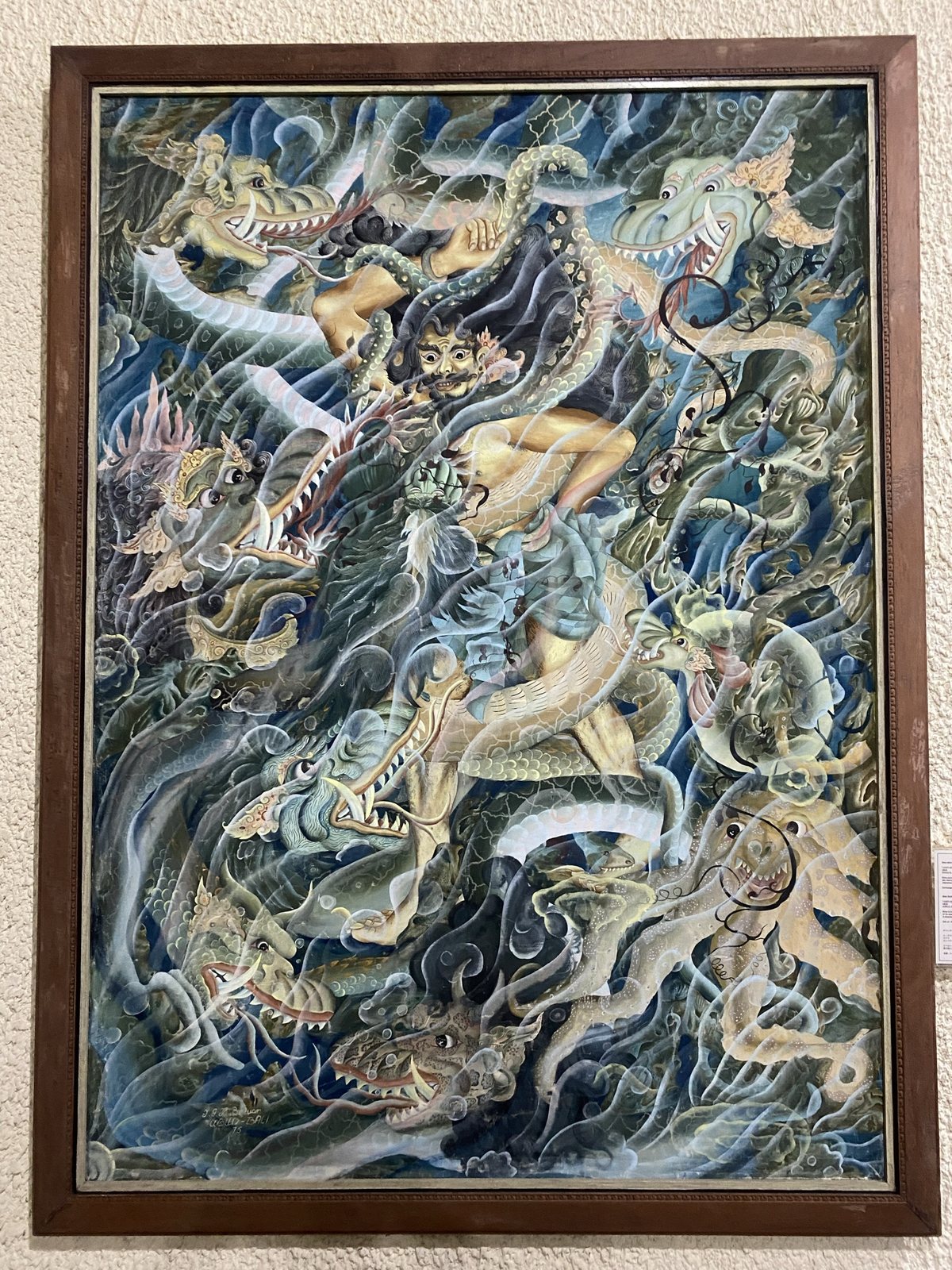
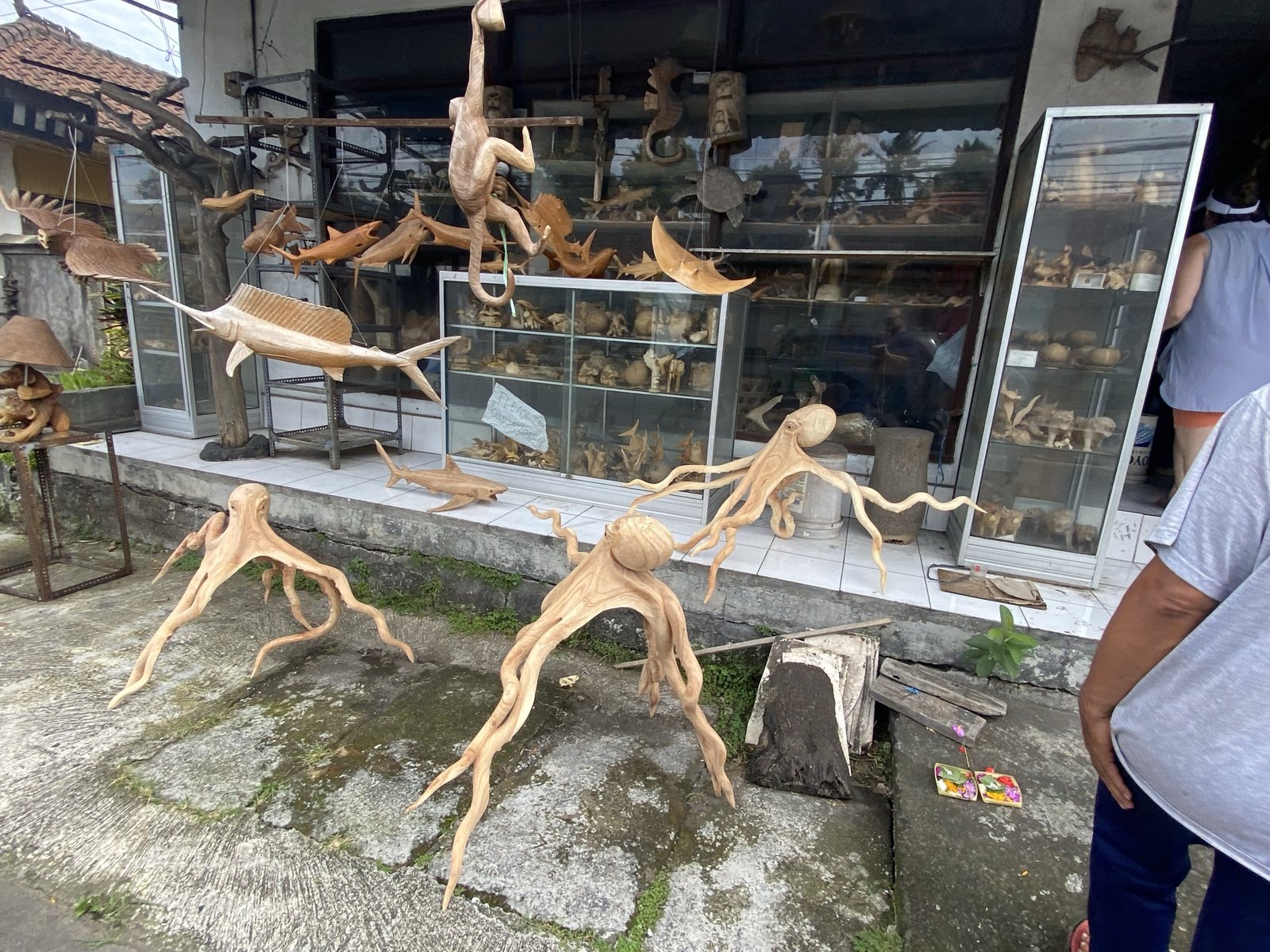
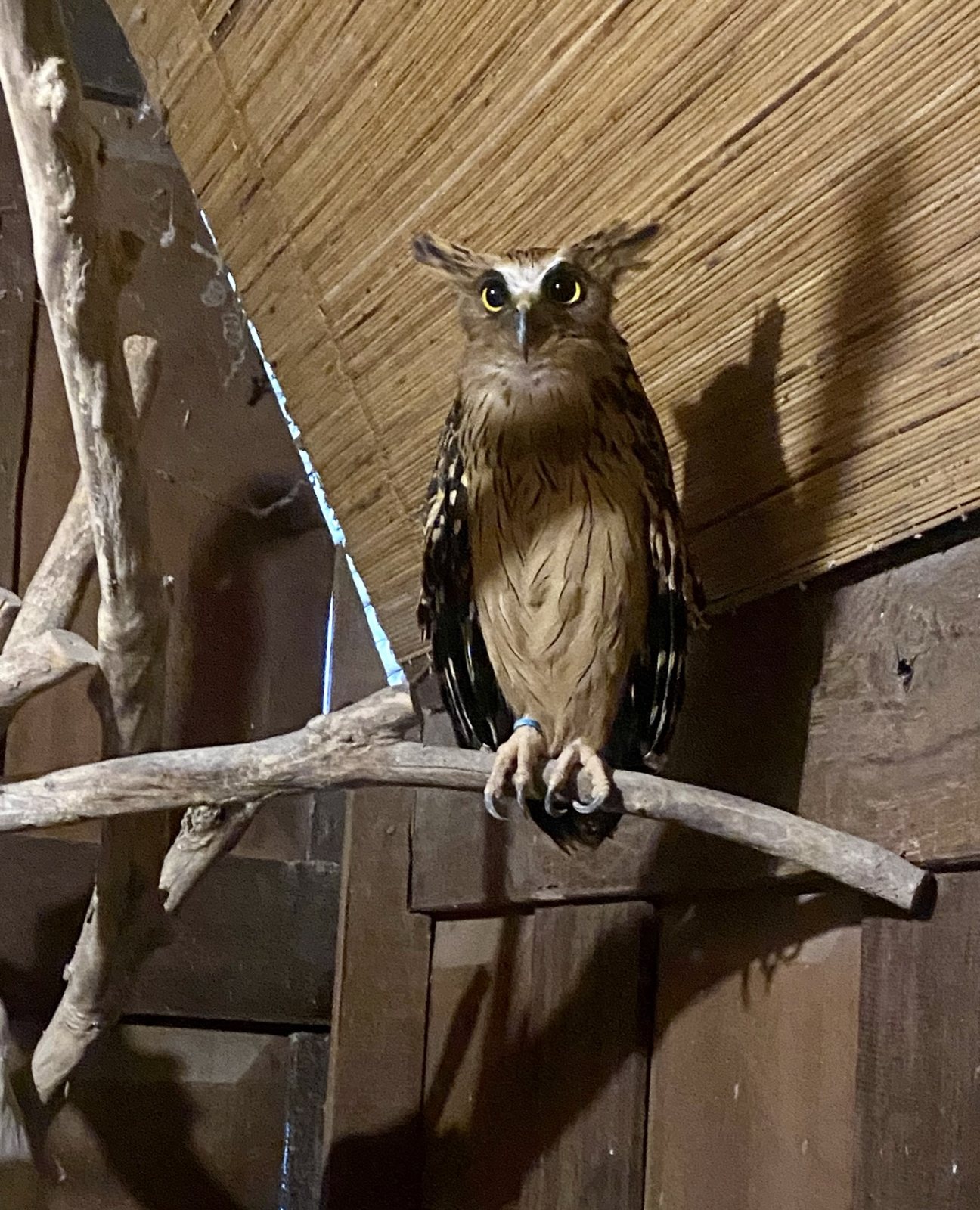
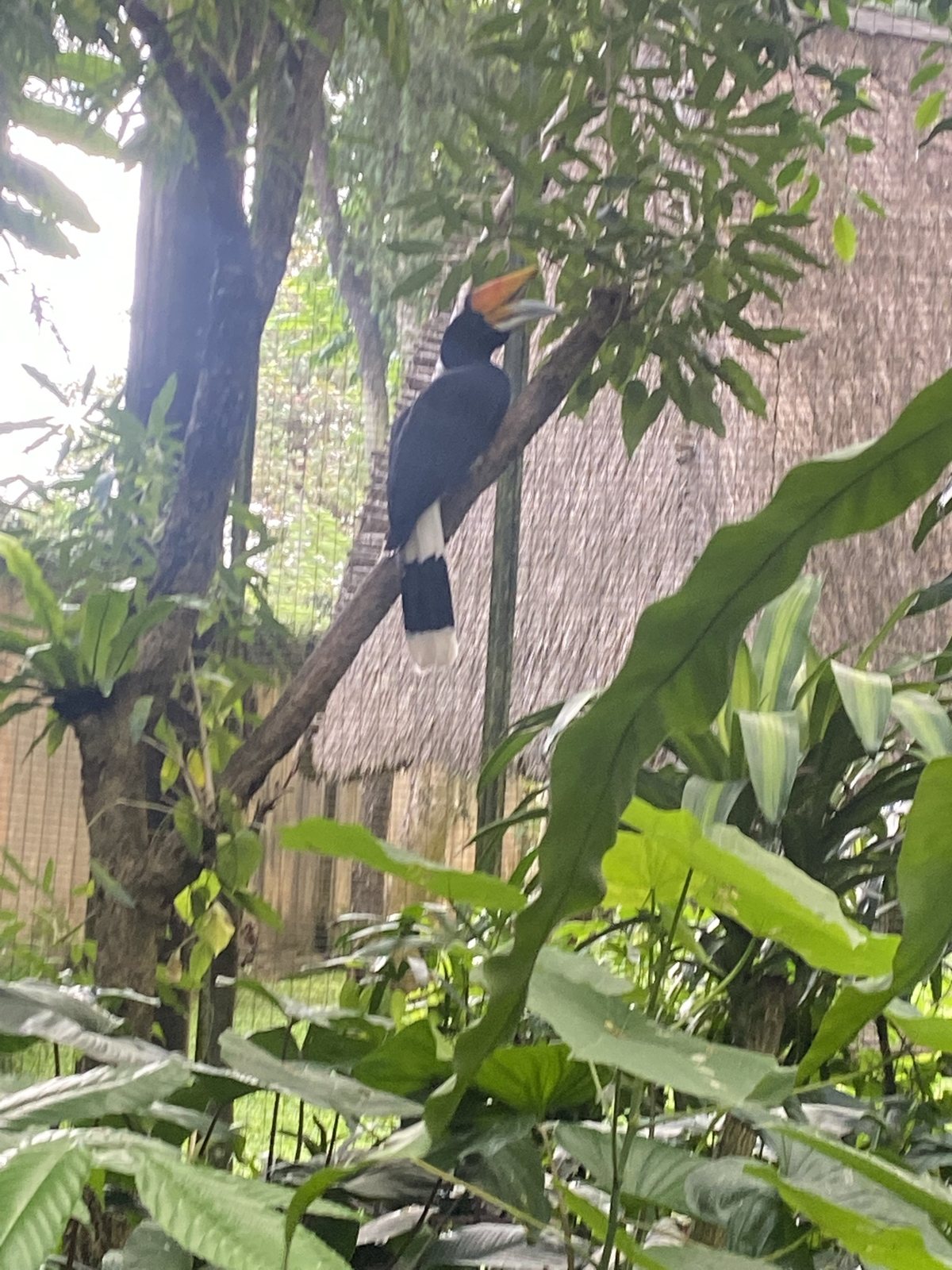
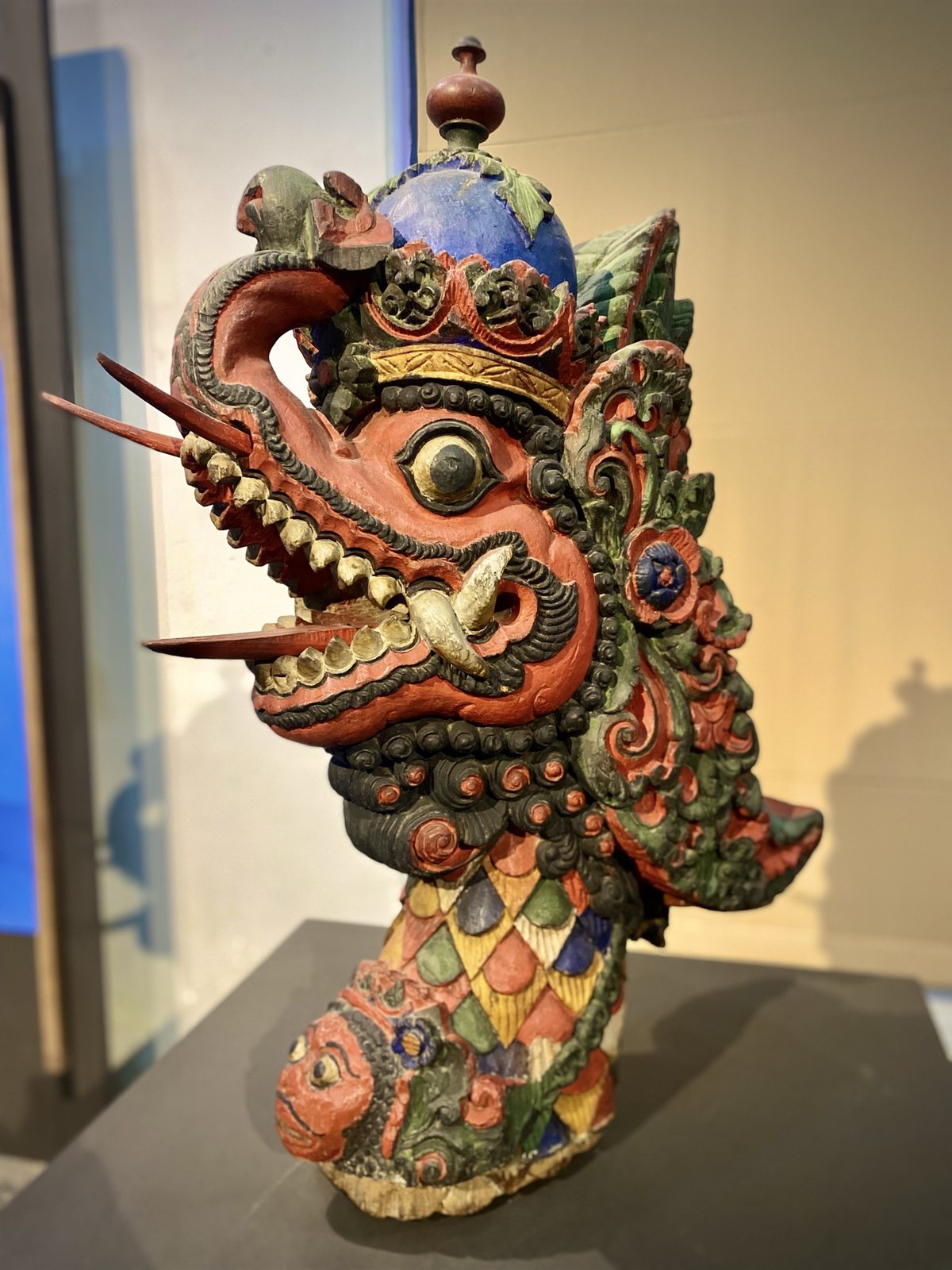
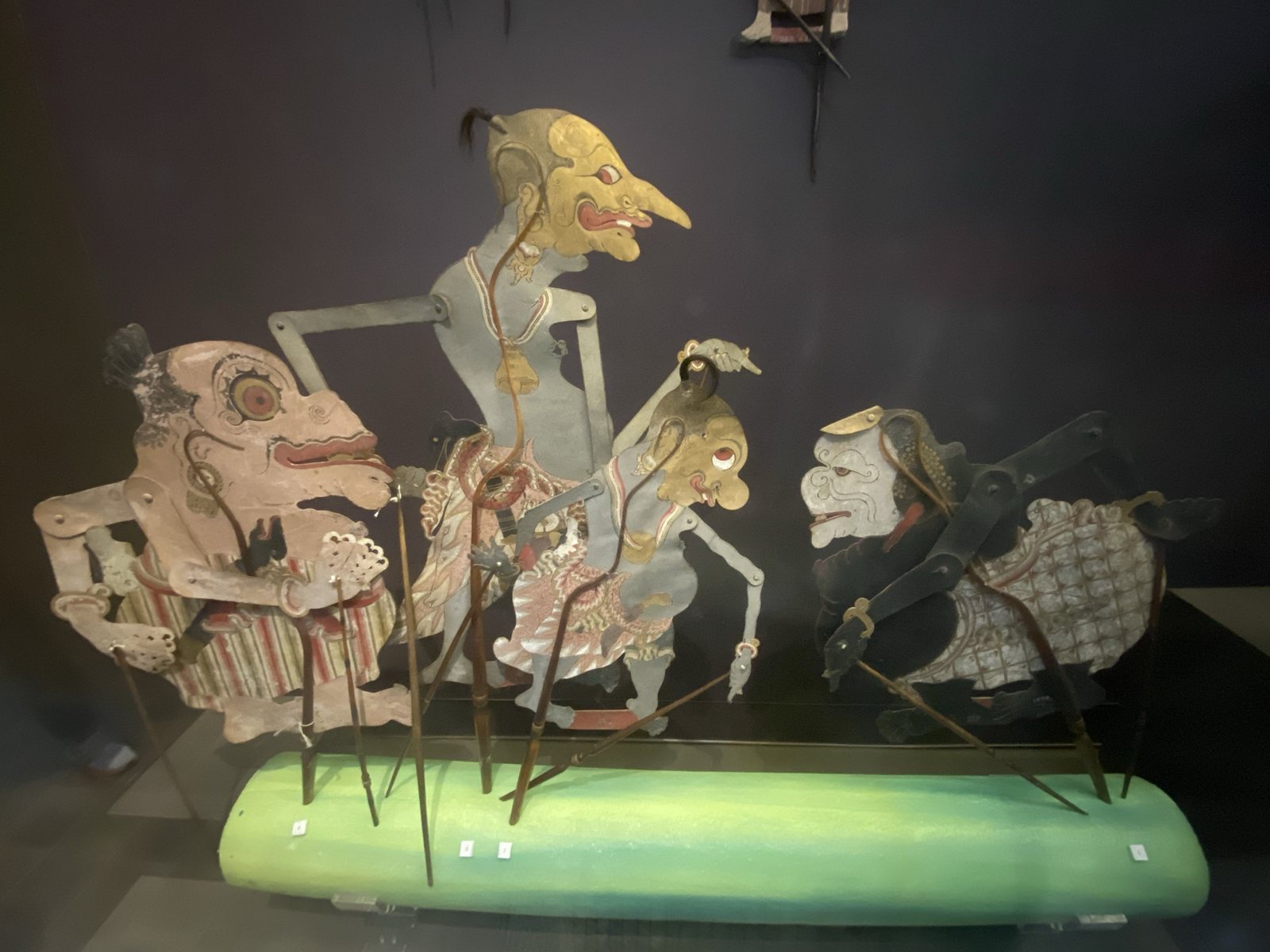
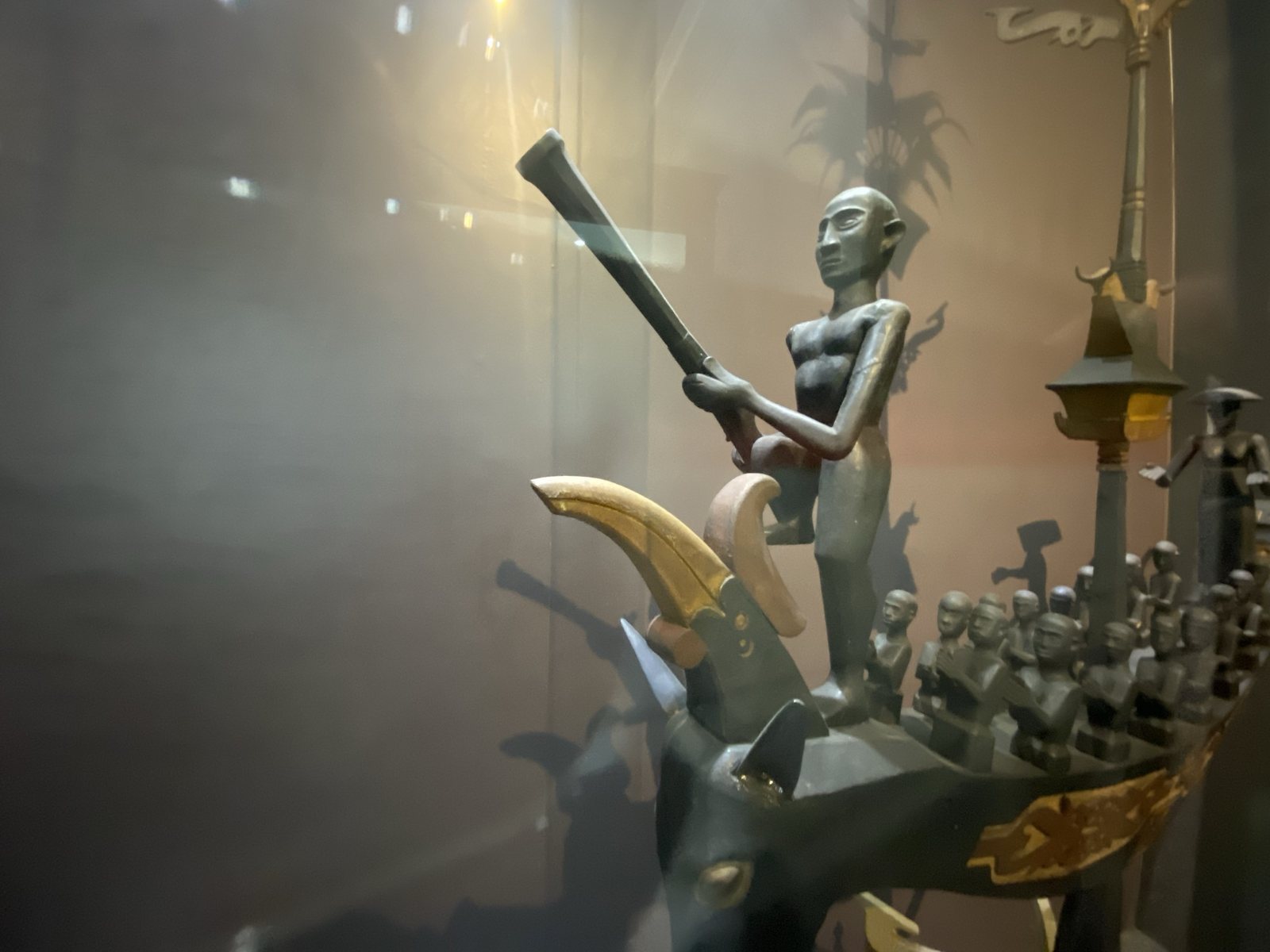
In the Ubud Monkey Forest, moss-covered guardians and a naga — the sacred serpent — crawling with real monkeys. In the painters' villages, Barong, the good lion-spirit, and Rangda, the demon queen he battles forever in Balinese dance. Then Jakarta's National Museum: shadow puppets and a naga demon mask.
Classical
A naga with real monkeys climbing all over itUbud Monkey ForestA moss-covered temple guardianUbud Monkey ForestGuardians around the pondUbud Monkey ForestDiLo and a macaque, negotiatingUbud Monkey ForestBarong, the good lion-spiritMas villageRangda, the demon queenUbudHanuman's monkey army, from the RamayanaUbudA battle with a blue demonUbudDriftwood octopusesTegallalangAn owl, unimpressedBali Bird ParkA hornbillBali Bird ParkA naga demon maskNational Museum, Jakarta
Show all 14 photos
Wayang kulit shadow puppetsNational Museum, JakartaA horned figure from a boatNational Museum, Jakarta
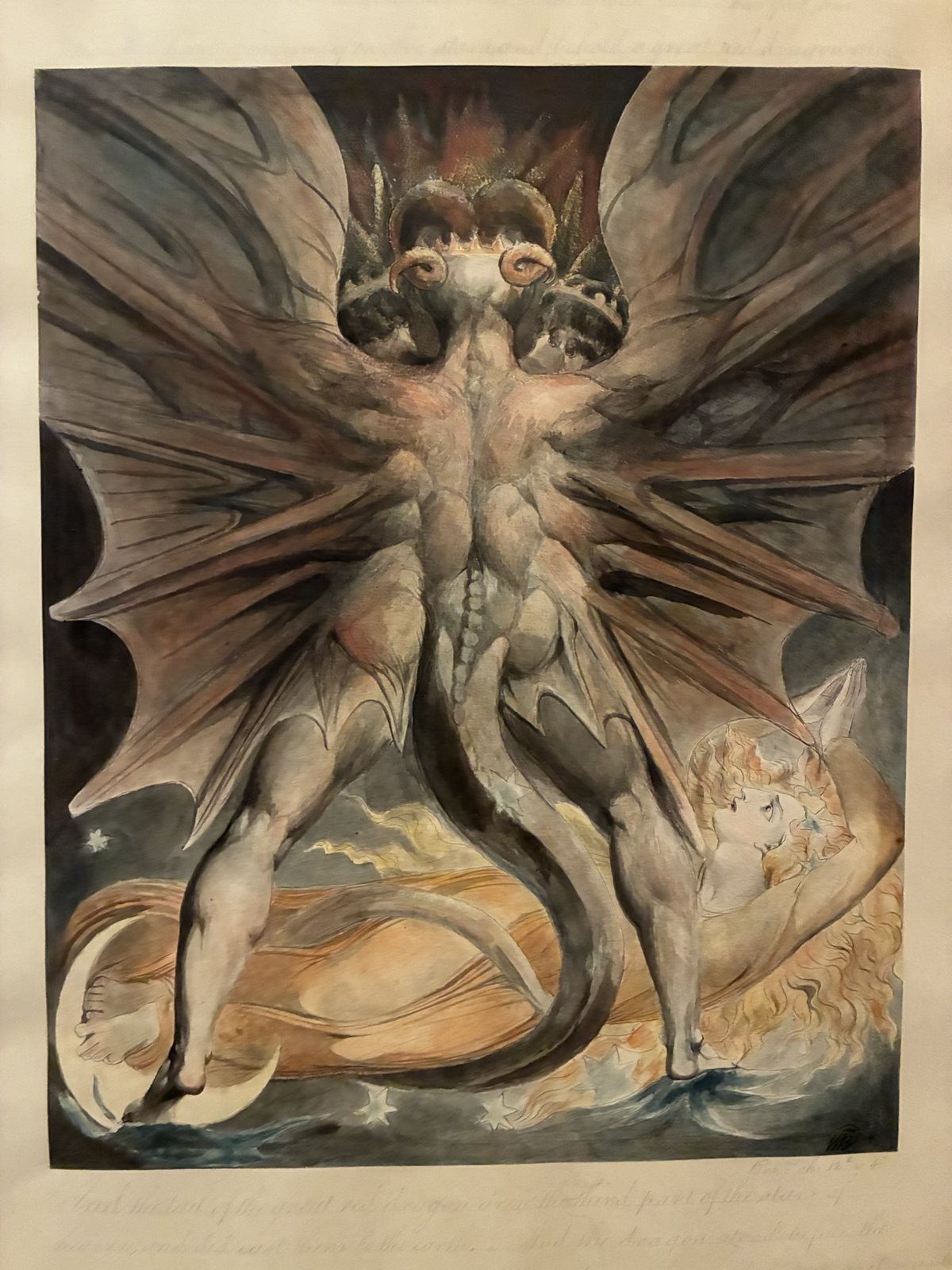
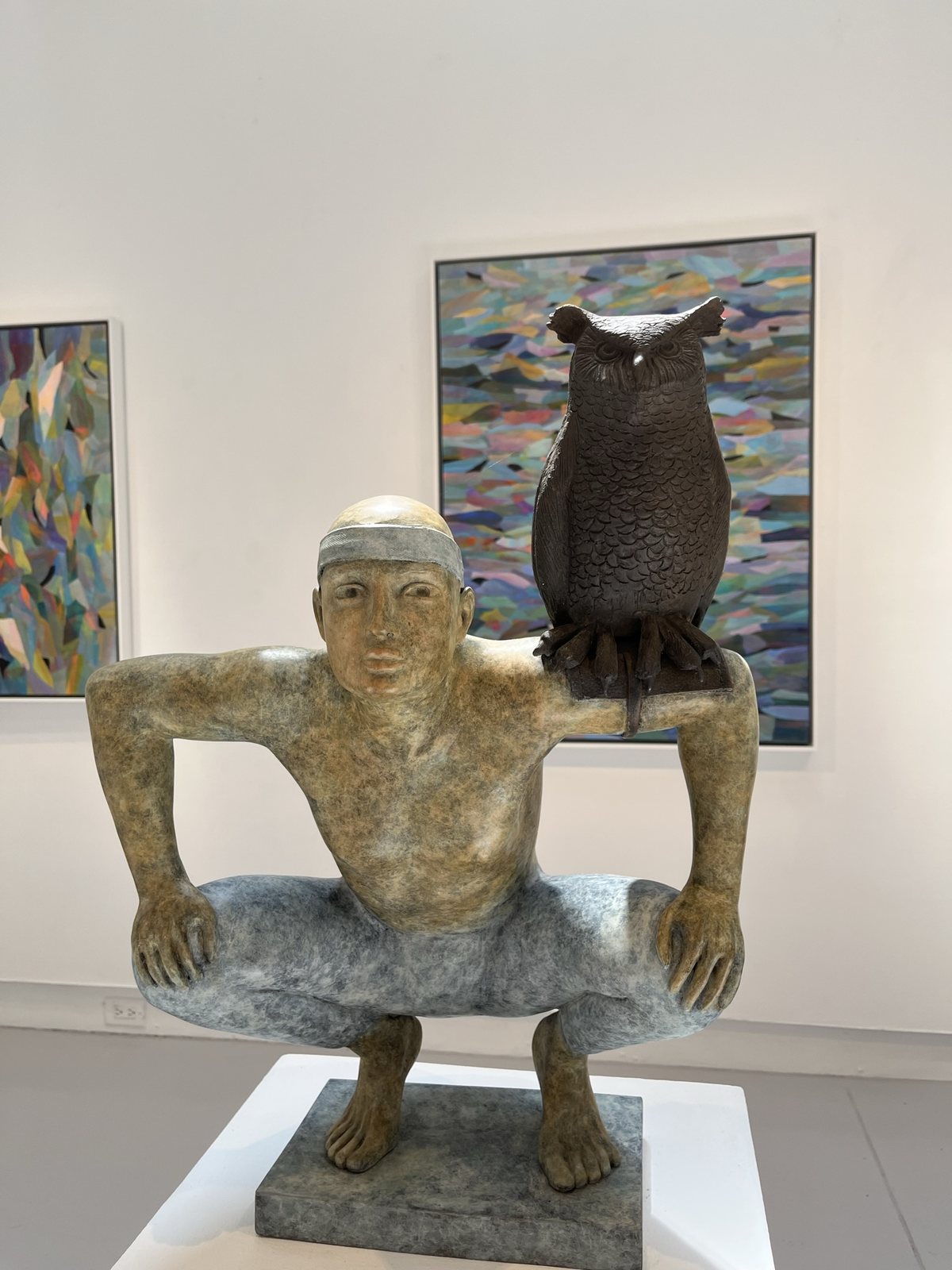
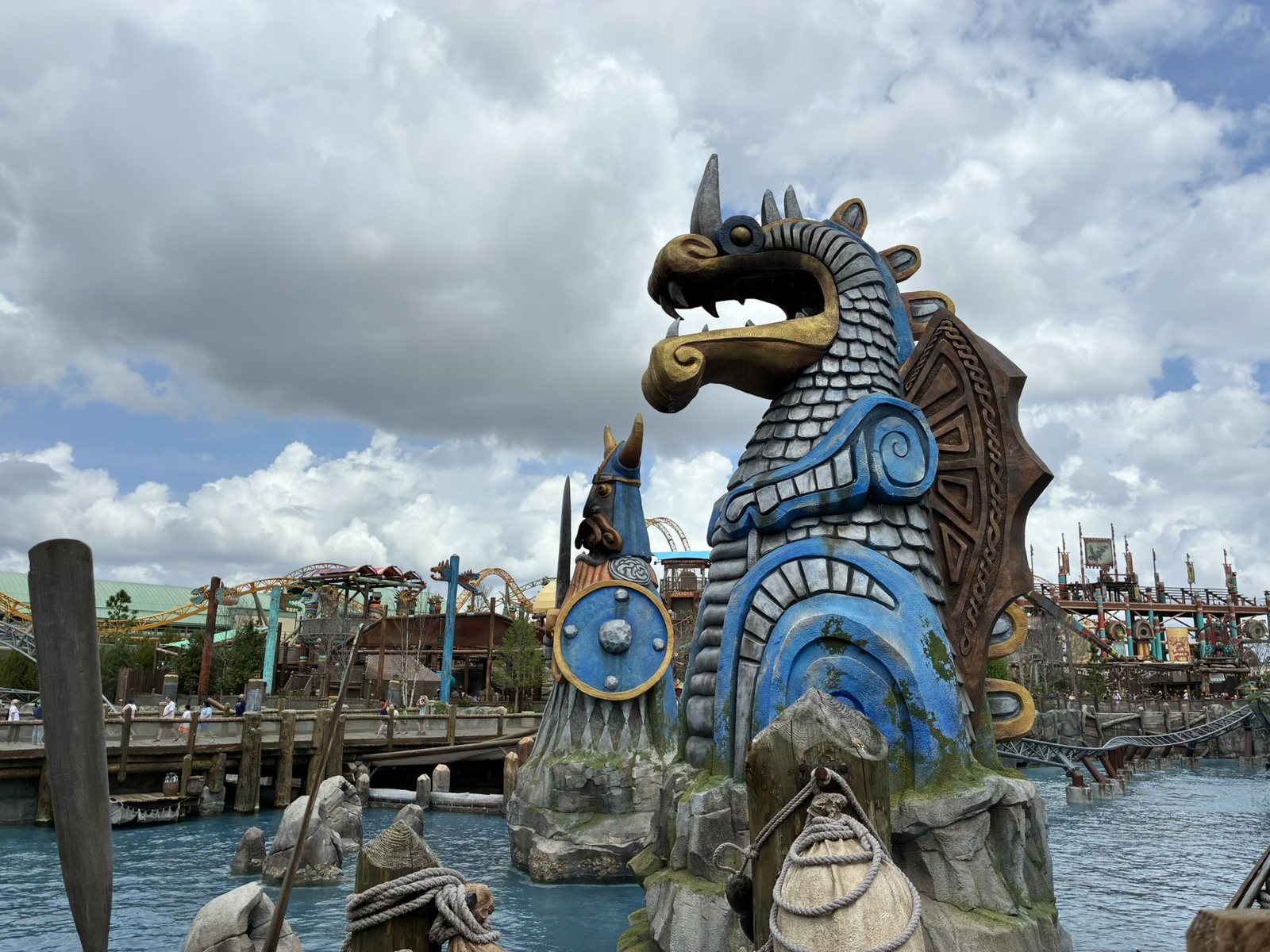
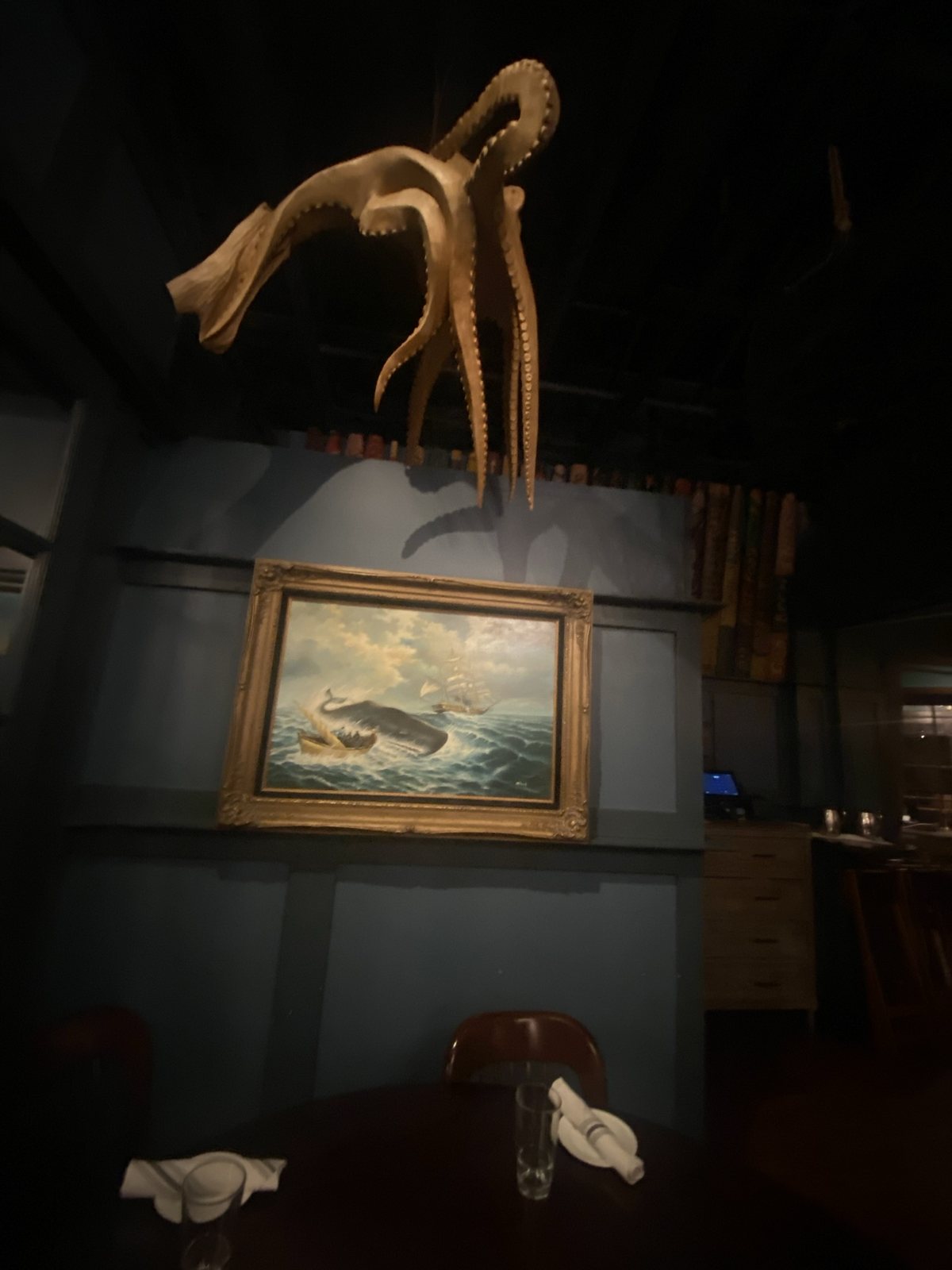
Not every sighting needs a plane ticket. Creatures spotted on ordinary days: William Blake's Great Red Dragon at the Brooklyn Museum, a Beardsley at the Grolier Club, a ghost in a Union Square Halloween shop, gallery beasts in Chelsea and the East Village, an octopus in New Jersey and a sea serpent you can ride in Orlando.
AncientExplorationSilver Screen
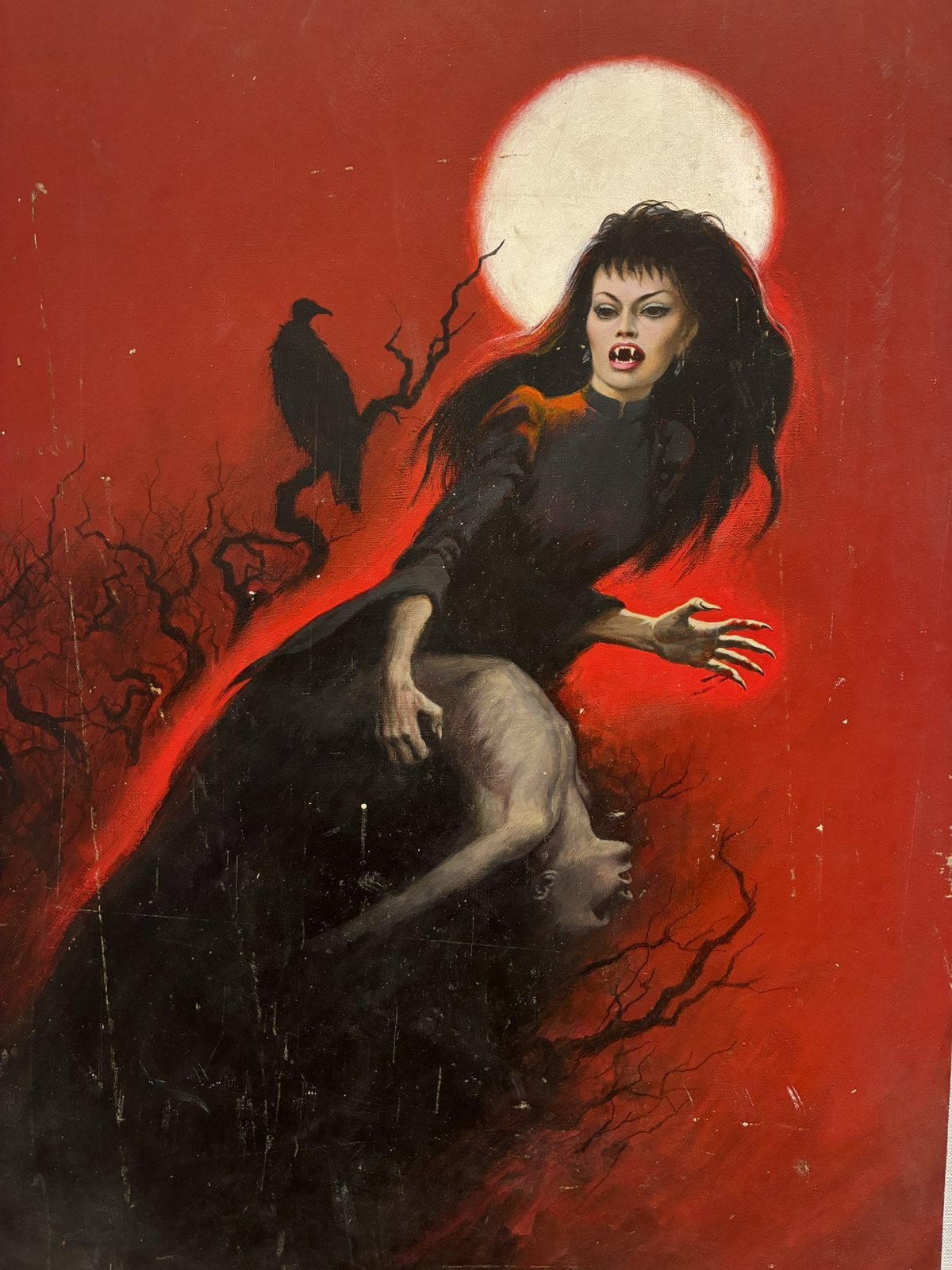
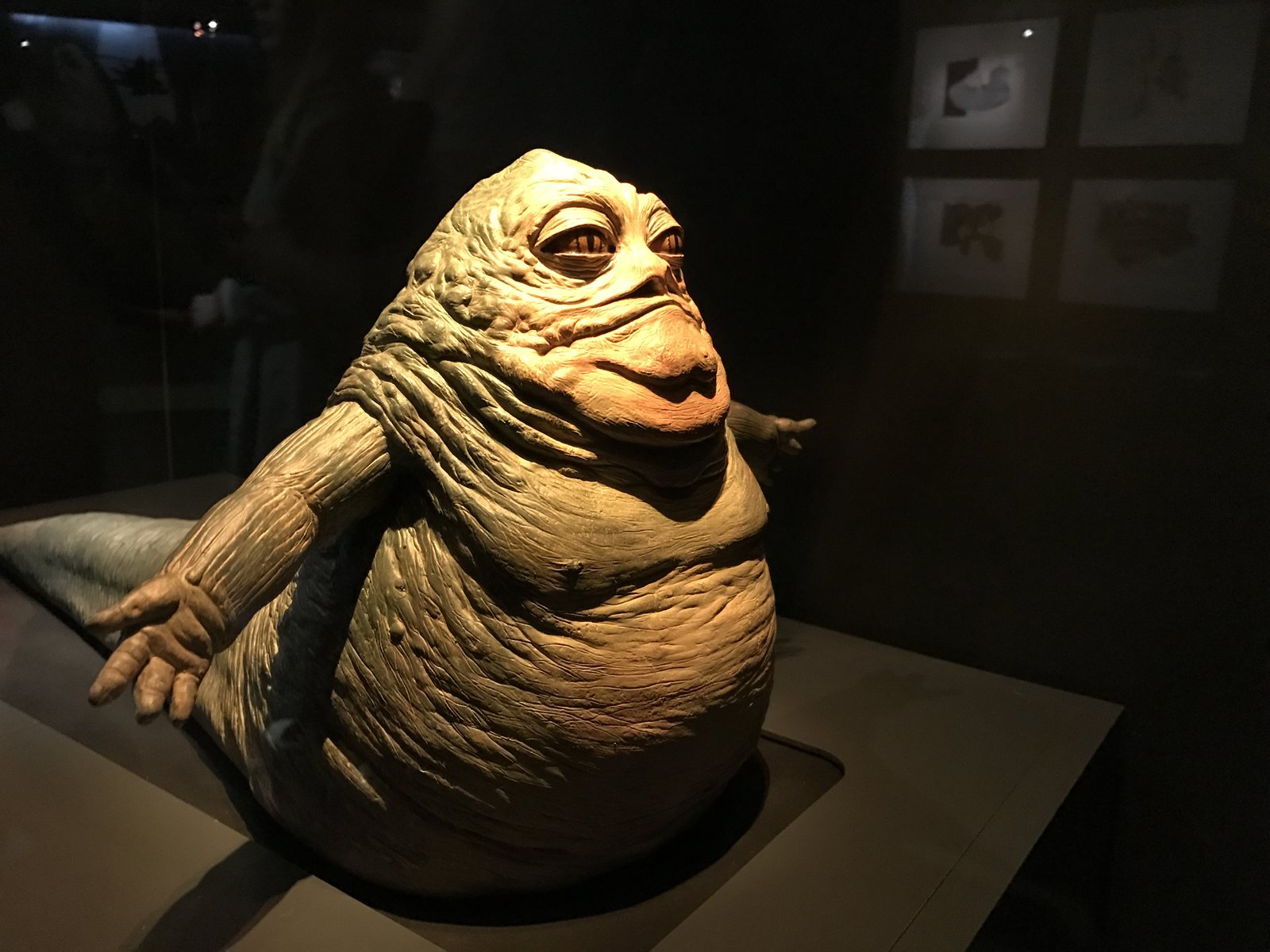
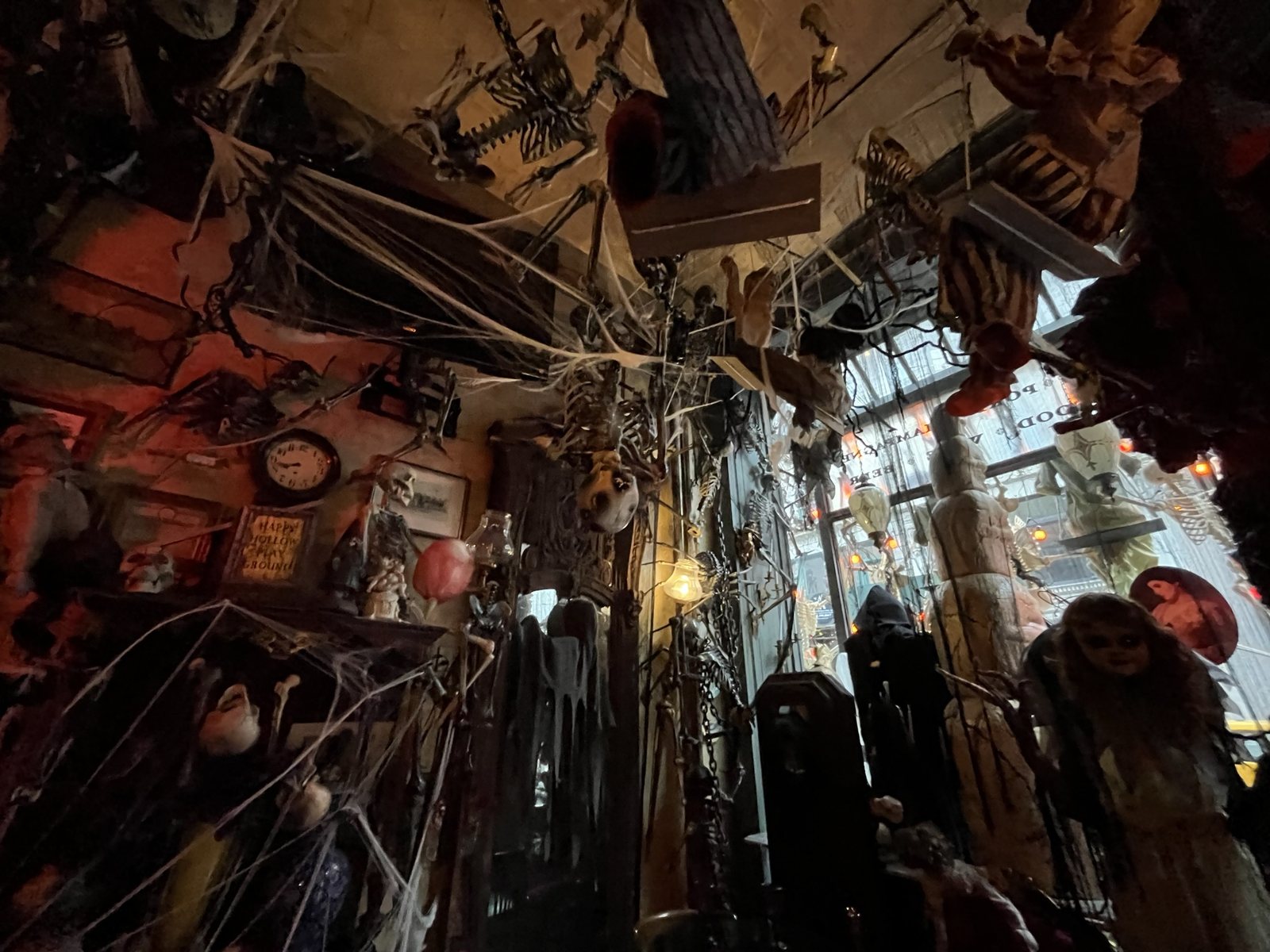
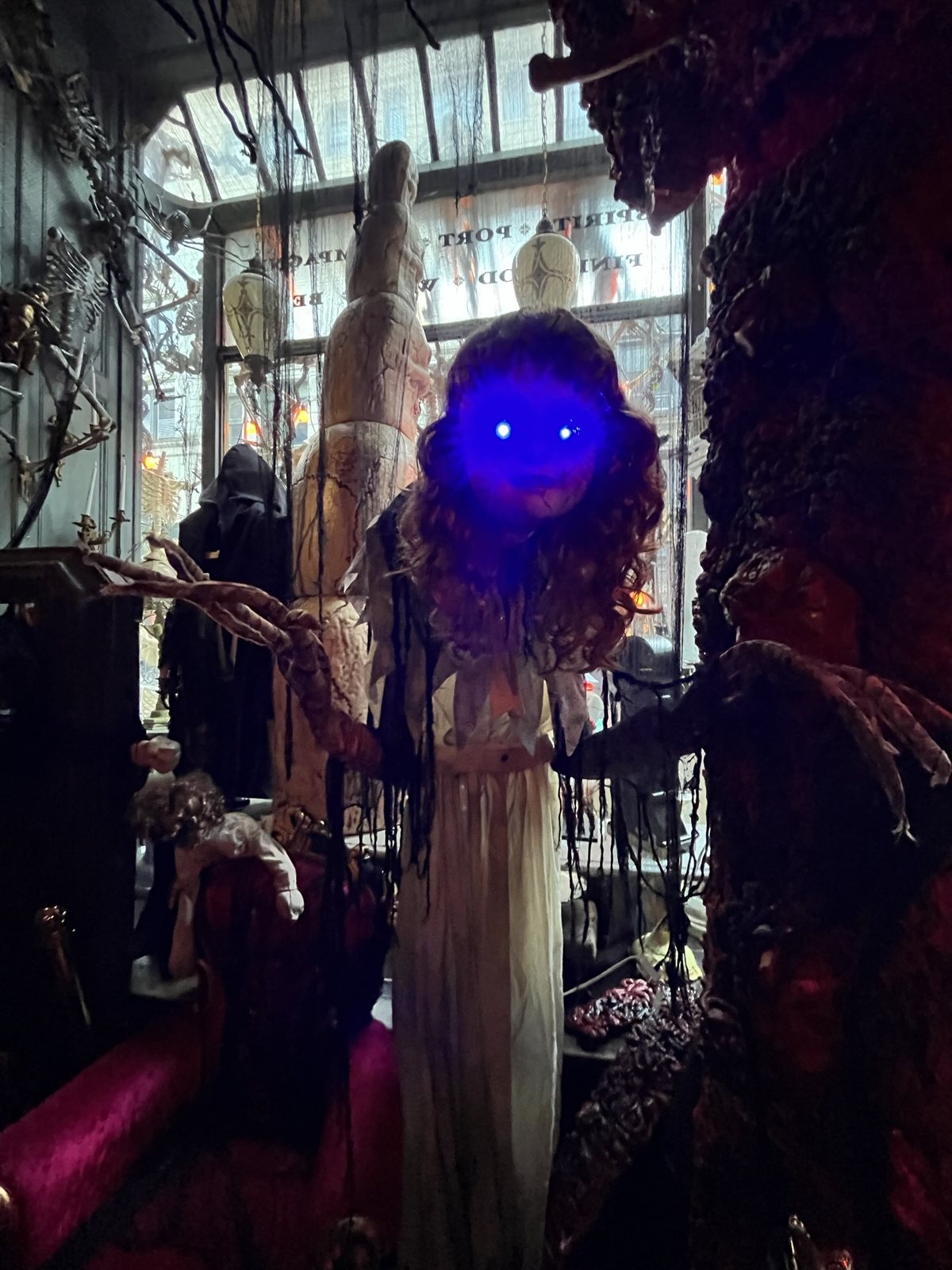
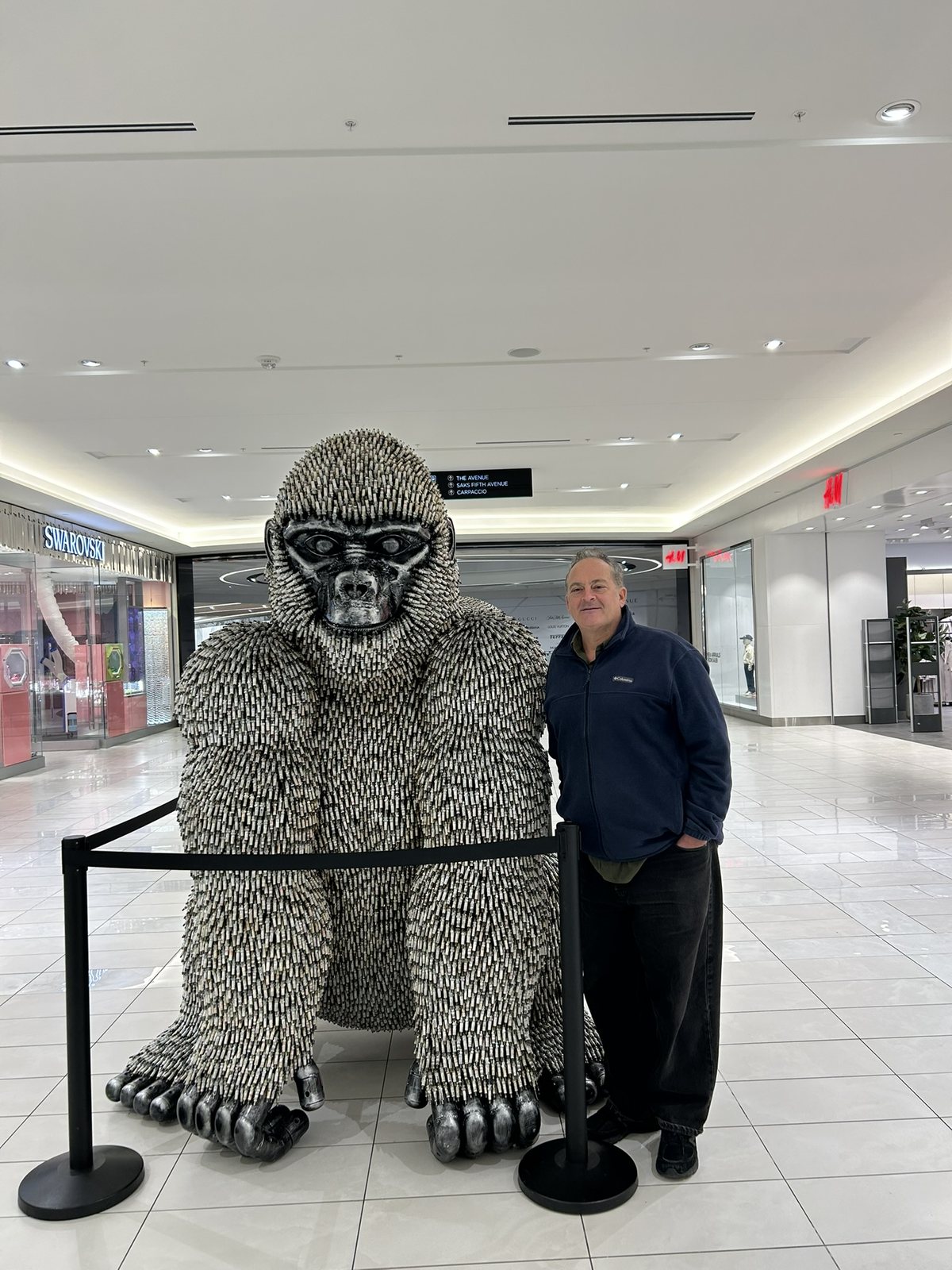
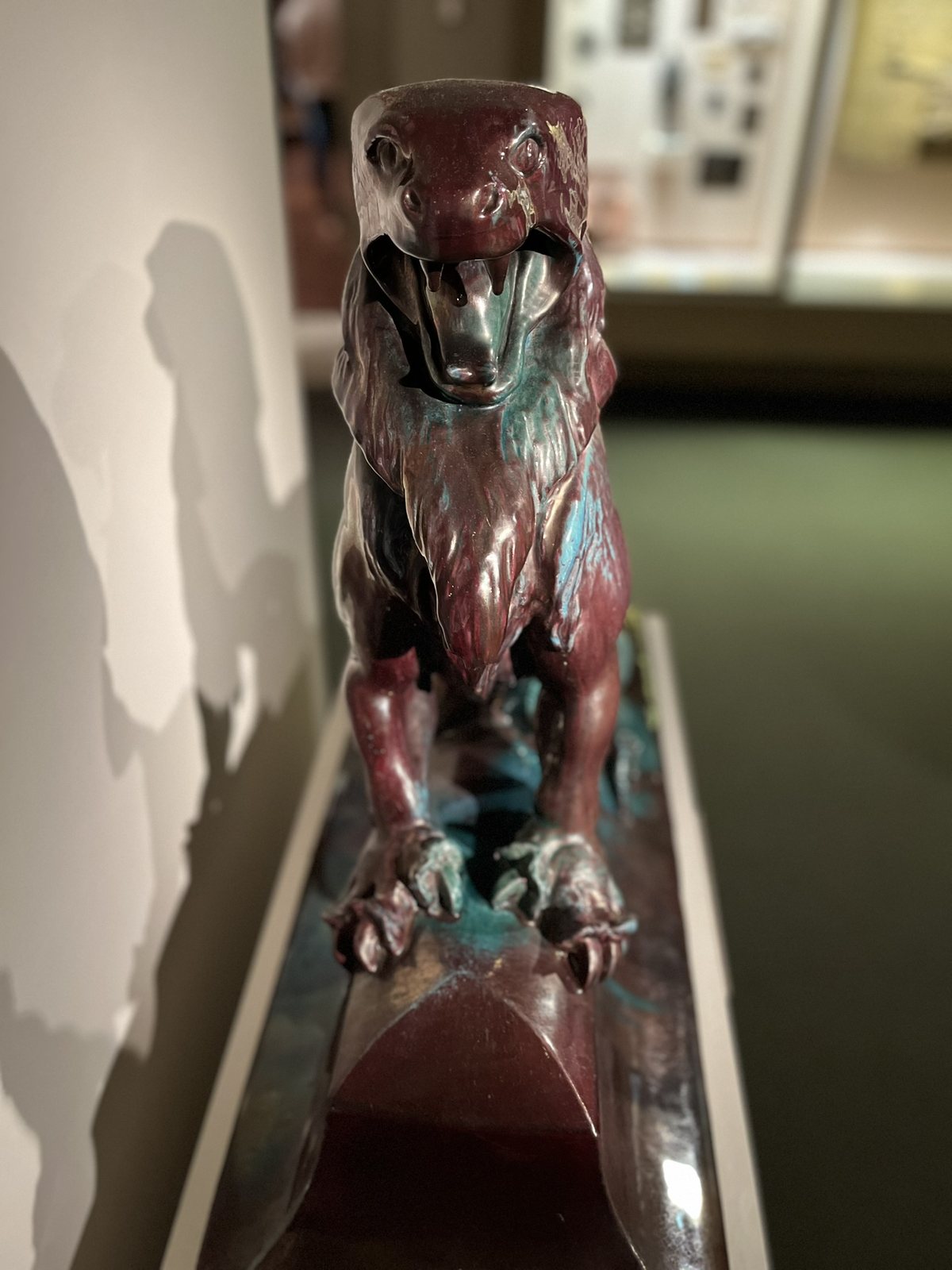
William Blake's Great Red DragonBrooklyn Museum, 2026An Aubrey Beardsley drawingThe Grolier Club, 2022Man with an owlA Chelsea gallery, 2023A vampire woman and her ravensFlatiron District, 2025Frog warriorsSouth Street Seaport, 2025A toad-ish blob creatureLondon, 2017A Halloween shop in full bloomUnion Square, 2023A ghost with glowing eyesUnion Square, 2023DiLo and a silver gorilla, sizing each other up2025A red creatureThe Metropolitan Museum of Art, 2024A sea serpent you can rideOrlando, 2026An octopus with a ship painting for companyNew Jersey, 2022
Show all 18 photos
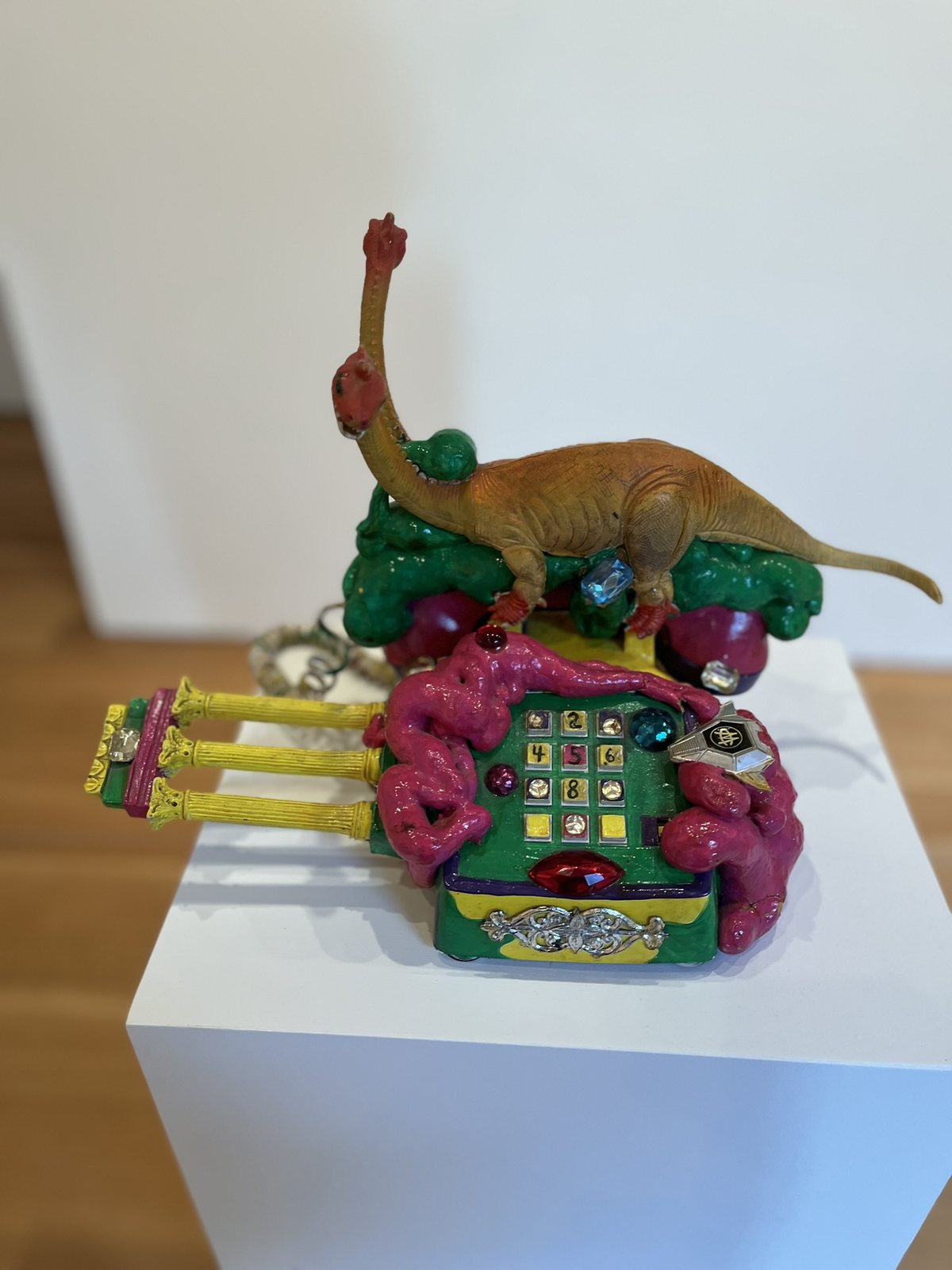
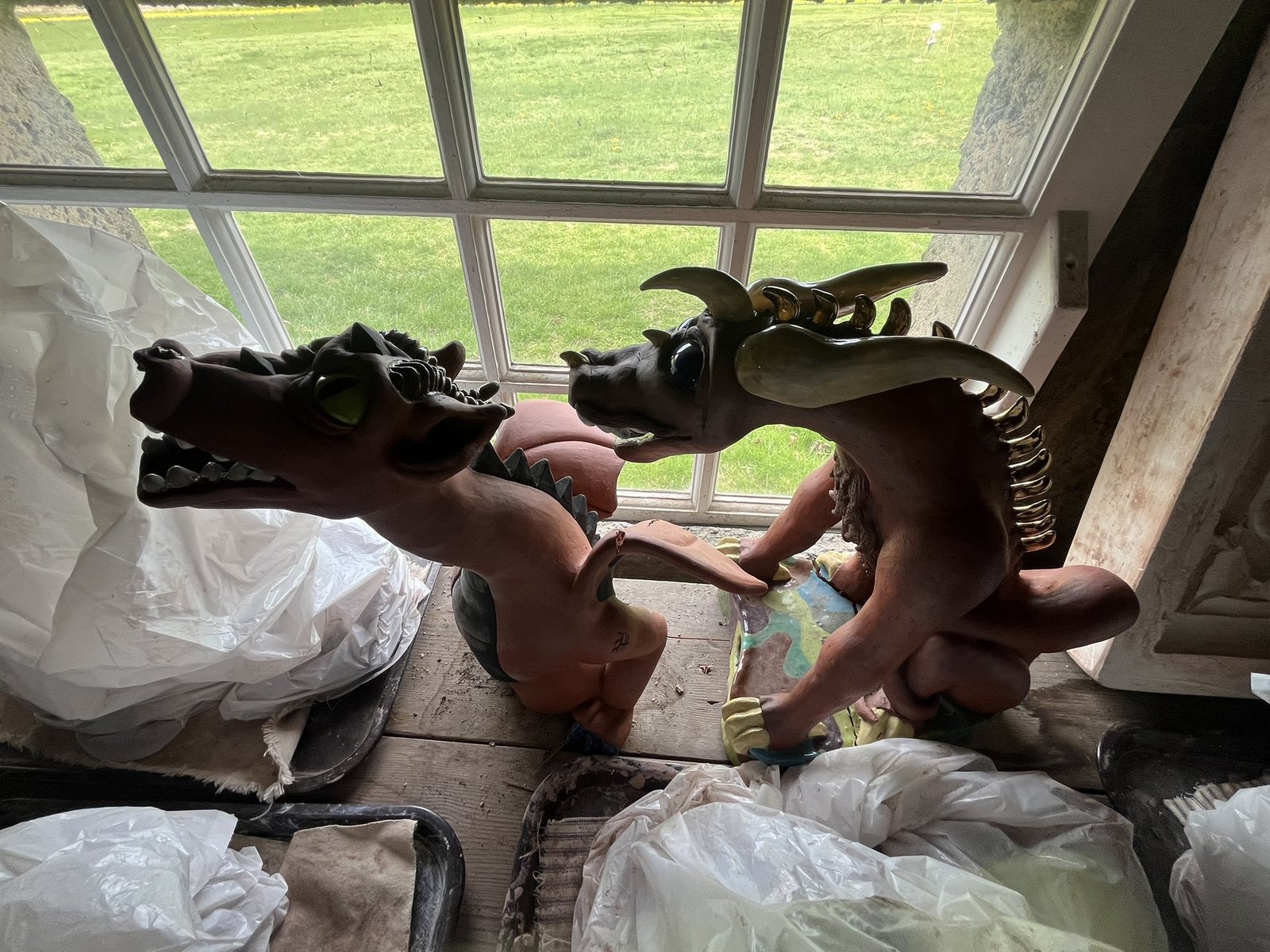
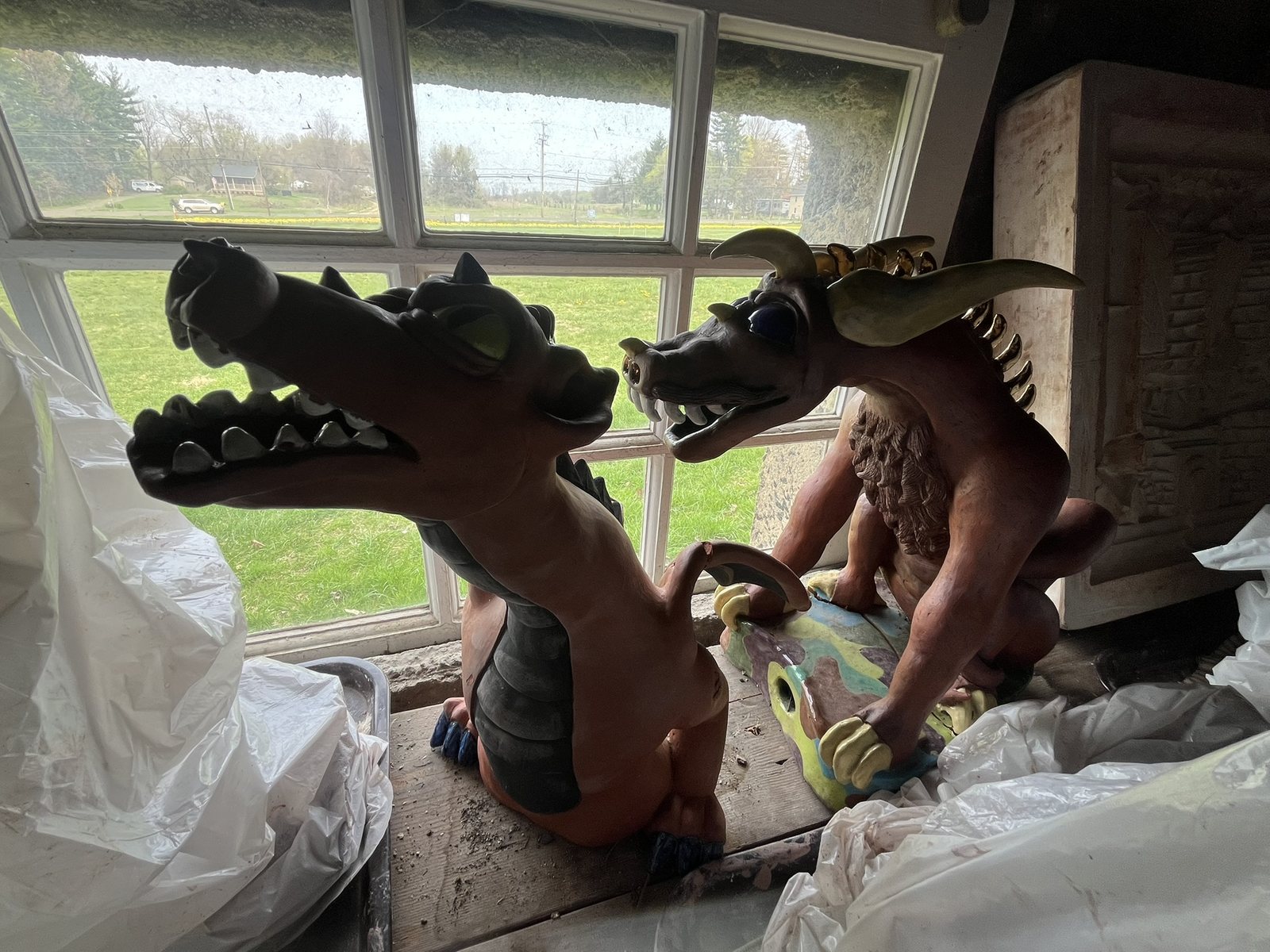
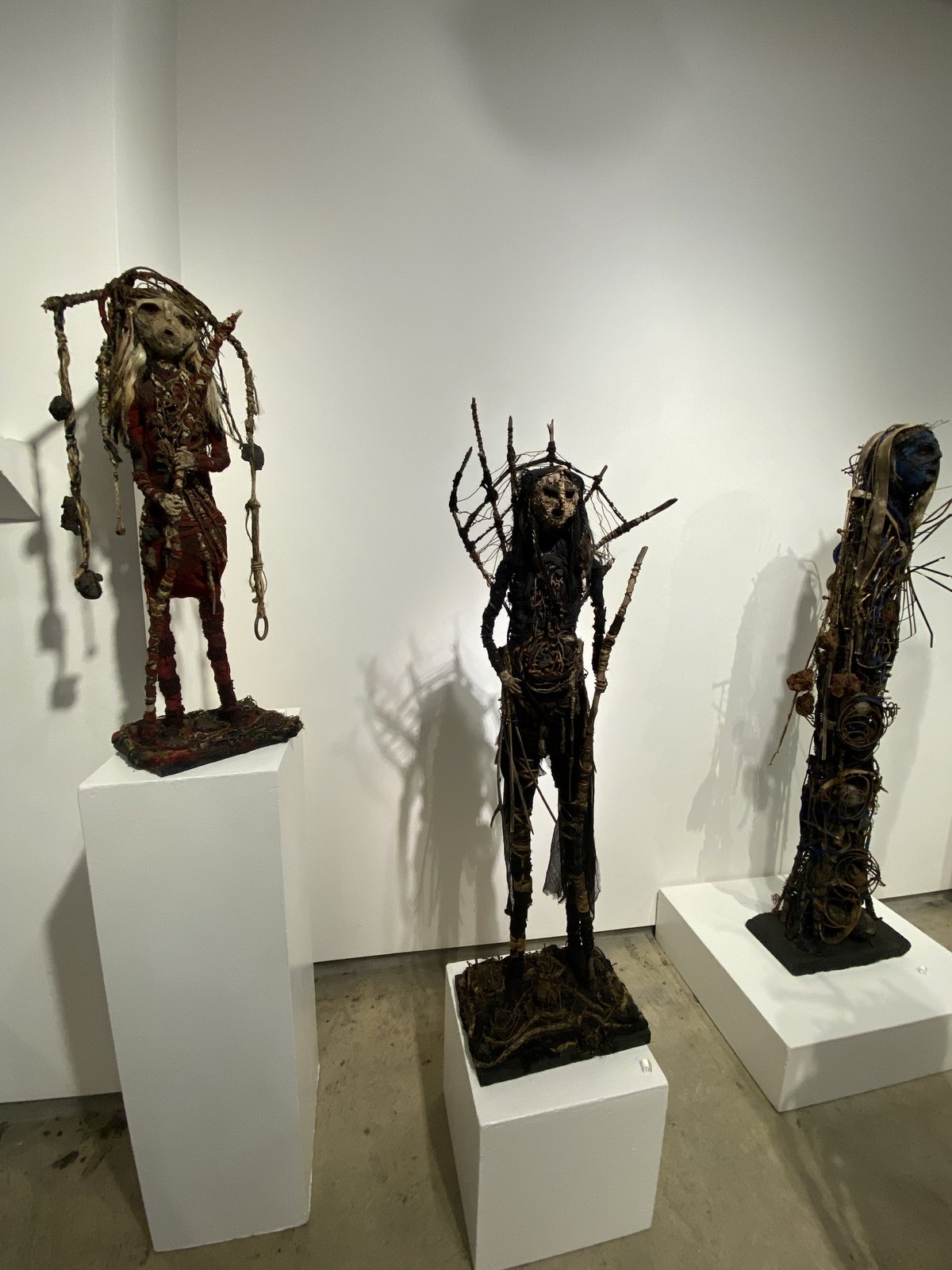
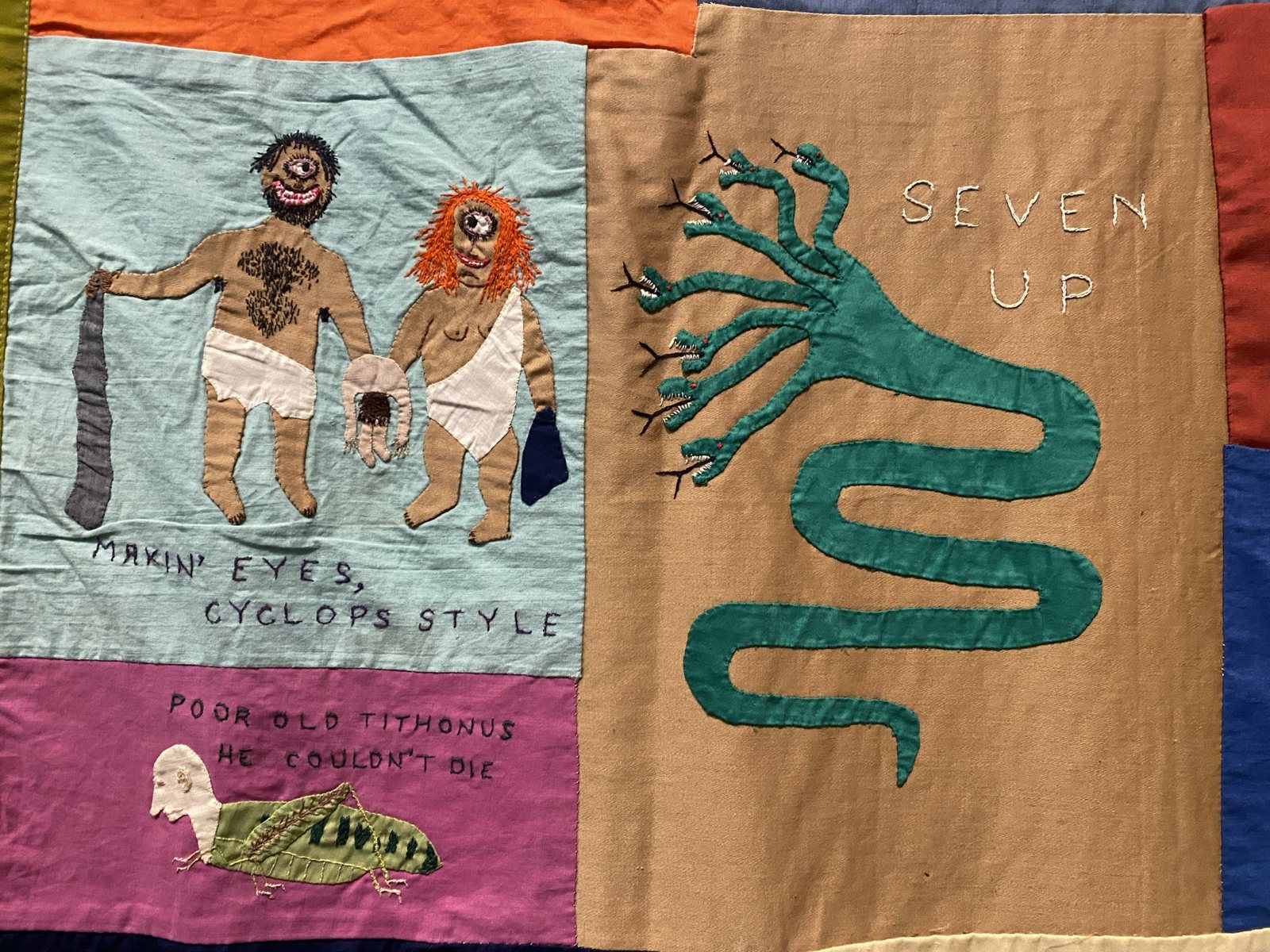
A dinosaur on a toyAn East Village gallery, 2025An owl in the woodsBruce Museum, Greenwich, 2024Dragon-headed figuresDoylestown, Pennsylvania, 2025Dragon-headed figures, another angleDoylestown, Pennsylvania, 2025Carved figuresA Chelsea gallery, 2023A Cyclops and a serpent — in a quiltAmerican Folk Art Museum, 2023
Photographs by DiLo. The artworks, objects and figures belong to their makers and to the museums, collections and shops that look after them — go and see them in person if you can.
 Cyclops (One-eyed giant)725 BCE
 Bat Lord (Tzinacantecuhtli)850 CE
 Arlanza Dragon1210
 The Many-Faced Demon1475
 Chimera (Lion-goat-serpent hybrid)700 BCE

 Selenites1901
 Saint George's Dragon1260
 Medusa (Snake-haired Gorgon)700 BCE


 Jersey Devil (Winged devil of the Pine Barrens)1735
 King Kong1933

 King Ghidorah1964
 Godzilla1954
 Kraken1752










 Naga (Divine serpent)400 BCE