Beast Paths · 2 of 4
The Harryhausen Touch
How one man with a camera and a box of models made the old myths walk.
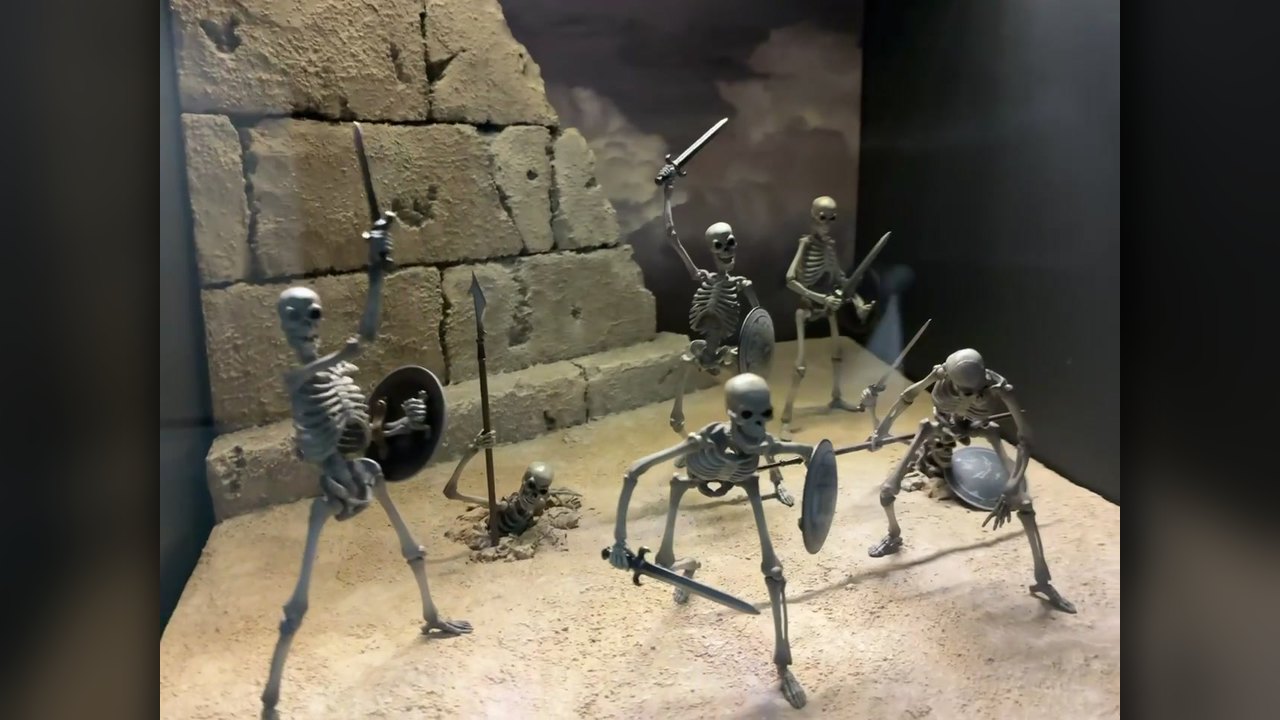
Before computers, if you wanted a monster on the screen you had two choices: put a man in a suit, or move a model a tiny bit at a time and shoot it one frame at a time. Ray Harryhausen chose the second, and for thirty years he was the best in the world at it. His creatures did not look real, exactly. They looked alive, which is better.
One Frame at a Time
Harryhausen was a boy in Los Angeles in 1933 when he saw King Kong, and he spent the rest of his life chasing that feeling. He built models in his garage, showed them to Kong's animator Willis O'Brien, and ended up as O'Brien's assistant. His first solo monster, The Beast from 20,000 Fathoms (1953), stomped through New York and helped start the whole 1950s giant-monster craze, including one in Japan (see Kaiju Country). A few years later his Ymir, in 20 Million Miles to Earth (1957), fought an elephant in Rome’s Colosseum.
The work itself was brutal. Film runs at 24 frames a second. For every frame, Harryhausen moved each model a fraction of an inch, took one picture, and moved it again. To set his creatures among real actors and real scenery, he projected the live footage behind and in front of the models and lined everything up by hand. He called the process Dynamation.
Frame by Frame
How one second of a stop-motion monster gets made. Repeat 24 times.
- PoseBend the model's armature a hair: an elbow, a jaw, the tip of a tail.
- MatchAdvance the live-action film one frame so the actors move on too.
- ShootExpose one frame. Don't breathe on the table.
- CheckDid a sword arm slip? Did the light change? Start that move again.
- Repeat23 more times for one second on screen. On a slow day, a dozen frames.
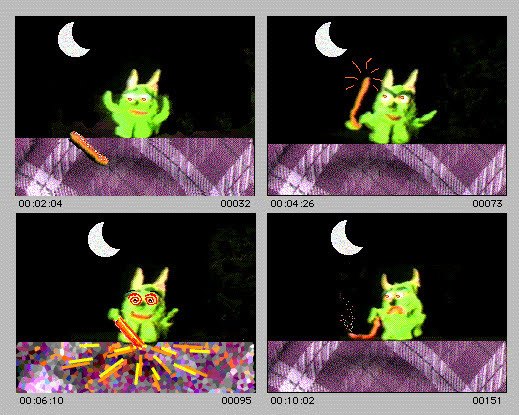
Anyone who has tried it at home knows the feeling: a first stop-motion film on Super 8 teaches patience fast.
The Myths Come to Life
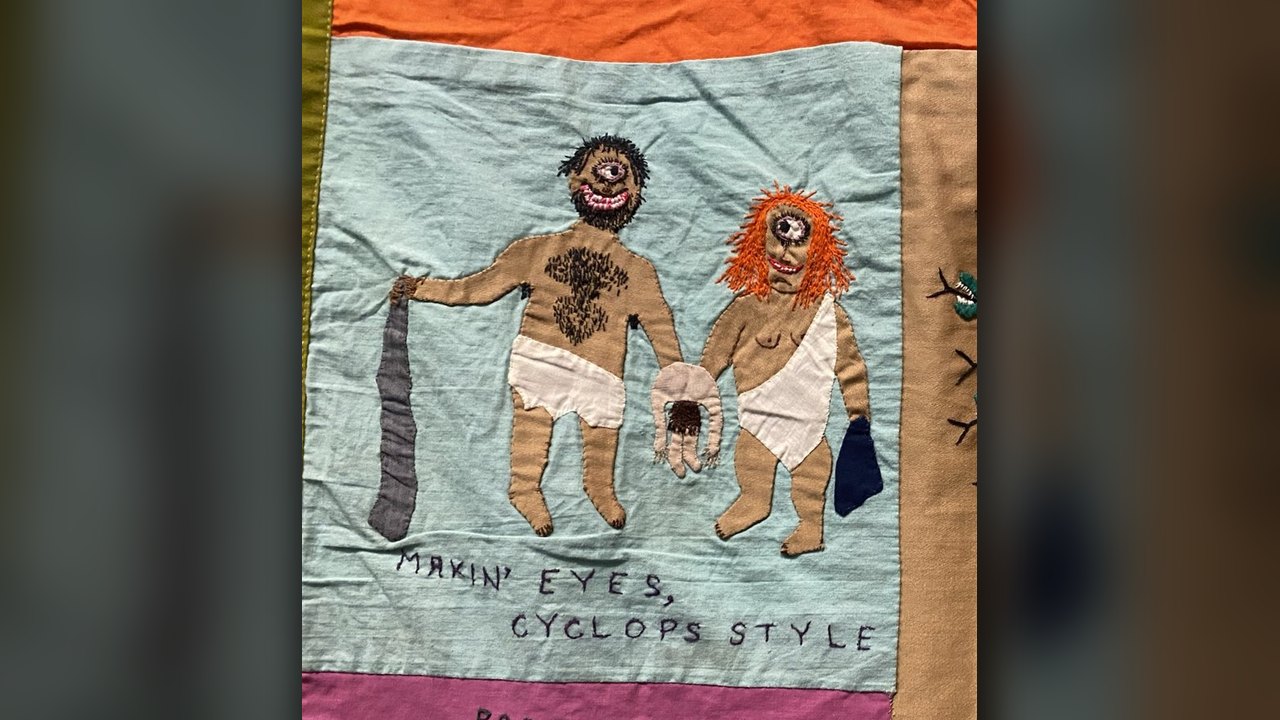
In 1958 Harryhausen made The 7th Voyage of Sinbad in color and turned to the oldest monsters of all. Its Cyclops came straight out of Homer, the same one-eyed giant who appears on the walls of Pompeii, but with goat legs, a single horn, and a temper you could hear. Children in 1958 went home and dreamed about him.
Then came Jason and the Argonauts (1963). It has the bronze giant Talos, a walking statue and the great-grandfather of every robot, the seven-headed Hydra, and the scene everyone remembers: Jason and two sailors fighting seven skeletons that grow from the Hydra's teeth. Seven skeletons, each with arms, legs and a sword to move in every frame, all matched to real actors swinging at thin air. It took about four and a half months to animate a scene that lasts about three minutes.
The skeletons are why I love this stuff. They aren't scary because they're realistic. They're scary because you can feel somebody's hands moved every one of them.DiLo
The Last Titans
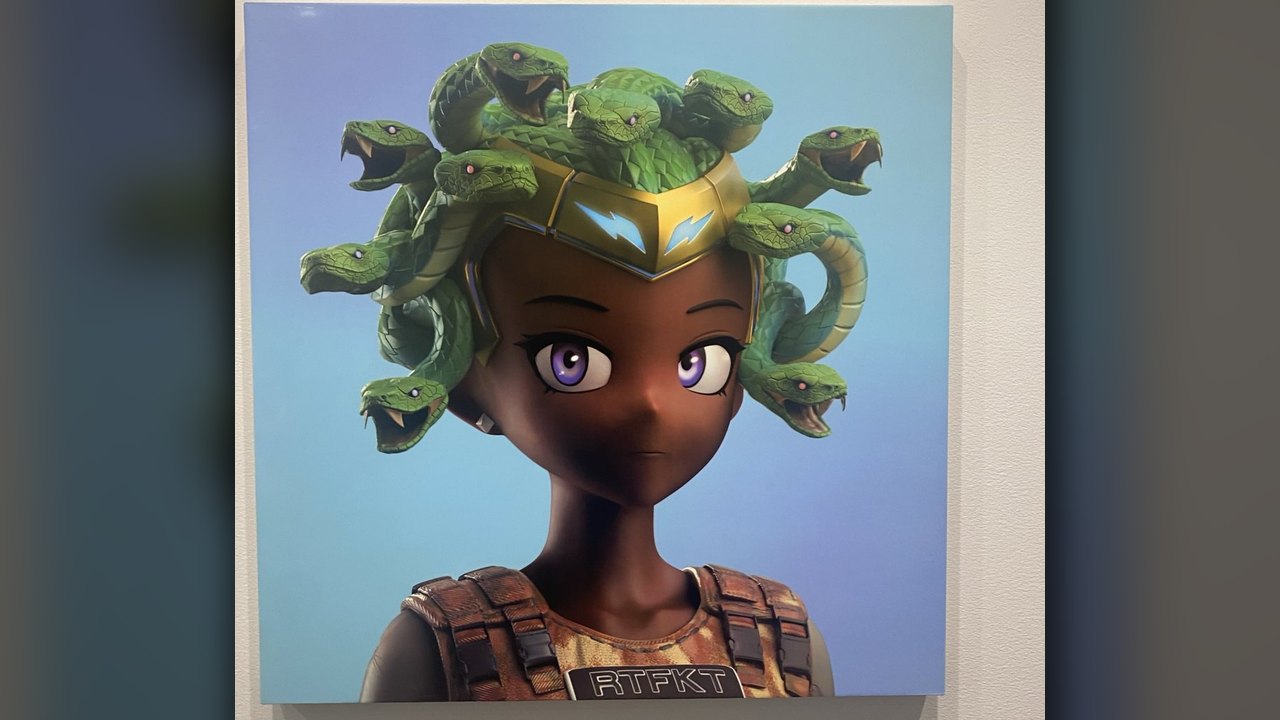
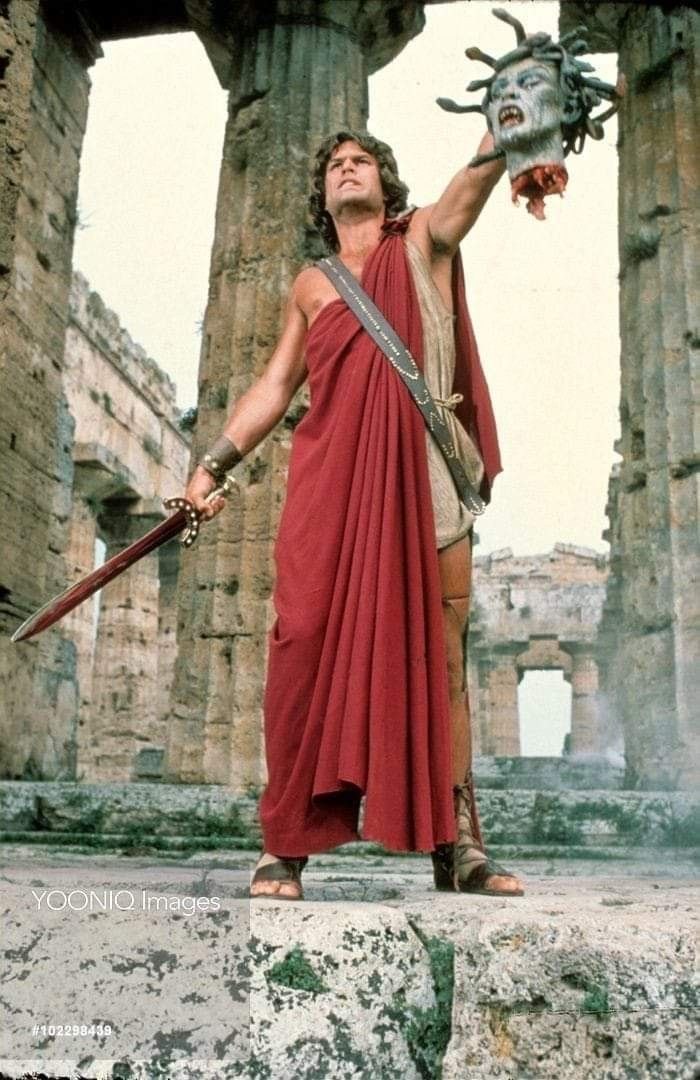
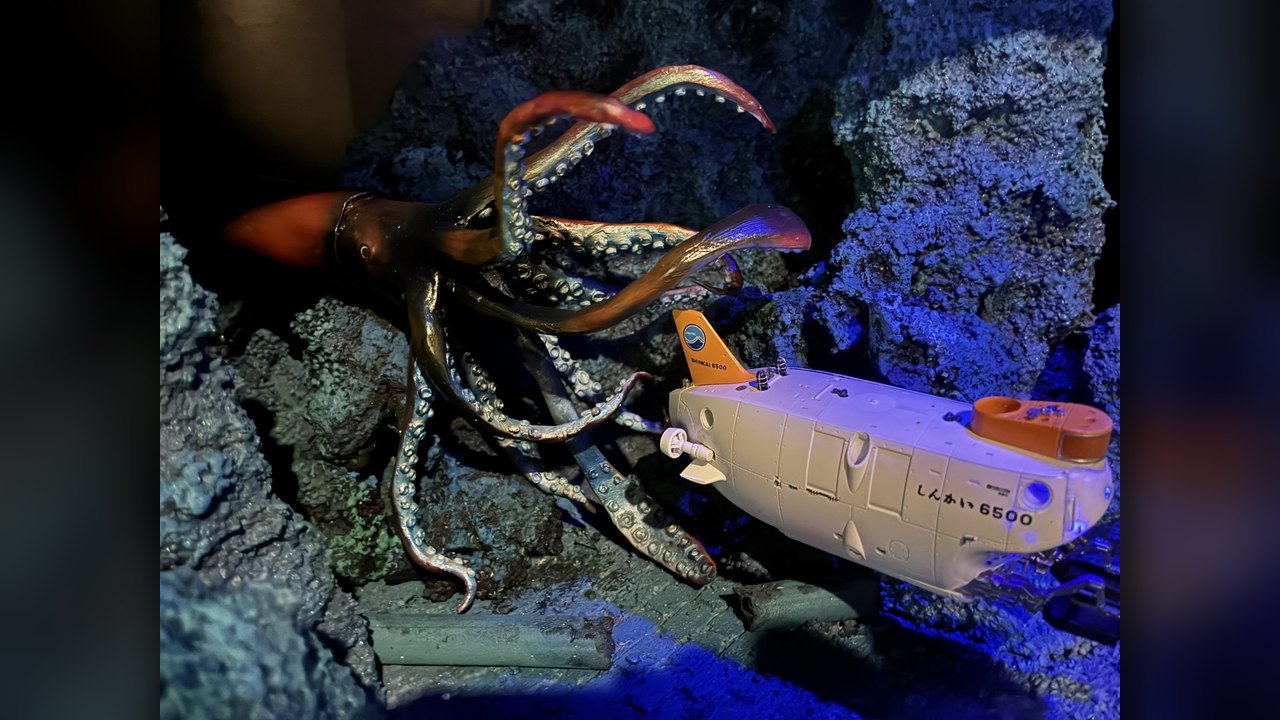
Harryhausen's last feature was Clash of the Titans (1981). Its Medusa slithers through a dark temple lit only by firelight, her snake hair moving in every frame, and she is still one of the creepiest things he ever made. The film ends with the Kraken rising out of the sea. (DiLo has been sailing since, and reports no Kraken.) A few years later, computer effects took over, and the handmade monster started to disappear.
Why It Still Works
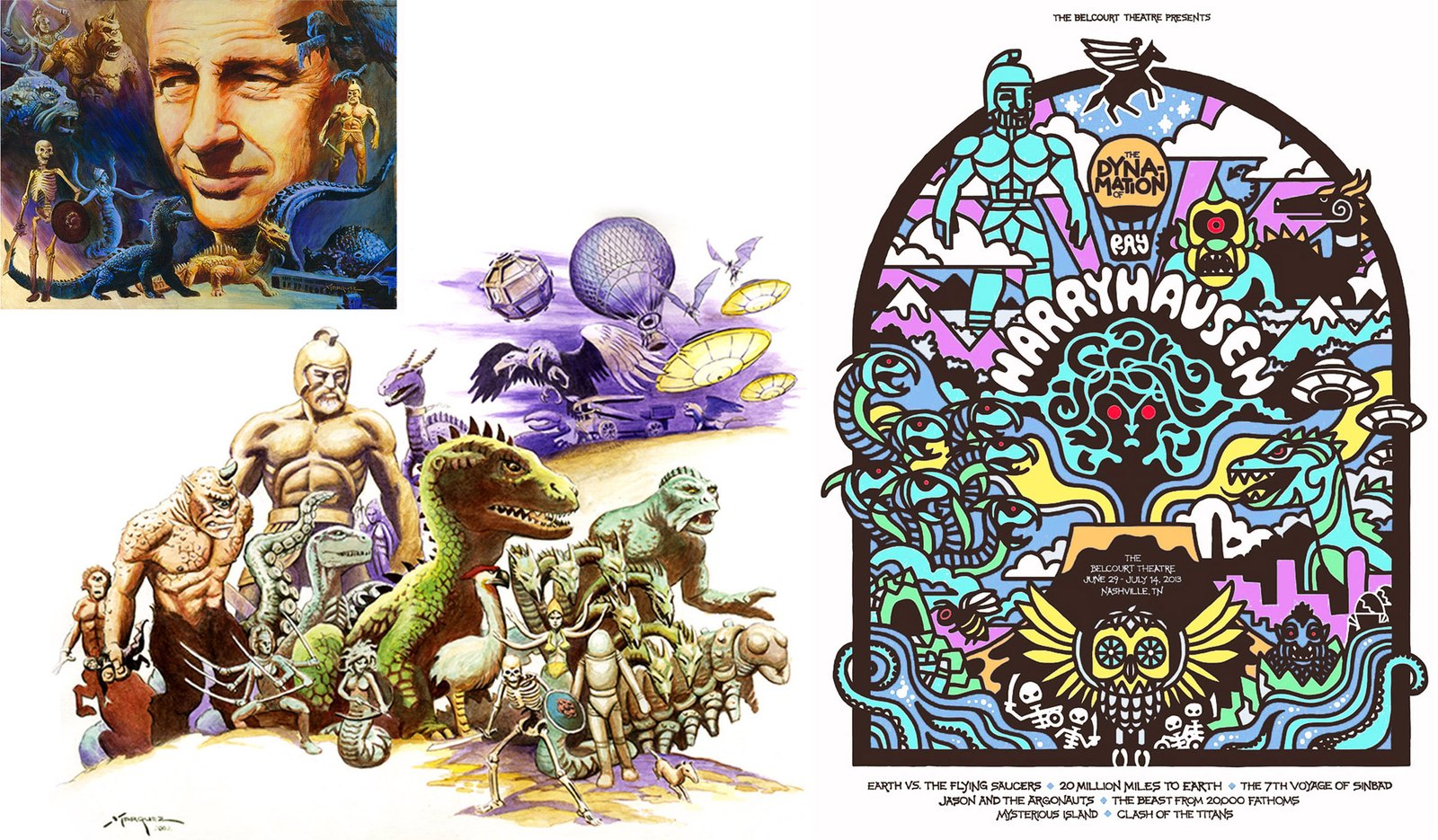
Stop motion has a slight jitter, a tiny hitch in every movement, because nothing in it moves on its own. Harryhausen never tried to hide it. It made his creatures feel like they came from somewhere else, which is exactly where myths come from. Filmmakers from Spielberg to Peter Jackson to Tim Burton have said they started because of him.
The handmade monster had other champions. Rankin/Bass gathered every famous fiend into one castle for the stop-motion Mad Monster Party? (1967), with Boris Karloff’s voice (see Monster Fiends’ Artifacts). And the arcade borrowed from Harryhausen directly: Sega’s Altered Beast (1988) was drawn by a designer raised on his films, and Williams’s Trog (1990) used clay-animated cavemen.
And the old myths he loved now look the way he showed them. Ask someone to picture a sword-fighting skeleton or a goat-legged Cyclops, and they are picturing a Ray Harryhausen model, whether they know his name or not.
More Beast Paths
- Guardians at the GateWhy people have always put monsters at the door.
- The Harryhausen TouchYou are here.
- Kaiju CountryWhy Japan built the giant monster, and why it never stopped.
- From Monster to MascotHow the creatures people feared turned into the ones they cheer for.