Beast Paths · 4 of 4
From Monster to Mascot
How the creatures people feared turned into the ones they cheer for.
A monster's first job was to frighten people. Somewhere along the way it picked up a second job: bringing them luck. Today some of the most famous creatures in the world are big, fuzzy and friendly, and they spend their evenings dancing on the dugout roof. This is the strangest path on the site: how the beast went from the edge of the map to the middle of the stadium.
A Word for Good Luck
"Mascot" comes from the French mascotte, a lucky charm, from an old southern French word linked to witches. It reached English through a hit French operetta of 1880, La Mascotte, about a farm girl who brings good luck to whoever keeps her. The first sports mascots were exactly that kind of charm: a lucky dog, a goat, a team's favorite kid. They didn't dance. They just had to be there.
The Devil Gets a Jersey
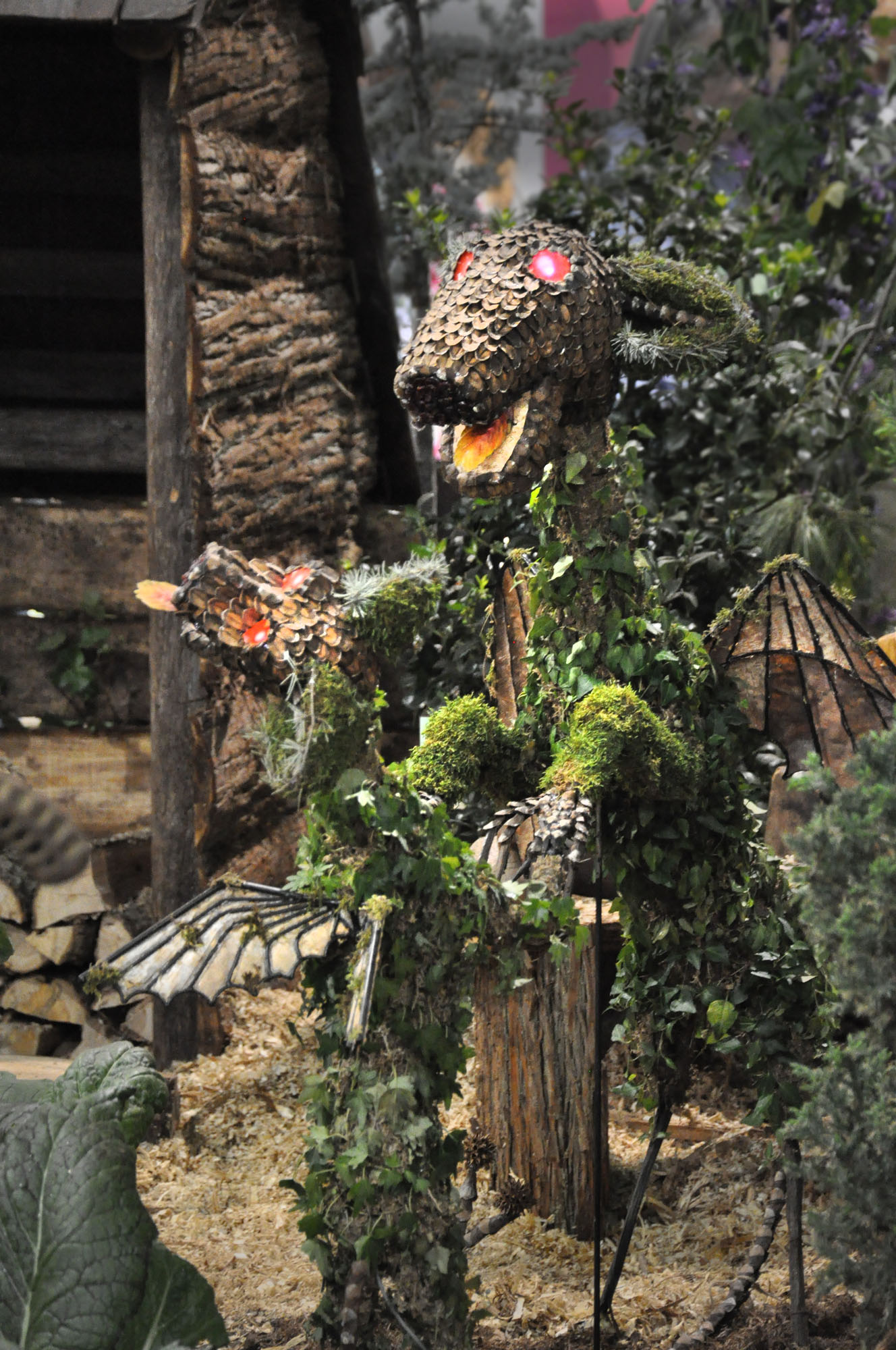
New Jersey has its own monster. The story says that in 1735, in the Pine Barrens, a Mrs. Leeds had her thirteenth child, and it turned into a winged, horned, hoofed thing and flew up the chimney. For two hundred years people reported sightings, and in January 1909 a week of panic closed schools and mills across South Jersey.
Then something funny happened. When the state got its own hockey team in 1982, it was named the New Jersey Devils. The creature that had frightened the Pine Barrens for two centuries became the name on the jersey. That is the whole path in one step: the thing you were afraid of becomes the thing you root for.
Every good mascot is a monster with the edges sanded off. You can still see the teeth if you look.DiLo
The Costumed Era
The big change came when mascots got bodies of their own. The New York Mets introduced Mr. Met, a man with a giant baseball for a head, in the 1960s. He is one of the first live costumed mascots in baseball, and Mets fans still treat him as family.
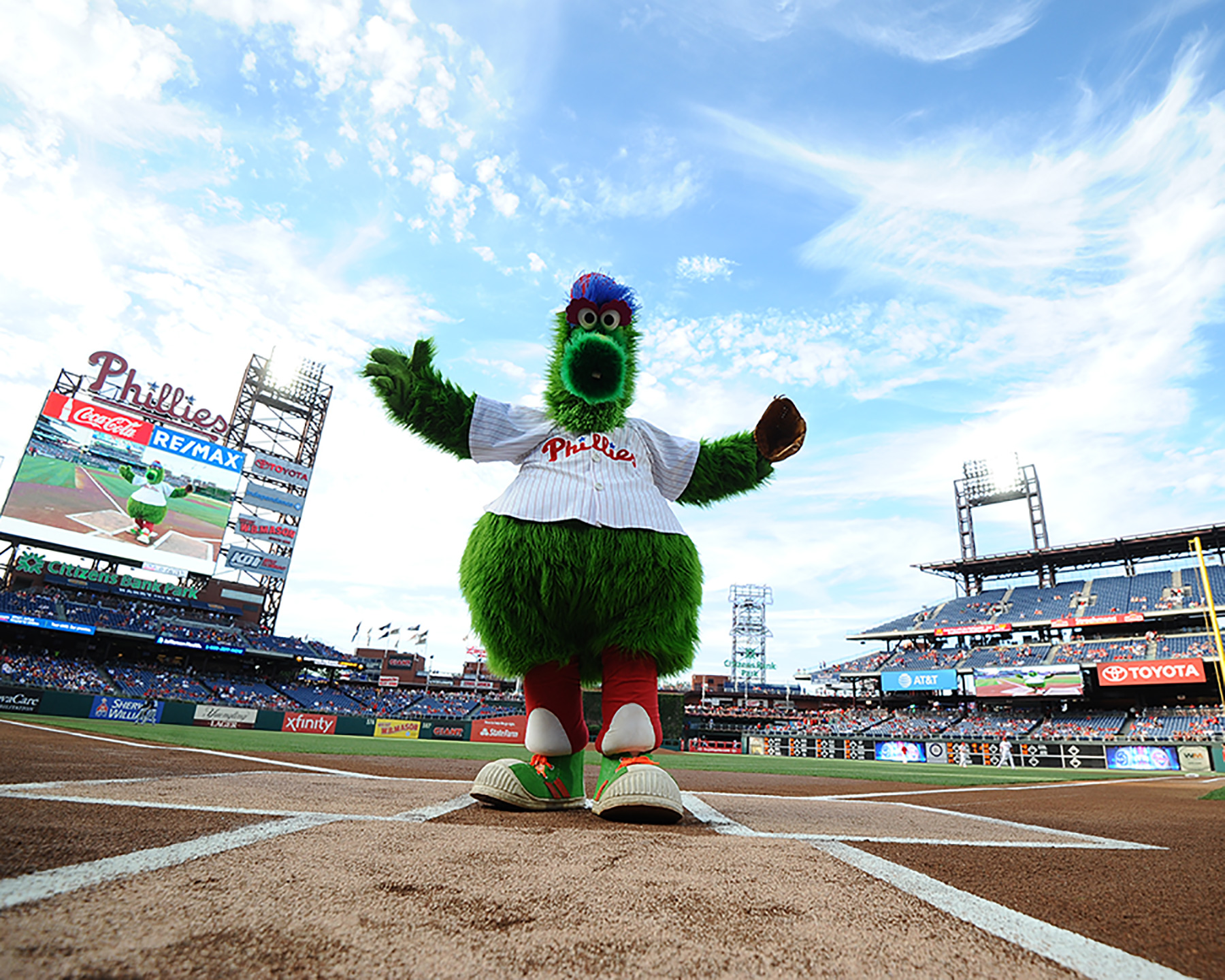
Then, in 1978, the Philadelphia Phillies unveiled the Phillie Phanatic: a green, pear-shaped, big-nosed creature said to come from the Galapagos Islands. He was designed by Bonnie Erickson, who had worked with Jim Henson’s Muppets, and it shows. The Phanatic is a monster built by the same hands that built Miss Piggy. He teases umpires, dances on dugouts and sprays fans with a hot-dog launcher, and he made every team want a creature of its own.
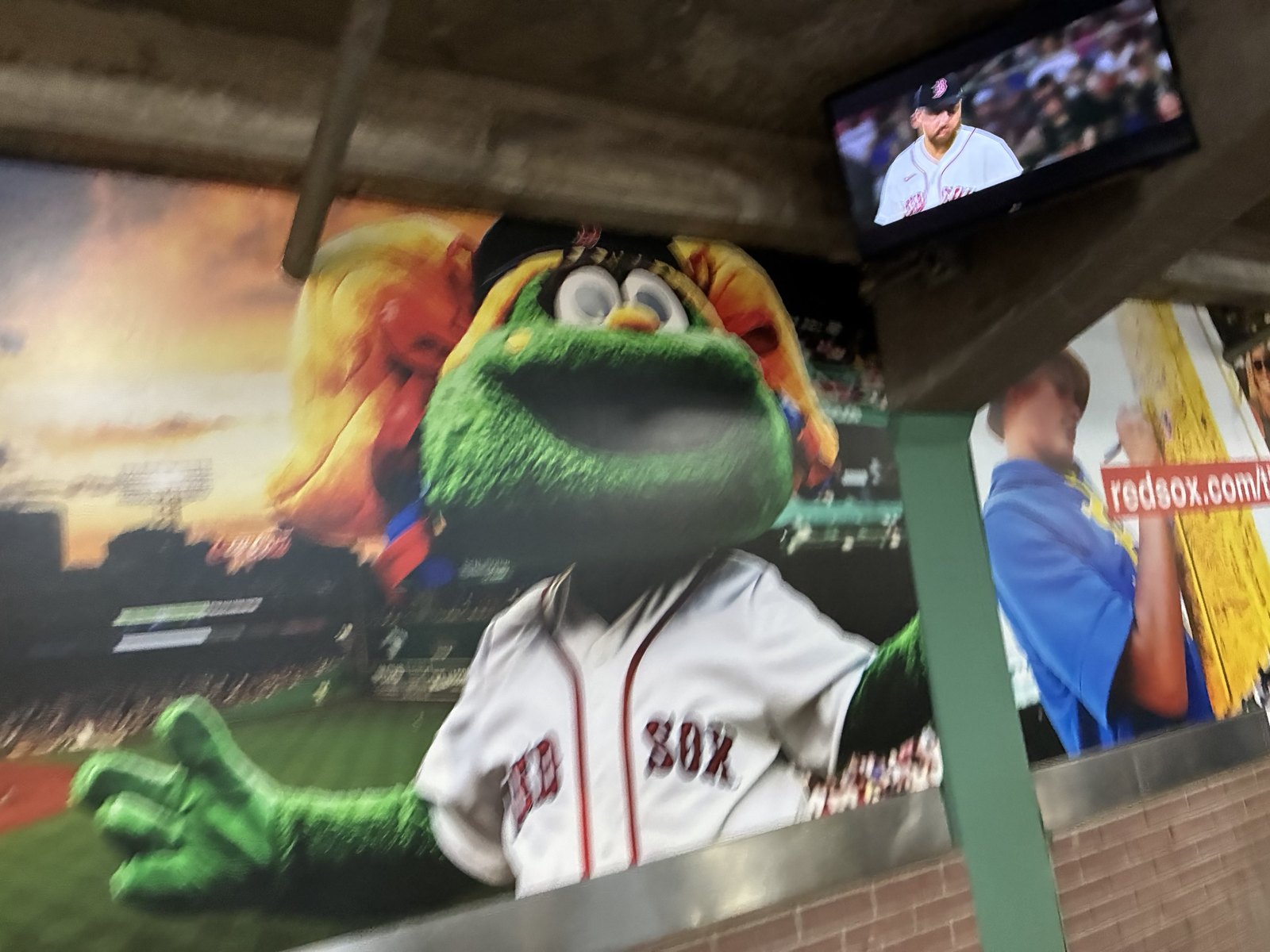
Boston followed in 1997. Wally the Green Monster is named for Fenway Park’s famous left-field wall, and the story goes that he lived inside it for decades before climbing out to meet the fans. Big, green, furry and harmless: a Pine Barrens devil would not recognize him.
Sixty Years of World Cup Mascots
Soccer's biggest tournament got its first mascot in 1966, when England hosted the World Cup. World Cup Willie was a cartoon lion in a Union Jack shirt, drawn by a children's book illustrator, Reg Hoye. Lions had guarded doorways for thousands of years (see Guardians at the Gate). Now one was guarding a football.
Every World Cup since has had a mascot, and they make a strange family album: a boy in a sombrero, an orange, a stick figure made of building blocks, a cockerel, an armadillo, and in 2026, three animals for three host countries.
The Mascot Family Tree
Sixty years of World Cup mascots, from one lion to three animals.
- 1966World Cup WillieEngland · a lion
- 1970JuanitoMexico · a boy in a sombrero
- 1974Tip & TapWest Germany · two boys
- 1978GauchitoArgentina · a gaucho boy
- 1982NaranjitoSpain · an orange
- 1986PiqueMexico · a jalapeño
- 1990CiaoItaly · a stick figure, no face
- 1994StrikerUSA · a dog
- 1998FootixFrance · a cockerel
- 2002Ato, Kaz & NikKorea/Japan · three space creatures
- 2006Goleo VIGermany · a lion again
- 2010ZakumiSouth Africa · a leopard
- 2014FulecoBrazil · an armadillo
- 2018ZabivakaRussia · a wolf
- 2022La’eebQatar · a flying headdress
- 2026Maple, Zayu & ClutchCanada, Mexico, USA · a moose, a jaguar, an eagle
All of them, plus the Phanatic and Mr. Met, share one card: Mascots.
Monsters on Parade
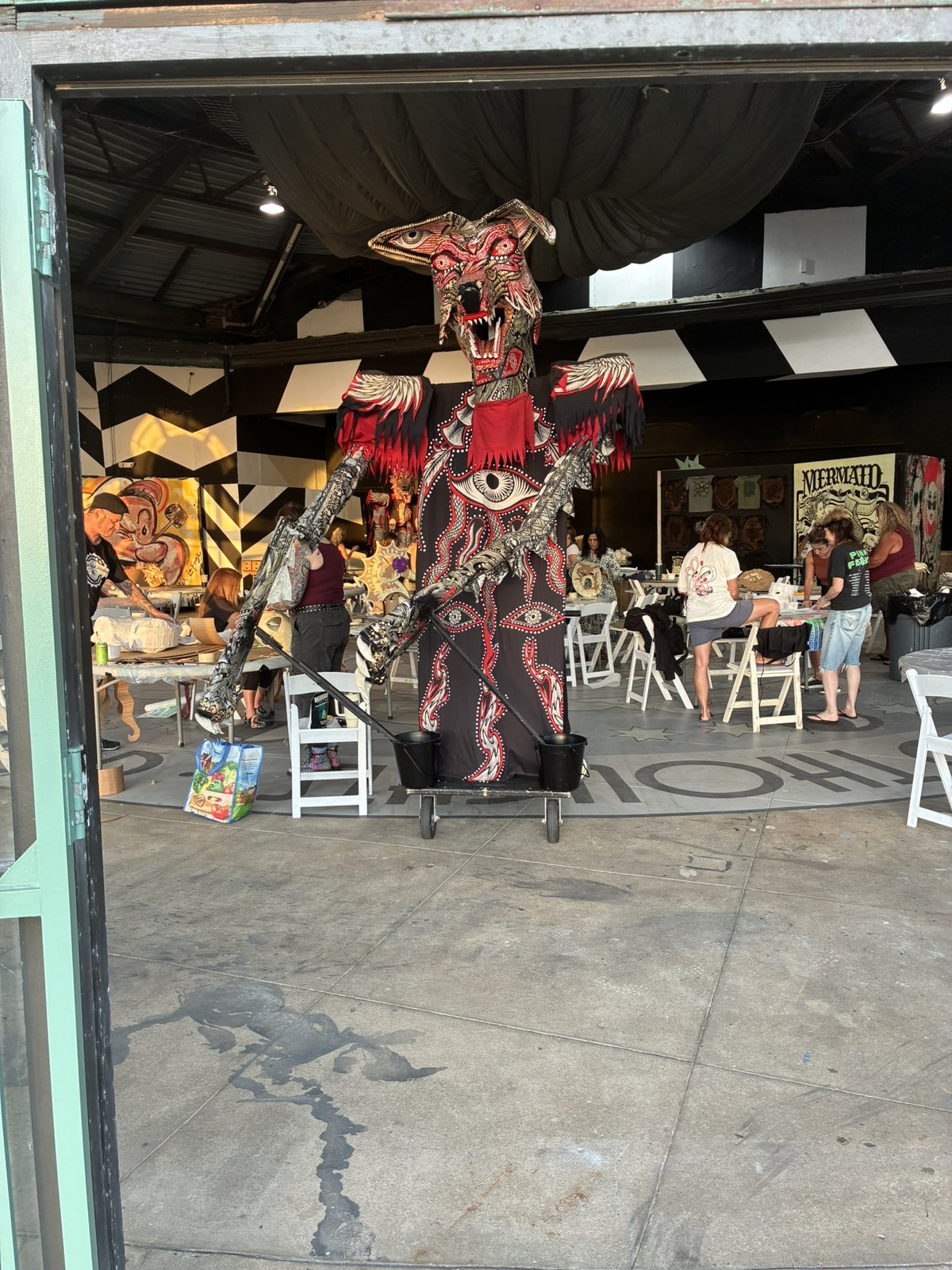
The mascot is the friendly monster you can meet. Its cousin is the parade monster: the float, the giant puppet, the costume. On the boardwalk at Asbury Park, skull totems and tentacled heads roll by in the sun. At the Halloween parade, King Kong and Godzilla fight in the street while the crowd cheers (see the Field Journal's Costumed Creature Battle).
That is where the long path ends up. The beasts that once guarded tombs and haunted the Pine Barrens now march, dance and pose for photos. They are still monsters. We just decided to like them.
More Beast Paths
- Guardians at the GateWhy people have always put monsters at the door.
- The Harryhausen TouchHow one man with a camera and a box of models made the old myths walk.
- Kaiju CountryWhy Japan built the giant monster, and why it never stopped.
- From Monster to MascotYou are here.