Stooge Paths · 1 of 4
In Defense of Shemp
Not a replacement Curly, but the original third Stooge returning with an older, twitchier rhythm.
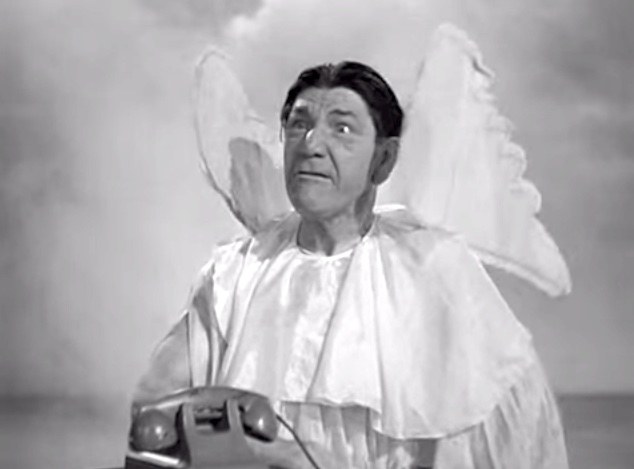
Every Stooges fan knows the argument. Somebody says "Curly," somebody else says "Shemp," and the room splits like a pie on impact. Shemp usually loses, because he is remembered as the man who filled in. That gets the story backwards. Shemp Howard was the third Stooge before there was a Curly. He left, built a career of his own, and came home when the act needed saving.
The First Third Stooge
He was born Samuel Horwitz in 1895 in Brooklyn, the third of five brothers. "Shemp" was how their mother's accent bent "Sam," and the name stuck for life. In the mid-1920s he joined his younger brother Moe as a heckler and stooge in Ted Healy's rough vaudeville act, taking slaps from Healy on stage. Larry Fine came aboard soon after, and the shape of the Stooges was set: Moe in charge, Larry in the middle, and Shemp jumping at every noise.
The Solo Years
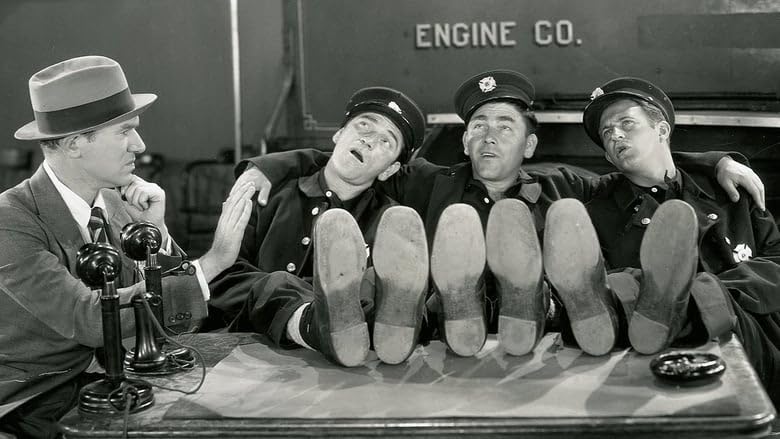
In 1932 Shemp walked out. Healy was cruel to him off stage as well as on, and the billing and the money never came out right. Healy was also not above mocking Shemp's many fears. So Shemp went to work at Vitaphone in Brooklyn, where he made short comedies under his own name. He played the fight manager Knobby Walsh in the Joe Palooka shorts (Pugs and Kisses), and he shared the screen with a young James Stewart in Art Trouble, Stewart's first film.
Then came Hollywood, and a long run as the guy you remember from the edge of the frame. He tends bar for W.C. Fields in The Bank Dick and cooks for Abbott and Costello in Buck Privates, and turns up again in their haunted-house comedy Hold That Ghost. Seven years later Bud and Lou were trading screams with Frankenstein, and in 1998 giant balloons of the pair "towed" a whole Times Square theater down 42nd Street (see the Empire Theatre story). Back east, his kid brother Jerome shaved his head, took the third chair, and became Curly.
Here's my case in one line: Shemp is the only Stooge who left, made a name without the act, and came back. That isn't a substitute. That's a founding member coming home.DiLo
The Call Home
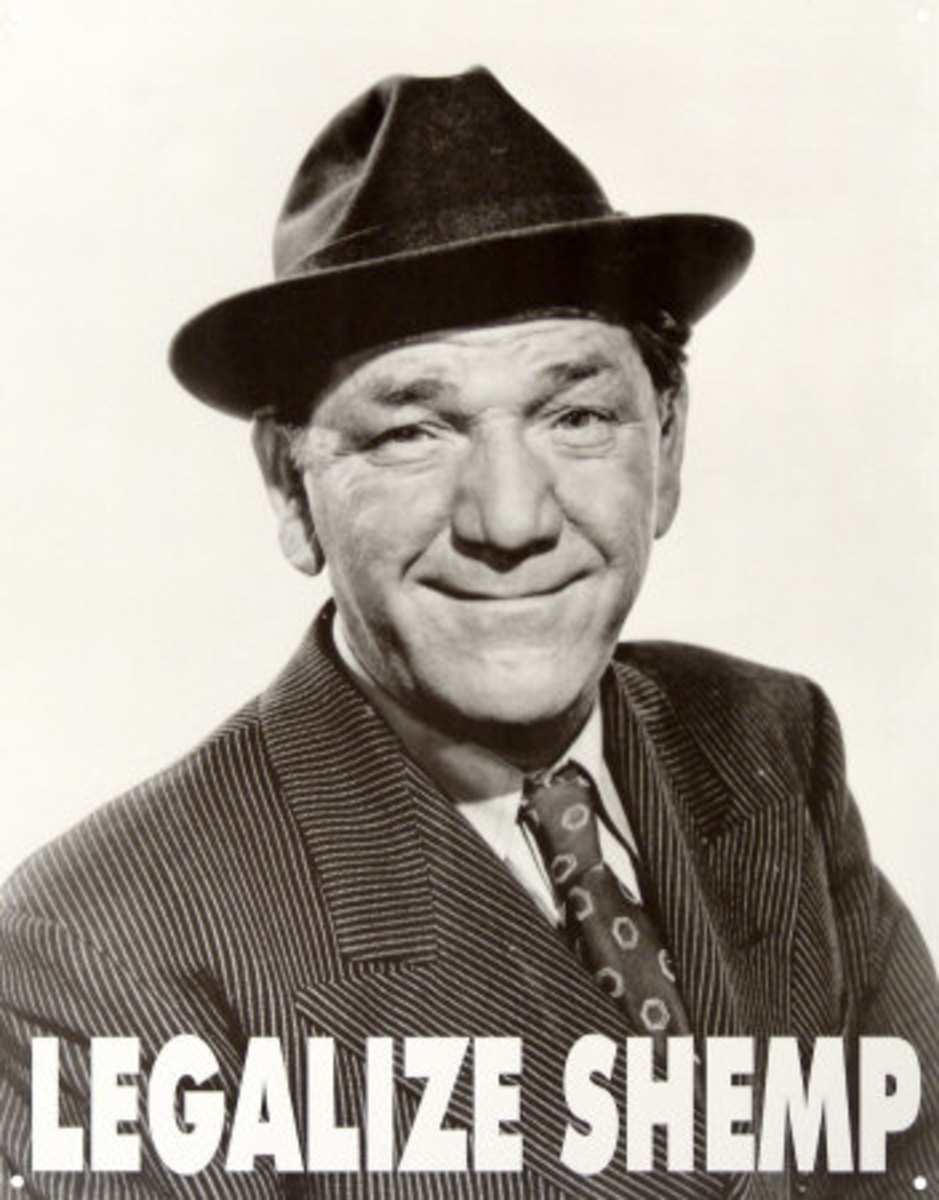
On May 6, 1946, Curly had a stroke while the team was making Half-Wits Holiday. The act lost its center overnight. Shemp agreed to step back in, only until Curly got better. Curly never did, and Shemp stayed for the rest of his life.
He was back in front of the Columbia cameras within a month. Fright Night was shot in four days in early June and opened in March 1947, with the Stooges as boxing managers in trouble with gangsters. Later that year came the one short that has all three Howard brothers in it: in Hold That Lion! Curly turns up as a snoring train passenger, his only released appearance after the stroke.
The Shemp Rhythm
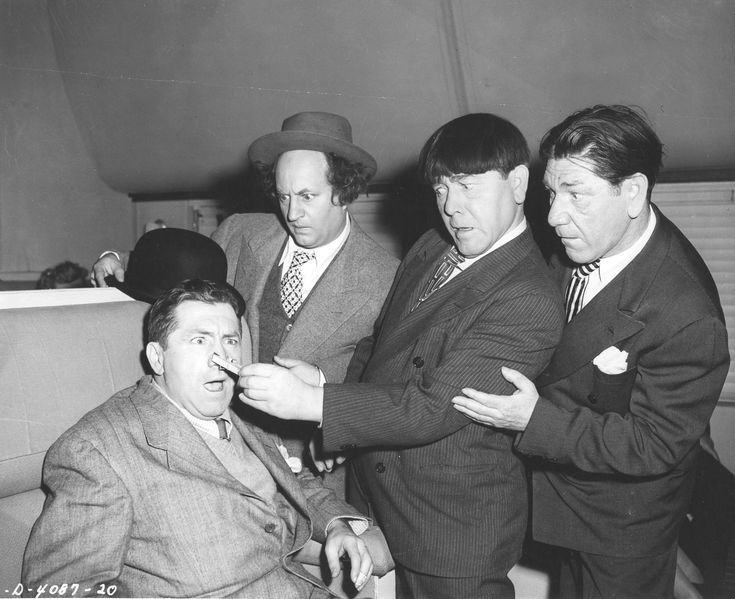
Curly played the Stooges like a cartoon: spins, barks, a body that bounced. Shemp played them like a nervous system. He flinches before the hit lands. He mutters while he works, half the lines sounding made up on the spot. When he is scared, asleep, or very happy, out comes the high, inhaled "heep-heep-heep!" No one else in the act sounds like that, and no one tried.
That is the real difference. Curly is a force that happens to the scene. Shemp is a man the scene happens to, and you watch him take every blow twice: once when he sees it coming, and once when it arrives.
The Shemp Twitch Meter
Five classic Shemp moments, rated the fan-magazine way. Our scores, not science.
| The bit | Nerves | Noise | Ad-lib |
|---|---|---|---|
| The "heep-heep-heep!"His trademark yelp, breathed in, not out. | ●●●●● | ●●●●● | ●●●●● |
| Fright Night (1947)Back in the act, managing a boxer for the mob. | ●●●●● | ●●●●● | ●●●●● |
| Brideless Groom (1947)Married fast or no inheritance. A man in pure flop sweat. | ●●●●● | ●●●●● | ●●●●● |
| Who Done It? (1949)Detectives for hire in a house that wants them dead. | ●●●●● | ●●●●● | ●●●●● |
| Scrambled Brains (1951)Shemp sees things. Mostly things that are not there. | ●●●●● | ●●●●● | ●●●●● |
Nerves = how fast he flinches. Noise = yelps, mutters and squeaks per minute. Ad-lib = how much of it sounds made up on the spot.
Ten Years, and the Fake Shemp
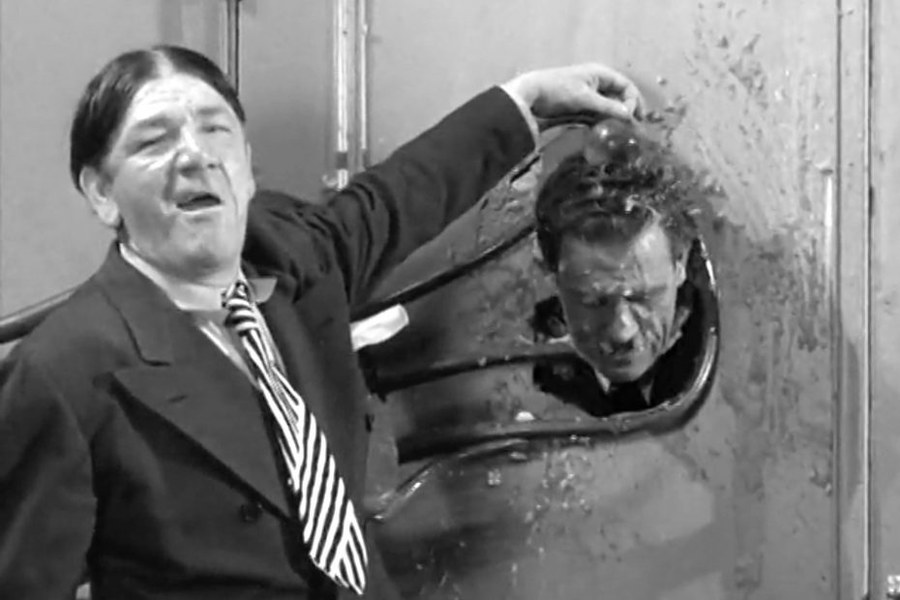
Shemp's second run lasted nine years and 73 shorts with Moe and Larry, plus the feature Gold Raiders. On November 22, 1955, coming home by taxi from the fights, he told a joke, laughed, and died of a heart attack. He was 60.
Columbia still owed four shorts for 1956. Producer Jules White built them out of old Shemp footage, and filled the gaps with a double, Joe Palma, shot from behind or half hidden. Watch Rumpus in the Harem, Hot Stuff, Scheming Schemers or Commotion on the Ocean and you will catch "Shemp" with his back to the camera, saying nothing at all.
The Fake Shemp
A Stooge who became a Hollywood term.
Joe Palma's back of the head did its job so well that filmmakers named the trick after Shemp. A "fake Shemp" is any stand-in filmed from behind, in shadow, or in a wig, so the audience believes the real actor is still there. Few performers get a technique named after their absence.
The Defense Rests
Curly made the Stooges famous. Shemp kept them alive. He took over an act at its lowest moment, from a brother no one could replace, and turned it into something with its own nervous beat. The shorts got cheaper and the budgets got smaller, and Shemp's timing held them together.
Next time someone says "Shemp was just the replacement," tell them he was there first. Then duck.DiLo
More Stooge Paths
- In Defense of ShempYou are here.
- Why Curly Changed EverythingThe moment the act becomes fully cinematic, physical, musical, and strange.
- The Columbia Short FactoryHow cheap production and repeated setups became a comic grammar.
- Television Makes Them ImmortalThe shorts were made for theaters, but television made them permanent.